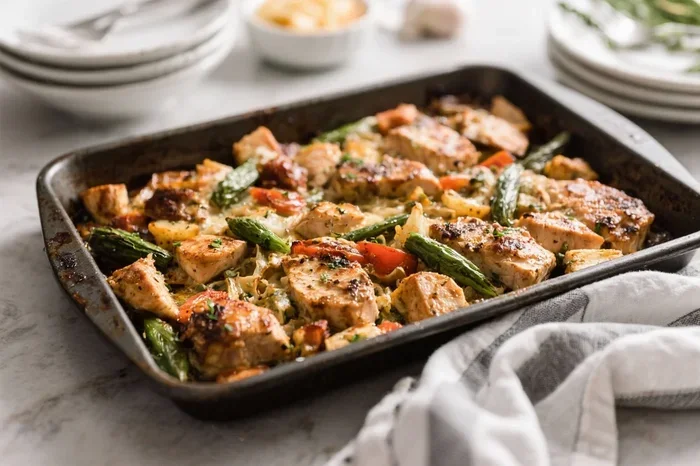
What Can You Cook In A Conventional Oven Delicious Ideas
What Can You Cook In A Conventional Oven is an essential topic that provides valuable insights.
Key Takeaways
- Understanding What Can You Cook In A Conventional Oven: Provides essential knowledge
📑 Table of Contents
Classic Oven-Baked Dishes You Can Make
The conventional oven shines when it comes to classic baked dishes. These meals are comforting, filling, and perfect for family dinners. Most of them require minimal prep and deliver big flavor.
Roast Chicken
A perfectly roasted chicken is a staple of home cooking. Season a whole chicken with herbs, olive oil, salt, and pepper. Place it in an oven-safe dish and bake at around 375°F for about 90 minutes. The result is golden, crispy skin and tender, juicy meat inside.
You can add potatoes, carrots, and onions around the chicken. This way, you cook everything in one go. It is an easy weeknight dinner idea that impresses everyone at the table.
Meatloaf
Meatloaf is another beloved oven-baked dish. Mix ground beef, breadcrumbs, eggs, and seasoning. Shape it into a loaf and pop it in the oven. Baking takes about 45 to 60 minutes at 350°F.
You can top it with a simple tomato glaze for extra flavor. Meatloaf pairs beautifully with mashed potatoes and green beans. It is a complete meal that the whole family loves.
Lasagna
Few dishes are as satisfying as a bubbly, cheesy lasagna. You layer pasta sheets, meat sauce, ricotta, and mozzarella. Then you bake it in the oven until it is hot and golden on top.
Lasagna takes about 45 minutes to bake at 375°F. It is a great make-ahead meal because it reheats wonderfully. Many people prepare it on weekends and enjoy it throughout the week.
Pizza
Yes, you can make pizza in a conventional oven! You do not need a pizza oven or a fancy setup. Use store-bought dough or flatbread as your base.
Add sauce, cheese, and your favorite toppings. Bake at the highest setting your oven allows, usually 450°F to 500°F. In about 10 to 15 minutes, you will have a crispy, delicious homemade pizza.
Baking Bread and Pastries in a Conventional Oven
Bread baking is one of the most rewarding things you can do in a conventional oven. The warm, dry heat helps dough rise and develop a beautiful crust.
Homemade Bread
Making bread at home is easier than you think. You need flour, yeast, water, salt, and a little patience. Knead the dough, let it rise, shape it, and bake it.
A basic loaf takes about 30 to 40 minutes at 350°F. You can add herbs, seeds, or cheese to customize your bread. Freshly baked bread fills your kitchen with an amazing aroma.
Cookies and Biscuits
Oven-baked desserts like cookies and biscuits are perfect for beginners. You mix butter, sugar, flour, and eggs. Drop spoonfuls of dough onto a baking sheet.
Bake at 350°F for about 10 to 12 minutes. The edges turn golden while the centers stay soft. You can experiment with chocolate chips, nuts, or dried fruit for variety.
Cakes and Cupcakes
A conventional oven works beautifully for cakes and cupcakes. Mix your batter, pour it into a pan or muffin tin, and bake.
A standard cake bakes at 350°F for 25 to 35 minutes. Cupcakes take even less time, around 18 to 22 minutes. Once cooled, you can frost them however you like. These are perfect for birthdays, holidays, or just because.
Sheet Pan Meals for Easy Weeknight Cooking
Sheet pan meals have become hugely popular in home cooking. They are simple, fast, and require very little cleanup. You toss everything on one sheet pan and let the oven do the work.
Sheet Pan Chicken and Vegetables
Cut chicken thighs into pieces and toss them with broccoli, bell peppers, and sweet potatoes. Drizzle with olive oil and season generously.
Bake at 425°F for about 25 to 30 minutes. The chicken cooks through while the vegetables get tender and slightly caramelized. This is one of the best conventional oven recipes for busy weeknights.
One-Pan Salmon
Baked salmon is incredibly healthy and easy to prepare. Place salmon fillets on a lined sheet pan. Add lemon slices, garlic, and dill.
Bake at 400°F for 12 to 15 minutes. The fish flakes easily and tastes amazing. Serve it with rice or a fresh salad for a complete meal in under 30 minutes.
Roasted Vegetables and Side Dishes
A conventional oven is perfect for roasting vegetables. Dry heat caramelizes the natural sugars in vegetables, bringing out deep, rich flavors.
Roasted Root Vegetables
Toss carrots, parsnips, beets, and sweet potatoes with olive oil, salt, and rosemary. Spread them on a baking sheet in a single layer.
Roast at 400°F for 25 to 35 minutes. Stir halfway through for even cooking. These roasted vegetables make an excellent side dish for any main course.
Baked Potatoes
A perfectly baked potato is a comfort food classic. Scrub the potato clean, poke it with a fork, and rub it with olive oil and salt.
Bake at 400°F for 45 to 60 minutes. The skin gets crispy while the inside turns fluffy. Top it with butter, sour cream, cheese, or chives. It is simple, delicious, and satisfying.
Casseroles
Casseroles are a wonderful way to use your conventional oven. They combine protein, vegetables, and a starchy base into one dish.
Think of tuna noodle casserole, broccoli cheese bake, or chicken and rice casserole. Most casseroles bake at 350°F for 30 to 45 minutes. They are ideal for feeding a crowd with minimal effort.
Baked Desserts That Impress Everyone
Your conventional oven is a dessert powerhouse. From warm fruit crumbles to rich chocolate cakes, the possibilities are endless.
Apple Crisp
Apple crisp is a fall favorite that is incredibly easy to make. Slice apples, toss them with cinnamon and sugar, and place them in a baking dish.
Top with a mixture of oats, flour, butter, and brown sugar. Bake at 350°F for about 35 minutes. The result is a bubbling, golden dessert that tastes amazing with a scoop of vanilla ice cream.
Baked Pasta Dishes
Baked pasta is not just for lasagna. Think of baked ziti, stuffed shells, or pasta bake. Cook the pasta slightly underdone, mix it with sauce and cheese, and bake.
It takes about 20 to 25 minutes at 375°F. The cheese melts into a bubbly, golden crust. These dishes taste even better the next day, making them great for meal prep.
Tips for Getting the Most From Your Conventional Oven
To get the best results from your conventional oven, follow a few simple tips. These small changes can make a big difference in your cooking.
Preheat Your Oven
Always preheat your oven before placing food inside. This ensures even cooking times and better results. Give your oven at least 10 to 15 minutes to reach the right oven temperature.
Use the Right Pan
Not all pans are equal. Use oven-safe dishes made of glass, metal, or ceramic. Avoid plastic or wooden handles that can melt or burn. Dark pans absorb more heat, so reduce the temperature slightly if you use them.
Rotate Your Food
Ovens can have hot spots. To cook food evenly, rotate your pans halfway through the baking time. This simple step prevents one side from burning while the other stays undercooked.
Know the Difference Between Conventional and Convection
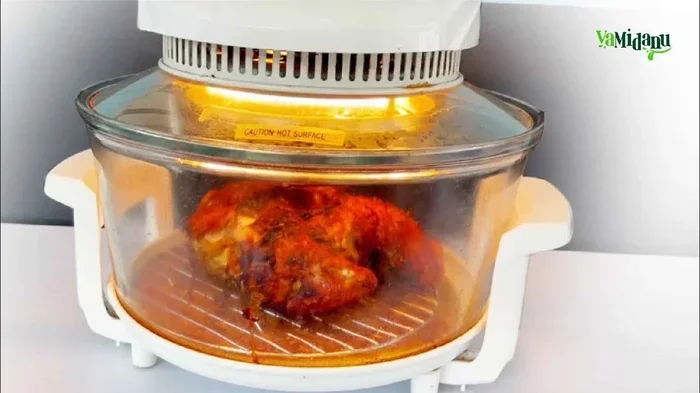
A convection vs conventional oven comparison is helpful to understand. A convection oven uses a fan to circulate hot air. This cooks food faster and more evenly. A conventional oven relies on natural heat circulation. Both work well, but you may need to adjust cooking times and temperatures when switching between them.
| Feature | Conventional Oven | Convection Oven |
|---|---|---|
| Heat Source | Top and bottom elements | Fan circulates hot air |
| Cooking Speed | Standard | Faster by about 25% |
| Best For | Cakes, bread, casseroles | Roasting, pastries, cookies |
| Temperature Adjustment | No adjustment needed | Reduce by 25°F |
| Common Use | Most home kitchens | Bakeries, restaurants |
Quick Tips for Oven Success
- Always use oven mitts to protect your hands from hot surfaces.
- Check food early as ovens can vary in temperature accuracy.
- Line baking sheets with parchment paper for easy cleanup.
- Let meat rest after removing it from the oven to keep juices inside.
- Use a meat thermometer to ensure your proteins reach safe internal temperatures.
Common Mistakes to Avoid
Opening the oven door too often can cause temperature drops and uneven cooking. Overcrowding the pan prevents proper air circulation and leads to soggy food. Also, ignoring rack placement matters. The middle rack is usually the best position for even heat distribution.
Expert Insights
Professional chefs often recommend letting your oven do the work. Avoid constantly checking on your food. Trust the conventional oven and the cooking times listed in trusted recipes. They have been tested and refined for the best results.
Another expert tip is to invest in an oven thermometer. Many ovens run hotter or cooler than their settings suggest. An inexpensive thermometer placed inside your oven gives you accurate readings and better oven-baked dishes every time.
Key Takeaways
- A conventional oven can cook a wide variety of meals from appetizers to desserts.
- Roast chicken, meatloaf, and lasagna are classic dishes that shine in a conventional oven.
- Sheet pan meals offer a fast and easy way to prepare complete dinners with minimal cleanup.
- Baking bread and pastries at home is rewarding and requires just a few basic ingredients.
- Roasted vegetables and baked potatoes are healthy, flavorful sides that complement any main dish.
- Preheating, using the right pan, and rotating food are simple habits that improve your cooking results.
- Understanding the difference between conventional and convection ovens helps you adjust recipes for the best outcome.
Frequently Asked Questions
What is the difference between a conventional oven and a convection oven?
A conventional oven heats food using elements at the top and bottom without a fan. A convection oven uses a fan to circulate hot air around the food. This makes convection ovens cook faster and more evenly, but conventional ovens are better for delicate baked goods like cakes and breads.
Can I use glass dishes in a conventional oven?
Yes, most glass dishes are oven-safe and work great in a conventional oven. Make sure the dish is labeled as oven-safe. Glass heats slowly and distributes heat evenly, which is great for casseroles and baked pasta dishes.
What temperature should I use for baking cookies?
Most cookie recipes call for baking at 350°F. This temperature gives you a perfect balance of crispy edges and soft centers. Bake for 10 to 12 minutes and watch them closely to prevent burning.
How long does it take to roast vegetables in a conventional oven?
Roasting vegetables typically takes 25 to 35 minutes at 400°F. The exact time depends on the type and size of the vegetables. Harder vegetables like carrots and potatoes take longer, while softer ones like bell peppers cook faster.
Can I bake a cake in a conventional oven?
Absolutely. Conventional ovens are excellent for baking cakes. The steady, even heat from the top and bottom elements creates a perfect rise. Bake most cakes at 350°F for 25 to 35 minutes depending on the size.
What are the best sheet pan meals for beginners?
Sheet pan chicken with vegetables, baked salmon with asparagus, and roasted sausage with potatoes are great beginner options. They require minimal prep, cook in one pan, and clean up easily. These meals are perfect for building confidence in your home cooking skills.
=== CONCLUSION ===
A conventional oven is truly one of the most valuable tools in any kitchen. From roasting a juicy chicken to baking warm cookies, the options are virtually endless. The conventional oven recipes in this guide cover every meal and every skill level.
Whether you love oven-baked dishes like lasagna and meatloaf, or prefer lighter options like baked salmon and roasted vegetables, your oven has you covered. Bread baking, sheet pan meals, and baked desserts all come to life inside this versatile kitchen appliance.
Now that you know what you can cook in a conventional oven, it is time to put this knowledge into action. Preheat your oven, pick a recipe, and start creating delicious meals today. Your taste buds will thank you, and your confidence in the kitchen will grow with every dish you prepare.