How To Put Oven Door Back On With These Easy Steps
Your oven door fell off, and you’re not sure how to fix it? Learning how to put oven door back on is easier than you think. This guide walks you through every step, from removing the door safely to reattaching it with confidence. You’ll save money and avoid a service call.
If your oven door suddenly fell off, you’re probably feeling frustrated and a little worried. But take a deep breath. This is a common household issue, and it’s almost always fixable at home. Whether the door came off because of a broken hinge, a worn spring, or just years of use, you can get it back on with the right approach. Learning how to put oven door back on is a skill that saves you time and money. You won’t need to call a repair technician for this job. With a few simple tools and some patience, you’ll have your oven door swinging smoothly again.
In this guide, we’ll walk you through the entire process step by step. We’ll explain why doors come off, what tools you need, and exactly how to remove and reattach the door safely. You’ll also discover common mistakes that cause repeated failures and tips to keep your oven door in great shape for years. By the end, you’ll feel confident tackling this repair yourself.
So let’s dive in. Your oven—and your next meal—deserves a door that works perfectly.
Key Takeaways
- Identify the hinge type: Most ovens use hinge clips or screws that release with a simple lift.
- Gather the right tools: Screwdriver, flashlight, and a helper make the job smoother.
- Follow the alignment marks: Proper hinge positioning prevents door sag and uneven closing.
- Test the door after reattachment: Open and close it several times to check smooth operation.
- Replace worn parts if needed: A broken spring or hinge clip can cause the door to fall off again.
- Clean the door tracks: Grease and food debris can hinder movement and cause misalignment.
- Know when to call a pro: If the oven frame is damaged, a technician should handle the repair.
📑 Table of Contents
Why Does an Oven Door Come Off?
An oven door doesn’t just fall off without a reason. Understanding the cause helps you fix the problem and stop it from happening again. Most often, the issue is in the oven door hinge system. These hinges hold the door securely while letting it swing open and closed. Over time, repeated use wears them down. The door becomes loose, and eventually it drops off.
Here are the most common reasons an oven door detaches:
- Worn hinge clips: The plastic or metal clips that attach the door to the frame can crack or break. This happens often in older ovens. The clips lose their grip, and the door falls.
- Broken door spring: Many ovens have a small spring that helps the door close gently. If the spring snaps, the door may fall off or not latch properly.
- Loose screws: Vibration from cooking can gradually loosen the screws that hold the hinges in place. Over months, the hinges become wobbly.
- Damaged door panel: A heavy impact, like bumping the door with a pot, can bend the door frame or hinge bracket. This causes misalignment.
- Faulty oven door latch: The latch mechanism can wear out. A weak latch makes the door feel unstable and eventually causes it to fall.
Before you attempt any oven door repair, take a moment to inspect the door and frame. Look for visible cracks, missing screws, or springs that are no longer connected. This quick inspection tells you exactly what parts you need to replace or fix. It also helps you decide whether you can handle the repair yourself.
The Role of the Oven Door Hinge
The hinge is the most important part of the door system. It connects the door to the oven frame and allows it to pivot. Most ovens use a side-hung hinge design. The door swings like a regular door. Some models use a French door design with two panels that rotate outward. Regardless of the type, the hinge relies on clips, screws, and sometimes a spring to stay attached.
When a hinge clip breaks, the door loses its support. The weight of the door pulls it down, and it falls off. Replacing a broken clip is usually easy and inexpensive. But if the hinge arm itself is bent or cracked, you may need to replace the entire hinge assembly.
How Oven Door Springs Work
Many ovens have a tension spring that connects the bottom of the door to the frame. This spring does two things. It helps the door close smoothly, and it keeps the door from swinging too far open. When the spring breaks, the door may not latch or may fall off. You’ll often hear a loud snap when a spring breaks. If you see a broken spring, replace it before you reattach the door. A new spring is cheap and makes a big difference in door stability.
Tools and Safety Tips Before You Start
Safety comes first. An oven door can be heavy, and the glass can be fragile. Before you begin, gather your tools and follow these precautions. Working in a clean, well-lit area makes the job much easier.
Tools you’ll need for this repair:
- Phillips and flat-head screwdrivers
- Hex key set (Allen wrenches)
- Flashlight or headlamp
- Soft cloth or old towel
- Needle-nose pliers
- Replacement hinge clips or springs (if needed)
- Gentle degreaser or warm soapy water
Safety tips to follow:
- Turn off the oven and unplug it from the wall. This prevents accidental heating while you work.
- Let the oven cool completely if it was in use. Hot surfaces can cause serious burns.
- Wear work gloves to protect your hands from sharp edges and metal shards.
- Place a soft towel on the floor beneath the oven. If the door slips, it won’t hit a hard floor.
- If the door glass is cracked or broken, wear safety goggles to protect your eyes from shards.
Having a helper is a great idea. One person can hold the door steady while the other works on the hinges. This makes the oven door reattachment much safer and easier. It also prevents the door from swinging and hitting you.
Preparing Your Workspace
Clear the area around the oven. Remove any pots, pans, or oven mitts that might get in the way. Lay down a clean towel on the oven floor to catch small screws or parts that might drop. Good lighting helps you see the hinges and screws clearly. A flashlight can be handy for looking into tight spaces. Keep a small magnetic tray nearby to hold screws so they don’t roll away.
How To Put Oven Door Back On: Step-by-Step Instructions
This is the core of the guide. We’ll walk you through exactly how to put oven door back on safely and correctly. Follow each step carefully, and don’t rush. Taking your time ensures a secure, long-lasting repair.
Step 1: Remove the Oven Door Safely
If the door is already off, skip to Step 2. If it’s hanging loosely, you’ll need to remove it completely first. Open the door halfway. Look at the hinges on both sides. You’ll see small clips or levers that hold the door in place. Push these clips inward toward the center of the oven. While holding them in, gently lift the door upward. The hinges will release from the tracks. Carefully lower the door onto a soft surface like a folded towel. Never let the door dangle by one hinge. This can bend the hinge arm and cause further damage.
Tip: Take a photo of the hinges before removal. This helps you remember how the parts fit together during oven door reattachment. It also makes it easier to find the right replacement parts if needed.
Step 2: Inspect the Hinges and Springs
Now that the door is off, examine each hinge closely. Look for cracks, bent metal, or missing screws. Check the spring that connects the hinge to the oven frame. If the spring is stretched or broken, you’ll need a replacement. You can find the exact part by searching your oven model number online or at a local appliance parts store.
Also inspect the hinge pins. These small metal rods allow the door to pivot. If they’re bent or corroded, clean them with a soft cloth and a drop of mild detergent. Dry them thoroughly before reassembly. Bent pins can prevent the door from closing properly, which leads to more problems. A little cleaning can restore smooth movement.
Step 3: Reattach the Door with Proper Alignment
This is the most important part of learning how to put oven door back on. Correct alignment ensures the door closes evenly and seals properly. A misaligned door can cause heat loss, uneven cooking, and extra strain on the hinges.
Follow these steps carefully:
- Hold the door at a slight angle, with the hinges facing the oven frame.
- Hook the top hinge first. Slide the hinge pin into the slot on the oven frame.
- Push the hinge inward until you hear a click. The hinge clip should lock into place.
- Repeat with the bottom hinge.
- Gently lower the door to a closed position. It should sit flush against the oven frame.
If the door feels loose or doesn’t close evenly, the hinges may be misaligned. Open the door and check that both hinges are seated at the same height. Adjust by slightly loosening the hinge screws, repositioning, and then tightening them back up. A helper can hold the door steady while you check the alignment. Proper alignment is the key to a door that stays put.
Step 4: Test the Door Operation
Once the door is back on, test it thoroughly. Open and close the door at least five times. Listen for any scraping or grinding sounds. The door should move smoothly and latch securely without falling off.
Check the oven door seal too. Run your hand around the closed door to feel for any gaps. A proper seal keeps heat inside and improves cooking efficiency. If you feel air leaking, the door might be slightly crooked. Realign the hinges and test again. A well-sealed door also saves energy and keeps your kitchen cooler.
Common Mistakes That Cause Oven Doors to Fall Off Again
Reattaching the door is only half the battle. Avoiding these common mistakes ensures your repair lasts for years. Many people make these errors and end up with the same problem again.
Over-Tightening Screws
It’s tempting to crank down the screws as hard as you can. But over-tightening can strip the threads in the oven frame or crack the hinge bracket. Tighten screws just until they’re snug. Use a screwdriver with the right size tip to avoid slipping and damaging the screw head. Stripped screws are a nightmare to fix and often require professional help.
Ignoring Worn Hinge Clips
If the hinge clips are cracked or worn, a new door will eventually fall off again. Inspect the clips carefully. If they look brittle or don’t snap securely, replace them. Hinge clips are inexpensive and easy to swap out. This small step prevents future oven door repair calls. You can find clips that match your oven model online or at an appliance store. Don’t skip this inspection.
Skipping the Alignment Check
Many people reattach the door and assume it’s fine. But if the hinges aren’t perfectly aligned, the door will sag over time. Always check that the door sits evenly when closed. A misaligned door puts extra stress on the hinges and can cause the spring to fail prematurely. Take the extra minute to check alignment. It saves you from doing the whole job again.
Forgetting to Clean the Tracks
Food grease and debris can build up in the hinge tracks. This gunk makes the door stick or slide unevenly. Before reattaching, wipe the tracks with a damp cloth and a little baking soda. Dry them completely. Clean tracks help the door move smoothly and extend the life of the hinges. A quick cleaning also improves the door’s overall performance.
Using the Wrong Replacement Parts
Not all hinge clips or springs fit every oven model. Using the wrong part can lead to a loose fit or even damage. Always check your oven’s model number before ordering replacements. The model number is usually on a sticker inside the oven door frame or on the back of the oven. Using the correct part ensures a secure fit and long-lasting performance.
The Danger of Temporary Fixes
Some people try to use superglue or duct tape to hold a loose hinge. These are terrible ideas. Superglue can damage the plastic clips and makes future repairs harder. Duct tape melts in a hot oven and leaves sticky residue. Always use proper replacement parts designed for your appliance. A temporary fix today becomes a bigger problem tomorrow.
When to Call a Professional for Oven Door Repair
DIY fixes are rewarding, but some situations call for a professional. Know your limits and stay safe. Trying to force a repair can lead to bigger problems or injury.
Call a technician if:
- The oven frame itself is bent or damaged. A bent frame won’t hold the hinges properly.
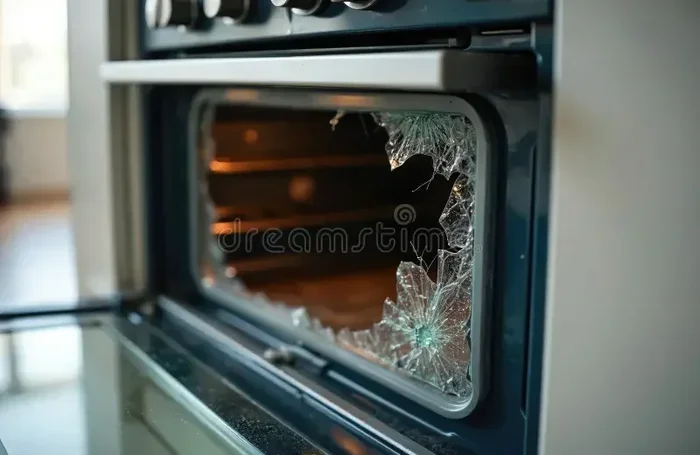
- The door glass is shattered. Replacing glass requires special tools and handling.
- You can’t find replacement parts for your specific oven model.
- The door keeps falling off even after you reattach it. This could indicate a deeper structural issue.
- You’re uncomfortable working with heavy glass or sharp metal.
A professional can diagnose hidden problems and ensure the oven door back on fix is safe and lasting. Don’t hesitate to reach out if you’re unsure. A quick call can save you from a costly mistake and keep your kitchen safe.
Maintaining Your Oven Door for Long-Lasting Performance
Once your door is back in place, a little maintenance goes a long way. These simple habits keep your oven door working smoothly for years. Prevention is always easier than repair.
Cleaning the Door Tracks Regularly
Wipe down the hinge tracks every few months. Remove any food spills or grease buildup. Use a mild degreaser and a soft brush to get into tight spots. Clean tracks reduce friction and prevent the door from sticking. A clean track also helps the door close evenly, which protects the hinges. Make this a quick part of your regular oven cleaning routine.
Lubricating the Hinges
Every six months, apply a thin layer of food-safe lubricant to the hinge pivot points. This keeps the movement smooth and prevents rust. Avoid using WD-40 on parts that touch food. Instead, use a silicone-based lubricant rated for kitchen appliances. A little lubrication goes a long way in preventing squeaks and stiffness. It also makes the door easier to open and close.
Checking the Door Seal and Latch
The door seal, or gasket, keeps heat inside the oven. Inspect it for cracks or gaps. A worn seal makes the oven work harder and wastes energy. Also check the latch mechanism. A loose latch can cause the door to shift during cooking, leading to misalignment over time. Tighten the latch screws if needed. A secure latch keeps the door in place and improves cooking results.
Handling the Door with Care
When cleaning the oven, avoid slamming the door. Treat it gently, especially if the hinges are older. Slamming can loosen screws and damage the clips. A little care prevents the need for frequent oven door repair. Always open and close the door slowly and steadily. Teach kids to do the same. Gentle handling extends the life of every part.
When to Replace the Entire Door
Sometimes, the door is beyond repair. If the glass is cracked, the frame is bent, or the hinges are severely rusted, replacement might be the best option. A new oven door can be purchased online or at an appliance store. Make sure to match the model number. Installing a new door follows the same steps as reattaching an old one, but with fresh parts. A new door can feel like a whole new oven.
How Often Should You Inspect Your Oven Door?
Give your oven door a quick visual check every few months. Look for loose screws, worn clips, or cracks. Catching small problems early prevents them from becoming big repairs. A two-minute inspection can save you hours of work later. Make it part of your kitchen maintenance routine.
Conclusion
Putting an oven door back on is a satisfying fix that anyone can do. You’ve learned why doors come off, what tools you need, and how to safely remove and reattach the door. Remember to check the hinges, align everything correctly, and avoid over-tightening screws. With a little maintenance, your oven door will stay secure and work like new.
Now that you know how to put oven door back on, you can tackle this repair with confidence. Save your money, learn a new skill, and keep your kitchen running smoothly. Happy cooking!
Frequently Asked Questions
Can I put an oven door back on by myself?
Yes, most oven door repairs are simple DIY jobs. With a screwdriver, a flashlight, and a little patience, you can remove and reattach the door safely. Just follow the steps carefully, and don’t rush the process.
Why does my oven door keep falling off?
The most common cause is worn hinge clips or a broken spring. Over time, these parts lose their strength. Inspect them carefully, and replace any damaged components. Ignoring worn parts leads to repeated failures.
What tools do I need to reattach an oven door?
You’ll need a Phillips and flat-head screwdriver, hex keys, pliers, and a flashlight. If the hinge clips or springs are damaged, grab replacements before you start. Having the right tools makes the job faster and safer.
How do I know if my oven door hinges need replacement?
Look for cracks, bending, or rust on the hinge arms. If the hinge pivots are stiff or wobbly, the hinge may need replacing. Also, if the door sags or won’t stay closed, the hinges are likely worn out.
Is it safe to use the oven after the door has been removed?
No, never operate the oven without the door securely in place. The door helps contain heat and prevents burns or fire hazards. Always reattach the door fully and test it before turning the oven on.
How much does it cost to repair an oven door?
DIY repair costs are minimal, usually under $20 for replacement clips or springs. Professional repair can range from $100 to $300 depending on the model and damage. Doing it yourself saves you the labor charge.