How Long To Cook Roasted Vegetables In Oven At Home
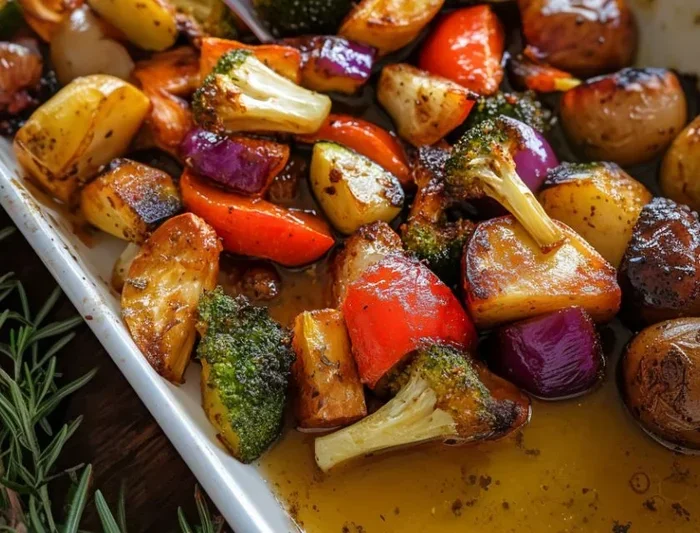
Roasting vegetables in the oven typically takes 25 to 45 minutes at 400 to 425 degrees Fahrenheit, depending on the type and size of the vegetables. Root vegetables like potatoes and carrots need longer cooking times, while broccoli and zucchini cook much faster. The key to perfect oven roasted vegetables is cutting pieces evenly, using enough oil, and spreading them in a single layer on a sheet pan.
There is something magical about roasted vegetables in oven. The way heat transforms simple raw veggies into golden, caramelized, and irresistibly tasty bites never gets old. Whether you are meal prepping for the week or making a side dish for dinner, knowing how long to cook roasted vegetables in oven makes all the difference.
Many home cooks struggle with roasting times. One batch comes out burnt while another is still soggy. The truth is, oven roasted vegetables are not complicated. You just need the right temperature, timing, and a few simple techniques. This guide will walk you through everything step by step.
We will cover roasting times for every popular vegetable, the best oven temperatures, preparation tips, and common mistakes to avoid. By the end, you will feel confident enough to roast any vegetable perfectly. Let us dive in and make your next batch of crispy roasted vegetables the best one yet.
Key Takeaways
- Standard roasting temperature is 400 to 425 degrees Fahrenheit for most vegetables, which brings out natural sweetness and creates a nice caramelized exterior.
- Cooking times range from 20 to 45 minutes depending on the vegetable type, size of the pieces, and how crispy you like them.
- Cut vegetables into uniform sizes so they cook evenly and finish at the same time.
- Use parchment paper or a silicone mat to prevent sticking and make cleanup a breeze.
- Do not overcrowd the baking sheet. Spread vegetables in a single layer for maximum crispiness.
- Toss vegetables with oil and seasonings before roasting to enhance flavor and help them brown properly.
- Let vegetables rest for 5 minutes after removing them from the oven to lock in texture and flavor.
📑 Table of Contents
Understanding Roasting Times And Temperatures
The foundation of great oven roasted vegetables starts with understanding time and temperature. These two factors work together to create the perfect balance of tenderness inside and browning outside. Getting them right is simpler than most people think.
Why Cooking Times Vary Between Vegetables
Not all vegetables cook at the same speed. Dense root vegetables like potatoes and carrots take much longer than soft broccoli or zucchini. The reason comes down to water content and fiber density. Vegetables with high water content cook faster because the heat evaporates the moisture quickly.
Dense vegetables have more cell walls that need to break down before they become tender. This is why a carrot chunk takes longer than a bell pepper slice. Roasting vegetables in oven works best when you group similar vegetables together on the same pan. This way, everything finishes at the same time.
The Ideal Oven Temperature For Roasting
Most vegetable roasting times are based on a temperature range of 400 to 425 degrees Fahrenheit. This is the sweet spot for several reasons. At this heat, vegetables caramelize nicely without burning. The sugars inside the veggies brown and develop deep, sweet flavors.
Lower temperatures, like 350 degrees, cook vegetables more gently but they steam instead of roast. You lose that crispy exterior. Higher temperatures, above 450 degrees, can burn the outside before the inside is cooked through. Stick with 400 to 425 degrees for the best results every time you roast vegetables in oven.
| Oven Temperature | Best For | Effect On Vegetables |
|---|---|---|
| 350 degrees F | Gentle cooking | Steamed texture, less browning |
| 400 degrees F | Most vegetables | Balanced browning and tenderness |
| 425 degrees F | Dense vegetables | Crispy exterior, caramelized flavor |
| 450+ degrees F | Quick crisping | Risk of burning, fast cooking |
Best Vegetables For Oven Roasting
Almost any vegetable can go in the oven, but some truly shine when roasted. Choosing the right vegetables makes a huge difference in your final dish. Here are the top picks for oven roasted vegetables that everyone loves.
Root Vegetables
Root vegetables are the stars of oven roasting. They hold their shape well and develop incredible sweetness when heated. Potatoes, sweet potatoes, carrots, parsnips, beets, and turnips all roast beautifully.
These vegetables need more time because of their dense structure. A typical roasted root vegetables batch takes about 35 to 45 minutes at 425 degrees. Make sure to cut them into similar-sized pieces so they cook evenly. Smaller cubes roast faster than large chunks.
Cruciferous Vegetables
Broccoli, cauliflower, Brussels sprouts, and cabbage are fantastic for roasting. They develop a nutty, slightly charred flavor that is hard to beat. These vegetables cook faster than root vegetables, usually taking 20 to 30 minutes.
Brussels sprouts are a favorite for roasting vegetables with olive oil and a sprinkle of salt. When roasted properly, the outside becomes crispy while the inside stays tender. Cauliflower roasts beautifully and pairs well with almost any seasoning blend.
Other Great Options
Do not overlook vegetables like zucchini, bell peppers, onions, asparagus, and cherry tomatoes. These cook quickly and add wonderful variety to any sheet pan vegetables roast. Zucchini and yellow squash only need about 15 to 20 minutes.
Onions caramelize beautifully in the oven, turning sweet and golden. Cherry tomatoes burst and become juicy with a slightly smoky flavor. Mixing different vegetables on one pan creates a colorful and nutritious side dish that the whole family will enjoy.
Step By Step Guide To Roasting Vegetables
Now that you understand the basics of time and temperature, let us walk through the actual process. Following these steps ensures consistent, delicious results every single time.
Preparation Tips For Perfect Roasting
Preparation is where most people go wrong. Taking a few extra minutes here makes a huge difference in the final result. Start by preheating your oven to the right temperature before you begin cutting vegetables.
Wash and dry your vegetables thoroughly. Moisture on the surface creates steam, which leads to soggy results instead of crispy ones. Cut everything into uniform pieces, about one inch to one and a half inches thick. This ensures even cooking throughout the batch.
Use a large mixing bowl to toss the vegetables with oil. Olive oil works great, but avocado oil has a higher smoke point for higher temperatures. A general rule is about one tablespoon of oil per large baking sheet. Add salt, pepper, garlic powder, or any spices you enjoy. Toss everything together until the vegetables are evenly coated.
The Roasting Process Step By Step
Line a baking sheet with parchment paper or a silicone baking mat. This prevents sticking and makes cleanup much easier. Spread the vegetables in a single layer across the sheet. Do not pile them on top of each other.
Overcrowding is the number one mistake people make when roasting vegetables in oven. When vegetables sit on top of each other, steam builds up and they become soft instead of crispy. If you have a lot of vegetables, use two baking sheets or roast in batches.
Place the sheet in the oven on the middle rack. Set a timer based on the vegetable type. Check the vegetables halfway through and give the pan a shake or toss them with a spatula. This promotes even browning on all sides.
Remove the vegetables when they are golden brown and tender when pierced with a fork. Let them rest on the pan for about five minutes before serving. This brief rest helps the flavors settle and the texture becomes even better.
How Long To Cook Different Vegetables
This is the section most people are looking for. The exact roasted vegetables oven time depends on what you are cooking and how big the pieces are. Here is a detailed breakdown of cooking times for the most popular vegetables.
Quick Cooking Vegetables (15 To 25 Minutes)
These vegetables have high water content and thin skins, so they roast fast. Keep a close eye on them to prevent burning.
- Zucchini and summer squash: 15 to 20 minutes at 425 degrees
- Bell peppers: 20 to 25 minutes, cut into strips
- Cherry tomatoes: 15 to 20 minutes, they burst when done
- Asparagus: 12 to 15 minutes, depending on thickness
- Green beans: 20 to 25 minutes until slightly charred
Medium Cooking Vegetables (25 To 35 Minutes)
These vegetables need a bit more time but still roast beautifully. They pair wonderfully with the quick cooking vegetables above.
- Broccoli florets: 25 to 30 minutes at 425 degrees
- Cauliflower florets: 25 to 30 minutes for golden edges
- Brussels sprouts: 30 to 35 minutes, halved lengthwise
- Red and yellow onions: 25 to 30 minutes, cut into wedges
- Eggplant: 25 to 30 minutes, cubed into one-inch pieces
Longer Cooking Vegetables (35 To 45 Minutes)
Dense vegetables need the most time. Start checking them at the 30-minute mark and adjust from there.
- Potatoes (cubed): 35 to 45 minutes at 425 degrees
- Sweet potatoes: 35 to 40 minutes, similar to white potatoes
- Carrots (whole or large pieces): 35 to 40 minutes
- Beets (cubed): 35 to 45 minutes for tender texture
- Parsnips: 30 to 40 minutes depending on thickness
These times are guidelines, not rigid rules. Your oven may run hot or cool. The size of your vegetable pieces matters a lot. Always check for doneness by piercing with a fork. If it goes through easily, your oven roasted vegetables are ready.
Tips For Perfectly Roasted Vegetables Every Time
Even experienced cooks can improve their roasting technique. These tips will help you achieve consistently crispy, flavorful results. Small changes in your approach can lead to big improvements in taste and texture.
Quick Tips For Better Results
- Preheat your oven fully before putting the vegetables in. A hot oven from the start ensures even cooking and better browning.
- Use enough oil but not too much. Vegetables should be lightly coated, not swimming in oil. Excess oil creates greasy results.
- Season after roasting for salt. Adding salt before can draw out moisture and create steam. A light sprinkle before and a generous one after works best.
- Rotate the pan halfway through cooking. Ovens have hot spots, and rotating ensures even exposure to heat.
- Add delicate vegetables partway through if mixing fast and slow cookers on one pan. Add broccoli or zucchini halfway through the roast time.
- Let vegetables cool slightly on the pan before serving. This helps them firm up and stay crispy rather than turning mushy.
Common Mistakes To Avoid
Avoiding these mistakes will save you from many disappointing batches of roasted vegetables in oven. Most of these errors are easy to fix once you know what they are.
The first mistake is overcrowding the pan. This is the biggest culprit behind soggy vegetables. Give each piece enough space so hot air can circulate around it. The second mistake is skipping the drying step. Wet vegetables steam instead of roast. Always pat them dry after washing.
Another common error is using the wrong oil. Oils with low smoke points, like extra virgin olive oil, can burn at high temperatures. Use regular olive oil or avocado oil for roasting at 400 degrees and above. Finally, many people forget to toss the vegetables during cooking. A single flip or shake halfway through promotes even browning on all sides.
Expert Insight: The Secret To Maximum Crispiness
Professional chefs share one simple secret for the crispiest roasted vegetables: use a wire rack set over the baking sheet. Elevating the vegetables allows air to flow underneath, which means every side gets crispy. This technique works especially well for root vegetables and Brussels sprouts.
Another pro tip is to finish with a sprinkle of something acidic right after roasting. A squeeze of lemon juice or a dash of vinegar cuts through the richness and brightens the flavors. This small step elevates your caramelized roasted vegetables from good to restaurant quality.
Frequently Asked Questions
Can I roast vegetables at 375 degrees instead of 400?
Yes, you can roast vegetables at 375 degrees. The cooking time will be slightly longer, usually by about 5 to 10 minutes. Lower temperatures cook vegetables more gently and can result in a softer texture. This works well for vegetables you want to be very tender, like butternut squash or sweet potatoes. Just keep an eye on them and check for doneness with a fork.
Do I need to flip vegetables while roasting?
Flipping or tossing vegetables halfway through roasting is highly recommended. It ensures even browning on all sides and prevents one side from burning while the other stays pale. Use a spatula to gently turn the pieces. If you are using a wire rack, flipping is less critical because air circulates underneath, but it still helps with even cooking.
Can I roast vegetables ahead of time for meal prep?
Absolutely. Roasted vegetables store well in the refrigerator for up to four days in an airtight container. They make excellent additions to salads, grain bowls, and wraps throughout the week. Reheat them in the oven at 375 degrees for about 10 minutes to maintain their crispiness. Microwaving tends to make them soggy, so the oven is always the better choice for reheating.
What is the best oil for roasting vegetables?
Avocado oil and regular olive oil are the best choices for roasting vegetables in oven. Both have high smoke points and neutral or pleasant flavors. Avoid extra virgin olive oil for very high temperatures, as it can burn and turn bitter. Coconut oil works too but adds a subtle coconut flavor that pairs well with root vegetables and sweet potatoes.
Why are my roasted vegetables soggy instead of crispy?
Soggy roasted vegetables are almost always caused by overcrowding the pan or excess moisture. When vegetables sit too close together, steam gets trapped and prevents crisping. Make sure to spread them in a single layer with space between each piece. Also, dry your vegetables thoroughly after washing and use just enough oil to lightly coat them, not drench them.
Can I mix different vegetables on the same pan?
Yes, but you need to be strategic about it. Group vegetables by their cooking time. Put dense root vegetables like potatoes and carrots on one sheet pan, and quick-cooking vegetables like broccoli and zucchini on another. If you must mix them, add the faster-cooking vegetables about 15 minutes into the roast so everything finishes at the same time.
Conclusion
Mastering how long to cook roasted vegetables in oven is one of the simplest and most rewarding kitchen skills you can develop. The basics are straightforward. Most vegetables roast beautifully between 400 and 425 degrees Fahrenheit for 20 to 45 minutes, depending on the type and size of the pieces.
Remember to cut your vegetables evenly, use enough oil, and avoid overcrowding the pan. These small steps make a massive difference in the final result. Whether you are roasting crispy broccoli, caramelized carrots, or tender sweet potatoes, the principles remain the same.
Now that you have all the timing charts, preparation tips, and expert advice, it is time to put them into practice. Preheat your oven, grab your favorite vegetables, and start roasting. With a little practice, you will be able to whip up perfect oven roasted vegetables without even thinking about the timer. Your taste buds will thank you.