How To Make The Best Butter Bread In The Oven At Home
Making butter bread in the oven at home is easier than you think. This guide walks you through everything from ingredients to the final golden loaf. You will learn pro tips that turn simple dough into restaurant-quality homemade butter bread every single time.
There is something magical about pulling a warm loaf of butter bread out of the oven. The smell fills your kitchen, the crust turns golden brown, and the inside stays soft and fluffy. If you have ever bought butter bread from a store and wished it tasted this good at home, you are in the right place.
This guide will show you exactly how to make butter bread in the oven step by step. Whether you are a complete beginner or a seasoned home baker, this butter bread recipe is designed to be simple and forgiving. By the end, you will have all the knowledge you need to bake homemade butter bread that rivals any bakery. Let us get started.
Key Takeaways
- Simple Ingredients: You only need flour, butter, milk, yeast, and sugar to make amazing butter bread at home.
- Oven Method Works Great: Baking butter bread in the oven gives you a consistent, golden crust and soft interior.
- Resting Time Matters: Letting the dough rise properly is the secret to fluffy, airy butter bread.
- Avoid Common Mistakes: Over-kneading, wrong oven temperature, and skipping the resting step can ruin your bread.
- Storage Tips Keep It Fresh: Proper storage ensures your homemade butter bread stays soft for days.
- Customizable Recipe: You can easily add herbs, cheese, or seeds to personalize your butter bread.
- Beginner-Friendly: No special equipment or skills needed — just patience and a working oven.
📑 Table of Contents
- Why Butter Bread Deserves a Spot in Your Kitchen
- Gathering the Right Ingredients for Butter Bread
- Step-by-Step Guide to Making Butter Bread in the Oven
- Tips for the Softest, Fluffiest Butter Bread
- Common Mistakes to Avoid When Baking Butter Bread
- Serving and Storing Your Homemade Butter Bread
- Frequently Asked Questions About Making Butter Bread
- Conclusion
Why Butter Bread Deserves a Spot in Your Kitchen
Butter bread is more than just a side dish. It is a staple in many homes around the world. People love it for breakfast, lunch, dinner, or just as a snack. The rich, buttery flavor and soft texture make it incredibly versatile. You can pair it with soup, jam, cheese, or eat it plain.
What makes oven-baked butter bread special is the control you have. When you bake at home, you decide exactly what goes into your dough. No preservatives, no artificial flavors. Just real butter, flour, and a little time. Baking homemade bread also fills your home with a warm, inviting aroma that store-bought loaves simply cannot match.
Another reason to try this recipe is consistency. Once you master the basic butter bread recipe, you can make it every single time and get the same great results. That is the beauty of baking bread in an oven — it is predictable, fun, and deeply satisfying.
Gathering the Right Ingredients for Butter Bread
Great butter bread starts with great ingredients. You do not need anything fancy, but quality ingredients do make a difference. Here is what you will need to make a beautiful loaf of homemade butter bread in your oven.
Core Ingredients for Your Butter Bread
- All-Purpose Flour: About 3 cups. This gives the bread its structure and soft texture. You can also use bread flour for a slightly chewier result.
- Butter: 3 tablespoons of softened unsalted butter. This is the star ingredient that gives butter bread its name and rich flavor.
- Warm Milk: 1 cup of whole milk, warmed to about 110°F. Milk makes the crumb soft and adds a gentle sweetness.
- Active Dry Yeast: 2 teaspoons. This is what makes your dough rise and become light and airy.
- Sugar: 2 tablespoons. Sugar feeds the yeast and adds a hint of sweetness to the bread.
- Salt: 1 teaspoon. Salt enhances flavor and strengthens the dough structure.
- Egg: 1 large egg. This adds richness, color, and helps the bread hold its shape.
Optional Add-Ins to Elevate Your Butter Bread
Once you master the basic recipe, you can experiment. Here are some ideas to customize your oven-baked butter bread:
- Garlic and Herbs: Add minced garlic and dried herbs like rosemary or thyme for a savory twist.
- Cheese: Shredded cheddar or parmesan makes the bread rich and flavorful.
- Seeds: Sesame seeds or poppy seeds on top add crunch and visual appeal.
- Honey: Swap sugar for honey for a deeper, more complex sweetness.
Having all your ingredients measured and ready before you start is called “mise en place.” It makes the whole process smoother and less stressful. Trust me, it helps a lot when working with bread dough.
Step-by-Step Guide to Making Butter Bread in the Oven
Now comes the fun part — actually making the bread. Follow these steps carefully, and you will end up with a gorgeous loaf of butter bread that your family will love.
Step 1: Activate the Yeast
Start by warming your milk until it feels lukewarm, not hot. Too much heat will kill the yeast. Pour the warm milk into a large bowl and add the sugar. Stir until the sugar dissolves, then sprinkle the yeast over the surface. Let it sit for about 5 to 10 minutes until it becomes foamy. This foam means your yeast is alive and working, which is essential for a good rise in your butter bread.
Step 2: Mix the Dough
Add the egg and softened butter to the yeast mixture. Stir gently. Then, gradually add the flour, one cup at a time, mixing after each addition. Add the salt during the last cup of flour. Keep mixing until a shaggy dough forms. You should not need to add all the flour — stop when the dough starts to come together.
Step 3: Knead the Dough
Turn the dough out onto a lightly floured surface. Knead it for about 8 to 10 minutes. You want the dough to become smooth, elastic, and slightly tacky. A good test is the “windowpane test” — stretch a small piece of dough thin enough to see light through it without it tearing. This means the gluten has developed properly, which gives your homemade butter bread its soft, pillowy texture.
Step 4: First Rise
Place the kneaded dough in a lightly greased bowl and cover it with a damp towel or plastic wrap. Put it in a warm spot and let it rise for about 1 to 1.5 hours. The dough should double in size. This first rise is crucial — it develops flavor and texture in your butter bread. Do not skip or rush this step.
Step 5: Shape the Loaf
Once the dough has risen, gently punch it down to release the air. Turn it out onto a lightly floured surface and shape it into a loaf. You can place it into a greased loaf pan or shape it free-form on a baking sheet. For a classic butter bread look, a loaf pan works best. Cover the shaped dough and let it rise again for about 30 to 45 minutes until it puffs up.
Step 6: Bake to Golden Perfection
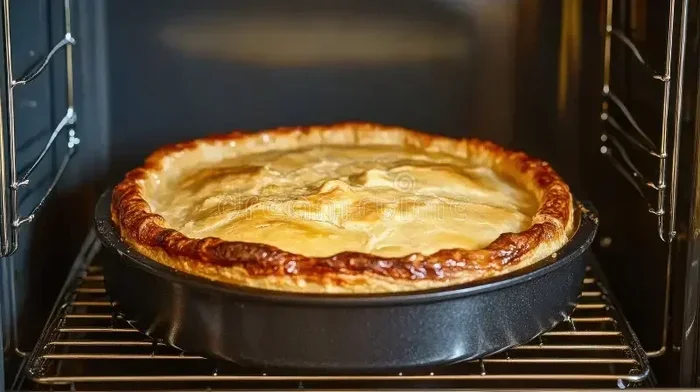
Preheat your oven to 350°F (175°C) while the dough goes through its second rise. Once preheated, place the loaf in the center of the oven. Bake for 25 to 30 minutes. The bread is done when the top turns golden brown and the bottom sounds hollow when you tap it. The internal temperature should reach about 190°F.
Step 7: Cool and Add Butter
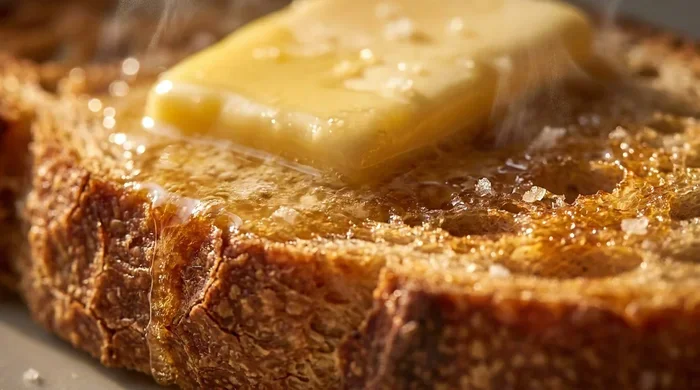
Remove the butter bread from the oven and let it cool in the pan for about 10 minutes. Then transfer it to a wire rack to cool completely. While it is still warm, you can brush the top with a little extra melted butter for that extra-rich flavor. This step makes a real difference in the taste and texture of your oven-baked butter bread.
Tips for the Softest, Fluffiest Butter Bread
Baking great bread takes practice, but a few insider tips can dramatically improve your results. Here are the secrets that separate good butter bread from truly outstanding butter bread.
Use Room Temperature Ingredients
Cold ingredients do not mix well with yeast. Always use room temperature eggs, milk, and butter. This helps the yeast activate evenly and creates a smoother dough. Cold butter straight from the fridge can also make the dough seize up, which affects the final texture of your butter bread.
Do Not Skip the Second Rise
Some people want to speed things up and skip the second rise. Do not do this. The second rise allows the yeast to create more air pockets, which gives your homemade butter bread that soft, fluffy crumb. Skipping it results in dense, heavy bread that nobody wants to eat.
Invest in an Oven Thermometer
Most oven dials are not perfectly accurate. An oven thermometer costs just a few dollars and takes the guesswork out of baking. If your oven runs hot or cold, it can affect how your butter bread bakes. A simple thermometer ensures your oven is at exactly the right temperature for perfectly golden oven-baked bread every time.
Brush with Butter After Baking
This small step makes a huge difference. Brushing the top of your butter bread with melted butter right after it comes out of the oven adds shine, flavor, and a softer crust. It also keeps the bread from drying out too quickly. Use a pastry brush and spread it gently over the entire top.
Be Patient with the Kneading
Proper kneading develops the gluten network that gives bread its structure. Under-kneaded dough produces a dense, crumbly loaf. Over-kneaded dough can become tough. Aim for about 8 to 10 minutes of steady kneading by hand. Your dough will feel smooth and elastic when it is ready. This is one of the most important steps for achieving that perfect soft texture in butter bread.
Common Mistakes to Avoid When Baking Butter Bread
Even experienced bakers make mistakes. Knowing what to avoid can save you from a disappointing loaf of butter bread. Here are the most common errors and how to prevent them.
Using Water Instead of Milk
Water works in a pinch, but milk makes a noticeable difference. The fats and proteins in milk create a softer, richer crumb in your butter bread. Water-based bread tends to be drier and less flavorful. If you want the best results, stick with milk.
Killing the Yeast with Hot Liquid
Yeast is a living organism, and hot liquid will kill it. Always check that your milk or water is lukewarm — about 110°F. If it feels hot to the touch, let it cool down before adding the yeast. Dead yeast means no rise, and no rise means no butter bread.
Overbaking the Bread
It is easy to leave bread in the oven too long, especially if you are busy with other things. Overbaked butter bread becomes dry and tough. Set a timer, check the bread a few minutes before the recommended time, and use the tap test. A hollow sound at the bottom means it is done.
Not Letting the Bread Cool Properly
Cutting into hot bread releases all the steam that kept the crumb soft. This makes the bread gummy and dense. Let your butter bread cool for at least 15 to 20 minutes before slicing. The wait is hard, but it is worth it for the perfect texture.
Serving and Storing Your Homemade Butter Bread
Your butter bread is done, and now you want to enjoy it to the fullest. Here is how to serve and store it so every slice tastes as good as the first.
Best Ways to Serve Butter Bread
- With Jam or Jelly: A classic combination. Strawberry or apricot jam pairs beautifully with warm butter bread.
- As Toast: Slice it thick and toast it until golden. Spread with butter or cream cheese for a quick breakfast.
- With Soup or Stew: Tear off a piece and use it to soak up delicious broth. This is one of the best ways to enjoy oven-baked bread.
- With Cheese and Cold Cuts: Make a simple sandwich or a charcuterie board featuring slices of your homemade butter bread.
- With Garlic Butter: Mix softened butter with garlic powder and herbs, then spread on warm slices for an irresistible treat.
How to Store Butter Bread
Proper storage keeps your butter bread fresh and soft for longer. Wrap the loaf tightly in plastic wrap or place it in an airtight container. At room temperature, it stays fresh for 2 to 3 days. For longer storage, you can freeze sliced butter bread for up to 3 months. Just thaw individual slices at room temperature or warm them in the oven for a few minutes.
Avoid refrigerating your bread. The cold temperatures actually speed up the staling process, making your homemade butter bread go dry faster. Room temperature storage is always the best choice for soft, fresh bread.
Frequently Asked Questions About Making Butter Bread
Here are some common questions people ask when learning how to bake butter bread in the oven.
Can I Use a Stand Mixer to Knead Butter Bread Dough?
Yes, absolutely. A stand mixer with a dough hook works great for kneading butter bread dough. Mix on low speed for about 5 to 7 minutes until the dough is smooth and elastic. This saves your arms and produces consistent results every time. Just make sure not to overheat the dough — the friction from the mixer can warm it up too much.
Can I Make Butter Bread Without an Egg?
Yes, you can. The egg adds richness and helps with browning, but it is not essential. Simply replace the egg with 3 tablespoons of milk or yogurt. Your butter bread will still turn out soft and delicious, though the crust may be slightly less golden. The bread will still taste wonderful.
What Is the Best Oven Temperature for Butter Bread?
350°F (175°C) is the sweet spot for most butter bread recipes. This temperature allows the bread to bake evenly — the outside turns golden brown while the inside stays soft and fluffy. If your oven tends to run hot, reduce the temperature by 10 to 15 degrees and check the bread a few minutes early.
How Do I Know When Butter Bread Is Done?
There are three reliable ways to check. First, look for a golden brown color on top. Second, tap the bottom of the loaf — it should sound hollow. Third, use a food thermometer to check the internal temperature, which should be around 190°F. If you are unsure, it is better to check early and add a few more minutes if needed rather than overbaking your butter bread.
Can I Use Frozen Dough for Butter Bread?
Yes, frozen dough works well for making butter bread at home. Thaw the dough in the refrigerator overnight, then let it come to room temperature before shaping and baking. Follow the same rising and baking steps as fresh dough. Frozen dough is a great shortcut when you want fresh homemade butter bread but do not have time to make the dough from scratch.
Why Is My Butter Bread Dense Instead of Fluffy?
Dense butter bread usually results from one of a few issues. The yeast might be old or dead — always check your yeast’s expiration date. The dough might not have risen long enough. The liquid might have been too hot or too cold when activating the yeast. Or the dough might have been under-kneaded. Check each of these factors, and your next loaf of butter bread should turn out light and fluffy.
Conclusion
Baking butter bread in the oven at home is one of the most rewarding things you can do in the kitchen. It requires simple ingredients, a little patience, and a reliable oven. The result is a warm, golden loaf of butter bread that tastes infinitely better than anything you can buy at the store.
Remember the key steps: activate your yeast properly, knead the dough well, let it rise twice, and bake at the right temperature. Follow these guidelines and your butter bread will turn out perfectly every time. Do not be afraid to experiment with flavors and add-ins once you have mastered the basic recipe.
The beauty of this butter bread recipe is that it gets easier and more enjoyable with each attempt. Soon, you will be baking fresh homemade butter bread regularly, and your family will wonder how you ever lived without it. So preheat your oven, gather your ingredients, and start baking today. Your kitchen — and your taste buds — will thank you.