How To Keep Lasagna Warm In The Oven With These Tips
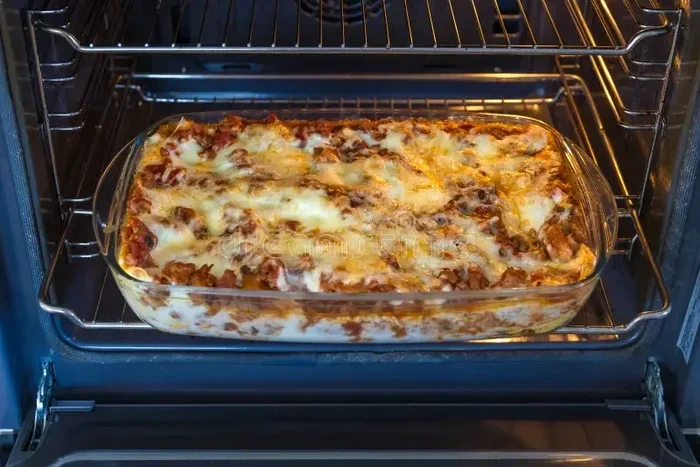
Keeping lasagna warm in the oven is simpler than most people think. You just need the right temperature, a good cover, and a little patience. These easy tips will help you serve perfectly heated slices all night long.
There’s nothing better than a warm, bubbly lasagna on the table. Whether you’re feeding a crowd or saving leftovers, keeping lasagna warm in the oven is the secret to a perfect meal. The good news is that you don’t need fancy gadgets. A few simple tricks will keep your baked lasagna tasting fresh for hours. In this guide, I’ll share exactly how to do it right. You’ll learn about oven settings, covering methods, and common mistakes. By the end, you’ll be a pro at warming lasagna without drying it out.
Lasagna is a dish that loves time. The flavors meld together as it sits. But if you leave it out too long, it gets cold and unsafe. That’s where your oven comes in. It acts as a gentle warmer, not a cooker. I’ll show you the best ways to keep lasagna warm in the oven so every slice is hot and cheesy. Let’s dive in.
Key Takeaways
- Use a low temperature: Set your oven to 200-250°F to keep lasagna warm without overcooking.
- Cover it tightly: Aluminum foil or an oven-safe lid traps steam and keeps moisture in.
- Choose the right pan: Glass or ceramic dishes heat evenly and are safer than thin metal.
- Don’t skip the resting time: Let lasagna rest after baking to set the layers before warming.
- Check the internal temperature: Use a food thermometer to ensure it stays at a safe 165°F.
- Avoid high heat: High temperatures dry out the cheese and sauce quickly.
- Plan ahead for parties: A warming drawer or chafing dish works great for buffet-style serving.
📑 Table of Contents
Why Keeping Lasagna Warm in the Oven Matters
The Joy of Warm Lasagna
Cold lasagna is a disappointment. The cheese turns stiff. The sauce loses its shine. Warm lasagna, on the other hand, brings comfort. The mozzarella stretches. The ricotta feels creamy. The meat sauce tastes rich. When you keep lasagna warm in the oven, you preserve that perfect texture. It’s not just about heat. It’s about keeping the dish at a safe and delicious temperature.
A warm lasagna also makes the whole kitchen smell amazing. That aroma hits people as soon as they walk in. It sets the mood for a family dinner or a holiday feast. If you’ve ever reheated lasagna in a microwave, you know it can get soggy or uneven. The oven gives you even, gentle heat. That’s why warming lasagna in the oven is the top choice for home cooks.
Why Temperature Control Is Key
The biggest mistake people make is cranking the oven up. They think high heat warms food faster. But with lasagna, that’s a disaster. High heat dries out the edges. The cheese turns rubbery. The sauce bubbles too hard and loses moisture. To keep lasagna warm in the oven, you need low, steady heat. Think of your oven as a cozy blanket, not a furnace. A low temperature keeps the food safe without overcooking it.
Food safety matters too. The USDA says hot food should stay at 140°F or above. Your oven’s warm setting helps you hit that target. It also prevents bacteria from growing. So when you’re keeping lasagna warm in the oven, you’re not just improving taste. You’re also keeping your guests safe.
The Best Oven Settings for Warm Lasagna
Ideal Temperature Range
So what temperature should you use? The sweet spot is between 200°F and 250°F. At this range, the oven acts as a warmer, not a cooker. If your oven has a “warm” setting, it usually sits around 170°F to 200°F. That works too, but 200°F is more reliable for thick dishes like lasagna. I always set my oven to 225°F for keeping lasagna warm in the oven. It’s gentle and effective.
Here’s a quick guide to help you choose:
- 170°F – 200°F: Good for short-term warming (under 30 minutes).
- 200°F – 250°F: Best for keeping lasagna warm for 1–2 hours.
- 250°F – 300°F: Only if you need to reheat cold lasagna, not just warm it.
Remember, the goal is to maintain heat, not cook further. If you leave the lasagna in too long at a high temp, it will dry out. Always use an oven thermometer if you’re unsure. Many ovens run hot or cold. Knowing the exact temperature helps you keep lasagna warm in the oven perfectly.
Preheating Tips
Do you need to preheat when you’re just keeping food warm? Yes, you do. Preheating ensures the oven is at the right temp before the lasagna goes in. If you put cold lasagna into a cold oven, it will take too long to warm. That extra time dries out the edges. I always preheat to 225°F and then place the dish inside. This way, the heat hits the lasagna immediately.
Another tip: don’t open the oven door too often. Every time you open it, heat escapes. Your oven has to work harder to recover. That can cause temperature swings. If you’re keeping lasagna warm in the oven for a party, set a timer and check only when needed. Use the oven light to peek inside.
Using a Low and Slow Approach
The low and slow method is the heart of keeping lasagna warm in the oven. Low heat means gentle warmth. Slow means you give it time. A thick casserole dish needs time to heat through from edge to center. If you rush it with high heat, the outside burns while the inside stays cold. Low and slow fixes that. It also keeps the béchamel sauce smooth and the ricotta creamy.
Let’s say your lasagna came out of the fridge. It’s cold in the middle. You want to warm it up without overcooking the edges. Set your oven to 225°F. Place the dish on the center rack. Let it warm for 20 to 30 minutes. Check the internal temperature with a food thermometer. When it hits 165°F in the center, it’s ready. This low and slow approach is the best way to warm lasagna without ruining it.
Covering and Wrapping Techniques
Foil vs. Oven-Safe Lid
Covering your lasagna is crucial. It traps steam, which keeps the moisture inside. Without a cover, the top dries out and the cheese turns crusty. The two best options are aluminum foil and an oven-safe lid. Both work, but they have differences.
Aluminum foil is cheap and easy. It creates a tight seal. I always use a double layer of foil when keeping lasagna warm in the oven. The double layer prevents steam from escaping. It also reflects heat back onto the dish. Just make sure the foil doesn’t touch the cheese directly. It can stick and tear when you remove it.
An oven-safe lid is even better. Glass or ceramic lids let you see the lasagna without removing the cover. They don’t stick to the cheese. If you have a Dutch oven with a lid, that’s perfect. The lid fits snugly and keeps everything moist. If you don’t have a lid, foil is your best friend for warming lasagna.
How to Wrap Without Overheating
Wrapping lasagna in foil isn’t tricky, but there’s a right way. You want to create a loose tent, not a tight seal. Tight foil can trap too much steam and make the top soggy. Here’s what I do:
- Tear off a sheet of foil large enough to cover the dish.
- Gently place it over the lasagna without touching the surface.
- Crumble the foil slightly to create a dome shape.
- Leave a small gap at the edge for a little steam to escape.
This tent method works great for keeping lasagna warm in the oven. The steam circulates inside, keeping the layers moist. The small gap prevents excess condensation. If you’re using a glass dish, the dome also prevents the foil from pressing down on the cheese.
Adding Moisture When Needed
Sometimes, even with a cover, lasagna can dry out. That’s especially true if you’re keeping it warm for a long time. You can add a little moisture to help. Sprinkle a tablespoon of water or broth over the top before covering. The steam from the liquid will keep things hydrated. Just don’t overdo it. Too much water makes the sauce watery.
Another trick is to place a small oven-safe dish of water on the rack below your lasagna. The water evaporates and creates a humid environment. This is a great way to keep lasagna warm in the oven for a buffet. The extra moisture keeps the top layer from forming a hard skin. It’s a simple trick that makes a big difference.
Choosing the Right Pan and Dish
Glass vs. Metal
The pan you use matters just as much as the oven temperature. Different materials conduct heat differently. Metal pans heat up fast and cool down fast. Glass and ceramic heat up slowly but hold warmth longer. For keeping lasagna warm in the oven, glass or ceramic is usually better. They provide even, gentle heat without hot spots.
If you only have a metal pan, you can still use it. Just lower the oven temperature by 25°F. Metal can overheat the edges if you’re not careful. I prefer a glass baking dish for warming lasagna. You can see the layers, and it stays warm for a long time after you take it out of the oven.
Oven-Safe Materials
Not every dish can go in the oven. You must use an oven-safe pan. Check the bottom of the dish for a symbol. A little oven icon means it’s safe. Plastic handles, wooden knobs, or non-oven-safe adhesives can melt or catch fire. Never use a pan with a decorative rim that’s not rated for oven use.
Also, avoid disposable aluminum pans with thin sides. They warp easily and can tip over. A sturdy, deep dish is best for keeping lasagna warm in the oven. It holds the heat well and supports the weight of the layers. If you’re serving directly at the table, a ceramic casserole dish looks beautiful and keeps the lasagna warm for a long time.
Using a Water Bath for Extra Care
A water bath, also called a bain-marie, is a pro technique for warming lasagna. It’s gentle and almost foolproof. Here’s how it works. You place your lasagna dish inside a larger pan. Then you add hot water to the larger pan, about halfway up the sides. The water creates a humid, even heat around the lasagna. It prevents the edges from drying out.
This method takes a little more effort, but it’s worth it for a special occasion. If you’re keeping lasagna warm in the oven for a dinner party, a water bath keeps the dish at the perfect temperature for up to an hour. Just make sure the water level stays high. You can add more hot water if needed. The steam from the water bath keeps the top layer soft and creamy.
How Long You Can Keep Lasagna Warm in the Oven
Time Limits for Safety
How long can you safely leave lasagna in the oven? The general rule is no more than 2 hours on a warm setting. After that, the food enters the “danger zone” where bacteria can grow. Even on warm, the temperature can drop if the oven is too low. To stay safe, keep the oven at 200°F or above. Check the internal temperature every 30 minutes if you’re going longer.
If you’re planning a buffet, timing is everything. I recommend baking the lasagna ahead of time. Let it cool slightly, then cover and place it in the oven on warm. This way, it’s ready when your guests arrive. Keeping lasagna warm in the oven for up to 90 minutes is ideal for most gatherings. After that, you might notice the cheese starting to separate.
Signs of Overheating
How do you know if the lasagna has been in too long? Look for these signs:
- The edges are dark brown or crispy.
- The top layer is hard and cracked.
- The sauce has thickened and pulled away from the edges.
- The cheese looks oily or separated.
If you see any of these, the lasagna has been overheated. It’s still safe to eat, but the texture suffers. To avoid this, set a timer and check the lasagna regularly. A simple kitchen timer can save your dish. When you’re keeping lasagna warm in the oven, vigilance is your best friend.
Resting Periods Before Warming
Here’s a tip many people overlook. Let the lasagna rest after it comes out of the oven. If you just baked it, let it sit for 15 to 20 minutes before you warm it again. Resting allows the layers to set. The cheese firms up. The sauce thickens slightly. When you then place it in the warm oven, it heats more evenly. The slices hold their shape better.
Resting also reduces the risk of the lasagna falling apart when you cut it. Nobody wants a collapsed lasagna at the table. So after baking, let it cool on the counter, then cover and transfer to the warm oven. This resting step is a small habit that makes a big difference in warming lasagna successfully.
Expert Tips, Common Mistakes, and Quick Fixes
Common Mistakes to Avoid
Leaving it uncovered. The number one mistake is forgetting to cover the lasagna. Uncovered lasagna in the oven dries out fast. The cheese turns into a hard shell. The sauce evaporates and becomes thick and pasty. Always use foil or a lid when you’re keeping lasagna warm in the oven. It’s a simple step that makes a huge difference.
If you forgot to cover and the top is already dry, you can fix it. Spoon a little extra sauce or a splash of broth over the top. Cover with foil and let it warm for a few more minutes. The steam will soften the surface again. It’s not perfect, but it saves the dish.
Setting the heat too high. Another common error is setting the oven to 350°F or higher just to warm it. That’s way too hot for a dish that’s already cooked. High heat overcooks the edges and turns the cheese rubbery. Stick to 200-250°F for keeping lasagna warm in the oven. If you need to reheat cold lasagna from the fridge, 325°F is okay, but still lower than baking temperature. Use a lower setting and give it more time.
Remember, you’re not cooking. You’re just maintaining warmth. Treat your oven like a holding unit, not a cooking unit. That mindset shift will protect your lasagna every time.
Forgetting to rest. Cutting into hot lasagna right away is tempting. But if you skip the rest, the layers slide apart. The cheese is too soft to hold its shape. Resting lets the structure set. It’s just as important when you’re warming lasagna after it’s been refrigerated. Let it come to room temperature for 10 minutes before placing it in the warm oven. This prevents a cold center and a hot edge.
Expert Tips for Perfect Results
Use a warming drawer. If your oven has a warming drawer, use it. Warming drawers are designed to keep food at a steady 150°F to 200°F. They’re perfect for keeping lasagna warm in the oven without overcooking. Just place the covered lasagna dish in the drawer. It’s a hands-off way to keep things ready for serving. Many modern ranges include a drawer with a humidity control too, which helps prevent drying.
Transfer to a chafing dish. For outdoor parties or buffet tables, the oven isn’t an option. A chafing dish is the next best thing. You can preheat the lasagna in the oven, then carefully transfer it to a chafing dish with a sterno fuel can. The indirect heat keeps it warm for hours. Cover it with the chafing dish lid. This method works great for holiday gatherings where you want to serve lasagna buffet-style.
Just remember to preheat the chafing dish too. A cold dish will cool the lasagna fast. You can also use a slow cooker on the “warm” setting as an alternative to a chafing dish. It’s not as elegant, but it gets the job done for warming lasagna at a tailgate or potluck.
Reheat individual portions. Not everyone wants a whole piece of lasagna. Sometimes you just need one slice. For individual portions, you can use the oven too. Place a single slice on a small oven-safe plate. Cover it with a tiny piece of foil. Warm at 300°F for 10 to 15 minutes. This is a great way to keep lasagna warm in the oven for latecomers or second helpings. The portion heats evenly without drying out.
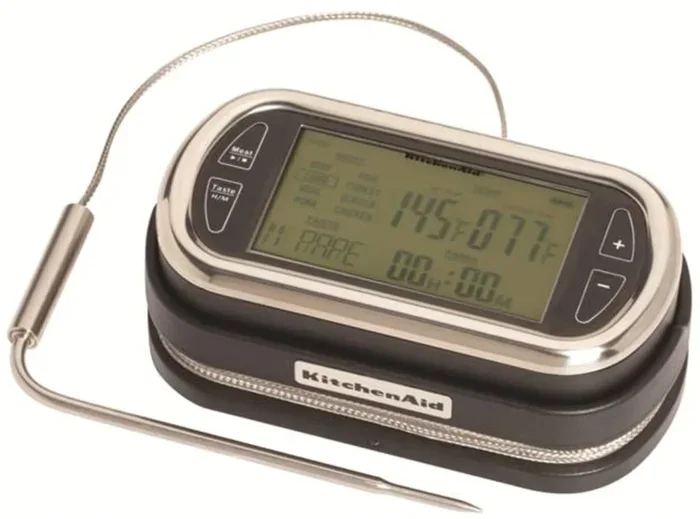
Use a food thermometer. This is the most important tool for keeping lasagna warm in the oven. A simple instant-read thermometer takes the guesswork out. Insert it into the center of the lasagna, avoiding the dish edges. You want the internal temperature to be at least 165°F. If it’s below that, keep warming. If it’s above, you’re good to go.
Pro chefs use thermometers all the time. It’s not just for meat. Lasagna has multiple layers, and the center can stay cold even if the edges are hot. A thermometer ensures every bite is safe and warm. Keep one in your kitchen drawer. It’s a small investment that pays off every time you warm lasagna.
Quick Fixes for Common Problems
The top is drying out. Sprinkle a little water or broth over the top, cover with foil, and warm for 5 more minutes at 200°F. The steam will bring the moisture back.
The edges are too hot. Move the dish to a lower rack or wrap the edges with a double layer of foil. This insulates the edges while the center catches up.
The lasagna is cold in the middle. It needs more time. Keep it covered and check the internal temperature every 10 minutes. Be patient. Low and slow is the way to go.
Conclusion
Keeping lasagna warm in the oven doesn’t have to be stressful. With the right temperature, a good cover, and the right pan, you can serve perfect, hot slices all evening long. Remember to use low heat, cover tightly, and check the internal temperature. Avoid common mistakes like high heat or leaving it uncovered. These simple steps will elevate your lasagna from good to great.
Whether you’re preparing for a holiday dinner or just enjoying leftovers, these tips will help. Keep lasagna warm in the oven with confidence. Your family and friends will notice the difference. The cheese will be gooey, the sauce will be rich, and every layer will be hot. Now go ahead and put these tricks to work. Your next lasagna will be the best one yet.
Frequently Asked Questions
Can I keep lasagna warm in the oven overnight?
No, you should not leave lasagna in the oven overnight. The USDA recommends not keeping cooked food in the temperature danger zone (40°F to 140°F) for more than 2 hours. If you need to hold it longer, use a chafing dish or slow cooker on warm, but still limit it to 4 hours maximum for safety. Refrigerate any leftovers promptly.
What temperature should I set my oven to for keeping lasagna warm?
Set your oven to 200°F to 250°F for keeping lasagna warm. This range is low enough to prevent drying out but high enough to maintain a safe temperature. If your oven has a “warm” setting, that usually falls within this range and works perfectly for holding baked lasagna.
Should I cover lasagna with foil when keeping it warm?
Yes, always cover lasagna when keeping it warm in the oven. Foil traps steam and keeps the moisture in, preventing the cheese and top layer from drying out. Use a double layer of foil for better results, and create a loose tent so the foil doesn’t touch the cheese directly.
How can I tell if the lasagna is warm enough to serve?
Use an instant-read food thermometer. Insert it into the center of the lasagna and check that the internal temperature reaches at least 165°F. If you don’t have a thermometer, the lasagna should be steaming slightly when you cut into it, and the cheese should be soft and bubbly.
Can I use a glass dish instead of metal to keep lasagna warm?
Absolutely. Glass dishes are excellent for keeping lasagna warm because they heat evenly and retain heat well. Just make sure the glass is oven-safe and avoid sudden temperature changes, which can cause it to shatter. A glass pan is often better than thin metal for maintaining steady warmth.
Is it better to warm lasagna in the oven or on the stove?
The oven is almost always better for keeping lasagna warm. The oven provides even, indirect heat that warms the dish from all sides. On the stove, you risk burning the bottom while the top stays cold. If you must use the stove, use a very low heat and stir occasionally, but the oven method is far superior for warming lasagna evenly.