Can You Use Oven Cleaner On Stainless Steel Safely
Can Oven Cleaner Be Used On Stainless Steel? The short answer is yes, but only under very specific conditions. Harsh chemical oven cleaners can permanently damage the protective finish if you leave them on too long or use them on the wrong surface. This guide shows you exactly when it is safe, what risks to avoid, and better cleaning alternatives that keep your appliances looking new.
Your oven is the workhorse of your kitchen. It handles pizza nights, Sunday roasts, and those late-night snacks you pretend nobody sees. But all that cooking leaves behind a layer of baked-on grease and food splatter that can make your appliance look terrible. When you see that thick, black, carbonized mess inside your oven, the first thing you reach for is often a can of oven cleaner. It works fast and promises sparkling results.
But here is the problem. If your oven has a stainless steel exterior or if you are trying to clean a stainless steel stovetop, you might be wondering about the safety of that powerful spray. The question keeps popping up in kitchen forums and homeowner groups. Can oven cleaner be used on stainless steel without causing permanent harm? The answer is not a simple yes or no. It depends on the type of stainless steel, the product you are using, and exactly how you apply it.
This article breaks down everything you need to know. We will look at the chemistry behind oven cleaners, the risks they pose to stainless steel surfaces, and the safest way to use them if you must. We will also explore gentler alternatives that can tackle tough grease without the worry. By the end, you will know exactly how to clean your stainless steel appliances without ruining the finish.
Key Takeaways
- Yes, you can use oven cleaner on stainless steel, but only on the interior oven cavity or the back of the appliance, never on the front-facing surface.
- Always wear gloves and ensure strong ventilation because oven cleaner fumes are toxic and can irritate your lungs and skin.
- Never let oven cleaner sit on stainless steel for more than a few minutes or it can strip the protective layer and cause pitting.
- Baking soda paste, vinegar, and commercial stainless steel cleaners are far safer and just as effective for everyday grime.
- Rinse thoroughly and dry immediately after any cleaning to prevent water spots and chemical residue.
- Test any cleaner on a hidden spot first to check for discoloration or damage.
- Regular wiping with a microfiber cloth prevents heavy buildup and makes deep cleaning unnecessary.
📑 Table of Contents
Can Oven Cleaner Be Used On Stainless Steel?
The direct answer to whether can oven cleaner be used on stainless steel is that it can, but with extreme caution. Oven cleaners are powerful degreasers designed to dissolve weeks of baked-on carbon inside an oven chamber. They typically contain strong alkaline chemicals like sodium hydroxide, also known as lye. These chemicals are incredibly effective at breaking down fats and proteins, but they are also highly reactive.
Stainless steel is not a single material. It is an alloy made of iron, chromium, and often nickel. The chromium creates a thin, invisible protective layer that prevents rust and corrosion. This layer is what gives stainless steel its famous durability and shine. When you expose that layer to harsh chemicals for too long, you can damage it. The surface can become discolored, pitted, or even develop a rough, etched texture that traps grease even more easily.
How Oven Cleaners Work
To understand the risk, you need to know what oven cleaner actually does. Most aerosol oven cleaners work by creating a thick, foaming layer that clings to the greasy surfaces inside your oven. The foam stays wet for a long time, allowing the lye to slowly dissolve the carbonized food. This process takes several hours, which is why you usually spray it on before bed and wipe it out in the morning.
The problem with stainless steel is that it is not the thick, porcelain-coated steel of an oven interior. It is a thin, polished metal surface. When you spray oven cleaner on a stainless steel stovetop or the front panel of your oven, the chemicals sit on the surface much longer than they would inside a hot oven. The lye begins to attack the protective chromium oxide layer. Over time, this strips the finish and leaves the metal vulnerable to staining and rust.
The Chemical Composition
Most oven cleaners list sodium hydroxide as the active ingredient. Some also contain ammonia or glycol ethers. These are strong solvents. They are great at cutting through oven grease, but they are not picky. They will strip away the protective coating on stainless steel just as easily as they remove baked-on cheese. This is why you should never use a standard oven cleaner on the visible parts of your stainless steel appliances.
If you are dealing with a stainless steel oven interior, which is rare, the same rules apply. The interior is usually porcelain or enamelled steel, not true stainless steel. But if you have a stainless steel oven liner or a stainless steel drip pan, you should avoid oven cleaner there too. The chemical reaction can cause permanent discoloration that no amount of polishing can fix.
When It Is Safe to Use Oven Cleaner on Stainless Steel
There is a very narrow window where using oven cleaner on stainless steel is acceptable. It is generally safe only on the inside of the oven cavity if the interior is made of stainless steel and you follow strict precautions. Even then, many experts recommend avoiding it entirely. If you must use it, you need to understand the risks and take every possible step to protect the surface.
The safest scenario for using oven cleaner on stainless steel is cleaning the back wall of the oven where no food is cooked. This area rarely sees direct heat and food splatter. If it is coated in grease, a short exposure to oven cleaner might be okay if you rinse it off immediately. However, the front panel, control knobs, and door glass should never be treated with oven cleaner. These are visible surfaces, and any damage will show immediately.
Safe Application Steps
If you have decided that you must use oven cleaner on a stainless steel surface, follow these steps exactly. They will minimize the risk of damage.
- Put on rubber gloves and a long-sleeved shirt. Oven cleaner can irritate your skin and cause chemical burns. Never touch the spray directly with bare hands.
- Open windows and turn on the exhaust fan. The fumes from oven cleaner are toxic. You need strong ventilation to avoid breathing them in. If possible, clean with the door open and a fan running.
- Test the cleaner on a hidden spot first. Find a small, inconspicuous area on the back or bottom of the appliance. Spray a tiny amount and wait five minutes. Wipe it off and check for any discoloration, dullness, or etching.
- Spray the cleaner from about six inches away. Do not soak the surface. You want a light, even mist, not a puddle of chemicals.
- Let it sit for no more than two to three minutes. This is the most critical step. Do not walk away and leave it for hours. Set a timer. The longer it sits, the more damage it can do.
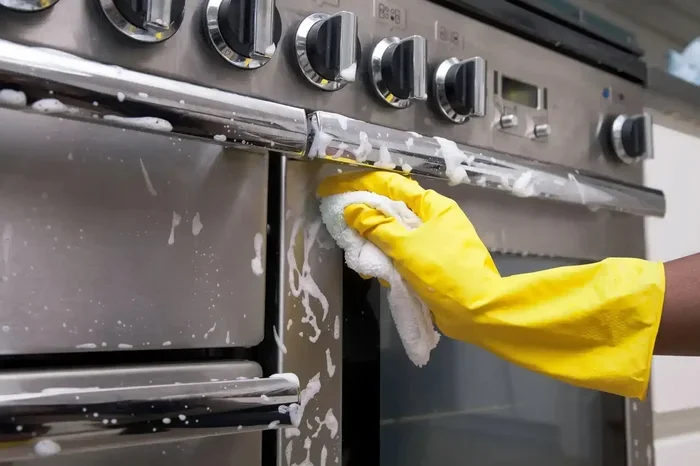
- Wipe it off immediately with a damp microfiber cloth. Use plenty of clean water to rinse the surface thoroughly.
- Dry the surface completely with a soft, dry cloth. Leaving moisture on stainless steel can cause water spots and streaks, which look almost as bad as chemical damage.
Crucial Precautions
There are several things you must never do when cleaning stainless steel with oven cleaner. Never use it on a hot surface. Never spray it near an open flame or heating element. Never let it pool in seams or crevices, as the chemicals can cause corrosion in hidden areas. Never use an abrasive scrubber or steel wool after applying oven cleaner. The chemical reaction weakens the surface, and scrubbing will scratch it further.
Also, never mix oven cleaner with other cleaning products. Combining different chemicals can create dangerous fumes or violent reactions. Stick to plain water for rinsing. If you are cleaning a stainless steel sink or cooktop, oven cleaner is almost never the right choice. There are much safer products designed specifically for these surfaces.
Risks and Damage: What Can Go Wrong
Even when you follow the steps carefully, using oven cleaner on stainless steel carries risks. The chemicals are simply too harsh for a polished metal surface. Understanding what can go wrong will help you decide if the risk is worth it.
Pitting and Discoloration
The most common form of damage is pitting. This happens when the lye eats away at the chromium layer, creating tiny holes in the metal. These pits are permanent. You cannot buff them out or fill them in. The surface will look rough and textured. Discoloration is another common problem. Stainless steel can turn rainbow-colored, dark blue, or even black when exposed to strong alkalis. This is called heat tinting, and it occurs when the protective layer is disrupted.
Residue and Health Concerns
Oven cleaner leaves behind a chemical residue that is difficult to remove completely. If you do not rinse the surface perfectly, that residue can flake off into your food the next time you cook. Inhaling even small amounts of oven cleaner fumes can cause coughing, throat irritation, and difficulty breathing. The fumes are heavier than air, so they settle in your lungs. This is especially dangerous for people with asthma or other respiratory conditions.
Children and pets are at even greater risk. The residue can be toxic if touched or ingested. This is why many families are now choosing to avoid oven cleaner altogether and switch to safer cleaning methods.
Alternative Cleaning Methods That Are Safer
The good news is that you do not need oven cleaner to get stainless steel appliances looking clean and shiny. There are many gentler methods that work just as well for everyday grease and grime. These alternatives are safer for your family, your pets, and your appliances.
Baking Soda and Vinegar Paste
Baking soda is a mild abrasive that can lift grease without scratching the surface. Mix three parts baking soda with one part water to form a thick paste. Spread it over the greasy area and let it sit for fifteen to twenty minutes. The paste will break down the grime on its own. Then, spray some white vinegar over the paste. It will fizz and help lift the dirt. Wipe it all away with a damp microfiber cloth and dry immediately.
This method is perfect for daily cleaning and for tackling light to moderate grease buildup. It is completely safe for all stainless steel finishes, including brushed and polished surfaces. You can use it on oven doors, stovetops, and backsplashes without any worry.
Commercial Stainless Steel Cleaners
If you prefer a store-bought product, look for a cleaner specifically formulated for stainless steel. These products are pH-balanced and do not contain lye or ammonia. They often include protective oils that leave a thin barrier against fingerprints and grease. Spray the cleaner onto a soft cloth first, never directly onto the surface, and wipe in the direction of the grain. This will prevent streaking and keep the finish looking smooth.
Popular brands like Bar Keeper’s Friend and Weiman make excellent stainless steel cleaners. They are designed to remove tough stains without damaging the protective layer. Always read the label to confirm the product is safe for your specific type of stainless steel.
DIY Steam Cleaning
Steam is a powerful, chemical-free way to loosen baked-on grease. Boil a pot of water and place it inside your oven or on your stovetop. Let the steam circulate for ten to fifteen minutes. The moisture will soften the grime, making it easy to wipe away with a clean cloth. For stubborn spots, add a few drops of lemon juice or a tablespoon of dish soap to the water. The steam method is gentle, non-toxic, and safe for all stainless steel surfaces.
This technique works especially well for cleaning the inside of an oven door or the glass on a stovetop. It is also a great way to freshen up your appliance without any harsh chemicals. You will be surprised how much grime steam can remove with very little effort.
Expert Tips for Maintaining Stainless Steel Appliances
Prevention is always better than cure. With a few simple habits, you can keep your stainless steel appliances looking new and avoid the need for heavy-duty cleaning. These expert tips will help you maintain the finish and extend the life of your kitchen equipment.
Daily Habits That Prevent Buildup
Wipe down your stainless steel surfaces after every use. A quick wipe with a damp microfiber cloth removes fingerprints, splatters, and light grease before it has a chance to harden. Always wipe in the direction of the grain, not against it. This keeps the surface looking smooth and prevents fine scratches that can trap dirt.
Keep a spray bottle of diluted dish soap and warm water near your stove. A quick spritz and wipe after cooking can prevent the need for deep cleaning sessions. Dry the surface with a separate cloth to avoid water spots. These small daily steps add up to a big difference over time.
Dealing with Tough, Baked-On Grease
When daily cleaning is not enough and you face a stubborn, baked-on mess, start with the gentlest method first. Make a paste of baking soda and a few drops of water. Apply it to the greasy area and let it sit for at least thirty minutes. The baking soda will slowly break down the grease. Then, use a soft, damp sponge to gently scrub the area in circular motions.
If the grease is still sticking, you can make a paste with baking soda and a small amount of dish soap. The soap adds extra cutting power without the harshness of oven cleaner. For the most stubborn spots, let the paste sit for an hour before scrubbing. Never use steel wool or abrasive pads on stainless steel. They will scratch the finish and make future cleaning harder.
If you have tried all the gentle methods and the grease will not budge, you can consider a short, controlled use of oven cleaner as a last resort. But remember to follow all the safety steps we covered earlier. Protect the surface, limit the exposure time, and rinse thoroughly. In most cases, though, you will find that the alternative methods work perfectly fine without the risk.
Conclusion
The question of whether can oven cleaner be used on stainless steel comes down to risk versus necessity. The truth is that oven cleaner is a powerful but dangerous tool for stainless steel surfaces. It can cause permanent damage, discoloration, and health hazards if used incorrectly. In most situations, there are safer and equally effective alternatives that will protect your appliances and your family.
If you must use oven cleaner on stainless steel, do so only on hidden or interior surfaces, follow the safety steps exactly, and never let the chemical sit for more than a few minutes. Better yet, skip it entirely and reach for baking soda, vinegar, a dedicated stainless steel cleaner, or steam. These methods are gentle, non-toxic, and will keep your stainless steel looking beautiful for years to come. The best way to avoid this dilemma is to clean regularly and prevent heavy buildup in the first place. Your stainless steel appliances will thank you with a lasting, brilliant shine.
Frequently Asked Questions
Is oven cleaner safe for the outside of a stainless steel oven?
No, oven cleaner is not safe for the outside of a stainless steel oven. The exterior has a polished finish that can be permanently damaged by the harsh chemicals in oven cleaner. Use a dedicated stainless steel cleaner instead.
Can I use oven cleaner on a stainless steel stovetop?
You should avoid using oven cleaner on a stainless steel stovetop. The chemicals can strip the protective layer and cause pitting or discoloration. Baking soda paste and vinegar are much safer and just as effective for stovetop grease.
What should I do if oven cleaner accidentally touches my stainless steel sink?
Rinse the area immediately with plenty of cold water. Do not let the cleaner sit. Wash the area thoroughly with mild dish soap and warm water, then dry it completely. If you notice any discoloration or roughness, you may need to use a stainless steel polish to restore the finish.
Are there any oven cleaners that are safe for stainless steel?
Some brands make oven cleaners that are lye-free and marketed as safer for all surfaces. However, even these should be used with caution on stainless steel. Always check the label and test on a hidden spot first. Natural alternatives are generally a better choice.
How can I remove oven cleaner residue from stainless steel?
Rinse the surface with warm water and a mild dish soap solution. Use a soft microfiber cloth and wipe in the direction of the grain. For any lingering residue, a paste of baking soda and water can gently lift the chemicals without scratching the surface.
Will oven cleaner damage a stainless steel oven interior?
Most oven interiors are porcelain or enamelled, not true stainless steel. If yours is stainless steel, oven cleaner can damage it if left on too long. Always rinse thoroughly after cleaning and never let the product sit for more than a few minutes.