What Temperature To Keep Turkey Warm In Oven Safely
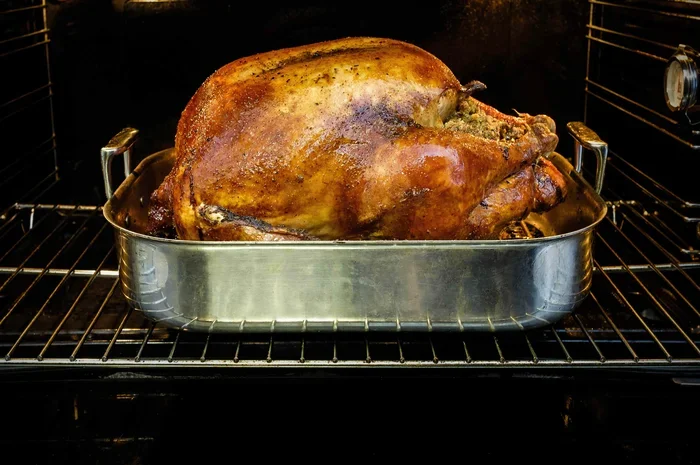
Keeping turkey warm in the oven at the right temperature is essential for food safety and flavor. The ideal warm holding temperature for turkey is between 150°F and 200°F, which keeps the meat moist without drying it out. Whether you are preparing for a big holiday dinner or a weekend gathering, understanding how to keep cooked turkey warm safely will save your meal from disaster. This guide covers safe temperatures, timing, methods, and common mistakes to avoid.
Cooking a turkey is one of the most rewarding things you can do in the kitchen. But the work does not stop once the bird comes out of the oven. Many home cooks face the same question: what temperature to keep turkey warm in oven without drying it out or risking foodborne illness.
The answer is simpler than you might think. By holding your turkey at the right warm holding temperature, you can serve a juicy, flavorful bird hours after it finishes cooking. Whether you are preparing Thanksgiving dinner or a Sunday roast, this guide will walk you through everything you need to know about keeping cooked turkey warm safely and effectively.
Key Takeaways
- Safe Warm Range: Keep turkey between 150°F and 200°F to stay warm and safe.
- Resting Matters: Always let turkey rest for 20-30 minutes before moving it to a warm oven.
- Foil Tent Method: Covering turkey with foil helps retain moisture during warm holding.
- Time Limit: Do not keep turkey warm for more than 2 hours to avoid food safety risks.
- Internal Temp Check: Use a meat thermometer to verify the turkey stays above 140°F at all times.
- Oven Rack Position: Place turkey on the middle rack for even heat distribution during warm holding.
- Carrier Bags Help: Thermal turkey bags offer a great alternative to the oven for short-term holding.
📑 Table of Contents
The Safe Temperature Range For Keeping Turkey Warm
Food safety experts agree on a clear range for warm holding. The safe turkey holding temperature falls between 150°F and 200°F. Within this range, your turkey stays warm enough to prevent bacterial growth while cool enough to avoid overcooking or drying out.
Why 150°F to 200°F Is The Sweet Spot
When you cook turkey, the internal temperature needs to reach at least 165°F to be considered safe to eat. After that, the real challenge begins. If you leave the turkey at room temperature, bacteria start multiplying rapidly within two hours. This is where the oven becomes your best tool.
Setting your oven to a low temperature keeps the turkey warm without continuing to cook it aggressively. A warm oven setting between 150°F and 200°F acts as a gentle heat blanket. It maintains the turkey’s internal temperature above the danger zone of 40°F to 140°F, where harmful bacteria thrive.
Here is a quick breakdown of what happens at different turkey holding temperatures:
- Below 140°F: The turkey enters the danger zone. Bacteria multiply quickly. This is unsafe.
- 140°F to 150°F: Borderline safe. The turkey stays warm but needs monitoring.
- 150°F to 200°F: The ideal range. Safe, warm, and moist.
- Above 200°F: The turkey continues cooking and may dry out significantly.
How To Set Your Oven Correctly
Most ovens have a “warm” setting that typically ranges from 170°F to 200°F. If your oven has a dedicated warm setting, use it. If not, set the temperature to the lowest possible setting, which is usually around 150°F to 170°F. Always use an oven thermometer to verify the actual temperature inside your oven, since many ovens run hotter or cooler than their displayed settings.
Place the turkey on the middle rack. This ensures even heat circulation around the bird. Avoid placing it too close to the top or bottom elements, as this can create hot spots that dry out certain parts of the turkey.
How Long Can You Keep Turkey Warm In The Oven
The maximum safe holding time for turkey in a warm oven is about two hours. After two hours, the quality starts to decline, and food safety becomes a bigger concern. Ideally, you want to serve the turkey within 30 to 60 minutes of taking it out of the cooking temperature.
The 2-Hour Rule Explained
The United States Department of Agriculture recommends that cooked turkey should not sit between 40°F and 140°F for more than two hours total. This includes all time spent resting, being transferred, and being held warm. If your dinner runs late, plan ahead to avoid crossing this safety threshold.
Here are some practical timing scenarios:
- Dinner at 6 PM: Start warming the oven at 4:30 PM. Remove the turkey from the cooking temperature at 4 PM, let it rest for 20 minutes, then transfer it to the warm oven at 4:20 PM. Serve at 6 PM.
- Early bird dinner: If you eat earlier, you can cook the turkey closer to serving time and reduce the holding period.
- Late dinner: If dinner runs past 8 PM, consider using a thermal turkey bag or serving in batches to stay within safe time limits.
What Happens If Turkey Sits Too Long
Leaving turkey in the warm oven for too long causes several problems. The meat dries out as moisture evaporates. The skin becomes tough and rubbery. Flavor diminishes over time. Most importantly, extended time in the temperature danger zone increases the risk of foodborne illness. Always use a meat thermometer to check the internal temperature periodically during warm holding.
Best Methods To Keep Turkey Warm Before Serving
There are several effective methods for keeping turkey warm in the oven. Each has its advantages depending on your situation, the size of your turkey, and how long you need to hold it. Let us explore the best options.
Method 1: The Foil Tent Technique
The foil tent is the most popular and simplest method. After removing the turkey from the cooking temperature, loosely wrap it in aluminum foil. Do not wrap it tightly, as this traps steam and can make the skin soggy. Instead, create a loose tent that covers the turkey without touching the surface.
The foil tent does two things. First, it retains heat. Second, it slows down moisture loss. This keeps the turkey warm and juicy for up to 45 minutes without needing the oven. For longer holding times, place the foil-tented turkey in a warm oven set to 150°F to 170°F.
Method 2: Low-Temperature Oven Hold
This is the method most people refer to when they ask about what temperature to keep turkey warm in oven. After the turkey finishes cooking and rests, reduce the oven temperature to 150°F to 170°F. Place the turkey back inside, uncovered or with a loose foil tent, and let the low heat maintain its temperature.
This method works well for turkeys that need to wait 30 to 90 minutes before serving. The low temperature prevents overcooking while keeping the bird at a safe turkey serving temperature of 140°F or above.
Method 3: Thermal Turkey Bags
Thermal turkey bags, also known as roasting bags for holding, are a fantastic alternative to the oven. These insulated bags trap heat and moisture effectively. Place the cooked turkey inside the bag, seal it, and it will stay warm for up to 90 minutes without any external heat source.
Thermal bags are especially useful when you need to prepare multiple dishes or when oven space is limited. They are also great for transporting turkey to a potluck or gathering.
Method 4: The Chafing Dish Or Slow Cooker Transfer
Some cooks prefer to transfer the turkey to a chafing dish or slow cooker for warm holding. A slow cooker set on the “warm” setting maintains a temperature around 145°F to 165°F, which is safe for holding. This method frees up your oven for side dishes and other courses.
The trade-off is that the turkey skin will not stay crispy in a slow cooker. If crispy skin matters to you, use the oven method or a thermal bag instead.
Comparison Table: Warm Holding Methods
| Method | Best For | Max Hold Time | Keeps Skin Crispy? | Ease Of Use |
|---|---|---|---|---|
| Foil Tent + Warm Oven | Medium to large turkeys | 2 hours | Yes (loose foil) | Easy |
| Low-Temp Oven Hold | Longer holding periods | 2 hours | Yes | Easy |
| Thermal Turkey Bag | No oven space needed | 90 minutes | Yes | Very Easy |
| Slow Cooker Warm Setting | Smaller turkeys or breast only | 2 hours | No | Easy |
| Chafing Dish | Buffet-style serving | 2 hours | No | Moderate |
Common Mistakes People Make When Keeping Turkey Warm
Even experienced cooks make mistakes when it comes to keeping turkey warm. Avoiding these common errors will help you serve a better bird and keep your guests safe.
Mistake 1: Setting The Oven Too High
One of the biggest mistakes is setting the oven to 250°F or higher for warm holding. This continues to cook the turkey, causing the meat to dry out and the juices to evaporate. Always use the lowest warm setting your oven offers, ideally between 150°F and 200°F.
Mistake 2: Skipping The Resting Period
Many people skip the resting step and immediately place the turkey in a warm oven. Resting allows the juices to redistribute throughout the meat. Without resting, the turkey loses moisture when sliced, resulting in a drier bird. Always rest your turkey for at least 20 to 30 minutes before moving it to the warm holding oven.
Mistake 3: Wrapping Turkey Too Tightly In Foil
Tight foil wrapping traps too much steam and softens the skin. It can also overheat certain areas of the turkey. Keep the foil loose, creating a tent that allows air to circulate slightly while retaining warmth.
Mistake 4: Not Checking The Internal Temperature
Never assume the turkey stays at a safe temperature just because the oven is set correctly. Always check the internal temperature with a meat thermometer every 30 minutes during warm holding. The turkey should remain at or above 140°F at all times.
Mistake 5: Leaving Turkey Out Before Oven Holding
Some cooks let the turkey sit on the counter while the oven preheats to its warm setting. This is risky. The turkey cools into the danger zone quickly. Transfer it to the warm oven as soon as possible after resting.
Common Mistakes Summary
- Oven too high: Dries out the turkey and overcooks it.
- No resting period: Juices run out when sliced, making the meat dry.
- Tight foil wrap: Steams the skin and creates soggy spots.
- No temperature checks: Allows the turkey to drift into the danger zone unnoticed.
- Leaving turkey out: Lets the bird cool into unsafe temperature territory.
Expert Tips For A Perfectly Warm Turkey
Professional chefs and food safety experts share a few insider tips that make a big difference when keeping turkey warm in the oven. These small adjustments can elevate your results from good to great.
Tip 1: Use A Remote Probe Thermometer
A remote probe thermometer lets you monitor the turkey’s internal temperature from across the room. Some models send alerts to your phone when the temperature drops below a set threshold. This takes the guesswork out of warm holding and gives you peace of mind.
Tip 2: Add A Pan Of Water To The Oven
Placing a shallow pan of water on the oven rack below the turkey adds moisture to the oven environment. This helps prevent the turkey from drying out during extended warm holding. The steam keeps the air inside the oven humid, which benefits the turkey’s texture.
Tip 3: Bring The Turkey To Room Temperature First
Before placing the turkey in the warm oven for holding, let it sit at room temperature for 15 to 20 minutes after resting. This reduces the temperature gap between the turkey and the oven, making the warm holding process more efficient and even.
Tip 4: Reheat Leftover Turkey Properly
If you have leftover turkey that has cooled below 140°F, you will need to reheat it safely. Place sliced turkey in an oven-safe dish, cover with foil, and heat at 325°F until the internal temperature reaches 165°F. This ensures any bacteria that may have developed during cooling are eliminated.
Tip 5: Slice Only What You Need
One of the best ways to keep the whole turkey warm is to slice only what you plan to serve immediately. Keep the remaining portions intact and in the warm oven. Sliced turkey loses moisture much faster than whole pieces, so this simple strategy keeps your bird juicier for longer.
Food Safety Guidelines For Warm Turkey
Food safety should always come first when handling cooked poultry. Understanding the turkey food safety guidelines helps you protect your family and guests from foodborne illness.
The Temperature Danger Zone
The temperature danger zone for cooked turkey is between 40°F and 140°F. In this range, bacteria like Salmonella and Campylobacter can multiply rapidly. The key rule is simple: do not let cooked turkey sit in this zone for more than two hours total.
Safe Internal Temperatures At Each Stage
Here are the critical temperature checkpoints for turkey:
- Cooking temperature: 165°F minimum internal temperature
- Resting temperature: Should remain above 140°F
- Warm holding temperature: 150°F to 200°F in the oven
- Serving temperature: 140°F or above when plated
- Reheating temperature: 165°F minimum for leftovers
When To Throw Turkey Away
If your turkey has been in the danger zone for more than two hours, it is time to discard it. No amount of reheating can undo the toxin production that some bacteria cause. When in doubt, throw it out. It is not worth the risk of food poisoning at a family gathering.
Quick Tips For Turkey Food Safety
- Always wash your hands before and after handling raw turkey.
- Use separate cutting boards for raw meat and other ingredients.
- Clean all surfaces and utensils that touch raw turkey.
- Store leftover turkey in the refrigerator within two hours of cooking.
- Reheat leftovers to 165°F before serving again.
Conclusion
Knowing what temperature to keep turkey warm in oven is one of the most important skills for any home cook. The safe range of 150°F to 200°F keeps your turkey warm, moist, and free from harmful bacteria. By following the methods and tips in this guide, you can serve a perfectly warm turkey that impresses everyone at the table.
Remember to always rest your turkey before warm holding, use a foil tent or thermal bag for moisture retention, and check the internal temperature regularly. Avoid common mistakes like setting the oven too high or leaving the turkey out too long. With a little planning and attention to detail, your turkey will be the star of the meal every time.
Keep your turkey warm, keep it safe, and keep it delicious. Your guests will thank you for it.
Frequently Asked Questions
What Is The Best Temperature To Keep Turkey Warm In The Oven?
The best temperature to keep turkey warm in oven is between 150°F and 200°F. This range keeps the turkey safe from bacteria while preventing it from drying out or overcooking. Use an oven thermometer to verify your oven’s actual temperature for the best results.
How Long Can You Keep A Cooked Turkey Warm In The Oven?
You can safely keep a cooked turkey warm in the oven for up to two hours. After that, the quality declines and food safety becomes a concern. Plan your cooking schedule so the turkey goes from oven to table within this time frame for the best flavor and safety.
Should You Cover Turkey With Foil When Keeping It Warm?
Yes, a loose foil tent is recommended. Tight wrapping traps too much steam and makes the skin soggy. A loose tent retains heat and moisture without affecting the texture. Remove the foil during the last 15 minutes if you want the skin to stay slightly crisp.
Can You Reheat Turkey That Has Cooled Below 140°F?
Yes, you can reheat cooled turkey safely. Place it in an oven-safe dish, cover with foil, and heat at 325°F until the internal temperature reaches 165°F. Always use a meat thermometer to confirm it has reached the safe reheating temperature before serving.
What Is The Danger Zone For Turkey Temperature?
The danger zone for cooked turkey is between 40°F and 140°F. In this range, harmful bacteria multiply rapidly. Never leave cooked turkey at room temperature for more than two hours total, and always keep it above 140°F during warm holding.
Does A Turkey Continue Cooking After Leaving The Oven?
Yes, turkey continues cooking after removal due to carryover cooking. The internal temperature can rise 5 to 10 degrees Fahrenheit during resting. This is why it is important to pull the turkey at the right time and let it rest before transferring it to the warm oven for holding.