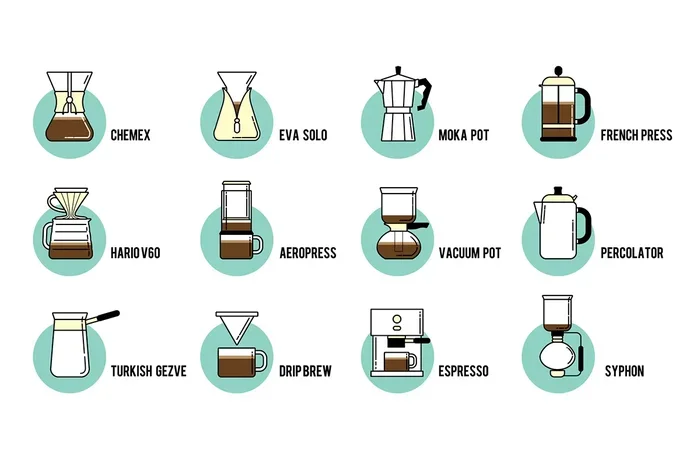
What Are The Different Coffee Brewing Methods Explained
Coffee brewing methods vary widely, from simple drip machines to hands-on manual techniques like pour over and French press. Each method brings out unique flavors, aromas, and strengths in your cup. Whether you prefer bold espresso, smooth cold brew, or clean filter coffee, there is a brewing style that fits your taste and lifestyle. This guide breaks down every major method so you can brew like a pro at home.
Coffee is one of the most beloved drinks in the world. Billions of people start their day with a hot cup. But not all coffee is made the same way. The method you choose shapes the flavor, aroma, and body of your drink. Understanding coffee brewing methods helps you make better coffee at home.
Some methods are fast and easy. Others take patience and practice. A drip coffee maker gives you a quick cup in minutes. A French press delivers a bold, rich taste. Cold brew creates a smooth, refreshing drink perfect for hot days. Each technique has its own fans and its own science behind it.
In this guide, we will walk through every major coffee brewing method you should know. We will cover how each one works, what equipment you need, and tips for getting the best results. By the end, you will have the knowledge to pick the right method for your taste and routine.
Key Takeaways
- Drip coffee makers are the most popular choice for everyday brewing at home.
- French press and immersion brewing create a rich, full-bodied cup with bold flavor.
- Espresso machines produce concentrated coffee with a creamy layer called crema.
- Cold brew uses time instead of heat to extract smooth, low-acid coffee.
- Pour over and AeroPress give you control over water temperature and brewing time.
- The right grind size and water temperature make a huge difference in flavor.
- Each method has a unique brew ratio that affects coffee strength and taste.
📑 Table of Contents
What Are Coffee Brewing Methods?
Coffee brewing methods are the different ways you extract flavor from coffee grounds using water. The process involves mixing ground coffee beans with hot water to draw out oils, acids, and sugars. This is called coffee extraction. The way you control time, temperature, grind size, and water flow changes the final cup.
Every brewing method falls into a few broad categories. These include immersion, where grounds sit in water. There is also filtration, where water passes through grounds. Pressure-based methods force water through finely ground coffee. And cold extraction uses time and cold water instead of heat. Each category produces a distinct coffee flavor profile.
The brew ratio is the amount of coffee to water you use. A standard ratio is about 1:16, meaning one part coffee to sixteen parts water. But this varies by method. Some methods need more coffee for a stronger cup. Others work better with a lighter ratio. Getting the ratio right is one of the most important steps in great brewing.
The Role of Water Temperature
Water temperature plays a big role in extraction. Too hot, and your coffee turns bitter. Too cool, and it tastes weak and sour. The sweet spot for most hot brewing methods is between 195°F and 205°F. This range lets you extract the good flavors without pulling out bitter compounds.
For cold brew, you skip heat entirely. Instead, you let coffee grounds steep in cold or room-temperature water for 12 to 24 hours. This slow process creates a smooth, low-acid concentrate. It is perfect for hot summer days or anyone who avoids bitter coffee.
Why Grind Size Matters
The size of your coffee grounds affects how fast water extracts flavor. Coarse grinds work well for slow brewing methods like French press. Fine grinds are needed for espresso because water passes through quickly. Using the wrong grind size is one of the most common mistakes home brewers make.
A good coffee grinder lets you adjust the grind size. Blade grinders chop inconsistently. Burr grinders crush beans evenly, giving you much better control. If you take coffee seriously, a burr grinder is a worthy investment.
Drip Coffee Makers and Filter Brewing
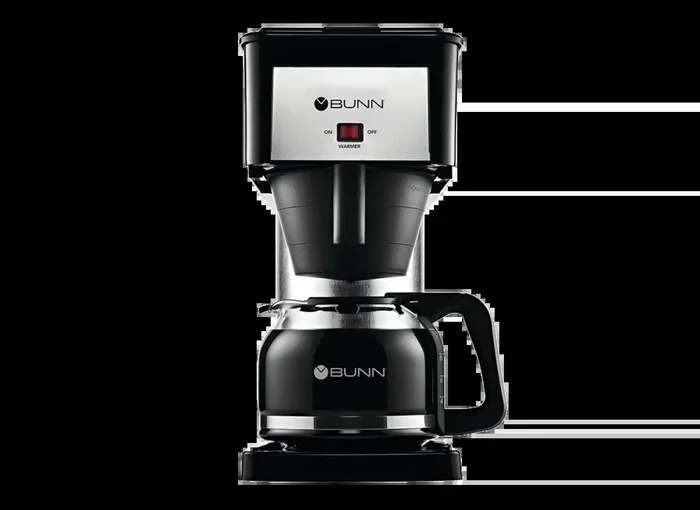
The drip coffee maker is the workhorse of many kitchens. It heats water and drips it over a bed of coffee grounds held in a coffee filter. The water passes through and drips into a carafe below. This method is simple, consistent, and great for making multiple cups at once.
Most drip machines are filter coffee makers. They use paper or reusable mesh filters. Paper filters remove oils and produce a cleaner cup. Reusable filters let more oils through, giving a richer taste. Both have their fans, and the choice comes down to personal preference.
How to Get the Best Results from a Drip Maker
Start with fresh, medium-ground coffee. Use clean, filtered water. Follow the machine’s water lines to get the right brew ratio. Most machines work best with about 2 tablespoons of coffee per 6 ounces of water.
Run a plain water cycle through your machine once a month to remove mineral buildup. This keeps your coffee maker running smoothly and your coffee tasting fresh. Also, never reuse grounds in a drip machine. The first pass extracts most of the flavor.
If you love the convenience of a drip machine but want better flavor, try a pour over setup. Devices like the Hario V60 or Chemex give you more control over water flow and temperature. They bridge the gap between automatic drip and manual brewing.
French Press and Immersion Brewing
The French press is one of the most popular immersion brewing methods. You add coarse coffee grounds to a glass or stainless steel carafe, pour in hot water, and let it steep for about 4 minutes. Then you press a metal plunger down to separate the grounds from the liquid.
Because the coffee sits in water the whole time, immersion brewing extracts more oils and fine particles. This gives the coffee a full body and rich, bold flavor. Many coffee lovers prefer the French press for its simplicity and depth of taste.
Mastering the French Press
Use a coarse grind, similar to sea salt. Too fine, and grounds slip past the plunger and make your coffee gritty. Use about 1 ounce of coffee per 15 ounces of water. Pour hot water at around 200°F and start a timer immediately.
Stir the mixture gently after pouring. This ensures all the grounds are fully saturated. Let it steep for 4 minutes, then press the plunger down slowly and steadily. Pour the coffee into your cup right away. Leaving it in the press over-extracts the coffee and makes it bitter.
Some people like to preheat their French press with hot water before adding grounds. This keeps the brewing temperature stable and helps extract more flavor. It is a small step that makes a noticeable difference.
AeroPress: The Modern Immersion Tool
The AeroPress is a newer tool that combines immersion and pressure. You steep finely ground coffee in hot water for 1 to 2 minutes. Then you press the plunger through a filter, forcing the coffee into your cup. The result is a clean, bold cup that tastes somewhere between espresso and drip coffee.
The AeroPress is portable and durable. It is a favorite among travelers and coffee lovers who want great coffee anywhere. You can also use it to make cold brew concentrate by skipping the hot water step.
Espresso-Based Brewing Methods
Espresso is a concentrated form of coffee made by forcing hot water through finely ground beans at high pressure. A proper espresso machine heats water to about 200°F and pushes it through a puck of compacted grounds. The result is a small, intense shot topped with a layer of golden crema.
Espresso is the base for many popular drinks. Lattes, cappuccinos, Americanos, and macchiatos all start with a shot of espresso. Making espresso at home requires an espresso machine, a good grinder, and some practice. But once you master it, the possibilities are endless.
Moka Pot: Stovetop Espresso
Not everyone wants to invest in a full espresso machine. The Moka pot offers a stovetop alternative. This aluminum or stovetop-safe pot uses steam pressure to push water through coffee grounds. It produces a strong, espresso-like cup that is perfect for coffee drinks at home.
Fill the bottom chamber with water up to the valve. Add finely ground coffee to the filter basket, but do not tamp it down. Place the pot on medium heat and wait for the gurgling sound. Once it starts, remove the pot immediately to avoid burning the coffee.
Moka pot coffee is stronger than drip coffee but not as concentrated as true espresso. It is a great entry point for anyone exploring coffee brewing methods without spending a lot of money.
Manual Espresso Levers
For a hands-on experience, manual lever espresso machines let you control every part of the shot. You pull a lever to force water through the grounds. This gives you total control over pressure and extraction time. It takes practice, but the reward is a beautifully crafted shot of espresso.
These machines are often smaller and quieter than electric ones. They appeal to coffee enthusiasts who enjoy the ritual of brewing. If you love the craft of coffee, a lever machine is worth exploring.
Cold Brew and Slow Extraction
Cold brew is a coffee brewing method that uses cold or room-temperature water and a long steeping time. Instead of heat, time does the work of extracting flavor. The process takes 12 to 24 hours, but the result is a smooth, naturally sweet concentrate with low acidity.
Cold brew is perfect for hot weather or anyone with a sensitive stomach. The slow extraction pulls out fewer bitter compounds and acids. You dilute the concentrate with water or milk to taste. It keeps in the fridge for up to two weeks, so you can make a batch and enjoy it all week.
How to Make Cold Brew at Home
Start with a coarse grind and a 1:8 ratio of coffee to water for a strong concentrate. Combine the grounds and water in a jar or French press. Stir gently to make sure all grounds are wet. Cover and let it sit at room temperature or in the fridge for 12 to 24 hours.
After steeping, strain the mixture through a fine mesh filter or cheesecloth. You can also use a paper filter for an even cleaner result. Store the concentrate in the fridge and dilute it before drinking. You can also freeze cold brew into ice cubes to avoid watering down your drink.
Cold brew is different from iced coffee. Iced coffee is brewed hot and then cooled over ice. Cold brew never touches heat, which changes the flavor profile entirely. If you have not tried cold brew yet, it is well worth the wait.
Specialty and Manual Brewing Methods
Beyond the popular methods, there is a whole world of specialty brewing techniques. These methods give you the most control over every variable. They are perfect for coffee lovers who want to fine-tune their cup.
Pour Over Brewing
Pour over brewing uses a cone-shaped dripper and a paper filter. You manually pour hot water over the grounds in slow, circular motions. The water drips through the coffee and filter into your cup below. This method gives you complete control over water temperature, pour speed, and brew time.
Popular pour over devices include the Hario V60, Kalita Wave, and Chemex. Each one has a slightly different design that affects the flow rate and flavor. The Chemex uses a thick paper filter that removes more oils, producing an exceptionally clean cup.
Pour over brewing takes a bit more time than a drip machine. But many people find the ritual relaxing and rewarding. It is a great way to slow down and enjoy the process of making coffee.
Siphon Brewing
The siphon brewer is a visually stunning method that uses two chambers and a vacuum. Water heats in the bottom chamber and rises to mix with grounds in the top chamber. After brewing, the vacuum pulls the coffee back down through a filter. The result is a clean, bright, and aromatic cup.
Siphon brewing is popular in specialty coffee culture and among home baristas. It looks impressive at dinner parties and produces a consistently excellent cup. The equipment is more expensive and delicate, so it is best for those who enjoy the craft of coffee.
Turkish Coffee
Turkish coffee is one of the oldest brewing methods in the world. Very finely ground coffee is simmered in a small pot called a cezve with water and sugar. The coffee is served unfiltered in small cups, with the grounds settling at the bottom.
This method produces a thick, strong, and aromatic cup. The coffee aroma is intense and unmistakable. Turkish coffee is a social ritual in many cultures and a fascinating method to try at home.
Comparison of Brewing Methods
| Method | Brew Time | Difficulty | Flavor Profile | Best For |
|---|---|---|---|---|
| Drip Coffee Maker | 5-10 min | Easy | Clean, balanced | Everyday convenience |
| French Press | 4-5 min | Easy | Bold, full-bodied | Rich, rustic coffee |
| AeroPress | 2-3 min | Medium | Clean, bold | Quick, versatile brewing |
| Espresso Machine | 25-30 sec | Hard | Concentrated, creamy | Espresso-based drinks |
| Moka Pot | 5-10 min | Easy | Strong, rich | Stovetop espresso lovers |
| Pour Over | 3-5 min | Medium | Clean, bright | Control and ritual |
| Cold Brew | 12-24 hrs | Easy | Smooth, sweet | Low-acid, refreshing drinks |
| Turkish Coffee | 5-7 min | Medium | Thick, aromatic | Traditional coffee lovers |
Common Mistakes to Avoid
Even experienced home brewers make mistakes. One of the biggest is using the wrong grind size for your method. Fine grounds in a French press create a gritty, over-extracted cup. Coarse grounds in an espresso machine lead to weak, sour coffee. Always match your grind to your brewer.
Another common error is using water that is too hot or too cool. Boiling water burns coffee grounds and creates bitterness. Water below 195°F under-extracts and leaves your coffee sour. Use a thermometer or let boiling water sit for 30 seconds before pouring.
Stale coffee beans are the enemy of great flavor. Always use fresh, whole beans and grind them just before brewing. Store beans in an airtight container away from light and heat. Pre-ground coffee loses flavor quickly, so buy whole beans whenever possible.
Skipping the cleaning step also hurts your coffee. Residual oils and old grounds build up in brewers and make coffee taste rancid. Clean your equipment after every use. Run vinegar through your drip machine monthly to remove mineral deposits.
Expert Tips for Better Coffee
Weigh your coffee and water with a kitchen scale for consistency. Volume measurements like scoops are not precise enough. A digital scale helps you hit the right brew ratio every time.
Preheat your brewer and your cup before starting. Cold equipment drops the brewing temperature fast and leads to uneven extraction. A quick rinse with hot water solves this problem easily.
Experiment with different coffee beans and origins. Each region produces beans with unique flavor notes. Ethiopian beans may taste fruity and floral. Colombian beans often have a nutty, chocolatey profile. Trying new beans keeps your morning routine exciting.
If you use glass equipment like carafes or mugs, remember that sudden temperature changes can cause cracking. Just as you need to know how hot glass can be in the oven for baking safety, you should avoid pouring boiling water into cold glassware. Let your glass brewer warm up gradually with hot water first.
Similarly, if your coffee maker has silicone parts or you use silicone reusable filters, you may wonder about their heat limits. Check whether silicone can go in the oven to understand safe temperature ranges for silicone kitchen items. This knowledge helps you care for your coffee equipment properly.
Also, if you love cooking and brewing in the same kitchen, knowing about your cookware matters. Explore what types of pans can go in the oven to make sure all your kitchen tools are oven-safe. This is especially helpful if you pair your morning coffee routine with baking or cooking.
How to Choose the Right Brewing Method for You
Choosing the right coffee brewing method depends on your lifestyle, taste preferences, and how much time you have. There is no single best method. The best method is the one you enjoy using every day.
If you want speed and convenience, a drip coffee maker or AeroPress is ideal. If you love bold, rich flavor and do not mind a few extra minutes, try the French press or Moka pot. If you enjoy the ritual and craft of coffee, pour over or manual espresso is worth the effort.
Think about how much coffee you drink daily. A drip machine or French press handles multiple cups easily. Espresso-based drinks use less water per cup but require more equipment and cleanup. Cold brew is perfect for batch-making a week’s worth of coffee in one session.
Your budget also matters. A basic drip machine costs under $30. A good French press runs $20 to $50. Espresso machines range from $100 for a Moka pot to over $1,000 for a professional setup. Start simple and upgrade as you discover what you love.
Building Your Morning Routine
Once you pick a method, build a routine around it. Grind your beans the night before or set up your equipment the morning of. Consistency is key to great coffee. The more you practice, the better your cups will taste.
Keep a simple journal of what you try. Note the grind size, water temperature, brew time, and how the coffee tasted. This helps you fine-tune your process and find your perfect cup. Every coffee lover’s journey is unique, and part of the joy is discovering what works best for you.
The world of coffee brewing methods is vast and exciting. Whether you stick with one favorite or explore them all, each method offers something special. The best coffee is the one that brings you joy and starts your day right.
Conclusion
Coffee brewing methods give you the power to craft the perfect cup at home. From the simplicity of a drip machine to the artistry of pour over and the boldness of espresso, there is a method for every taste and lifestyle. Cold brew offers a smooth, refreshing alternative for warm days, while the French press delivers rich, full-bodied flavor with minimal effort.
Understanding the basics of extraction, grind size, water temperature, and brew ratio transforms your coffee from ordinary to exceptional. You do not need expensive equipment to make great coffee. You just need the right method, fresh beans, and a willingness to experiment.
Start with one method that excites you. Practice it until you feel confident. Then explore another. Over time, you will build a coffee routine that fits your life and delights your taste buds. The journey of coffee brewing is one of the most rewarding parts of being a coffee lover. Enjoy every cup.
Frequently Asked Questions
What is the easiest coffee brewing method for beginners?
The drip coffee maker is the easiest method for beginners. It is simple to operate, requires minimal skill, and produces consistent results. You just add water, add grounds, and press start. A French press is also very beginner-friendly and only requires a few minutes of steeping time.
What is the best coffee brewing method for strong coffee?
Espresso and Moka pot brewing produce the strongest cups of coffee. They use pressure to extract concentrated flavors from finely ground beans. For a strong but simple method, the French press also delivers a bold, full-bodied cup with more oils and particles than filter brewing.
Can I make espresso without an espresso machine?
Yes, you can use a Moka pot or an AeroPress as alternatives. A Moka pot uses steam pressure on the stovetop to produce espresso-like coffee. An AeroPress uses manual pressure and a filter to create a concentrated, smooth cup. Neither is exactly like a true espresso machine, but both deliver satisfying results.
How long does cold brew take to make?
Cold brew takes 12 to 24 hours to steep. The long steeping time replaces heat with time to extract flavor from the coffee grounds. You can make a large batch and store the concentrate in the fridge for up to two weeks. This makes it a great option for meal prep and busy mornings.
What is the best grind size for each brewing method?
Use a coarse grind for French press and cold brew. A medium grind works best for drip coffee makers and pour over. Fine grounds are needed for espresso and Moka pot. Using the correct grind size ensures proper extraction and prevents over- or under-extracted coffee.
Does the type of water affect coffee brewing?
Yes, water quality has a big impact on coffee flavor. Filtered water removes chlorine and minerals that can alter taste. Hard water with too many minerals can make coffee taste flat or chalky. Soft water with too few minerals can lead to under-extraction. Use clean, filtered water for the best results.