How To Dispose Of Old Coffee Maker In Simple Steps
Disposing of an old coffee maker doesn’t have to be complicated or harmful to the environment. This guide walks you through simple, practical steps to safely get rid of your broken or outdated machine. You will learn how to recycle, donate, and properly handle coffee maker parts while keeping e-waste out of landfills.
Getting rid of an old coffee maker might seem like a small task, but it matters more than you think. Every year, millions of kitchen appliances end up in landfills, leaking harmful chemicals into the soil and water. When you learn the right way to handle coffee maker disposal, you protect the planet and sometimes even make a little money. This guide breaks everything down into easy, actionable steps you can follow today.
Whether your machine is broken, outdated, or just taking up counter space, there is a responsible way to say goodbye. You do not need to be an expert or own special tools. From recycling centers to donation drop-offs, multiple options exist for every situation. Let us walk through them together so you can dispose of your old coffee maker with confidence and ease.
Key Takeaways
- Check for local e-waste programs: Many cities offer free drop-off locations for small kitchen appliances like coffee makers.
- Donate if it still works: Charities, shelters, and schools often accept gently used coffee machines.
- Clean before disposing: A thorough cleaning prevents leaks and makes recycling easier and safer.
- Explore scrap metal value: Coffee makers contain copper, steel, and aluminum that recycling centers may pay for.
- Avoid throwing in regular trash: Improper disposal harms the environment and may violate local regulations.
- Consider repair first: Sometimes a simple fix extends your machine’s life and saves money.
📑 Table of Contents
- Why Proper Disposal Of Old Coffee Makers Matters
- Signs Your Coffee Maker Is Ready For Disposal
- Step-By-Step Guide To Dispose Of Old Coffee Maker
- Can You Recycle A Coffee Maker For Money
- What Not To Do When Disposing Of A Coffee Maker
- Eco-Friendly Alternatives To Disposal
- Expert Insights On Appliance Disposal Best Practices
- Key Takeaways
Why Proper Disposal Of Old Coffee Makers Matters
Many people do not think twice about tossing a broken coffee machine into the trash. But coffee maker waste contributes to a growing global problem called electronic waste, or e-waste. Old coffee makers contain metals, plastics, and chemicals that do not break down easily in landfills. Over time, these materials can leach into groundwater and soil, causing real environmental damage.
When you choose sustainable disposal methods, you help reduce the amount of toxic waste that enters our ecosystems. Recycling recovers valuable materials like copper, aluminum, and steel, which reduces the need for new mining. Donating extends the life of a working machine and helps someone in need. Every responsible choice you make adds up to a bigger positive impact on the world around you.
The E-Waste Problem And Small Appliances
Electronic waste is one of the fastest-growing waste streams worldwide. Small kitchen appliances like coffee makers, toasters, and blenders fall into a tricky category. They are too large for regular household recycling bins but too small for most bulk waste programs. This gap means many perfectly recyclable machines end up in the wrong place. Understanding this problem is the first step toward solving it in your own home.
Signs Your Coffee Maker Is Ready For Disposal
How do you know when it is time to let go of your coffee machine? Sometimes the signs are obvious, like a machine that no longer turns on. Other times, the warning signals are subtle but just as important. Recognizing these signs helps you make a smart decision about whether to repair or replace your unit.
For example, if you notice your machine takes forever to heat up or produces strange noises, it might be time for a closer look. You can check whether the issue is something simple to fix. If you are unsure about your appliance’s condition, you might find it helpful to learn how to tell if your oven is not heating properly since similar diagnostic principles apply to small appliances. Often, a failing heating element signals the end of the road for a coffee maker.
Common Warning Signs
- Leaking water from the base or reservoir: This often means internal seals have worn out and replacement parts may not be available.
- Strange tastes or odors: Mineral buildup or mold inside the machine can affect every cup you brew.
- Inconsistent brewing temperature: If your coffee is always lukewarm, the thermostat may be failing.
- Visible damage to the cord or plug: Frayed wires pose a serious safety hazard and are not worth repairing.
- Age of the machine: Most coffee makers last between five and ten years. After that, efficiency drops significantly.
Step-By-Step Guide To Dispose Of Old Coffee Maker
Now that you understand why proper disposal matters and have confirmed your machine is ready, let us get into the actual process. Follow these steps in order for a smooth, stress-free experience. Each step builds on the last, so do not skip ahead.
Step 1: Clean The Machine Thoroughly
Before you do anything else, give your coffee maker a deep clean. Even if it no longer works, residue oils, coffee grounds, and mineral deposits can attract pests and create messes during transport. A clean machine is also much easier to recycle or donate.
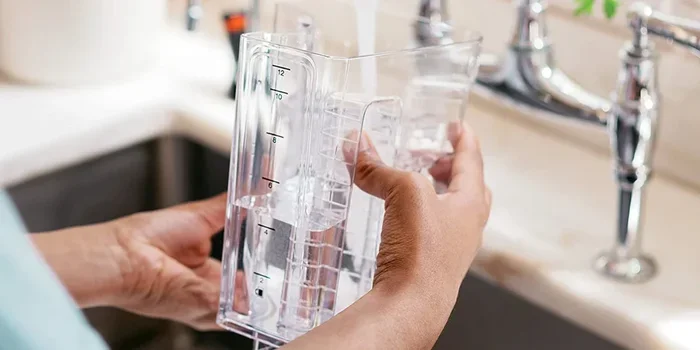
Start by removing any removable parts like the carafe, filter basket, and lid. Wash these with warm soapy water and let them dry completely. For the main body, wipe down the exterior with a damp cloth. If there is stubborn buildup inside the water reservoir, run a cycle with equal parts white vinegar and water, then follow with two plain water cycles. Let everything air dry before moving to the next step. If you want more thorough cleaning tips for kitchen appliances, you can explore resources like how to clean cosori air fryer toaster oven since similar cleaning methods apply across small kitchen machines.
Step 2: Decide Between Repair, Donate, Or Recycle
This is the most important decision in the entire process. Not every old coffee maker belongs in the recycling bin. Take a moment to evaluate your options honestly.
Repair: If the issue is minor, such as a faulty switch or a clogged tube, a simple fix might bring your machine back to life. Repair saves money and keeps usable appliances out of the waste stream. However, if replacement parts are expensive or hard to find, repair may not make sense.
Donate: A working coffee maker can bring joy to someone who does not have one. Local shelters, thrift stores, schools, and community centers often welcome small kitchen appliances. Call ahead to confirm they accept donations and ask about any requirements.
Recycle: When the machine is truly beyond saving, recycling is the best choice. Most recycling centers accept small appliances and properly separate the metals and plastics inside. This option ensures your coffee maker recycling has a real environmental benefit.
Step 3: Find The Right Disposal Option
Once you have decided on your path, finding the right venue is straightforward. Here are the most common and reliable options for coffee maker disposal.
Local recycling centers: Almost every city has a facility that accepts electronic waste. Search online for your nearest e-waste drop-off point. Many accept coffee makers for free, and some even pay scrap value for the metals inside.
Retailer take-back programs: Big box stores like Best Buy and Staples often run appliance recycling programs. You can drop off your old coffee maker when you purchase a new one, or sometimes just bring it in on any day.
Municipal e-waste events: Many communities host periodic collection events for electronic waste. Check your city or county website for upcoming dates. These events are free and ensure proper handling of all materials.
Online donation platforms: Websites like Freecycle, Buy Nothing groups, and local Facebook community pages let you give away working appliances to neighbors who need them.
Step 4: Prepare The Machine For Transport
Proper preparation prevents leaks, damage, and frustration during transport. Start by unplugging the machine and letting it cool completely. Remove any remaining water from the reservoir and let it dry upside down on a towel. Wrap the machine in a blanket or bubble wrap if you are transporting it in a car, especially if the car interior could be damaged by any residual moisture.
Place the coffee maker in a sturdy box if you are dropping it off at a recycling center. Label the box clearly as “e-waste” or “small appliance.” This small step helps recycling facility workers sort items efficiently and keeps everything running smoothly.
Step 5: Complete The Disposal And Document It
Once you have delivered your machine to the chosen facility, make sure you get a receipt or confirmation if possible. Some recycling centers provide documentation that proves you disposed of the item responsibly. This can be helpful for your records and sometimes even qualifies you for tax deductions if you donated the machine.
Take a moment to celebrate what you have accomplished. You just kept a significant piece of electronic waste out of a landfill and made a choice that benefits the environment. That is something worth feeling good about.
Can You Recycle A Coffee Maker For Money
Many people do not realize that their old coffee maker contains valuable metals that recyclers can recover. Copper wiring, aluminum housing, and steel components all have scrap value. While a single coffee maker will not make you rich, it can earn you a few dollars or store credit at certain facilities.
The coffee maker scrap value depends on the age, brand, and condition of the machine. Older models often contain more copper and brass, which are worth more at scrap yards. Newer machines tend to have more plastic components, which fetch lower prices. If you have several old appliances to recycle, the combined value adds up quickly.
To get the best return, call your local scrap yard ahead of time and ask about their pricing for small appliances. Some centers pay by weight, so separating metals from plastics before you arrive can increase your payout. Always choose a licensed and reputable recycling facility to ensure your materials are handled properly.
What Not To Do When Disposing Of A Coffee Maker
Just as important as knowing what to do is understanding what to avoid. Common mistakes can lead to environmental harm, wasted effort, or even legal trouble. Steering clear of these pitfalls ensures your disposal process stays safe and effective.
Do not throw it in the regular trash: Most municipal waste services prohibit dumping electronic appliances in household garbage. Coffee makers contain batteries, circuit boards, and other components that require special handling. Violating these rules can result in fines in some areas.
Do not leave it on the curb without a program: Leaving an appliance on the curb without an approved bulky waste pickup invites scavengers and creates neighborhood eyesores. It also means the machine likely will not be properly recycled.
Do not attempt to disassemble it yourself: Coffee makers contain small electrical components that can be dangerous to handle without proper tools and knowledge. Leave the disassembly to trained professionals at recycling facilities.
Do not assume all recycling centers accept the same items: Always call ahead and confirm that the facility you plan to visit accepts small kitchen appliances. Some centers only handle large appliances or specific types of e-waste.
Eco-Friendly Alternatives To Disposal
Before you commit to disposing of your coffee maker, consider whether any eco-friendly alternatives might work better for your situation. The goal is always to extend the useful life of an item before sending it to be recycled.
Upcycle it: Creative DIYers have turned old coffee makers into planters, lamp bases, and even mini terrariums. If the machine still works but you no longer need it, a little imagination can give it a second life as a unique home project.
Pass it to someone who needs it: A working coffee maker that feels outdated to you might be a treasure to a college student, a newlywed couple, or someone setting up a first apartment. Personal networks, community boards, and local social media groups are great places to find a new home for your machine.
Trade it in: Some manufacturers and retailers offer trade-in programs where you receive a discount on a new machine in exchange for your old one. This is a convenient way to upgrade while ensuring your old unit gets handled responsibly.
Expert Insights On Appliance Disposal Best Practices
We spoke with waste management professionals who shared their top tips for responsible appliance disposal. Their advice reinforces the importance of thinking carefully before throwing anything away.
Always check for local regulations first. E-waste rules vary by city, county, and state. What is legal in one area might not be in another. A quick phone call or website check can save you time and potential fines.
When in doubt, choose recycling over trash. Even if you are not sure a facility accepts coffee makers specifically, recycling centers are equipped to sort and process them correctly. Landfill disposal should always be the last resort, not the first option.
Consider the full lifecycle. Before purchasing a new coffee maker, think about how you will eventually dispose of it. Choosing brands with strong take-back programs and using machines for their full lifespan reduces your overall environmental footprint.
Key Takeaways
- Proper coffee maker disposal protects the environment: E-waste from small appliances harms soil and water when sent to landfills.
- Multiple disposal options exist: You can recycle, donate, repair, or upcycle your old machine depending on its condition.
- Always clean before disposal: A thorough cleaning prevents messes, pests, and makes recycling more efficient.
- Scrap metal has value: Coffee makers contain copper, aluminum, and steel that recycling centers can recover and pay for.
- Never throw coffee makers in regular trash: Improper disposal violates local regulations and harms the environment.
- Explore all alternatives first: Donation, trade-in, and upcycling can extend your machine’s useful life before recycling becomes necessary.
Frequently Asked Questions
Can I throw my old coffee maker in the regular trash?
In most areas, no. Coffee makers are classified as electronic waste and should not go in household garbage. Check your local waste management rules or contact your city’s e-waste program for proper disposal options. Many communities offer free drop-off locations specifically for small appliances like coffee makers.
How do I find a recycling center near me that accepts coffee makers?
Start by searching online for “e-waste recycling near me” or check your city or county government website. Retailers like Best Buy also accept small appliances for recycling regardless of where you purchased them. Calling ahead to confirm acceptance saves you a wasted trip and ensures the facility can handle your specific machine type.
Is it worth donating a broken coffee maker?
Generally, no. Most donation centers only accept working appliances. However, some organizations partner with repair programs that can fix broken machines for people in need. Call your local shelter, thrift store, or community center to ask about their specific policies before donating a non-working coffee maker.
What materials in a coffee maker can be recycled?
Coffee makers contain several recyclable materials including copper wiring, aluminum housing, steel components, and plastic parts. Recycling facilities separate these materials and send them to processors who turn them into raw materials for new products. This process reduces the need for mining new resources and saves significant energy.
Can I get money for recycling my old coffee maker?
Yes, it is possible. Scrap yards and recycling centers sometimes pay for the metals inside old coffee makers, especially copper and brass. The payout depends on the machine’s age, condition, and current scrap metal prices. While the amount is usually modest, it adds up if you recycle multiple appliances at once.
How do I know if my coffee maker should be repaired or replaced?
Consider the age of the machine, the cost of repair, and how often you use it. If repair costs exceed half the price of a new machine and your current one is over five years old, replacement is usually the smarter choice. However, if the issue is minor and the machine is relatively new, a repair can extend its life and save resources.
=== CONCLUSION ===
Disposing of an old coffee maker does not have to be stressful or harmful to the environment. By following the simple steps outlined in this guide, you can make a responsible choice that benefits both your community and the planet. Whether you choose to recycle, donate, or explore creative alternatives, every action counts toward reducing electronic waste and supporting a more sustainable future.
Take a moment today to evaluate that old coffee maker sitting on your counter or tucked away in a cabinet. Clean it up, explore your options, and take the next step toward responsible coffee maker disposal. Small actions like this create ripple effects that make a real difference. Share this guide with friends and family who might be facing the same decision, and together we can keep more appliances out of landfills and where they belong.