Can You Use Dutch Oven On Gas Stove For Better Cooking
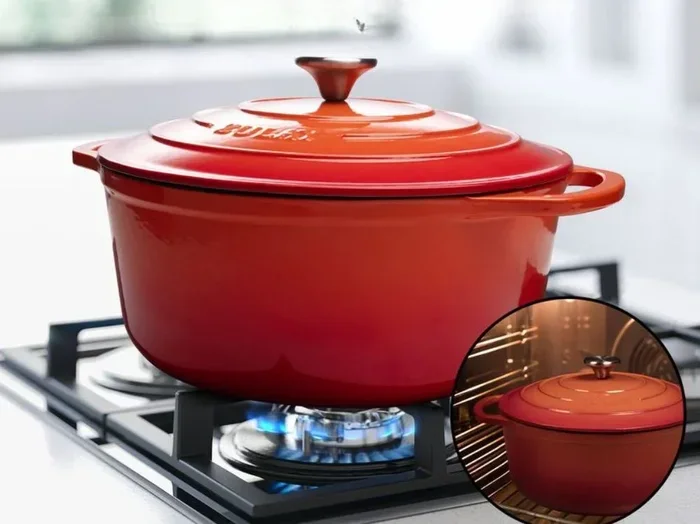
Yes, you can use a Dutch oven on a gas stove, and it is one of the best ways to get incredible results. A Dutch oven on gas offers excellent heat control and even cooking for soups, stews, and braises. This guide covers everything you need to know about using your Dutch oven safely and effectively on a gas burner. You will learn about the best types, proper techniques, common mistakes to avoid, and expert tips for better cooking every time.
Have you ever stood over your gas stove and wondered whether your Dutch oven is safe to use right on the burner? You are not alone. Many home cooks own a beautiful Dutch oven but feel unsure about using it on a gas stovetop. The good news is that you can use a Dutch oven on a gas stove, and doing so opens up a world of delicious possibilities.
Cooking with a Dutch oven on a gas stove gives you incredible heat retention and even warmth. Whether you are making a hearty beef stew, simmering a pot of chili, or searing a roast before it goes into the oven, a Dutch oven on gas delivers results that few other pots can match. This guide will walk you through everything you need to know, from choosing the right Dutch oven to mastering stovetop techniques that will level up your everyday cooking.
We will cover the types of Dutch ovens that work best on gas, safety tips, common mistakes, and expert advice that will help you get the most out of your cookware. By the end of this article, you will feel confident placing your Dutch oven on the gas burner and creating amazing meals with ease.
Key Takeaways
- Dutch ovens work great on gas stoves: They distribute heat evenly and retain warmth beautifully for slow cooking.
- Cast iron and enameled Dutch ovens are both safe: Just check the manufacturer’s guidelines for stovetop use.
- Use low to medium heat: Gas flames can be intense, so gentle heat prevents burning and warping.
- Preheat gradually: This reduces thermal shock and extends the life of your cookware.
- Season your cast iron Dutch oven regularly: It keeps the surface non-stick and prevents rust.
- Always use oven mitts: Dutch ovens get extremely hot on gas burners and in the oven.
- Gas stoves give you superior temperature control: This makes Dutch oven cooking on gas a joy for beginners and pros alike.
📑 Table of Contents
- Can You Use a Dutch Oven on a Gas Stove Safely?
- Benefits of Cooking with a Dutch Oven on a Gas Stove
- How to Use a Dutch Oven on a Gas Stove: Step by Step
- Best Dutch Oven Recipes for Gas Stovetop Cooking
- Common Mistakes to Avoid When Using a Dutch Oven on Gas
- Care and Maintenance Tips for Your Dutch Oven on Gas
- Expert Insights on Dutch Oven Cooking with Gas
- Comparison: Dutch Oven on Gas vs. Other Cooking Methods
- Safety Tips for Using a Dutch Oven on a Gas Stove
- Frequently Asked Questions
- Final Thoughts
Can You Use a Dutch Oven on a Gas Stove Safely?
The short answer is yes. Using a Dutch oven on a gas stove is safe and highly effective when done correctly. Most Dutch ovens are designed to handle direct heat from a burner. However, not all Dutch ovens are created equal, and knowing which type works best on gas will make a big difference in your cooking experience.
Gas stoves provide an open flame that heats the bottom and sides of your pot. This is actually ideal for Dutch ovens because they are heavy and thick, which means they absorb and distribute heat slowly and evenly. The key is to match your Dutch oven to the right burner size and use the correct heat setting.
Types of Dutch Ovens That Work on Gas Stoves
Not every Dutch oven is built the same way. Here are the most common types and how they perform on a gas burner:
- Cast Iron Dutch Oven: This is the classic choice. A bare cast iron Dutch oven heats slowly and holds heat for a long time. It works beautifully on gas stoves for searing, braising, and slow cooking. You do need to season it regularly to keep it in top shape.
- Enameled Cast Iron Dutch Oven: This type has a glass-like coating on the inside and outside. It does not need seasoning and is easier to clean. Most enameled Dutch ovens are safe for gas stovetop use, but always check the manufacturer’s instructions because some brands limit direct flame exposure.
- Aluminum Dutch Oven: These are lighter and heat up quickly. They are generally safe on gas stoves but may not retain heat as well as cast iron. They are a good option for quick stovetop meals.
- Ceramic Dutch Oven: These are decorative and great for serving. However, they are not always designed for direct stovetop use. Check the label before placing a ceramic Dutch oven on a gas burner.
Why Gas Stoves Are Great for Dutch Oven Cooking
Gas stoves and Dutch ovens are a natural pairing. Here is why:
- Instant heat control: You can turn the flame up or down immediately. This gives you precise temperature control, which is essential for Dutch oven recipes like braising and simmering.
- Even heat distribution: The open flame wraps around the bottom and sides of the pot, which helps a heavy Dutch oven heat more evenly than an electric coil might.
- High heat capability: Gas burners can reach very high temperatures quickly. This is perfect for searing meat before you switch to low heat for slow cooking.
- No hot spots: A good gas burner distributes flame evenly, reducing the risk of scorching your food on one side of the pot.
Benefits of Cooking with a Dutch Oven on a Gas Stove
Using a Dutch oven on a gas stove comes with many advantages that go beyond just safety. Once you start cooking this way, you may never go back to a regular pot.
Superior Heat Retention
A Dutch oven is heavy for a reason. The thick walls and tight-fitting lid trap heat inside, creating a self-basting environment. When you place it on a gas flame, the pot absorbs heat and holds it steady. This is perfect for dishes that need long, gentle cooking like pot roasts, soups, and slow-cooked curries.
Versatility Across Cooking Methods
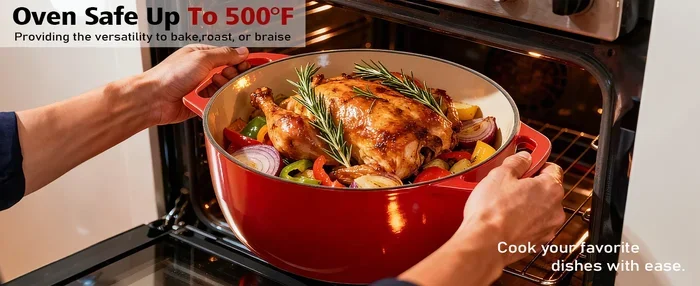
One of the biggest benefits of a Dutch oven on gas is versatility. You can start a dish on the stovetop and then move it straight into the oven. This works great for recipes like beef bourguignon or chicken cacciatore. You sear the meat on the gas burner, add your vegetables and liquids, and then transfer the whole pot to the oven. Few pots can do this.
Better Flavor Development
The heavy construction of a Dutch oven promotes Maillard reaction and caramelization. When you sear meat or sauté onions on a gas flame using a Dutch oven, you get deeper, richer flavors. The even heat prevents burning and gives you consistent browning across the entire surface of your food.
Energy Efficiency
Because a Dutch oven retains heat so well, you can often cook at lower gas flame settings. This saves energy and also prevents overcooking. The trapped heat inside the pot does a lot of the work for you, which means your gas burner does not need to run at full power the entire time.
How to Use a Dutch Oven on a Gas Stove: Step by Step
Now that you know the benefits, let us walk through the process of using your Dutch oven on a gas stove the right way. Following these steps will help you get the best results every time.
Step 1: Choose the Right Burner Size
Match your Dutch oven to a burner that is close to the same diameter as the pot base. Using a small burner under a large Dutch oven wastes heat and can cause uneven cooking. Using a large burner under a small pot can cause flame to lick up the sides, which may damage the enamel or scorch your food.
Step 2: Place the Dutch Oven on the Burner
Set your Dutch oven gently on the burner. Make sure it sits flat and stable. Do not slide it across the grate, as this can scratch the surface or cause spills. If you are using a cast iron Dutch oven, be aware that it will be very heavy, so use both hands or ask for help when moving it.
Step 3: Start with Low to Medium Heat
This is one of the most important tips. Gas flames can be fierce, and a Dutch oven holds heat intensely. Start with a low or medium setting and give the pot time to warm up. Rushing this step can cause food to burn on the bottom or create thermal shock in the material.
Step 4: Preheat Gradually
Let your Dutch oven warm up slowly. For searing, give it about 3 to 5 minutes on medium heat before adding oil or food. For simmering soups or stews, start on low and increase only if needed. Gradual preheating protects the pot and improves cooking results.
Step 5: Monitor the Heat
Keep an eye on your flame and adjust as you cook. Gas burners allow for quick changes, so use this to your advantage. If your stew is boiling too hard, lower the flame. If nothing is happening, nudge it up a little. A Dutch oven on gas responds quickly to these small adjustments.
Step 6: Use the Lid
The lid of a Dutch oven is designed to trap moisture and heat. Keep it on during simmering and braising to lock in flavor. If you want to reduce a sauce, remove the lid for the last 15 to 20 minutes of cooking.
Best Dutch Oven Recipes for Gas Stovetop Cooking
Ready to start cooking? Here are some fantastic recipes that shine when you use a Dutch oven on a gas stove.
Classic Beef Stew
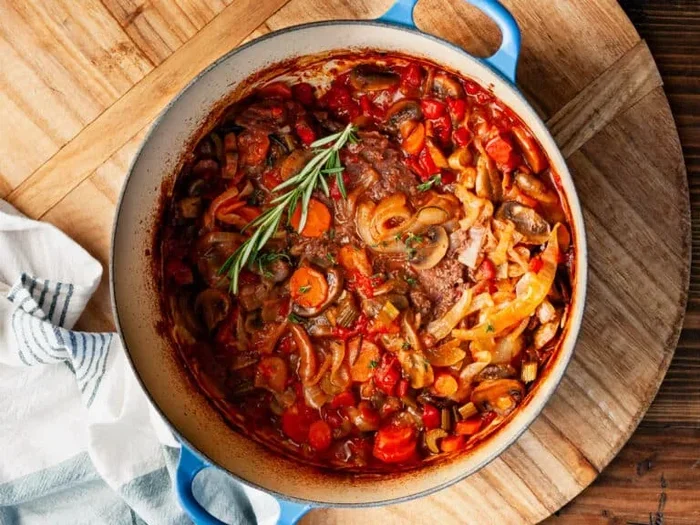
Sear beef chunks on the gas burner in your Dutch oven until they are deeply browned. Add onions, carrots, and celery, then pour in beef broth and a splash of red wine. Simmer on low heat for about 2 hours with the lid on. The result is a rich, tender stew that tastes like it simmered all day.
Gas Stove Risotto
Risotto is often made in a regular pan, but a Dutch oven on gas gives you even better results. The heavy pot keeps the temperature steady, which is exactly what risotto needs. Stir in your rice, add warm broth a ladle at a time, and keep the flame on low. You will get creamy, perfectly cooked risotto every time.
One-Pot Chicken and Dumplings
Brown chicken pieces on the gas stovetop in your Dutch oven. Add vegetables and chicken broth, then simmer until the chicken is cooked through. Drop in biscuit dough balls, cover with the lid, and let them steam until fluffy. This comfort food classic is perfect for a Dutch oven on gas.
Braised Short Ribs
Sear short ribs on high heat on your gas burner, then lower the flame and add aromatics, tomato paste, and red wine. Cover with the lid and braise on low for 3 to 4 hours. The Dutch oven traps all the flavor and creates melt-in-your-mouth meat.
Common Mistakes to Avoid When Using a Dutch Oven on Gas
Even experienced cooks make mistakes with Dutch ovens on gas stoves. Knowing what to avoid will save you time, money, and frustration.
Using Too High Heat
This is the number one mistake. A Dutch oven is designed for low and slow cooking. Cranking the gas flame to high can burn the bottom of your food and potentially warp the pot. Always start low and increase only if necessary.
Skipping the Preheat
Adding food to a cold Dutch oven can cause sticking and uneven cooking. Let the pot warm up gradually on the gas burner before you add oil or ingredients.
Using the Wrong Size Burner
As mentioned earlier, matching burner size to pot size matters. A mismatch wastes gas, creates hot spots, and can even damage your Dutch oven over time.
Moving the Pot Too Quickly
Do not slide a hot Dutch oven across the grate. This can scratch the surface, especially on enameled models. Lift it carefully and place it down gently.
Neglecting to Use a Heat Diffuser
If you have a thin-walled Dutch oven or a very powerful gas burner, a heat diffuser can help. It sits between the burner and the pot, spreading the flame out and preventing scorching. This is a simple tool that makes a big difference.
Care and Maintenance Tips for Your Dutch Oven on Gas
Taking care of your Dutch oven will make it last for decades and perform better every time you use it on your gas stove.
Cleaning After Every Use
Let your Dutch oven cool down before washing it. For cast iron models, avoid using soap if possible. Use hot water and a stiff brush to remove food residue. For enameled Dutch ovens, warm soapy water and a non-abrasive sponge work perfectly. Never put a hot Dutch oven under cold water, as this can cause thermal shock.
Seasoning Cast Iron Dutch Ovens
If you use a bare cast iron Dutch oven on your gas stove, seasoning it regularly is essential. After cleaning, apply a thin layer of oil and heat the pot on the gas burner for a few minutes. This creates a natural non-stick surface and protects against rust.
Storing Your Dutch Oven
Store your Dutch oven in a cool, dry place. If you stack it with other pots, place a cloth or paper towel between them to prevent scratching. For cast iron, make sure the pot is completely dry before storing to avoid moisture buildup.
Handling Gas Flame Issues
If you notice your gas burner flame is yellow or uneven, it may need cleaning or adjustment. A proper blue flame gives you the best heat distribution for Dutch oven cooking. A yellow or flickering flame can cause uneven heating and soot buildup on your pot.
Expert Insights on Dutch Oven Cooking with Gas
Professional chefs and experienced home cooks agree that a Dutch oven on a gas stove is one of the best combinations in any kitchen. Chef Thomas Keller has famously said that a Dutch oven is the most versatile piece of cookware a home cook can own. When paired with the instant heat control of a gas stove, you get precision and power in one tool.
Cooking experts also emphasize the importance of matching your Dutch oven to your cooking style. If you love slow-cooked meals, a heavy cast iron Dutch oven on gas is unbeatable. If you prefer quick weeknight dinners, an enameled Dutch oven lets you sear on the gas burner and then simmer without sticking.
The key takeaway from experts is this: do not be afraid to use your Dutch oven on the gas stove. It is built for this purpose. With a little practice and attention to heat levels, you will discover that stovetop Dutch oven cooking becomes second nature.
Comparison: Dutch Oven on Gas vs. Other Cooking Methods
To help you understand why Dutch oven cooking on gas is so effective, here is a quick comparison with other common cooking methods.
| Method | Heat Control | Evenness | Best For | Dutch Oven Compatible? |
|---|---|---|---|---|
| Gas Stove | Excellent | Very Even | Searing, simmering, braising | Yes |
| Electric Coil | Fair | Moderate | Boiling, simmering | Yes, but slower response |
| Induction | Excellent | Very Even | Searing, simmering | Yes, requires magnetic base |
| Oven Only | Good | Very Even | Baking, roasting | Yes, but no stovetop searing |
| Open Fire | Variable | Uneven | Camping, outdoor cooking | Yes, with care |
As you can see, gas stoves offer the best balance of control and evenness for Dutch oven cooking. The open flame gives you immediate feedback, and the heavy Dutch oven absorbs that heat beautifully.
Safety Tips for Using a Dutch Oven on a Gas Stove
Safety should always come first in the kitchen. Here are some important safety tips to keep in mind when you use your Dutch oven on a gas burner.
- Always use oven mitts: A Dutch oven on gas gets extremely hot. The handles, lid, and pot itself will all be very hot. Use thick, heat-resistant mitts every time you touch the pot.
- Keep handles turned inward: Turn the handles of your Dutch oven toward the back of the stove. This prevents accidental bumps and spills, especially if you have children or pets nearby.
- Never leave it unattended: Gas flames can flare up, and a heavy pot can boil over quickly. Stay in the kitchen while your Dutch oven is on the burner.
- Check for gas leaks: Before you start cooking, make sure there are no gas leaks. A simple smell test or soapy water check on the connections can keep you safe.
- Ventilate your kitchen: Gas burners produce combustion byproducts. Make sure your range hood is on or a window is open for proper ventilation while cooking.
- Let the pot cool before washing: Pouring cold water into a hot Dutch oven can cause cracking, especially with cast iron. Always let it cool to room temperature first.
Frequently Asked Questions
Can You Use a Dutch Oven on a Gas Stove?
Yes, absolutely. Using a Dutch oven on a gas stove is safe and highly effective. Both cast iron and enameled Dutch ovens work well on gas burners. Just make sure to match the burner size to the pot, use low to medium heat, and preheat gradually for the best results.
What Type of Dutch Oven Works Best on a Gas Stove?
Cast iron Dutch ovens and enameled cast iron Dutch ovens are the best choices for gas stove cooking. They are heavy, retain heat well, and distribute warmth evenly. Avoid ceramic or decorative Dutch ovens unless they are specifically labeled as stovetop-safe.
Can You Sear Meat in a Dutch Oven on a Gas Stove?
Yes, searing meat in a Dutch oven on a gas stove is one of the best ways to get a deep, flavorful crust. Use medium-high heat, add a small amount of oil, and place the meat in the pot without moving it for a few minutes. Then flip and repeat on all sides before lowering the heat for braising or simmering.
Is It Safe to Move a Dutch Oven from a Gas Stove to the Oven?
Most Dutch ovens are designed to go from stovetop to oven safely. However, always check the manufacturer’s guidelines, especially for enameled models. The lid handle and any plastic or wooden knobs may have temperature limits that you need to be aware of.
How Do You Prevent a Dutch Oven from Scratching a Gas Stove?
To prevent scratching, always lift your Dutch oven instead of sliding it across the grate. Place it down gently and avoid dragging it. If you have a glass or ceramic cooktop on your gas range, use extra care and consider using a heat diffuser for added protection.
How Often Should You Season a Cast Iron Dutch Oven Used on Gas?
If you use your cast iron Dutch oven on a gas stove regularly, seasoning it every 4 to 6 weeks is a good practice. If you notice food sticking or the surface looking dull, it is time to re-season. Apply a thin layer of vegetable oil, heat it on the gas burner for 10 minutes, and let it cool before storing.
Final Thoughts
Using a Dutch oven on a gas stove is one of the simplest and most rewarding ways to elevate your home cooking. The combination of a heavy, well-made Dutch oven and the instant heat control of a gas burner gives you the power to create restaurant-quality meals right in your own kitchen.
Whether you are making a comforting beef stew, a rich braise, or a creamy risotto, your Dutch oven on gas will deliver consistent, delicious results every time. Remember to start with low to medium heat, preheat gradually, match your burner size to your pot, and always practice kitchen safety.
Take the time to explore different recipes and techniques. Once you get comfortable with your Dutch oven on the gas stove, you will wonder how you ever cooked without it. The versatility, heat retention, and flavor development that come from this pairing are truly unmatched. So go ahead, fire up your gas burner, place your Dutch oven on it, and start creating meals that will impress everyone at your table.