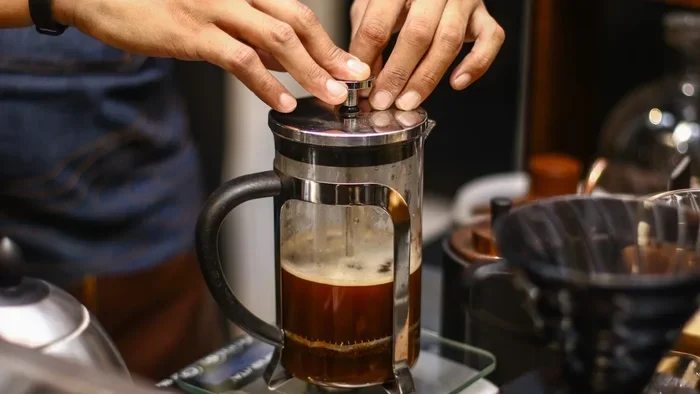
Does Steeping Coffee Longer Really Make It Stronger
Does steeping coffee longer make it stronger? The answer is more complicated than you might think. While longer steeping does increase extraction, it can also lead to bitter, over-extracted coffee that tastes worse. Understanding the balance between brew time and flavor is the key to a great cup. This guide breaks down the science, myths, and practical tips so you can master your coffee steeping time with confidence.
Key Takeaways
- Longer steeping does not always mean stronger coffee: Over-extraction creates bitterness and ruins flavor.
- Water temperature matters just as much as time: Too hot or too cold water affects extraction quality.
- Grind size plays a huge role: Finer grinds extract faster, so steeping time must adjust accordingly.
- The ideal steeping window is 4 to 5 minutes: This range works for most hot brewing methods.
- Cold brew is a different game: It uses long steeping times but low temperatures for smooth, less acidic results.
- Coffee-to-water ratio is critical: Getting the proportions right matters more than steeping longer.
- Experiment to find your perfect cup: Small changes in time, temperature, and grind make a big difference.
📑 Table of Contents
Does Steeping Coffee Longer Really Make It Stronger?
You have probably heard the advice: “Let it sit longer, and it will be stronger.” Maybe you have left your French press on the counter for ten minutes just to see what happens. Or perhaps you wondered if an extra minute or two of steeping would give you that bold kick you crave.
The truth is, does steeping coffee longer make it stronger is a question with a nuanced answer. Yes, longer steeping pulls more compounds from the grounds. But there is a tipping point. Go past it, and your coffee turns bitter, harsh, and unpleasant. Understanding coffee extraction is the first step toward brewing the perfect cup every single time.
In this article, we will explore the science behind steeping, debunk common myths, and give you practical tips to control your brew strength. Whether you use a French press, a drip machine, or a simple mason jar, this guide has you covered. Let us dive in and find out what really happens when you steep your coffee longer.
What Does It Mean to Steep Coffee?
Steeping coffee means soaking ground coffee beans in hot water. During this process, water extracts flavors, oils, acids, and caffeine from the grounds. This is called coffee extraction. The longer the water stays in contact with the grounds, the more compounds it pulls out.
Think of it like making tea. A tea bag steeped for two minutes tastes light and mild. Steep it for ten minutes, and it becomes dark and bitter. Coffee works the same way. The difference is that coffee has hundreds of compounds that extract at different rates, which makes the process more complex.
Several factors control how fast and how much extraction happens:
- Water temperature – Hotter water extracts faster.
- Grind size – Finer grinds expose more surface area.
- Coffee-to-water ratio – More grounds mean more flavor available.
- Agitation – Stirring speeds up extraction.
- Steeping time – Longer contact time pulls more compounds.
All of these work together. Changing just one variable affects the final result. This is why simply steeping longer does not guarantee a stronger or better cup of coffee.
The Science Behind Coffee Extraction
To understand does steeping coffee longer make it stronger, you need to know what happens during extraction. Coffee contains many soluble compounds. Some dissolve quickly, while others take more time.
What Gets Extracted First?
The first compounds to dissolve are acids and fruity, bright flavors. These give coffee its initial complexity. Next come sugars and caramel-like sweetness. Then come heavier compounds that add body and bitterness.
If you steep for too short a time, you get under-extracted coffee. It tastes sour, thin, and weak. If you steep too long, you get over-extracted coffee. It tastes harsh, bitter, and hollow. The sweet spot is called balanced extraction, and it is where the magic happens.
The Extraction Curve
Coffee extraction follows a curve. In the first 30 seconds, a small amount of flavor dissolves. Over the next few minutes, more compounds release steadily. After a certain point, the bitter compounds dominate. This is why timing matters so much.
Here is a simple breakdown of what happens at different steeping times:
- 0 to 1 minute: Light extraction. Sour and weak flavors dominate.
- 1 to 3 minutes: Moderate extraction. Sweet and balanced flavors emerge.
- 3 to 5 minutes: Optimal extraction for most methods. Full flavor with pleasant bitterness.
- 5 to 7 minutes: Risk of over-extraction. Bitterness starts to increase.
- 7+ minutes: Heavy over-extraction. Very bitter and unpleasant.
Notice that the strongest coffee does not come from the longest steep. It comes from the sweet spot where flavors are balanced and complete.
Does Steeping Coffee Longer Make It Stronger?
Now let us get to the heart of the question. Does steeping coffee longer make it stronger? The short answer is: it depends on what you mean by “stronger.”
If “stronger” means more caffeine, then yes, longer steeping does increase caffeine content. But only up to a point. Most caffeine extracts early in the process. After the first few minutes, the extra caffeine gained is minimal.
If “stronger” means more flavorful or more intense, the answer is more complicated. Longer steeping pulls out more total solids, but it also pulls out more bitter compounds. The result can be a cup that feels heavy but tastes harsh.
Here is an important distinction:
- Strength refers to the concentration of dissolved coffee solids in your cup.
- Intensity refers to the boldness and richness of flavor.
You can have a strong but balanced cup or a strong but bitter cup. The difference comes down to extraction quality, not just time. This is where many coffee lovers go wrong. They assume more time equals better coffee, but that is not always true.
How Time Affects Different Brewing Methods
Different brewing methods have different ideal steeping times. A French press typically needs about 4 minutes. Pour-over coffee flows through faster, so contact time is shorter. Cold brew, on the other hand, steeps for 12 to 24 hours but at cold temperatures, which changes everything.
Let us compare a few popular methods:
- French Press: 4 minutes steeping time. Full body, rich flavor.
- Pour Over: 2.5 to 4 minutes total brew time. Clean, bright cup.
- AeroPress: 1 to 2 minutes. Concentrated and smooth.
- Cold Brew: 12 to 24 hours. Smooth, low acidity, naturally sweet.
As you can see, longer is not always better. Each method has its own optimal window. The key is matching your steeping time to your brewing technique.
Some people wonder if using a faster appliance like an air fryer saves time compared to traditional brewing. While appliances can speed up cooking, coffee extraction is a different process entirely. Time and temperature must be balanced carefully for the best results.
How Long Should You Steep Coffee?
The ideal steeping time depends on your method, your grind size, and your personal taste. But there are some general guidelines that work for most people.
The 4-Minute Rule
For most hot brewing methods, 4 minutes is the sweet spot. This applies to French press, drip coffee, and pour-over. At 4 minutes, you get balanced extraction with pleasant flavor and moderate bitterness.
If you find your coffee too weak at 4 minutes, try one of these adjustments before adding more time:
- Use a finer grind size.
- Increase the amount of coffee grounds.
- Raise the water temperature slightly.
- Stir the grounds more during steeping.
These changes increase extraction without pushing you into over-extracted territory. They are much more effective than simply letting your coffee sit longer.
Adjusting for Your Taste
Some people like their coffee bold and intense. Others prefer a lighter, more delicate cup. Here is how to adjust your steeping time based on preference:
- For a bolder cup: Add 30 seconds to your steeping time. Try 4 minutes and 30 seconds.
- For a smoother cup: Reduce steeping time by 30 seconds. Try 3 minutes and 30 seconds.
- For a brighter cup: Use slightly cooler water and steep for 3 minutes.
Small changes make a big difference. You do not need to steep for 10 minutes to get a bold cup. A simple tweak of 30 seconds can transform your coffee.
Cold Brew: The Exception to the Rule
Cold brew is the one method where long steeping times are actually desirable. Because cold water extracts compounds much more slowly, you need 12 to 24 hours to get a full-flavored cup. But even here, the result is different from hot-brewed coffee that has been left too long.
Cold brew produces a smooth, naturally sweet concentrate with low acidity. The long steeping time works because the low temperature prevents bitter compounds from dominating. This is a great example of how time and temperature work together to control extraction.
If you are curious about using a toaster oven for coffee-related recipes, you might enjoy learning how a toaster oven can be used for baking. The principles of controlled time and temperature apply to both coffee and cooking.
Common Mistakes When Steeping Coffee
Even experienced coffee drinkers make mistakes with steeping time. Here are the most common errors and how to avoid them.
Leaving Coffee to Steep Too Long
This is the number one mistake. People forget about their French press or leave grounds sitting in hot water for 10 or 15 minutes. By that point, the coffee is over-extracted and bitter. The flavors you wanted are gone, replaced by harsh, unpleasant notes.
If you are using a French press, pour your cup right after the 4-minute mark. Do not let the grounds keep sitting in the water. This one habit alone will dramatically improve your coffee.
Using Water That Is Too Hot
Boiling water (212°F or 100°C) is too hot for most brewing methods. It extracts bitter compounds too quickly and can scorch the grounds. The ideal temperature range is 195°F to 205°F (90°C to 96°C).
If you do not have a thermometer, let your boiling water rest for 30 seconds before pouring. This simple trick brings the temperature into the sweet spot.
Ignoring Grind Size
Using the wrong grind size for your method leads to problems no matter how long you steep. A fine grind in a French press creates sludge and over-extraction. A coarse grind in an AeroPress leads to under-extraction and weak coffee.
Match your grind size to your brewing method:
- French Press: Coarse grind, like sea salt.
- Pour Over: Medium grind, like sand.
- AeroPress: Fine to medium grind.
- Cold Brew: Coarse grind, like breadcrumbs.
Getting the grind right means you can focus on timing without worrying about uneven extraction.
Not Measuring Your Coffee and Water
Eyeballing your coffee and water leads to inconsistent results. A simple coffee-to-water ratio of 1:15 or 1:16 (one gram of coffee to 15 to 16 grams of water) works well for most methods. Use a kitchen scale for the best results.
When you measure consistently, you can control your brew strength through time and temperature instead of guessing.
Expert Tips for the Perfect Cup
Want to take your coffee brewing to the next level? Here are some expert tips that make a real difference.
Preheat Your Equipment
Cold equipment drops the water temperature too fast. Before you add your grounds, rinse your French press, mug, or dripper with hot water. This keeps the temperature stable during steeping and ensures consistent extraction.
Use Fresh, Quality Beans
Freshly roasted beans make a noticeable difference. Look for beans roasted within the last two to four weeks. Store them in an airtight container away from light and heat. Fresh coffee grounds extract more evenly and taste far better than stale ones.
Experiment Systematically
Do not just guess and hope for the best. Change one variable at a time. Try steeping for 3 minutes one day, 4 minutes the next, and 5 minutes the day after. Take notes. Taste the differences. Over time, you will find your personal perfect steeping time.
Some people enjoy exploring different brewing techniques and kitchen tools. For instance, if you are curious about other kitchen appliances, you might enjoy reading about how steam cleaning ovens work to understand the role of steam in cleaning and extraction processes.
Trust Your Taste Buds
No two people taste coffee the same way. What tastes perfect to one person might taste too strong or too weak to another. The best guide is your own palate. Brew a cup, taste it, and adjust from there.
If your coffee tastes bitter, shorten the steeping time. If it tastes sour or thin, extend it slightly or grind finer. Your taste buds are the best tool you have for dialing in the perfect brew.
Key Takeaways
- Longer steeping does not always mean stronger coffee: Over-extraction creates bitterness and ruins flavor.
- Water temperature matters just as much as time: Too hot or too cold water affects extraction quality.
- Grind size plays a huge role: Finer grinds extract faster, so steeping time must adjust accordingly.
- The ideal steeping window is 4 to 5 minutes: This range works for most hot brewing methods.
- Cold brew is a different game: It uses long steeping times but low temperatures for smooth, less acidic results.
- Coffee-to-water ratio is critical: Getting the proportions right matters more than steeping longer.
- Experiment to find your perfect cup: Small changes in time, temperature, and grind make a big difference.
Conclusion
So, does steeping coffee longer make it stronger? The answer is both yes and no. Longer steeping does extract more compounds, but it also risks pulling out the bitter flavors that ruin your cup. The real secret is not just time. It is the balance between time, temperature, grind size, and ratio.
Mastering coffee steeping is about understanding these variables and finding your personal sweet spot. Start with 4 minutes, use the right water temperature, and measure your coffee and water. From there, make small adjustments and trust your taste buds.
The next time you brew a cup, pay attention to the steeping time. You might be surprised at how much difference a simple change makes. Great coffee is not about extremes. It is about finding the balance that brings out the best in your beans.
Now that you know the truth about steeping time, go brew a cup and enjoy it. You have earned it.
Frequently Asked Questions
Can steeping coffee too long make it toxic?
No, steeping coffee too long will not make it toxic. However, over-extracted coffee can taste very bitter and unpleasant. The compounds released during over-extraction are safe to drink, but the flavor quality drops significantly.
Does cold brew take longer to steep because it is stronger?
Cold brew takes longer because cold water extracts compounds much more slowly than hot water. The result is a smooth, low-acidity concentrate, but it is not necessarily stronger in caffeine or flavor intensity than hot-brewed coffee. Dilution before drinking is typical.
How does grind size affect steeping time?
Finer grinds have more surface area and extract faster. This means you need less steeping time with a fine grind. Coarser grinds extract more slowly and may need a slightly longer steeping time to reach balanced extraction.
Is it okay to re-steep coffee grounds?
Yes, re-steeping coffee grounds is possible and common in some cultures. The second steep produces a weaker, milder cup. Some people enjoy it for a lighter flavor profile. The extraction is incomplete the first time, so additional flavor remains.
What happens if I steep coffee at room temperature?
Steeping coffee at room temperature slows extraction significantly. You will need much longer steeping times, often several hours, to achieve a full-flavored cup. This method is similar to cold brew and produces a smooth, less acidic result.
Can I use a microwave to heat water for steeping coffee?
Yes, you can use a microwave to heat water for steeping coffee. However, microwaves heat water unevenly, so it is a good idea to stir the water before pouring it over your grounds. Aim for a temperature between 195°F and 205°F for the best extraction.