How Many Watts Coffee Maker Uses to Brew Great Coffee
A standard drip coffee maker typically uses between 600 and 1200 watts to brew a full pot, while single-serve models run closer to 200 to 400 watts. Understanding coffee maker wattage helps you choose the right machine, manage electricity costs, and troubleshoot heating issues. Whether you brew a quick cup or a full carafe, power consumption varies based on machine type, size, and brewing method.
Have you ever wondered how many watts your coffee maker uses while brewing your morning cup? It is a simple question, but the answer opens the door to understanding your kitchen’s overall energy consumption. Whether you are a casual coffee drinker or someone who brews multiple pots a day, knowing your coffee maker wattage matters more than you might think.
The wattage of your machine affects everything from brewing speed to electricity bills. A drip coffee maker that pulls too few watts may brew weak, lukewarm coffee. One that pulls too many watts might spike your energy costs over time. In this guide, we break down the power needs of every type of coffee machine so you can brew smarter and save money.
We will cover everything from basic drip coffee maker watts to high-end espresso machines. You will also learn practical tips for reducing coffee maker power consumption without sacrificing taste. Let us dive in and explore the watts behind your favorite brew.
Key Takeaways
- Drip coffee makers typically use 600 to 1200 watts depending on carafe size and brew strength.
- Single-serve coffee makers like pod machines use 200 to 400 watts per cup.
- Espresso machines demand higher wattage, often 1000 to 1500 watts for proper extraction.
- Coffee maker electricity cost is surprisingly low, averaging just a few cents per brew.
- Energy efficient coffee makers can save money and reduce standby power waste.
- Brewing temperature plays a major role in how effectively your machine uses watts.
- Appliance troubleshooting starts with understanding your machine’s power rating.
📑 Table of Contents
- What Does Coffee Maker Wattage Mean?
- How Many Watts Does a Drip Coffee Maker Use?
- How Many Watts Does a Single-Serve Coffee Maker Use?
- How Many Watts Does an Espresso Machine Use?
- How Much Electricity Does a Coffee Maker Actually Cost?
- How to Choose the Right Wattage for Your Needs
- Tips to Reduce Coffee Maker Energy Use
- Final Thoughts on Coffee Maker Wattage
What Does Coffee Maker Wattage Mean?
Wattage is simply a measure of how much electrical power a device uses. When you see a label on your machine that says “1200W,” that means it draws 1200 watts of electricity while running. This number tells you how fast the machine converts electrical energy into heat to warm your water.
Not all coffee maker power ratings are the same. A small single-serve pod machine needs far less energy than a large 12-cup drip brewer. Understanding this basic concept helps you make better buying decisions and manage your kitchen appliance wattage more effectively.
Why Wattage Matters for Brewing
The wattage of your machine directly impacts the brewing temperature it can reach. Coffee extracts best between 195 and 205 degrees Fahrenheit. If your machine does not have enough wattage to heat water to this range, your coffee will taste flat or sour. On the other hand, a machine with sufficient watts heats water quickly and maintains a steady temperature throughout the brew cycle.
Think of wattage like the engine of a car. A bigger engine gets you up to speed faster. Similarly, a higher-watt coffee maker heats water more quickly and delivers a more consistent brew. This is why coffee machine power consumption is not just about electricity bills, but also about the quality of your cup.
How Many Watts Does a Drip Coffee Maker Use?
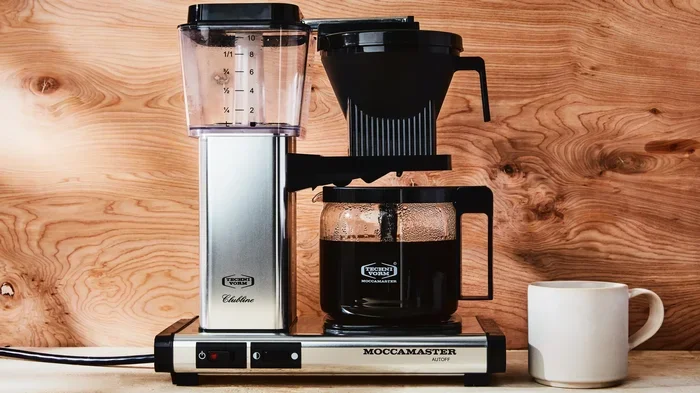
A standard drip coffee maker is the most common type found in homes and offices. These machines typically use between 600 and 1200 watts depending on their size and features. A basic 4-cup model might run at the lower end, while a full 12-copot carafe brewer can pull 1000 watts or more.
The heating element in a drip machine is responsible for most of the power draw. It heats the water in the reservoir and pushes it through the coffee grounds. The warmer the water and the faster it heats, the more watts the machine uses during the brewing phase.
Wattage by Carafe Size
Here is a simple breakdown of typical drip coffee maker watts by carafe size:
- 4-cup drip maker: 600 to 800 watts
- 8-cup drip maker: 800 to 1000 watts
- 10-cup drip maker: 900 to 1100 watts
- 12-cup drip maker: 1000 to 1200 watts
These numbers are averages and can vary by brand and model. Machines with additional features like programmable timers, hot plates, or strength controls may draw slightly more power. If you are curious about your specific machine, check the label on the bottom or back of the unit for its rated wattage.
How Many Watts Does a Single-Serve Coffee Maker Use?
Single-serve coffee makers like pod machines have become incredibly popular. They brew one cup at a time, which makes them convenient and efficient. Most single-serve models use between 200 and 400 watts per brew cycle. This is significantly less than a full drip machine.
Because they heat a much smaller amount of water, these machines require far less energy. A single cup of coffee from a pod machine costs just a fraction of a cent in electricity. Over a year of daily brewing, the coffee maker electricity cost remains very low for single-serve users.
Single-Serve vs. Drip: Energy Comparison
When comparing coffee maker wattage across machine types, the difference is clear. A single-serve machine uses about one-third to one-half the power of a drip brewer. However, if you brew multiple cups a day, you might find yourself running the single-serve machine more often, which can add up.
Here is a quick comparison of common scenarios:
- One cup per day from a single-serve machine: about 300 watts per brew
- One full pot per day from a 12-cup drip maker: about 1100 watts per brew
- Two cups per day from a single-serve machine: about 600 watts total
The takeaway is simple. If you only need one or two cups a day, a single-serve machine is more energy efficient. If you brew a full pot for the whole household, a drip machine is still the better choice for overall power consumption.
How Many Watts Does an Espresso Machine Use?
Espresso machines are a different beast entirely. They require higher brewing temperature and pressure to extract coffee properly. Most home espresso machines use between 1000 and 1500 watts. Some commercial-grade models go even higher.
The high wattage is necessary because espresso machines must heat water to a precise temperature and then force it through finely ground coffee at high pressure. This process demands a lot of energy in a short time. The result is a rich, concentrated shot of coffee that you simply cannot replicate with a low-watt machine.
Types of Espresso Machines and Their Power Draw
Not all espresso machines are the same when it comes to coffee maker power rating. Here is a quick look at the different types:
- Manual lever machines: 800 to 1200 watts. These rely on the user to apply pressure, so the heating element does most of the work.
- Semi-automatic machines: 1000 to 1400 watts. These offer more control and use more power for consistent temperature.
- Automatic and super-automatic machines: 1200 to 1500 watts. These grind, tamp, and brew automatically, requiring significant energy.
If you are an espresso lover, understanding your machine’s watts per coffee maker helps you plan your kitchen’s electrical setup. You do not want a 1500-watt machine tripping a circuit breaker every morning.
How Much Electricity Does a Coffee Maker Actually Cost?
The coffee maker electricity cost is one of the lowest of any kitchen appliance. To calculate your cost, you need two numbers: the wattage of your machine and your local electricity rate per kilowatt-hour (kWh).
Here is a simple formula: Watts divided by 1000, multiplied by hours of use, multiplied by your electricity rate. For example, a 1000-watt drip maker that runs for 10 minutes (0.17 hours) at $0.13 per kWh costs about 2.2 cents per brew. That is less than a penny per cup if you make a full pot.
Over a full year of daily brewing, a standard drip coffee maker might cost you between $5 and $15 in electricity. A single-serve machine costs even less. This makes coffee making one of the most affordable indulgences in any kitchen.
Standby Power: The Hidden Cost
Here is something many people overlook. Even when your machine is not brewing, it may still draw power if it is plugged in. This is called standby power or phantom load. Coffee makers with digital clocks, warming plates, or programmable features continue to use electricity even when idle.
To minimize this hidden cost, unplug your machine when not in use, or use a smart power strip that cuts power to idle devices. This small habit can reduce your coffee maker energy usage by a small but meaningful amount over time.
How to Choose the Right Wattage for Your Needs
Choosing the right coffee maker wattage depends on your brewing habits, household size, and priorities. Here are some factors to consider before you buy.
Consider Your Daily Brewing Volume
If you brew one or two cups a day, a single-serve coffee maker with 200 to 400 watts is perfect. It uses minimal energy and heats water quickly. If you brew a full pot for a family, look for a drip machine in the 800 to 1200-watt range for the best balance of speed and quality.
Think About Energy Efficiency
An energy efficient coffee maker does not just save watts. It also heats water more precisely, which means better-tasting coffee. Look for machines with thermal carafes instead of glass pots with hot plates. Thermal carafes keep coffee warm without using extra electricity, which reduces coffee maker power consumption significantly.
Check Your Kitchen’s Electrical Capacity
Most kitchen outlets are rated for 15 amps at 120 volts, which equals 1800 watts of capacity. A 1200-watt drip maker is fine on its own. But if you run a toaster and microwave on the same circuit, you might trip the breaker. Always check your coffee maker circuit breaker rating before running multiple high-watt appliances at once.
Tips to Reduce Coffee Maker Energy Use
Saving energy with your coffee maker is easier than you think. These simple tips can lower your coffee maker electricity cost and make your brewing routine more efficient.
- Brew only what you need. A full pot that sits on a hot plate wastes energy. Use a thermal carafe instead to keep coffee warm without extra power.
- Unplug when not in use. Standby power adds up over weeks and months. A simple unplugging habit makes a difference.
- Use the right temperature. If your machine has a temperature setting, avoid overheating the water. This wastes watts and can scorch your coffee.
- Descale regularly. Mineral buildup forces your machine to work harder and use more energy. Clean your machine every one to three months.
- Choose a machine with an auto-off feature. This shuts down the heating element after a set time, saving energy and improving safety.
For broader kitchen appliance energy management, understanding how different devices work together helps. If you ever need to troubleshoot why your oven is not heating the way it should, checking for proper voltage and circuit load is a great first step. Similarly, when your coffee maker takes too long to brew, it might be drawing fewer watts than it should due to a worn heating element.
Another useful comparison is how different appliances manage temperature. Just as you might check if your oven is not heating properly when food comes out undercooked, the same logic applies to your coffee maker. If your brew is weak or lukewarm, the heating element may not be drawing its full rated wattage.
Temperature accuracy matters across all kitchen appliances. If you have ever wondered about the inner workings of your oven’s heating system, learning more about oven temperature calibration gives you a better sense of how appliances use energy to maintain the right heat level.
Finally, for those who care about the full picture of kitchen energy use, knowing how to manage and maintain your appliances properly pays off. A well-maintained coffee maker brews better coffee and uses energy more efficiently, just like any other trusted kitchen tool.
Final Thoughts on Coffee Maker Wattage
Understanding how many watts your coffee maker uses is one of the simplest ways to become a smarter coffee drinker and a more energy-conscious homeowner. From the 200 watts of a compact single-serve pod machine to the 1500 watts of a full espresso setup, every machine has its own power profile that matches its brewing style.
The good news is that coffee makers are among the most affordable appliances to run. Even if you brew multiple cups every day, the electricity cost is minimal. What matters more is choosing the right machine for your needs, maintaining it properly, and using it efficiently.
Next time you brew your morning cup, take a moment to appreciate the watts at work. They are turning simple water and grounds into the drink that starts your day. And now you know exactly how much power it takes to make that magic happen.
Frequently Asked Questions
How many watts does a standard drip coffee maker use?
A standard drip coffee maker typically uses between 600 and 1200 watts depending on the carafe size. Smaller 4-cup models run closer to 600 watts, while full 12-cup brewers can pull 1000 to 1200 watts during the brewing cycle.
Is a single-serve coffee maker more energy efficient than a drip machine?
Yes, a single-serve coffee maker uses between 200 and 400 watts per brew, which is much less than a drip machine. If you only need one or two cups a day, a pod machine is the more energy-efficient choice for your kitchen.
How much does it cost to run a coffee maker per month?
The monthly cost is very low. A drip coffee maker brewing once a day costs roughly $1 to $3 per month in electricity. Single-serve machines cost even less. The exact amount depends on your local electricity rate and how often you brew.
Can a coffee maker trip a circuit breaker?
Yes, if your coffee maker shares a circuit with other high-watt appliances like a toaster or microwave, it could trip the breaker. Most coffee makers use 600 to 1200 watts, so check your circuit rating before running multiple appliances on the same outlet.
Does unplugging a coffee maker save electricity?
Yes, unplugging your coffee maker when not in use eliminates standby power draw. Many machines with digital clocks or warming plates continue to use a small amount of electricity even when not brewing. Unplugging is an easy way to reduce wasted energy.
What wattage is best for brewing great-tasting coffee?
For drip coffee makers, 800 to 1200 watts is ideal for heating water to the optimal brewing temperature of 195 to 205 degrees Fahrenheit. Espresso machines need 1000 to 1500 watts to reach the higher pressures and temperatures required for proper extraction.