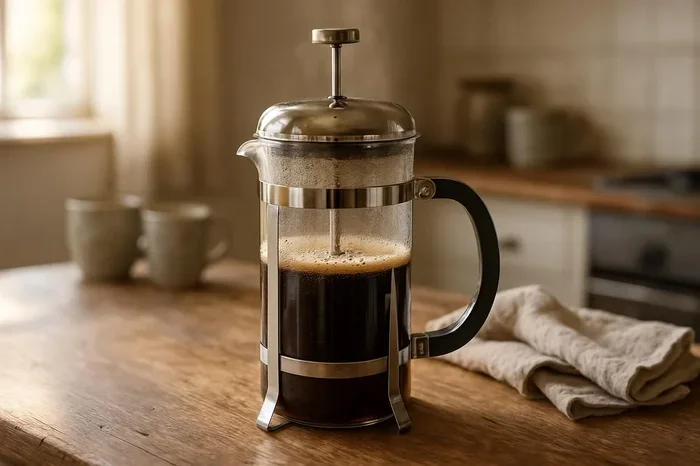
How To Make The Perfect French Press Coffee At Home
Making French press coffee at home is easy, affordable, and incredibly rewarding. This guide walks you through everything you need to know, from choosing the right beans to mastering the steeping time. You will learn the perfect coffee-to-water ratio, common mistakes to avoid, and pro tips for a rich, bold cup every single time.
There is nothing quite like a hot cup of French press coffee first thing in the morning. The rich, full-bodied flavor and the comforting aroma fill your kitchen in seconds. Unlike drip machines or pod brewers, a French press gives you complete control over every part of the process.
If you have been wondering how to make French press coffee that tastes as good as what you get at a café, you are in the right place. This guide covers everything from the gear you need to the exact steps for a perfect brew. Whether you are a total beginner or a coffee lover looking to refine your technique, you will find something useful here.
The beauty of brewing coffee with a French press lies in its simplicity. There are no fancy gadgets, no paper filters, and no complicated settings. Just good coffee, hot water, and a little patience. Let us dive in and make your morning cup something special.
Key Takeaways
- Use coarse grounds: A coarse grind prevents over-extraction and keeps your coffee smooth and grit-free.
- Stick to the 1:15 ratio: One part coffee to fifteen parts water is the sweet spot for a balanced brew.
- Water temperature matters: Heat your water to 195-205°F for the best extraction without burning the grounds.
- Steep for exactly four minutes: Timing is key to getting bold flavor without bitterness.
- Clean your press after every use: Regular cleaning keeps your coffee tasting fresh and extends the life of your French press.
- Experiment with beans and ratios: Once you master the basics, tweak the variables to find your personal perfect cup.
📑 Table of Contents
What Is a French Press and Why It Makes Great Coffee
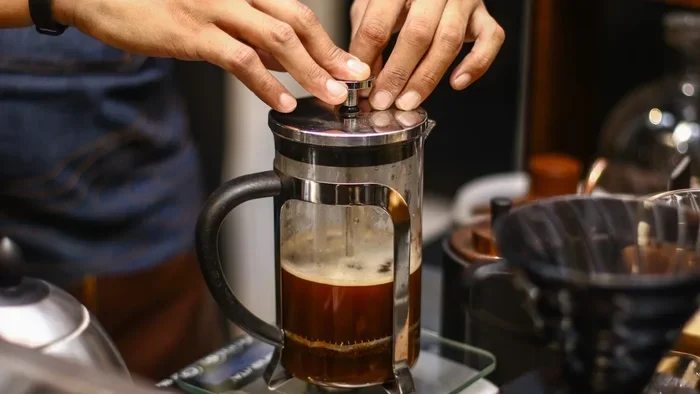
A French press is a simple coffee brewing device that uses immersion to extract flavor from ground coffee beans. It consists of a glass or stainless steel carafe, a plunger, and a mesh filter. You add ground coffee, pour hot water over it, let it sit for a few minutes, and then press the plunger down slowly.
This method is called immersion brewing because the coffee grounds sit fully submerged in water. This allows for a more complete extraction of oils and flavors compared to drip coffee makers, which use paper filters that absorb some of the natural oils.
How a French Press Works
The science behind French press coffee is straightforward. Hot water dissolves soluble compounds from the coffee grounds, creating a rich and concentrated brew. The mesh filter catches the grounds while letting the liquid and oils pass through. The result is a cup that feels heavier, smoother, and more flavorful than most other brewing methods.
Because there is no paper filter, you keep all the natural oils and fine particles in your cup. This gives French press coffee its signature bold and full body. It is this richness that makes the French press a favorite among coffee enthusiasts around the world.
Benefits of Using a French Press
There are many reasons to make homemade coffee with a French press. Here are some of the top benefits:
- Rich, bold flavor: The immersion method extracts more oils, giving you a deeper taste profile.
- Easy to use: No electricity, no timers, no complicated buttons. Just add, wait, and press.
- Affordable: A good French press costs far less than most coffee machines.
- Portable: You can use a French press anywhere, even without a power outlet.
- Eco-friendly: No paper filters or single-use pods are needed.
- Customizable: You control the grind size, water temperature, steeping time, and ratio.
What You Need to Make French Press Coffee
Before you start brewing, gather a few simple items. You do not need much, and everything you need is easy to find at any grocery store or kitchen shop.
Choosing the Right Coffee Beans
The foundation of great French press coffee starts with the beans. You want to use fresh coffee beans that have been roasted within the last two to four weeks. Fresh beans have more flavor and aroma, which makes a huge difference in your cup.
For the best results, choose a medium or dark roast. These roasts bring out the chocolatey, nutty, and smoky notes that pair so well with the French press method. You can also try single-origin beans if you want to explore different flavor profiles.
Always buy whole beans and grind them just before brewing. Pre-ground coffee loses its flavor quickly, sometimes within hours of being ground. Investing in a simple burr grinder will take your brewing coffee game to the next level.
The Right Water for Your Brew
Water makes up over 98% of your cup of coffee, so its quality matters a lot. Use filtered or spring water for the cleanest taste. Avoid distilled water, as it can taste flat and lifeless. Also, make sure your water is fresh and has not been sitting in the kettle for too long.
Essential Equipment
Here is a quick list of what you need to get started with French press coffee:
- A French press (glass or stainless steel, 34 oz or larger)
- A burr grinder for consistent coarse grind coffee
- A kitchen scale for accurate measurements
- A kettle that can heat water to the right temperature
- A timer or your phone
- A wooden or plastic spoon for stirring
The Perfect French Press Coffee Recipe
Now let us get to the fun part. This step-by-step guide will show you exactly how to make French press coffee that tastes amazing every time. Follow these steps closely, and you will notice the difference right away.
Step-by-Step Brewing Guide
Step 1: Measure Your Coffee. Use a kitchen scale to weigh out your coffee. For a standard 34 oz French press, use about 56 grams of coffee. This is roughly eight tablespoons. If you do not have a scale, a good rule of thumb is two heaping tablespoons per cup.
Step 2: Grind the Beans. Set your grinder to a coarse grind setting. The grounds should look similar to sea salt or breadcrumbs. A coarse grind is essential for French press coffee because fine grounds will slip through the mesh filter and make your coffee gritty and bitter.
Step 3: Heat the Water. Bring your water to a boil, then let it sit for about 30 seconds. You want the temperature between 195°F and 205°F. Boiling water can scorch the coffee grounds, leading to a burnt and bitter taste. If you do not have a thermometer, just let the water cool for half a minute after boiling.
Step 4: Add Coffee to the French Press. Put the ground coffee into the bottom of the press. Give it a gentle shake to level the grounds evenly. This helps ensure a uniform extraction.
Step 5: Pour the Water. Start pouring the hot water over the grounds slowly. Pour about one-third of the water first and let it sit for 30 seconds. This step, called the “bloom,” allows the coffee to release carbon dioxide and start the extraction process. After 30 seconds, pour the rest of the water in a steady, circular motion.
Step 6: Stir Gently. Use a wooden or plastic spoon to give the mixture one gentle stir. Do not use metal, as it can scratch the glass carafe. The stir helps all the grounds stay submerged and extract evenly.
Step 7: Place the Lid and Steep. Put the lid on the French press with the plunger pulled all the way up. Set a timer for four minutes. Do not press the plunger yet. Let the coffee steep undisturbed during this time.
Step 8: Press the Plunger. After four minutes, press the plunger down slowly and evenly. Use gentle, steady pressure. If you push too fast, the grounds will swirl up and make your coffee cloudy. A slow press gives you a clean, smooth cup.
Step 9: Serve Immediately. Pour the coffee into your mug right away. If you leave the coffee sitting in the French press, it will continue to extract and become over-bitter. Enjoy it while it is hot and fresh.
The Ideal Coffee to Water Ratio
The coffee to water ratio is one of the most important factors in making great French press coffee. The standard ratio is 1:15, which means one gram of coffee for every 15 grams of water. This produces a balanced cup that is neither too weak nor too strong.
Here is a quick reference table for different batch sizes:
- Single cup (12 oz): 8 grams of coffee to 120 ml of water
- Standard batch (34 oz): 56 grams of coffee to 850 ml of water
- Large batch (51 oz): 85 grams of coffee to 1,275 ml of water
Feel free to adjust the ratio to your taste. If you prefer a stronger cup, add more coffee. If you like it milder, use a little less. The beauty of brewing coffee at home is that you are in complete control.
Common Mistakes That Ruin French Press Coffee
Even with the best beans and equipment, small mistakes can ruin your cup. Here are the most common errors people make when making French press coffee and how to avoid them.
Using a Grind That Is Too Fine
This is the number one mistake. A fine grind will slip through the mesh filter and leave your coffee full of sediment. It will also over-extract quickly, making your brew taste harsh and bitter. Always use a coarse grind that looks like sea salt. If your coffee tastes gritty, your grind is probably too fine.
Water That Is Too Hot or Too Cold
Water temperature plays a big role in extraction. Boiling water (212°F) will burn the coffee and create a bitter taste. Water that is too cool (below 190°F) will under-extract, leaving your coffee weak and sour. Aim for the sweet spot between 195°F and 205°F. If you do not have a thermometer, let boiling water cool for about 30 seconds before pouring.
Steeping for Too Long or Too Short
Timing is everything. Steeping for less than three minutes will give you a weak, underdeveloped flavor. Steeping for more than five minutes will make the coffee bitter and over-extracted. Stick to the four-minute mark for the best balance of flavor and smoothness.
Not Cleaning Your French Press
Oil buildup from previous brews can go rancid and affect the taste of your next cup. Clean your French press after every use. Disassemble the plunger, wash all parts with warm soapy water, and rinse thoroughly. A clean press means a clean, fresh taste every time.
Tips for the Best Tasting French Press Coffee
Once you have the basics down, you can start experimenting to find your personal perfect cup. Here are some expert tips to elevate your French press coffee game.
Preheat Your French Press
Before you add any coffee or water, pour hot water into the empty French press and let it sit for one minute. This warms up the glass or steel and helps maintain a stable brewing temperature. After the minute, discard the water, add your grounds, and start brewing. This small step makes a noticeable difference in flavor.
Experiment with Brew Time
While four minutes is the standard, you can try different steeping times to find what you love best. Try three minutes for a lighter, brighter cup. Try five minutes for something bolder and more intense. Keep notes on what you like so you can repeat your perfect brew.
Try Different Coffee Origins
Not all beans are created equal in a French press. Ethiopian beans bring fruity and floral notes. Colombian beans offer caramel and nutty sweetness. Brazilian beans give you chocolate and toasted almond flavors. Rotating between origins keeps your morning routine exciting and helps you discover new favorites.
Pair Your Coffee with Fresh Bread
A great cup of French press coffee pairs wonderfully with warm, fresh bread. You can make simple bread without needing an oven or yeast to go alongside your morning brew. The combination of rich coffee and soft, warm bread is one of life’s simple pleasures.
Reheat Leftover Coffee Properly
If you have leftover brewed coffee, you can warm it up gently without ruining the flavor. Use your oven to reheat coffee on a low setting instead of microwaving it, which can create hot spots and alter the taste. This way, you can enjoy your brew even after it has cooled down.
Cleaning and Maintaining Your French Press
Taking care of your French press is essential for making great coffee every time. A well-maintained press lasts for years and keeps your coffee tasting fresh and clean.
After each use, disassemble the plunger and remove the grounds. Rinse all parts with warm water and mild dish soap. For a deeper clean, mix baking soda with water and let the parts soak for 15 minutes. This removes oil buildup that can go stale over time.
For the glass carafe, avoid using abrasive scrubbers that can scratch the surface. A soft sponge works best. If you notice any stubborn stains, a mixture of rice and water can act as a gentle abrasive when you swirl it inside the carafe.
Replace the mesh filter every few months. Over time, the filter can become worn or clogged, which affects the quality of your brew. A clean filter ensures that your coffee stays smooth and free of excess sediment.
When storing your French press, keep it in a dry place with the plunger pulled all the way up. This prevents the seal from getting compressed and losing its shape. Proper storage extends the life of your press and keeps it working like new.
Think of it the same way you would maintain any other kitchen tool. Just as you would carefully clean and maintain your air fryer toaster oven to keep it performing well, your French press deserves the same attention and care.
Conclusion
Making the perfect French press coffee at home is simpler than you might think. With the right beans, the correct grind size, the proper water temperature, and a little patience, you can brew a cup that rivals any coffee shop. The key is to pay attention to the details and enjoy the process.
Start with the basics: coarse grounds, a 1:15 ratio, water at 195-205°F, and a four-minute steep. Once you are comfortable with these, start experimenting. Try different beans, adjust the ratio, and play with the brew time. Every batch is a chance to learn something new and improve your technique.
The French press is more than just a coffee maker. It is a way to slow down, savor the moment, and enjoy something handmade. Your morning coffee ritual does not have to be complicated. With this guide, you have everything you need to make French press coffee that is rich, bold, and perfectly suited to your taste. So go ahead, grab your French press, and brew your best cup yet.
Frequently Asked Questions
What kind of coffee is best for a French press?
Medium to dark roast whole beans work best for French press coffee. They bring out rich, bold flavors that complement the immersion brewing method. Always use fresh coffee beans and grind them just before brewing for the best results.
How coarse should the grind be for French press?
The grind should be coarse, similar to sea salt or breadcrumbs. A coarse grind prevents over-extraction and keeps your coffee smooth without grit. If your coffee tastes bitter or gritty, your grind is likely too fine.
Can I reuse coffee grounds in a French press?
You can, but the second brew will be much weaker and less flavorful. The first extraction pulls out most of the good compounds. For the best tasting French press coffee, always use fresh grounds for each brew.
How long does French press coffee stay fresh?
Freshly brewed French press coffee tastes best when consumed immediately. If you need to store it, keep it in a separate container and drink it within 20 minutes. Leaving coffee in the press causes it to over-extract and become bitter.
Is French press coffee stronger than drip coffee?
Yes, French press coffee tends to be stronger and more full-bodied because the immersion method extracts more oils and flavors. There is no paper filter to absorb the natural oils, which gives it a richer and more robust taste compared to drip coffee.
Can I make cold brew with a French press?
Absolutely! You can make cold brew French press coffee by using cold or room temperature water and steeping the grounds for 12 to 24 hours in the refrigerator. This creates a smooth, concentrated coffee base perfect for iced coffee drinks.