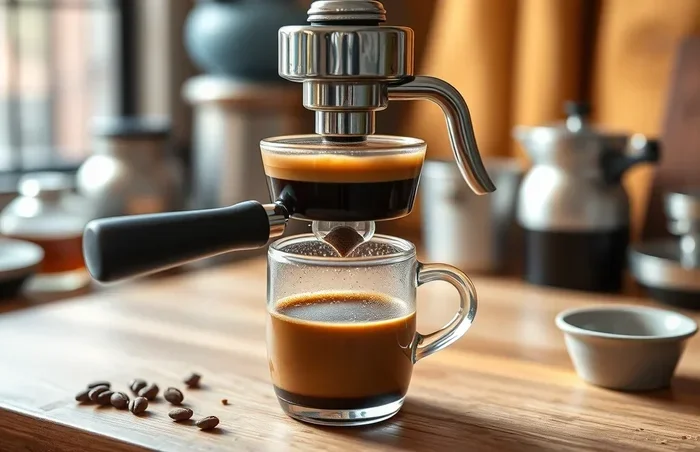
How To Make Authentic Cuban Coffee Like a Local Pro
Authentic Cuban coffee is a rich, sweet, and bold brew that brings a taste of Cuba to your kitchen. This guide walks you through everything you need to know, from choosing the right beans to mastering the traditional cafetera method. You will learn the step-by-step process, popular Cuban coffee styles, and expert tips that locals swear by.
There is something magical about a cup of authentic Cuban coffee. It is rich, sweet, and incredibly bold. For many people, it represents more than just a morning drink. It is a tradition, a culture, and a way of life. Cubans have been perfecting their coffee brewing methods for generations. The result is a cup that feels like a warm hug on a cool morning. Whether you are a coffee lover or just curious, learning to make traditional Cuban coffee at home is easier than you think.
The beauty of authentic Cuban coffee lies in its simplicity. You need very few ingredients. You need the right tools. And you need a little patience. This guide will show you exactly how to make Cuban espresso that tastes like it came straight from a Havana cafe. We will cover everything from the tools you need to the different styles you can try. By the end, you will be brewing like a local pro.
If you have never tasted traditional Cuban coffee before, you are in for a treat. It is sweeter than regular espresso. It is creamier. And it has a flavor profile that is truly unique. The key is in the preparation. Every step matters. From the type of beans you use to the way you brew them, each choice shapes the final cup. Let us dive in and explore the world of Cuban coffee culture together.
Key Takeaways
- Use a cafetera: The traditional Cuban coffee maker is essential for authentic flavor and the perfect espuma layer.
- Make sugar syrup: Creating espuma with sugar and a splash of coffee is the secret to that creamy Cuban top.
- Choose dark roast beans: Dark roast coffee gives Cuban espresso its bold, rich character that defines the drink.
- Try all the styles: From cortadito to colada, each Cuban coffee variation offers a unique taste experience.
- Avoid pre-ground coffee: Freshly ground beans make a huge difference in flavor and aroma for your brew.
- Prepare for the full experience: Pair your coffee with traditional Cuban pastries for an authentic morning ritual.
📑 Table of Contents
What Makes Authentic Cuban Coffee So Special
Authentic Cuban coffee stands out for several reasons. First, it uses a specific brewing method that has been passed down through families for decades. Second, the coffee grounds are ground very fine, much finer than what you would use for a drip coffee maker. Third, the addition of sugar creates a unique sweet foam called espuma. This foam is what gives Cuban espresso its signature look and taste.
The Role of the Cafetera
The cafetera is the heart of traditional Cuban coffee making. It is a stovetop coffee maker that looks similar to a moka pot. However, the cafetera has its own unique design. It typically has a bottom chamber for water, a middle basket for coffee grounds, and a top chamber where the brewed coffee collects. The pressure from the boiling water forces the coffee up through the grounds and into the top section.
Using a Cuban coffee maker is not complicated. But it does require attention. You need to watch the heat level. You need to time the brewing process. And you need to know when to remove it from the stove. These small details make a big difference in the final cup. Many Cuban families own the same cafetera for years. It becomes a trusted kitchen companion. The cafetera is more than just a tool. It is a symbol of Cuban coffee culture and family tradition.
Why Dark Roast Coffee Matters
Dark roast coffee is the standard for authentic Cuban coffee. The dark roast brings out deep, bold flavors. It also creates a richer crema on top. When you use dark roast beans, you get that classic Cuban taste that is so recognizable. The beans are usually ground to a very fine consistency, almost like powdered sugar. This fine grind allows for maximum extraction during the brewing process.
If you can only find medium roast beans, do not worry. You can still make great Cuban espresso. But the flavor will be slightly different. Dark roast is the traditional choice for a reason. It delivers the bold, intense taste that Cuban coffee culture is known for. Look for brands that specialize in Latin American or espresso blends for the best results. Fresh beans from a local roaster will give you the most authentic flavor profile.
Essential Tools and Ingredients You Need
Making authentic Cuban coffee at home requires just a few key items. You do not need expensive equipment. You do not need a fancy espresso machine. What you need is simple and easy to find. Here is everything you will need to get started with your Cuban coffee recipe.
Tools for Brewing
- A cafetera: This is the most important tool. You can find a Cuban coffee maker at most Latin grocery stores or online. They come in different sizes, from single-serving to family-sized.
- A stovetop: You will need a gas or electric stovetop to heat the cafetera. Electric stoves work just as well as gas ones for coffee brewing.
- A small cup or demitasse: Traditional Cuban coffee is served in small cups. These are similar to espresso cups but slightly larger.
- A wooden spoon or muddler: You will use this to mix the sugar and create the espuma foam.
- A fine mesh strainer (optional): Some people like to strain their coffee for an extra smooth texture.
Ingredients for the Perfect Brew
- Dark roast espresso beans: Fresh beans are always best. Look for beans that are specifically labeled for espresso or Cuban espresso.
- Filtered water: Good water makes a big difference. Use clean, fresh water for the best flavor.
- White sugar: Regular granulated sugar is used to make the espuma foam. Some people use brown sugar for a slightly different flavor.
- Optional additions: Some people add a tiny pinch of salt to reduce bitterness. Others add a drop of vanilla extract for a sweeter taste.
When it comes to coffee grounds, freshness is everything. Grind your beans just before brewing for the best results. If you buy pre-ground coffee, store it in an airtight container. The finer the grind, the better it will work with your cafetera. Think of the texture as being similar to table salt, not coarse sand. The quality of your espresso beans directly impacts the final cup.
Many people also enjoy pairing their morning brew with fresh pastries or toast. If you want to make something special to go with your coffee, you can try making garlic bread with garlic powder in the oven for a delicious Cuban breakfast experience that pairs perfectly with the bold flavors of authentic Cuban coffee.
Step-by-Step Guide to Brewing Cuban Coffee
Now that you have your tools and ingredients ready, it is time to brew. Follow these steps carefully, and you will be rewarded with a cup of authentic Cuban coffee that rivals anything you have tasted before. The process is simple but requires your full attention. Take your time and enjoy the ritual.
Step 1: Prepare the Cafetera
Start by filling the bottom chamber of your cafetera with cold filtered water. Fill it up to the safety valve. Do not overfill. The water should reach just below the valve. Next, remove the filter basket from the middle section. This is where you will add your coffee grounds. Make sure all the parts are clean and dry before you begin.
Step 2: Add the Coffee Grounds
Measure out your espresso beans and grind them to a very fine consistency. You need about two tablespoons of coffee grounds for each small cup of coffee. Place the grounds into the filter basket. Do not pack them down tightly. Just level them off with the back of a spoon. The goal is even extraction, not compression. A level bed of grounds allows the water to flow through evenly, producing a balanced and flavorful brew.
Step 3: Assemble and Heat
Place the filter basket back into the Cuban coffee maker. Screw the top chamber onto the base. Make sure it is tight but do not overtighten. Place the cafetera on your stovetop over medium heat. The brewing process should take about three to five minutes. You will hear a hissing sound as the water pushes through the grounds.
Watch the coffee carefully during this stage. When you see dark liquid starting to emerge from the top, reduce the heat to low. If the coffee gurgles too loudly, your heat is too high. You want a gentle, steady stream. This is the key to smooth Cuban espresso without any bitterness. High heat can scorch the grounds and create an unpleasant taste.
Step 4: Create the Espuma (Sugar Foam)
This is the step that sets authentic Cuban coffee apart from regular espresso. While the coffee is brewing, take a small amount of white sugar and place it in a cup. As soon as the first drops of brewed coffee emerge from the cafetera, add them directly to the sugar.
Using a wooden spoon or muddler, vigorously stir the sugar and coffee together. Keep stirring until the mixture becomes thick and creamy. This is your espuma. It should look like a rich, tan-colored foam. The espuma is what gives Cuban coffee its signature sweetness and creamy texture. It is the crowning glory of every cup.
Once the espuma is ready, add the rest of the brewed coffee to the cup. Stir gently to combine. The foam should float on top of the coffee, creating that beautiful layered look. This is exactly how you would see it served in a cafe in Havana. The espuma is not just for looks. It adds a creamy sweetness that transforms the drinking experience.
If you have extra coffee or food from your morning routine, you can always learn how to properly use your oven to reheat food for a second helping of your Cuban breakfast without losing any flavor or warmth.
Step 5: Serve and Enjoy
Pour the traditional Cuban coffee into small demitasse cups. Serve it immediately while it is hot and fresh. The espuma should be on top, giving each cup a beautiful presentation. Cuban coffee is meant to be sipped slowly. It is a social drink, often shared among friends and family. Take your time and enjoy every sip. The ritual of making and sharing authentic Cuban coffee is just as important as the drink itself.
Popular Cuban Coffee Styles and Variations
Cuban coffee culture includes several different styles of coffee drinks. Each one has its own unique preparation and flavor profile. Once you master the basic Cuban espresso recipe, you can explore these variations. They all use the same base method but differ in proportions and additions. Trying each style is part of the fun.
Cortadito
A cortadito is a smaller, sweeter version of Cuban espresso. The name means “cut” in Spanish, because the espresso is “cut” with steamed milk. To make a cortadito, brew your Cuban espresso as usual, but use less sugar in the espuma. Then add a small amount of steamed milk to the cup. The result is a creamy, sweet, and slightly milder drink. It is perfect for people who find straight espresso too intense. The cortadito is a popular choice for breakfast in Cuban households.
Colada
A colada is a large shareable serving of authentic Cuban coffee. It is made in a larger cafetera and served in small plastic cups. The idea is to share the coffee with a group of people. A colada is very sweet and very strong. It is the drink of choice at Cuban gatherings and celebrations. Making a colada is a great way to serve traditional Cuban coffee to friends and family. It creates a sense of community and togetherness around the table.
Cuban Coffee with Milk (Cafe con Leche)
Cafe con leche means “coffee with milk” in Spanish. This drink combines equal parts of strong Cuban espresso and steamed milk. It is a popular breakfast drink in Cuba and throughout Latin America. The milk softens the boldness of the espresso while keeping the sweetness. Some people prefer to make the milk frothy for a creamier texture. This is a great option if you want a milder coffee brewing experience. Cafe con leche is often enjoyed alongside a warm pastry or toast.
Each of these styles represents a different way to enjoy traditional Cuban coffee. The beauty is that you can customize the sweetness and strength to match your personal taste. Experiment with different ratios until you find your perfect cup. There is no wrong way to enjoy authentic Cuban coffee as long as you love what you are drinking.
Expert Tips for the Perfect Cup
Making great authentic Cuban coffee is all about the details. Here are some expert tips that will help you achieve the best possible results every time you brew. These small adjustments can make a huge difference in flavor and quality. Even experienced coffee makers continue to refine their technique over time.
Use the Right Amount of Sugar
The amount of sugar in your espuma is a matter of personal preference. Traditional Cuban coffee is quite sweet. However, you can adjust the sweetness to your liking. Start with one tablespoon of sugar per cup and add more if needed. Some people prefer their Cuban espresso less sweet, and that is perfectly fine. The beauty of making it at home is that you are in control of every aspect of the drink.
Preheat Your Cafetera
Before you start brewing, rinse the Cuban coffee maker with hot water. This preheats the metal and helps maintain a consistent brewing temperature. Consistent temperature leads to more even extraction. Even extraction means better flavor. This is a small step that many people overlook, but it makes a noticeable difference in the final cup. A preheated cafetera also helps the coffee flow more smoothly through the grounds.
Do Not Let the Coffee Boil Dry
This is one of the most important tips for any coffee brewing method. Never let your cafetera boil dry. When the water runs out, the coffee grounds can burn. This creates a bitter, unpleasant taste that ruins the entire cup. Watch your cafetera closely during the brewing process. As soon as you hear the hissing slow down and the coffee stops flowing, remove it from the heat. A burned batch of coffee grounds can also affect the taste of your next brew if not cleaned properly.
Store Your Beans Properly
Fresh espresso beans make the best Cuban espresso. Store your beans in an airtight container away from light and heat. Do not keep beans in the refrigerator, as moisture can affect the flavor. For the best results, grind your beans just before you brew them. This preserves the oils and aromas that give authentic Cuban coffee its distinctive character. Proper storage can keep your beans fresh for up to two weeks.
Clean Your Cafetera After Every Use
Taking care of your Cuban coffee maker ensures it lasts for years. After each use, disassemble the parts and rinse them with warm water. Do not use soap, as it can leave a residue that affects the taste. If you use your cafetera frequently, deep clean it once a week. A well-maintained coffee maker brews better coffee. This is true for any brewing method. Regular cleaning also prevents old coffee oils from going rancid and tainting your next cup of traditional Cuban coffee.
Common Mistakes That Ruin Cuban Coffee
Even experienced home baristas can make mistakes when brewing authentic Cuban coffee. Knowing what to avoid is just as important as knowing what to do. Here are the most common errors that can ruin your cup. Avoiding these mistakes will immediately improve your results.
Using Pre-Ground Coffee
Pre-ground coffee loses its flavor quickly. The oils that give Cuban espresso its rich taste start to evaporate within minutes of grinding. For the best results, always grind your beans fresh. If you must use pre-ground coffee, store it in a sealed container and use it within a few days. The difference in flavor is noticeable. Freshly ground beans produce a fuller body and a more aromatic cup of authentic Cuban coffee.
Using the Wrong Grind Size
The grind size is critical for traditional Cuban coffee. If your grounds are too coarse, the coffee will be weak and watery. If they are too fine, the coffee will be over-extracted and bitter. The ideal grind is very fine, similar to the texture of table salt. Invest in a good burr grinder if you want consistent results every time. A consistent grind size ensures even extraction and a balanced flavor profile in every cup.
Using Too Much Heat
High heat is the enemy of good Cuban espresso. It causes the water to rush through the grounds too quickly, leading to uneven extraction. Always brew on medium to low heat. The process should be slow and steady. Patience is a key ingredient in making great authentic Cuban coffee. Rushing the process with high heat is the fastest way to end up with a bitter and unpleasant cup.
Skipping the Espuma
Some people skip the espuma step because it seems like extra work. This is a mistake. The espuma is not just a pretty foam. It is an essential part of the Cuban coffee experience. It adds sweetness and creaminess to the drink. Skipping it means missing out on what makes Cuban coffee truly unique. The espuma is the soul of traditional Cuban coffee. Take the extra few minutes to make it properly. Your taste buds will thank you.
Making great traditional Cuban coffee takes practice. Do not be discouraged if your first few attempts are not perfect. Keep experimenting with grind size, water temperature, and sugar amounts. Soon, you will find the perfect balance that suits your taste buds. Every batch is an opportunity to refine your technique and get closer to the perfect cup.
If you are planning a full Cuban-themed breakfast or meal, you might also want to explore how long it takes to bake pizza bread in the oven to pair with your coffee for a complete and satisfying morning that brings the flavors of Cuba right to your home.
Conclusion
Authentic Cuban coffee is more than just a beverage. It is a tradition, a ritual, and a celebration of flavor. With the right tools, the right ingredients, and a little practice, you can make Cuban espresso at home that rivals the best cafes in Havana. The cafetera method is simple, elegant, and deeply rooted in Cuban coffee culture.
Remember to use fresh dark roast beans, grind them fine, and take your time with the espuma. These small efforts pay off in a cup that is rich, sweet, and incredibly satisfying. Whether you prefer a classic Cuban espresso, a creamy cortadito, or a shareable colada, the process is the same. The beauty of traditional Cuban coffee is in its simplicity and its depth of flavor. Each cup tells a story of Cuban heritage and passion.
Start your journey today. Brew a cup of authentic Cuban coffee and taste the difference for yourself. Once you experience the real thing, you will never go back to ordinary coffee again. Welcome to the world of Cuban coffee culture. Your perfect cup is waiting. Share it with the people you love and keep the tradition alive in your own kitchen.
Frequently Asked Questions
What is a cafetera and how is it different from a moka pot?
A cafetera is a stovetop coffee maker that is specifically designed for authentic Cuban coffee. While it looks similar to a moka pot, the cafetera has a slightly different design that produces a unique espuma foam. The brewing process and the resulting flavor profile are also distinct. Many people in Cuba prefer the cafetera over a moka pot for making traditional Cuban coffee because of its specific extraction method and the creamy foam it produces.
Can I use a regular espresso machine to make Cuban coffee?
Yes, you can use an espresso machine to make Cuban espresso. However, the flavor will be slightly different from what you get with a cafetera. The traditional brewing method using a stovetop cafetera is what gives authentic Cuban coffee its characteristic taste and espuma. If you want the most authentic experience possible, a cafetera is the way to go. That said, an espresso machine can still produce a very enjoyable cup.
How sweet should authentic Cuban coffee be?
Traditional Cuban coffee is quite sweet. The espuma foam is made with a generous amount of sugar. However, you can adjust the sweetness to your personal preference. Start with the traditional amount and reduce it gradually until you find your ideal level. The key is that the sugar should be incorporated into the espuma, not just stirred in at the end. This creates the signature creamy sweetness that defines Cuban espresso.
What type of beans is best for Cuban coffee?
Dark roast espresso beans are the traditional choice for authentic Cuban coffee. The dark roast provides the bold, rich flavor that defines Cuban espresso. Look for beans that are specifically labeled for espresso or Latin American blends. Freshly roasted and freshly ground beans will give you the best results and the most authentic flavor experience.
Can I make Cuban coffee without a cafetera?
While a cafetera is the traditional tool for making traditional Cuban coffee, you can use a moka pot or even a French press as a substitute. The flavor will be somewhat different, but you can still achieve a similar taste profile. The key is to use a very fine grind and to create the espuma foam separately using sugar and a small amount of brewed coffee. The espuma is what truly makes the experience authentic.
What is the best way to store Cuban coffee beans?
Store your espresso beans in an airtight container at room temperature. Keep them away from direct sunlight, heat, and moisture. Do not store beans in the refrigerator, as the moisture can degrade the flavor. For the freshest Cuban espresso, grind only what you need for each brew and keep the rest sealed until your next coffee brewing session. Proper storage preserves the oils and aromas that make authentic Cuban coffee so distinctive and enjoyable.