How To Slow Cook Meat In Oven And Get Perfect Results
Learning how to slow cook meat in oven is easier than you think. This guide walks you through every step, from picking the right cut to nailing the perfect internal temperature. You will discover simple tips that turn tough, cheap cuts into fall-off-the-bone tender meals your whole family will love.
There is something magical about how to slow cook meat in oven. You start with a tough, affordable cut of meat, and hours later, you pull out a dish so tender it practically melts in your mouth. The best part? You do not need any fancy equipment. A basic oven and a little patience are all you need.
Slow cooking in the oven is one of the oldest and most reliable cooking methods around. People have been using this technique for generations to turn cheap ingredients into unforgettable meals. Whether you are a beginner or a seasoned home cook, mastering low and slow oven cooking will change the way you prepare beef, pork, lamb, and even chicken.
In this guide, we cover everything you need to know. From selecting the best cuts to setting the right oven temperature, you will find clear, practical steps that work every time. Let us dive in and make your next roast a showstopper.
Key Takeaways
- Low and slow is the golden rule: Cooking meat at 200-325°F breaks down collagen and creates incredible tenderness.
- Choose the right cut: Tough cuts like chuck roast, pork shoulder, and brisket work best for oven slow cooking.
- A Dutch oven is your best friend: It traps moisture and heat for even, gentle cooking.
- Sear first, then cook low: Browning adds deep flavor before the long, slow braise.
- Rest your meat: Letting it sit after cooking keeps juices locked inside.
- Timing varies by cut: Smaller pieces take 2-3 hours, while larger roasts may need 6-8 hours.
- Liquid matters: Broth, wine, or tomato-based liquids create a flavorful braising environment.
📑 Table of Contents
- Why Slow Cooking Meat In Oven Works So Well
- Choosing The Right Meat For Slow Cooking
- Essential Equipment For Slow Cooking Meat In Oven
- Step-By-Step Guide To Slow Cooking Meat In Oven
- Common Mistakes To Avoid When Slow Cooking Meat
- Flavor Boosting Tips For Amazing Results
- Quick Tips For Perfect Slow Cooked Meat
- Conclusion
Why Slow Cooking Meat In Oven Works So Well
Slow cooking in the oven relies on a simple science. When meat cooks at low temperatures for a long time, the collagen in tough connective tissues slowly breaks down. This process, called collagen breakdown, transforms chewy cuts into silky, tender pieces of food.
Unlike grilling or frying, which use high heat for a short time, low-temperature roasting gives the meat time to absorb flavors. The enclosed oven environment traps moisture, creating a self-basting effect. Your meat stays juicy without needing constant attention.
The Science Behind Tender Meat
Here is what happens inside that oven. At temperatures between 200°F and 325°F, the muscle fibers in meat relax slowly. The braising liquid around the meat adds moisture and flavor at the same time. This gentle process is the key to fall-off-the-bone meat that everyone raves about.
The oven does the work for you. You set the temperature, walk away, and let time do its magic. This makes oven-braised meat one of the most hands-off cooking methods you can use.
Choosing The Right Meat For Slow Cooking
Not every cut of meat is created equal when it comes to slow cooking. Some cuts shine in this method, while others fall apart in the wrong way. Knowing which tough cuts of meat to pick is the first step to success.
Best Cuts For Oven Slow Cooking
Here are the top choices for slow-roasted recipes:
- Beef chuck roast: Rich in collagen, this cut becomes incredibly tender after a long braise.
- Pork shoulder: Also called Boston butt, it shreds beautifully and absorbs flavors wonderfully.
- Beef brisket: A classic choice for low and slow cooking with a rich, deep flavor profile.
- Lamb shoulder: Perfect for Mediterranean-style slow roasts with herbs and wine.
- Bone-in short ribs: These become melt-in-your-mouth tender with a rich, savory sauce.
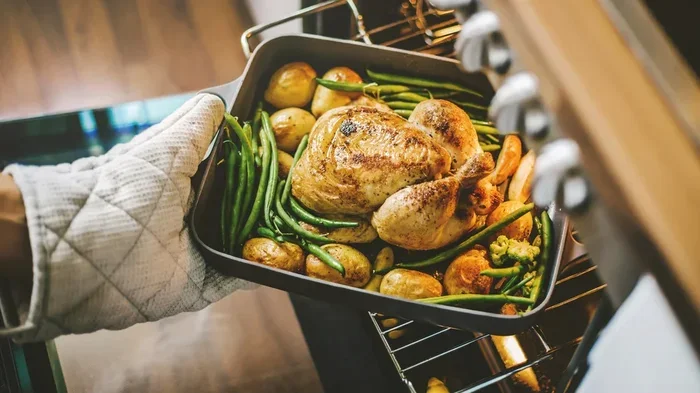
- Whole chicken or thighs: Oven-braised chicken stays moist and develops a gorgeous golden skin.
Cuts To Avoid
Lean cuts like chicken breast or pork tenderloin are not ideal for slow cooking. They lack the connective tissue needed for this method and can dry out quickly. Stick with cuts that have visible marbling and some fat. The fat melts during cooking and keeps the meat moist and flavorful.
Essential Equipment For Slow Cooking Meat In Oven
You do not need a lot of gear to get great results. But having the right tools makes the process smoother and more enjoyable. Here is what you will need for your next slow cooker oven method session.
The Dutch Oven: A Kitchen Must-Have
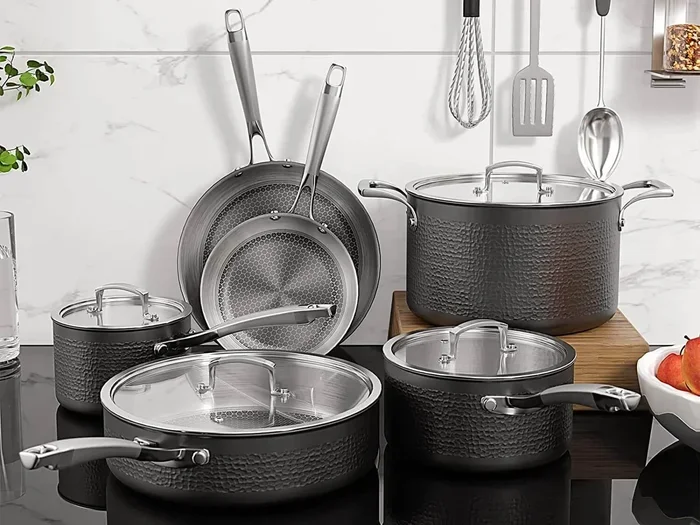
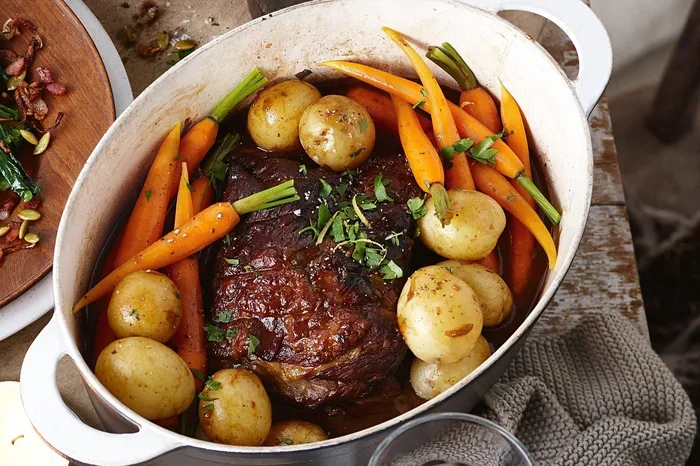
A heavy oven-safe Dutch oven is the gold standard for slow cooking in the oven. Its thick walls distribute heat evenly, and the tight-fitting lid traps moisture inside. Cast iron Dutch ovens are especially popular because they hold heat beautifully.
If you do not have a Dutch oven, you can use a deep baking dish covered tightly with aluminum foil. The key is to create a sealed environment that keeps steam and flavor locked in.
Other Helpful Tools
- Meat thermometer: This is non-negotiable. It tells you the exact internal temperature so you do not overcook or undercook.
- Heavy-duty roasting pan: Works well for larger cuts like whole pork shoulder.
- Tongs: For safely turning and handling hot meat.
- Aluminum foil: Useful for covering dishes and trapping moisture.
- Sharp knife and cutting board: For trimming fat and preparing aromatics.
Step-By-Step Guide To Slow Cooking Meat In Oven
Now that you have your tools and your meat picked out, let us walk through the process. Following these steps will give you consistent, delicious results every single time.
Step 1: Prep Your Meat
Start by patting your meat dry with paper towels. This might seem like a small step, but it makes a big difference. Dry meat browns better, and better browning means more flavor.
Season your meat generously with salt, pepper, and any spices you like. For a classic flavorful roast, try garlic powder, onion powder, smoked paprika, and dried thyme. Let the seasoned meat sit at room temperature for about 30 minutes before cooking. This helps it cook more evenly.
Step 2: Sear For Maximum Flavor
Searing is a crucial step that many people skip. Heat a little oil in your Dutch oven over medium-high heat. Once the oil is shimmering, place the meat inside and let it brown on all sides.
Each side should get a deep, golden-brown crust. This process, called the Maillard reaction, creates hundreds of complex flavor compounds. It takes about 3 to 4 minutes per side. Do not rush this step. The brown bits left in the pot are pure flavor gold.
Step 3: Add Aromatics And Liquid
After removing the meat, add chopped onions, carrots, celery, and garlic to the pot. Sauté them for a few minutes until they soften. Then pour in your braising liquid. This can be beef broth, red wine, beer, or a mix of any of these.
Add herbs like rosemary, bay leaves, or thyme for extra depth. The liquid should come about one-third to halfway up the side of the meat. You do not want to submerge it completely.
Step 4: Cover And Cook Low And Slow
Cover the Dutch oven with its lid or seal it tightly with foil. Place it in the preheated oven. Now comes the hardest part: waiting.
For most slow-cooking times, set your oven between 250°F and 325°F. Lower temperatures work best for larger, tougher cuts. Smaller pieces of meat do well at slightly higher temperatures.
Here is a quick reference for slow cooking times:
- Beef chuck roast (3-4 lbs): 6-8 hours at 300°F
- Pork shoulder (4-6 lbs): 6-8 hours at 300°F
- Beef short ribs (2-3 lbs): 3-4 hours at 325°F
- Whole chicken (4-5 lbs): 3-4 hours at 300°F
- Lamb shoulder (3-4 lbs): 5-6 hours at 300°F
Step 5: Check Internal Temperature
Use your meat thermometer to check the internal temperature. Here are the target temperatures for different types of meat:
- Beef brisket and chuck roast: 195°F to 205°F for maximum tenderness
- Pork shoulder: 195°F to 205°F for shredding
- Beef short ribs: 200°F to 205°F
- Whole chicken: 165°F in the thickest part of the thigh
- Lamb shoulder: 195°F to 205°F
Remember that the temperature will rise a few degrees after you remove the meat from the oven. This is called carryover cooking, and it is important to account for it.
Step 6: Rest The Meat
Once your meat reaches the target temperature, take it out of the oven. Let it rest for at least 15 to 30 minutes before cutting. This resting period allows the juices to redistribute throughout the meat. If you cut too early, the juices will run out, and your meat will be dry.
Cover the meat loosely with foil during resting. This keeps it warm without trapping too much steam, which could make the surface soggy.
Common Mistakes To Avoid When Slow Cooking Meat
Even experienced cooks make mistakes with oven-braised recipes. Here are the most common errors and how to avoid them.
Using The Wrong Temperature
Some people set the oven too high, thinking it will cook faster. This is one of the biggest mistakes you can make. High heat toughens the protein fibers before the collagen has time to break down. Always stick to the low-temperature roasting range of 200°F to 325°F.
Skipping The Sear
Searing adds a layer of deep, complex flavor that you cannot get any other way. Skipping this step might save a few minutes, but it sacrifices a lot of taste. Take the extra time to brown your meat properly.
Opening The Lid Too Often
Every time you open the oven door, you lose heat and moisture. This slows down the cooking process and can result in drier meat. Resist the urge to peek. Trust the process and check the temperature only when you expect the meat to be done.
Using Too Much Or Too Little Liquid
The braising liquid should partially cover the meat, not drown it. Too much liquid turns your dish into a soup. Too little liquid causes the meat to dry out. Aim for the liquid to reach about one-third to halfway up the side of the meat.
Not Letting The Meat Rest
Cutting into meat right after it comes out of the oven is tempting but harmful. The resting period is not optional. It is a critical step that ensures your meat stays juicy and tender when you serve it.
Flavor Boosting Tips For Amazing Results
Once you master the basics, you can start experimenting with flavors. These tips will take your slow-roasted recipes from good to absolutely incredible.
Use Wine Or Beer For Depth
A splash of red wine or dark beer adds richness and complexity to your braising liquid. The alcohol cooks off, leaving behind a deep, savory flavor. This works especially well with beef and lamb.
Add Vegetables For Natural Sweetness
Root vegetables like carrots, parsnips, and sweet potatoes absorb the braising liquid and become incredibly flavorful. Add them in the last two hours of cooking so they do not turn to mush.
Try Different Spice Blends
Do not be afraid to get creative with your seasoning. A little cumin and chili powder transforms a basic beef roast into a Mexican-inspired dish. Soy sauce and ginger give it an Asian twist. Fresh herbs added in the last hour brighten the whole pot.
Make A Batch Of Braising Liquid Ahead
Save vegetable scraps and bones in a freezer bag. When you are ready to cook, simmer them into a rich homemade stock. This oven-braised vegetables and stock combo adds unbeatable depth to your dish.
Quick Tips For Perfect Slow Cooked Meat
Here are some fast, actionable tips to keep in mind every time you use the slow cooker oven method:
- Always bring your meat to room temperature before cooking for even results.
- Use a meat thermometer. Do not rely on timers alone.
- Place thicker parts of the meat toward the outside of the pot for more even cooking.
- Add a splash of vinegar or lemon juice at the end for brightness.
- Save the braising liquid. It makes an incredible sauce or gravy.
- Cook a batch on the weekend and enjoy meals all week long.
- Leftover slow-cooked meat freezes beautifully for up to three months.
Conclusion
How to slow cook meat in oven is one of the most rewarding skills you can learn in the kitchen. It turns simple, affordable ingredients into restaurant-quality meals with very little effort. The key is patience, the right temperature, and a good cut of meat.
By following the steps in this guide, you will achieve tender slow-cooked beef, juicy pulled pork, and flavorful roasts that will impress everyone at your table. Start with a basic recipe, master the technique, and then experiment with your own flavors and variations.
The beauty of oven slow cooking is that it works with almost any type of meat and any flavor profile. So grab a tough cut from your local butcher, fire up your oven, and let time work its magic. Your perfect slow-cooked meal is just a few hours away.
Frequently Asked Questions
What is the best temperature to slow cook meat in the oven?
The ideal temperature range is between 250°F and 325°F. This low heat allows the collagen in tough cuts to break down slowly, creating tender, flavorful meat. Avoid going above 350°F, as higher temperatures can dry out the meat before the connective tissues have time to soften.
How long does it take to slow cook meat in the oven?
Cooking time depends on the type and size of the cut. Smaller pieces like short ribs take 3 to 4 hours, while larger cuts like beef chuck roast or pork shoulder need 6 to 8 hours. Always use a meat thermometer to check for doneness rather than relying on the clock alone.
Can you slow cook any type of meat in the oven?
Most tough, collagen-rich cuts work best for slow cooking in the oven. These include beef chuck, pork shoulder, brisket, short ribs, and lamb shoulder. Lean cuts like chicken breast or pork tenderloin are not ideal because they lack the connective tissue needed for this method and can become dry.
Do you need to add liquid when slow cooking meat in the oven?
Yes, adding a braising liquid is essential. The liquid creates steam and moisture that keeps the meat from drying out. Good options include beef broth, red wine, beer, or a combination. The liquid should come about one-third to halfway up the side of the meat, not submerge it completely.
Is searing meat before slow cooking in the oven really necessary?
While it is not strictly required, searing is highly recommended. Browning the meat creates the Maillard reaction, which adds deep, complex flavors that you cannot achieve any other way. It only takes a few extra minutes and makes a noticeable difference in the final dish.
How do you know when slow-cooked meat is done?
The best way to check is with a meat thermometer. Different meats have different target temperatures. For most tough cuts like beef brisket and pork shoulder, aim for 195°F to 205°F. For chicken, the target is 165°F in the thickest part of the thigh. The meat should be tender and pull apart easily with a fork.