What Dishes Can I Put In The Oven For Quick Dinners
Not sure what to cook tonight? Learn what dishes can I put in the oven for quick dinners and transform your weeknight meals. From metal sheets to ceramic bakeware, this guide covers every oven-safe dish you need for fast, flavorful meals your whole family will love.
Dinner time is here, and you are tired. You want something warm, delicious, and fast. The good news is that your oven can do amazing things when you know what dishes can I put in the oven for quick dinners. Whether you are cooking for two or feeding a whole family, the right oven-safe dish makes all the difference.
Not every pan, plate, or container belongs in a hot oven. Using the wrong dish can lead to cracked glass, melted handles, or even dangerous spills. But once you learn the basics, you will open up a whole world of quick dinner ideas that take less than 30 minutes from start to finish. This guide walks you through every type of dish that is safe for oven use, gives you practical tips, and helps you avoid common mistakes.
Let us dive into the world of oven-safe cookware and discover how easy it is to put together a great meal tonight. No fancy skills needed. Just the right dish, a few simple ingredients, and your trusty oven.
Key Takeaways
- Metal and stainless steel dishes are the most versatile oven-safe options for quick dinners.
- Cast iron skillets retain heat beautifully and work great for searing and baking.
- Glass and ceramic bakeware are perfect for casseroles but need gentle temperature changes.
- Sheet pan dinners are the fastest and easiest way to cook a full meal in the oven.
- Always check for oven-safe labels before placing any dish in a hot oven.
- Disposable aluminum pans are a convenient option for easy cleanup after busy weeknights.
- Silicone bakeware offers flexibility and non-stick benefits for quick oven meals.
📑 Table of Contents
- Why Knowing What Dishes Can I Put In The Oven Matters
- What Dishes Can I Put In The Oven: The Best Options
- Sheet Pan Dinners: The Easiest Quick Oven Meals
- Casseroles And One-Pot Oven Meals Made Simple
- Glass And Ceramic Dishes: What You Need To Know
- Common Mistakes To Avoid When Using Oven Dishes
- Final Thoughts On Oven Dinners
Why Knowing What Dishes Can I Put In The Oven Matters
Before we get into specific dishes, let us talk about why this matters so much. Not all cookware handles high heat the same way. Some materials expand when hot, others crack under temperature changes, and some simply cannot handle the heat at all. Knowing which dishes are oven-safe keeps your food safe and your kitchen accident-free.
Not All Cookware Is Created Equal
Walk into any kitchen and you will find all kinds of cookware. Some pieces are built for stovetop cooking only. Others are designed to go from the oven to the table. The key is understanding what each material can handle. For example, a beautiful decorative plate might look stunning on the dining table, but it probably should not go in the oven. On the other hand, a sturdy metal baking sheet can handle temperatures up to 500 degrees Fahrenheit or more.
Using the wrong dish in the oven can cause it to break, leak chemicals into your food, or even start a fire. This is why checking for oven-safe labels before you cook is so important. It takes five seconds and saves you a lot of trouble.
Safety First: Check Before You Heat
Here is a simple rule to follow. If a dish does not say it is oven-safe, do not put it in the oven. Look for symbols on the bottom of the dish. A little oven icon means it can handle heat. If you see a cross through the oven symbol, keep that dish away from high temperatures. When in doubt, check the manufacturer’s guidelines or contact the brand directly.
Also, pay attention to handles and lids. Plastic handles will melt in a hot oven. Wooden handles can char or catch fire. Metal and silicone handles are generally safe for oven use. Always remove any non-oven-safe parts before heating.
What Dishes Can I Put In The Oven: The Best Options
Now that we understand the basics, let us look at the best oven-safe dishes you can use for quick dinners. Each type of dish has its own strengths, and knowing what works best for different meals will level up your cooking game.
Metal Baking Sheets And Roasting Pans
Metal baking sheets are the workhorses of oven cooking. They heat up fast, cool down quickly, and clean up easily. A standard half-sheet pan (18 by 13 inches) is perfect for sheet pan dinners, roasting vegetables, baking chicken, and so much more. You can find them at almost any price point, and they last for years with proper care.
Roasting pans are another excellent metal option. They are deeper than baking sheets, which makes them ideal for cooking larger cuts of meat or one-pan meals. Many roasting pans come with a rack, which lifts food off the bottom and allows hot air to circulate evenly. This means crispier results with less effort.
Quick tip: Line your metal baking sheet with parchment paper or a silicone mat for easy cleanup. This one small step saves you from scrubbing baked-on grease later.
Cast Iron Skillets For Oven Cooking
Cast iron skillets are a chef favorite for good reason. They distribute heat evenly, retain warmth for a long time, and can go from stovetop to oven without any problems. A cast iron skillet is perfect for dishes like skillet chicken, baked eggs, cornbread, and even pizza.
One of the best things about cast iron is that it gets better with use. The more you cook with it, the more natural non-stick surface it develops. Just make sure you season it regularly and avoid sudden temperature changes, like placing a cold skillet into a hot oven.
For quick dinners, try throwing sliced potatoes, onions, and sausage into a cast iron skillet. Add some spices, pop it in the oven at 400 degrees, and you have a hearty meal in about 25 minutes.
Ceramic And Stoneware Baking Dishes
Ceramic baking dishes are gorgeous and functional. They come in all shapes and sizes, from small gratin dishes to large rectangular casseroles. Ceramic distributes heat slowly and evenly, which makes it perfect for baked pasta, lasagna, and slow-cooked casseroles. Many ceramic dishes also look beautiful enough to go straight from the oven to the dinner table.
Stoneware is a heavier, denser version of ceramic. It holds heat even longer, which is great for dishes that need to stay warm at the table. Just remember that ceramic and stoneware need gentle temperature changes. Do not place a cold ceramic dish into a hot oven, or vice versa. The sudden temperature shift can cause cracking.
Quick tip: Always let your ceramic dish come to room temperature before putting it in the oven. This simple habit will extend the life of your bakeware by years.
Sheet Pan Dinners: The Easiest Quick Oven Meals
If you are looking for the fastest way to cook dinner, sheet pan dinners are the answer. They require minimal prep, use just one pan, and produce very little cleanup. This is why sheet pan meals have become so popular for busy families and weeknight cooking.
Why Sheet Pan Dinners Are A Game Changer
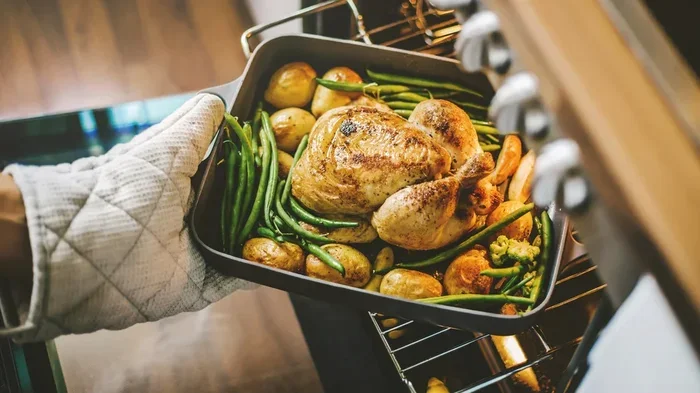
The beauty of a sheet pan dinner is simplicity. You chop your ingredients, spread them on a pan, season them, and let the oven do the work. Everything cooks at the same time on one tray. You get protein, vegetables, and often a starch all in one go.
Sheet pan dinners also work well with one-pot oven meals because you can cook everything together. The flavors mingle on the pan, creating a complete meal with minimal effort. Plus, cleanup is as simple as throwing one pan in the sink or dishwasher.
What Goes On A Sheet Pan
Almost anything can go on a sheet pan. Here are some quick and delicious ideas:
- Chicken thighs and roasted vegetables seasoned with olive oil and herbs
- Salmon fillets with asparagus and lemon slices
- Sausage and peppers with onions for a Mediterranean-style dinner
- Shrimp and broccoli with garlic butter
- Taco-seasoned ground turkey with bell peppers and tortillas for crispy taco shells
For the best results, spread everything in a single layer with space between pieces. Overcrowding the pan leads to steaming instead of roasting, which means soggy food instead of crispy perfection.
Casseroles And One-Pot Oven Meals Made Simple
Casseroles are the ultimate quick dinner solution. You mix everything in one dish, slide it into the oven, and come back when the timer goes off. A hot, bubbling, homemade casserole feels like a warm hug after a long day.
Classic Casserole Recipes
Some classic casserole dishes never go out of style. Think chicken and rice casserole, tuna noodle bake, or a hearty vegetable gratin. These meals come together in about 15 minutes of prep and then bake for 25 to 35 minutes while you do other things.
The best dishes for casseroles are deep ceramic baking dishes or glass baking pans. Glass pans like Pyrex heat evenly and let you see the bottom of your casserole to check for doneness. Just remember to reduce your oven temperature by 25 degrees when using glass, as glass tends to heat up faster than metal.
Quick tip: Cover your casserole with aluminum foil for the first half of cooking, then remove the foil for the last 10 to 15 minutes to get a golden, crispy top.
One-Pot Wonders For Busy Weeknights
One-pot oven meals take the casserole concept even further. You can make everything from baked pasta to stuffed peppers to egg bakes in a single dish. These meals are perfect for dinner recipes for two or feeding a larger family without spending hours in the kitchen.
Some easy one-pot ideas include:
- Baked ziti with ground beef, cheese, and marinara sauce
- Breakfast for dinner with eggs, cheese, and hash browns baked in a skillet
- Stuffed bell peppers with rice, beans, and taco seasoning
- Chicken enchilada bake with tortillas, sauce, and cheese
- Mac and cheese with breadcrumb topping for extra crunch
The beauty of these meals is that you can prep them in advance, store them in the fridge, and pop them in the oven when you get home. Easy oven meals like these save time, money, and stress during busy weekdays.
Glass And Ceramic Dishes: What You Need To Know
Glass and ceramic dishes are beautiful and functional, but they need a bit more care than metal. Understanding how they work in the oven will help you get the best results every time.
Glass Bakeware Pros And Cons
Glass bakeware has several advantages. It heats evenly, does not react with acidic foods like tomatoes, and looks elegant when serving directly at the table. You can also see through glass to check on your food without opening the oven door.
However, glass also has drawbacks. It heats up faster than metal, which means it can burn the bottom of your food if you are not careful. It also needs time to adjust to temperature changes. Never put a cold glass dish into a hot oven or place a hot glass dish on a cold surface. The thermal shock can cause the glass to shatter.
Quick tip: Always place a hot glass dish on a wooden board or towel, never directly on a cold countertop or metal surface.
Ceramic Dishes For Beautiful Serving
Ceramic baking dishes are perfect for meals you want to serve directly at the table. They come in so many colors and styles that they double as serving pieces. A ceramic dish full of baked pasta or a bubbling casserole looks stunning on a dinner table.
Ceramic is also non-reactive, which means it will not change the taste of your food or react with acidic ingredients. This makes it a safe choice for tomato-based sauces and citrus dishes.
Just like glass, ceramic needs gentle temperature changes. Preheat the oven before placing your ceramic dish inside, and let the dish cool before washing it. Sudden temperature swings are the number one cause of cracked ceramic bakeware.
Disposable Aluminum Pans For Easy Cleanup
Do not overlook disposable aluminum pans. They are cheap, lightweight, and completely oven-safe. They are perfect for big gatherings, potlucks, or nights when you do not want to deal with dishwashing. Many people use disposable pans for baking recipes like lasagna, brownies, and roasted chicken.
The only downside is that disposable pans are thinner than regular pans, which means they can warp at high temperatures. To prevent this, place the disposable pan on a regular baking sheet for extra support. This also makes it easier to move the pan in and out of the oven.
Common Mistakes To Avoid When Using Oven Dishes
Even experienced cooks make mistakes with oven cookware. Learning what not to do will save you from broken dishes, ruined food, and kitchen accidents. Here are the most common errors to watch out for.
Using The Wrong Temperature
Every dish has a temperature limit. Putting a dish that handles 350 degrees into a 450-degree oven is a recipe for disaster. Always check the maximum temperature your dish can handle before turning on the oven. Most oven-safe dishes are rated for temperatures between 350 and 500 degrees Fahrenheit, but it is always best to double-check.
If you are not sure about the temperature limit, stick to 350 degrees. This is a safe, moderate temperature that works for almost any oven-safe dish and is perfect for most quick dinner recipes.
Ignoring Oven-Safe Labels
This might be the most common mistake of all. People assume that because a dish looks sturdy, it can handle the oven. But looks can be deceiving. Some dishes have decorative elements, painted designs, or plastic parts that are not oven-safe. Always look for the oven-safe symbol or text on the bottom of the dish before using it.
Also, be careful with hand-painted or imported ceramics. Some of these may not be rated for oven use, even if they look like traditional bakeware. When in doubt, use the dish only for serving and not for cooking.
Overcrowding The Pan
We mentioned this briefly, but overcrowding deserves its own spot on this list. When food pieces are too close together, they steam instead of roast. This leads to soggy, unevenly cooked meals. Give each piece of food some space on the pan so hot air can flow around it.
If you need to cook a large amount of food, use two pans instead of one overcrowded one. The extra few minutes of cleanup are worth the much better results you will get.
Skipping The Preheat
Many people put food in the oven before it reaches the right temperature. This might save a few minutes, but it leads to uneven cooking and longer overall cook times. Always preheat your oven before adding your dish. Most quick dinners work best at 375 or 400 degrees Fahrenheit, so give your oven about 10 to 15 minutes to reach the target temperature.
Final Thoughts On Oven Dinners
Knowing what dishes can I put in the oven for quick dinners opens up a world of cooking possibilities. From metal baking sheets and cast iron skillets to ceramic dishes and glass pans, there is an oven-safe option for every type of meal you want to make. The key is to choose the right dish for the right recipe, follow temperature guidelines, and always check for oven-safe labels.
Quick dinner ideas like sheet pan meals, one-pot casseroles, and baked favorites are easier than you think. With the right oven cookware and a little confidence, you can put together delicious, homemade meals in no time. No more staring at the fridge wondering what to make. Your oven is ready, your dishes are safe, and the possibilities are endless.
Start tonight. Pick one of the recipes or ideas from this guide, grab the right dish, and let your oven do the heavy lifting. You will be surprised how good a quick oven dinner can taste, and how much easier weeknight cooking becomes when you have the right tools in hand.
Frequently Asked Questions
Can I Put A Glass Dish In The Oven?
Yes, most glass dishes are oven-safe, but you need to be careful. Only use dishes that are specifically labeled as oven-safe, like Pyrex. Always avoid sudden temperature changes, such as moving a cold glass dish directly into a hot oven. Let the dish come to room temperature first, and reduce your oven temperature by about 25 degrees for best results.
Are Disposable Aluminum Pans Safe For The Oven?
Yes, disposable aluminum pans are completely safe for oven use. They are lightweight, affordable, and perfect for easy cleanup. Just be aware that they can warp at very high temperatures, so placing them on a regular baking sheet for support is a smart move. They work great for casseroles, roasted vegetables, and baked desserts.
What Temperature Should I Cook Quick Oven Dinners At?
Most quick oven dinners work best at 375 or 400 degrees Fahrenheit. These temperatures cook food quickly and evenly without burning. If you are using glass bakeware, reduce the temperature by 25 degrees to prevent over-browning. Always preheat your oven before adding your dish for the best cooking results.
Can I Use A Ceramic Plate In The Oven?
Only if the ceramic plate is labeled as oven-safe. Many decorative ceramic plates are not designed for high heat and can crack or break. Look for an oven-safe symbol on the bottom of the plate. If you cannot find any labeling, it is best to use the plate only for serving and not for cooking.
How Do I Know If My Skillet Is Oven-Safe?
Check the bottom of the skillet for an oven-safe symbol or label. Most cast iron skillets and stainless steel skillets are oven-safe up to high temperatures. However, skillets with plastic handles, wooden handles, or non-stick coatings that are not rated for high heat should not go in the oven. Always check the manufacturer’s guidelines to be sure.
What Is The Best Dish For A Sheet Pan Dinner?
A standard metal baking sheet (also called a half-sheet pan) is the best choice for sheet pan dinners. It is large enough to spread food in a single layer, heats up quickly, and is easy to clean. Look for one with a rim to prevent oil and juices from dripping into the oven. A rimmed sheet pan gives you the most versatility for quick oven meals.