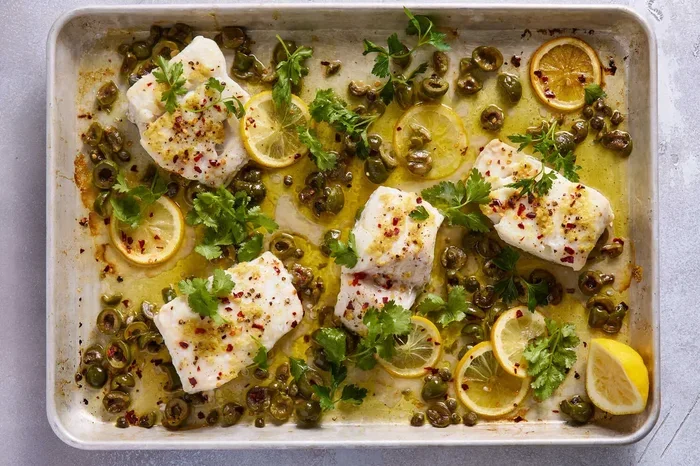
How Long To Bake Fish At 350 In Oven For Perfect Results
Baking fish at 350°F is one of the easiest and most reliable methods for a delicious fish dinner. Most fillets need 15 to 25 minutes depending on thickness, while whole fish may take 20 to 30 minutes. This guide covers exact times, temperatures, and tips so your baked fish turns out moist, flaky, and full of flavor every single time.
There is something truly magical about putting a simple piece of fish in the oven and walking away. The smell that fills your kitchen is incredible. And the best part? Baking fish at 350 degrees is one of the most foolproof cooking methods you will ever use. Whether you are a beginner in the kitchen or a seasoned home cook, knowing the right time and temperature makes all the difference.
If you have ever wondered how long to bake fish at 350 in oven, you are in the right place. This guide breaks down everything you need to know. From thin tilapia fillets to thick salmon steaks, we have got you covered. You will learn exact times, helpful tips, and common mistakes to avoid. By the end, you will feel confident enough to bake fish like a pro.
Oven-baked fish is healthy, fast, and incredibly versatile. It pairs well with vegetables, rice, potatoes, and salads. Plus, cleanup is a breeze compared to stovetop cooking. Let us dive into the details and make sure your next fish dinner is a winner.
Key Takeaways
- Standard Bake Time: Most fish fillets bake at 350°F for 15 to 25 minutes, depending on thickness and type.
- Thickness Matters: Thicker cuts need more time, while thin fillets cook in as little as 10 to 15 minutes.
- Internal Temperature Is Key: Fish is done when it reaches 145°F internally and flakes easily with a fork.
- Prep Tips Make a Difference: Pat fish dry, use parchment paper, and season well for the best results.
- Different Fish Types Vary: Salmon, cod, tilapia, and trout all have slightly different baking times and textures.
- Avoid Overcooking: Check fish early and often to keep it juicy and tender.
- Easy Flavor Boosters: Lemon, herbs, garlic, and butter elevate any oven-baked fish recipe.
📑 Table of Contents
- Why Baking Fish At 350°F Works So Well
- How Long To Bake Different Types Of Fish At 350
- Factors That Affect Baking Time
- Best Oven-Baked Fish Recipes To Try
- How To Tell When Fish Is Done Baking
- Common Mistakes To Avoid When Baking Fish
- Comparing Baking Times For Popular Fish Types
- Serving Suggestions For Oven-Baked Fish
- Storing And Reheating Leftover Baked Fish
- Health Benefits Of Baking Fish
- Final Thoughts On Baking Fish At 350°F
Why Baking Fish At 350°F Works So Well
Temperature control is the secret to great baked fish. 350°F is the sweet spot for most types of fish. It cooks evenly without drying out the flesh. Higher temperatures can burn the outside while leaving the inside raw. Lower temperatures take too long and can make fish rubbery.
Here is why 350°F is the go-to temperature for oven-baked fish:
- Even Cooking: The heat distributes consistently throughout the fish.
- Moisture Retention: Fish stays juicy instead of drying out.
- Flaky Texture: The protein gently separates into perfect flakes.
- Versatility: Works for thin fillets and thicker cuts alike.
- Easy Timing: Most fish cooks in 15 to 25 minutes at this temp.
When you bake fish at 350, you give yourself a wide window of doneness. This means less stress and more delicious results. The gentle heat allows the fish to cook through slowly, which preserves its natural flavor and tender texture.
How Long To Bake Different Types Of Fish At 350
Not all fish is created equal. A thin tilapia fillet and a thick salmon steak will not cook at the same speed. Understanding these differences helps you nail the timing every time. Let us look at the most popular fish types and their ideal baking times.
Baking Thin Fillets Like Tilapia And Cod
Thin fillets are the fastest to cook. If your fillet is less than half an inch thick, it may only need 10 to 15 minutes at 350°F. Cod and tilapia are lean fish with a delicate texture. They do not need much time in the oven.
Here is what to expect for thin fillets:
- Tilapia fillets: 10 to 15 minutes
- Cod fillets: 12 to 18 minutes
- Flounder or sole: 8 to 12 minutes
The key with thin fish is to watch it closely. It can go from perfectly done to overcooked in just a couple of minutes. Use the fork test. Gently press the center with a fork. If it flakes apart easily, it is ready.
Baking Medium-Thick Fillets Like Salmon And Trout
Medium-thick fillets are the most common type people buy at the grocery store. Salmon, trout, and sea bass typically fall into this category. These fillets are usually about half an inch to one inch thick. How long to bake fish at 350 in oven for this thickness? Plan on 15 to 20 minutes.
Salmon is a favorite for many home cooks. It has a higher fat content than white fish, which means it stays moist more easily. Here are general guidelines:
- Salmon fillets: 15 to 20 minutes
- Rainbow trout: 18 to 22 minutes
- Sea bass fillets: 15 to 20 minutes
Salmon can handle a slightly higher internal temperature than some other fish. Many people prefer salmon that is just slightly translucent in the center. This gives it a buttery, tender texture that is hard to beat.
Baking Thick Cuts And Whole Fish
Thick cuts and whole fish need more time in the oven. If you are baking a whole trout or a thick swordfish steak, expect 25 to 35 minutes at 350°F. The oven needs more time to penetrate to the center of a thick piece of fish.
Here are some general guidelines for thicker cuts:
- Thick salmon steaks: 20 to 25 minutes
- Whole fish (like snapper or branzino): 25 to 35 minutes
- Swordfish steaks: 20 to 25 minutes
- Mahi-mahi thick cuts: 20 to 25 minutes
When baking a whole fish, stuffing the cavity with lemon slices and fresh herbs adds incredible flavor. The fish is done when the skin turns golden and crispy, and the flesh pulls away from the bone easily.
Factors That Affect Baking Time
The time listed above is a starting point. Several factors can change how long your fish actually needs in the oven. Understanding these variables helps you adjust and get perfect results every time.
Thickness Of The Fish
This is the single biggest factor. A thin fillet cooks much faster than a thick one. As a general rule, every quarter inch of thickness adds about 2 to 3 minutes of baking time. If you are unsure about the thickness, use a meat thermometer. Insert it into the thickest part of the fish.
Whether The Fish Is Frozen Or Fresh
Frozen fish takes longer to bake than fresh fish. If you are baking from frozen, add 5 to 10 extra minutes to the cooking time. Better yet, thaw the fish in the refrigerator overnight before baking. This ensures more even cooking and better texture.
Oven Accuracy And Rack Position
Not all ovens heat the same way. Some ovens run hot, while others run cool. An oven thermometer can help you verify the actual temperature. As for rack position, always place the fish on the middle rack. This allows hot air to circulate evenly around the fish.
Whether You Are Using A Baking Dish Or Foil
Baking fish in foil or parchment paper can slightly reduce cooking time because it traps steam. This creates a little oven within the oven. However, it can also make the top less crispy. If you want crispy skin, bake the fish uncovered on a lightly greased baking sheet or dish.
Best Oven-Baked Fish Recipes To Try
Now that you know the timing and temperature, let us talk about flavor. Baked fish does not have to be boring. With the right seasonings and ingredients, you can create restaurant-quality dishes at home.
Simple Lemon Butter Baked Fish
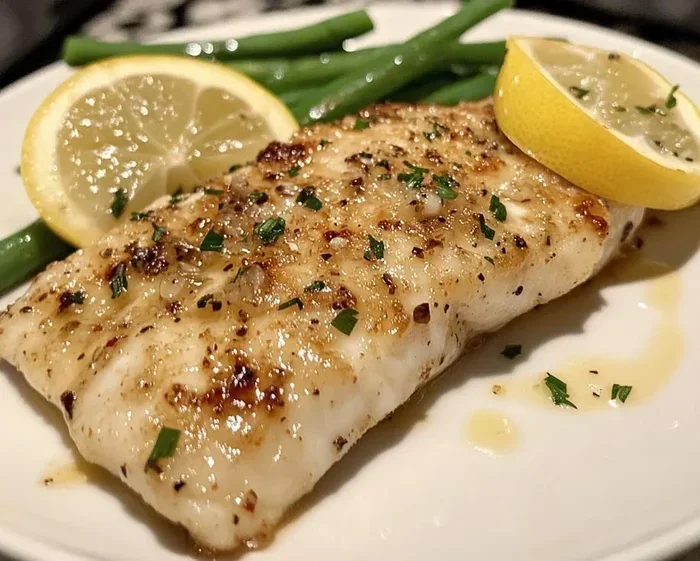
This is the easiest and most delicious way to start. Place your fish fillet in a baking dish. Top it with a pat of butter, squeeze half a lemon over the top, and add a sprinkle of salt, pepper, and garlic. Bake at 350°F for 15 to 20 minutes. That is it. You will have a beautiful, flavorful piece of fish on your plate.
Add fresh dill or parsley right before serving for a pop of color and freshness. This recipe works beautifully with cod, tilapia, and halibut.
Honey Garlic Baked Salmon
For something a little sweeter, try a honey garlic glaze. Mix two tablespoons of honey, two minced garlic cloves, a tablespoon of soy sauce, and a squeeze of lemon. Brush this mixture over your salmon fillets. Bake at 350°F for 15 to 20 minutes. The glaze caramelizes beautifully and gives the salmon a gorgeous glaze.
Mediterranean Style Baked White Fish
Top your fish with sliced tomatoes, olives, capers, and a drizzle of olive oil. Add some dried oregano and a few fresh basil leaves. Bake at 350°F for 18 to 22 minutes. This style of oven-baked fish tastes incredible and feels light and healthy.
Serve it over a bed of couscous or with crusty bread to soak up all the delicious juices from the baking dish.
How To Tell When Fish Is Done Baking
Timing is important, but visual and texture cues matter just as much. You do not always need a timer to know when your fish is ready. Here are the best ways to check for doneness.
The Fork Test
This is the simplest and most reliable method. Take a fork and gently insert it into the thickest part of the fish. Twist it slightly. If the fish flakes apart easily and looks opaque throughout, it is done. If it still looks translucent in the center, give it a few more minutes.
Internal Temperature
For the most precise results, use an instant-read meat thermometer. Insert it into the thickest part of the fillet. The USDA recommends an internal temperature of 145°F for fish. At this temperature, the fish is safe to eat and has a perfectly cooked texture.
Color And Texture Clues
Most fish changes from translucent to opaque as it cooks. Salmon goes from a deep red to a lighter pinkish-orange. Cod and tilapia turn from pearly white to a more opaque white. The flesh should be moist and tender, not dry or chalky.
Quick Tips For Perfect Baked Fish
- Always preheat your oven before placing the fish inside.
- Pat the fish dry with paper towels before seasoning. This helps create a light crust.
- Do not overcrowd the baking dish. Give each fillet space to cook evenly.
- Let the fish rest for 2 to 3 minutes after removing it from the oven.
- Line your baking dish with parchment paper for easy cleanup.
- Add a splash of white wine or broth to the dish for extra moisture and flavor.
Common Mistakes To Avoid When Baking Fish
Even experienced cooks make mistakes with baked fish. Learning what to avoid saves you from dry, overcooked, or bland results.
Overcooking The Fish
This is the number one mistake people make. Fish continues to cook after you remove it from the oven. This is called carryover cooking. If you wait until the fish looks completely opaque all the way through, it may already be dry and overcooked. Pull it off the heat just before it reaches full doneness, and let the residual heat finish the job.
Skipping The Preheat
Some people throw fish into a cold oven and hope for the best. This leads to uneven cooking. The outside may overcook while the inside stays raw. Always preheat your oven to 350°F before placing the fish inside.
Using The Wrong Baking Dish
A dish that is too small causes the fish to steam instead of bake. A dish that is too large lets the fish dry out. Choose a dish that fits the fillets snugly without crowding them. A glass or ceramic baking dish works great for even heat distribution.
Not Seasoning Enough
Fish has a delicate flavor that benefits from seasoning. Do not be shy with salt, pepper, and herbs. A little olive oil helps the seasoning stick to the fish and keeps it moist during baking.
Comparing Baking Times For Popular Fish Types
Here is a quick reference guide to help you plan your fish dinner. These times are based on a 350°F oven and assume fillets that are about three-quarters of an inch thick.
| Fish Type | Approximate Bake Time | Best For |
|---|---|---|
| Tilapia | 10 to 15 minutes | Quick weeknight dinners |
| Cod | 12 to 18 minutes | Crispy breaded or plain baked |
| Salmon | 15 to 20 minutes | Rich, flavorful meals |
| Trout | 18 to 22 minutes | Whole fish or fillets |
| Mahi-mahi | 15 to 20 minutes | Grilled or baked with sauces |
| Halibut | 15 to 20 minutes | Thick, meaty fillets |
| Swordfish | 20 to 25 minutes | Steaks and bold flavors |
| Whole fish | 25 to 35 minutes | Special occasions and gatherings |
Keep in mind that these times are approximate. Always check your fish for doneness using the methods described above. The fork test and internal temperature are your best friends in the kitchen.
Serving Suggestions For Oven-Baked Fish
Baked fish is wonderful on its own, but it shines even more when paired with the right sides. Here are some ideas to round out your meal.
- Roasted vegetables: Asparagus, zucchini, and cherry tomatoes roast beautifully at 350°F alongside fish.
- Rice or quinoa: A light grain absorbs the delicious juices from the fish.
- Mashed potatoes: A classic comfort pairing that never disappoints.
- Fresh salad: A simple green salad with lemon vinaigrette balances rich fish perfectly.
- Crusty bread: Perfect for soaking up any sauce or juices left in the baking dish.
The beauty of baking fish at 350°F is that you can often cook the fish and sides in the same oven at the same time. This makes dinner preparation fast and efficient, especially on busy weeknights.
Storing And Reheating Leftover Baked Fish
If you have leftovers, store them properly to enjoy them the next day. Let the fish cool to room temperature before refrigerating. Place it in an airtight container and consume it within 2 to 3 days.
To reheat, use the oven at 300°F for about 10 to 15 minutes. Avoid using the microwave, as it can make fish rubbery and dry. A low-and-slow approach in the oven keeps the fish moist and tasty.
You can also flake leftover baked fish into salads, tacos, or sandwiches. It makes for a quick and protein-packed meal the next day.
Health Benefits Of Baking Fish
Baking is one of the healthiest ways to prepare fish. Unlike frying, it does not add extra fat or calories. Fish is naturally rich in omega-3 fatty acids, which support heart health, brain function, and reduce inflammation.
Baking at 350°F preserves more of the nutrients in fish compared to high-heat methods. The gentle cooking process keeps the omega-3 fatty acids intact. Plus, baking allows you to control exactly what goes into your meal. You can choose healthy oils, fresh herbs, and minimal salt for a nutritious and delicious dinner.
Eating fish twice a week is recommended by most health organizations. Having a reliable oven-baked fish recipe in your rotation makes it easy to meet that goal. It is quick, simple, and something the whole family can enjoy.
Final Thoughts On Baking Fish At 350°F
How long to bake fish at 350 in oven really comes down to the type and thickness of the fish you are preparing. Most fillets need between 15 and 25 minutes, while thicker cuts and whole fish can take up to 35 minutes. The key is to watch for the visual and texture cues that tell you the fish is done.
Baking fish at 350°F is simple, healthy, and incredibly satisfying. Once you master the basics, you can experiment with different seasonings, sauces, and fish varieties. The possibilities are nearly endless. Start with the simple recipes shared above, and soon you will be creating your own signature baked fish dishes.
Remember to always preheat your oven, pat the fish dry, and check for doneness early. Avoid the common mistakes that lead to dry or overcooked fish. With a little practice, you will be able to bake fish perfectly every single time. Your kitchen will smell amazing, and your dinner table will be the envy of the neighborhood.
So next time you are wondering how long to bake fish at 350 in oven, just refer back to this guide. You will know exactly what to do, and the results will speak for themselves. Happy baking!
Frequently Asked Questions
Can I bake fish at 350°F from frozen?
Yes, you can, but you will need to add extra time. Frozen fish typically needs 5 to 10 additional minutes compared to fresh fish at the same temperature. For the best results, thaw the fish in the refrigerator overnight before baking. This ensures more even cooking and a better texture throughout the fillet.
What is the best way to prevent fish from sticking to the baking dish?
Line your baking dish with parchment paper or lightly grease it with olive oil or butter before placing the fish inside. Patting the fish dry also helps create a light barrier between the flesh and the dish. These simple steps make cleanup much easier and keep your fish looking intact when served.
Is it safe to eat fish that is slightly pink in the middle?
It depends on the type of fish. Salmon is commonly served with a slightly pink center, which is perfectly safe and delicious. However, for lean white fish like cod or tilapia, the flesh should be opaque all the way through. Always use a meat thermometer and aim for an internal temperature of 145°F for food safety.
Can I use aluminum foil when baking fish at 350°F?
Absolutely. Foil helps trap moisture and keeps the fish from drying out. It also makes cleanup a breeze. If you want crispy skin, bake the fish uncovered. If you prefer a steamed, moist texture, wrap the fish loosely in foil and bake as usual.
How do I know if my oven temperature is accurate for baking fish?
Oven temperatures can vary by 10 to 25 degrees from what is displayed. An inexpensive oven thermometer placed inside the oven can help you verify the actual temperature. If your oven runs hot, consider lowering the temperature slightly. If it runs cool, you may need to add a few extra minutes to the baking time.
What sides pair best with oven-baked fish at 350°F?
Roasted vegetables, rice, quinoa, mashed potatoes, and fresh salads all pair wonderfully with oven-baked fish. You can even cook vegetables on the same sheet pan or in a nearby dish at the same temperature. This makes meal prep faster and lets all the flavors come together beautifully on the plate.
=== CONCLUSION ===
Baking fish at 350°F is one of the simplest and most rewarding ways to prepare a healthy, delicious meal. Whether you are cooking thin tilapia or a thick salmon fillet, knowing the right time and technique makes all the difference. Most fish needs 15 to 25 minutes at this temperature, but always trust your eyes and a fork over the clock alone. With the tips and recipes in this guide, you are well on your way to mastering oven-baked fish that is moist, flaky, and full of flavor. Get in the kitchen, preheat that oven, and enjoy the process. You have got this!