How To Cook Pollock In The Oven Perfectly Every Time
Learning how to cook pollock in the oven is simple, fast, and incredibly rewarding. This guide walks you through every step, from picking the right fillets to pulling a perfectly baked dish out of your oven. You will discover seasoning tricks, temperature settings, and timing secrets that guarantee great results. Whether you are a beginner or a seasoned cook, this method delivers a healthy, delicious meal with minimal effort.
There is something truly satisfying about putting a simple piece of fish in the oven and walking away. How to cook pollock in the oven is one of the easiest kitchen skills you can learn, and the results are always impressive. Pollock is a mild, lean white fish that absorbs flavors beautifully. It cooks quickly, it is packed with protein, and it costs less than many other fish options. Once you master this basic method, you will make it again and again.
Whether you are feeding a family of four or meal-prepping for the week ahead, oven-baked pollock fits the bill. It requires minimal prep, uses common pantry ingredients, and delivers restaurant-quality results right on your home kitchen table. In this guide, we break down everything you need to know. You will learn about choosing the best fillets, the ideal oven temperature, seasoning combinations, and common mistakes to avoid. By the end, you will feel confident enough to experiment and make this recipe your own.
Key Takeaways
- Oven temperature matters: Baking pollock at 400°F gives the best balance of crispy exterior and tender, flaky interior.
- Pat the fillets dry: Removing moisture from the surface is the single most important step for getting crispy skin and golden color.
- Season simply but intentionally: A blend of olive oil, lemon, garlic, and fresh herbs elevates pollock without overpowering its mild flavor.
- Timing is short: Most pollock fillets bake in just 12 to 15 minutes, making this a weeknight-friendly dinner option.
- Rest the fish before serving: Letting baked pollock sit for a few minutes keeps the flesh moist and makes it easier to handle.
- Pair with complementary sides: Roasted vegetables, rice, or a fresh salad turns a simple baked fillet into a complete, balanced meal.
📑 Table of Contents
- Why Pollock Is a Great Fish to Bake
- How To Prepare Pollock Fillets for the Oven
- Best Seasonings and Flavors for Baked Pollock
- Step-by-Step Oven-Baked Pollock Recipe
- Tips for Perfectly Crispy and Flaky Pollock
- Serving Suggestions and Pairings
- Common Mistakes To Avoid When Baking Pollock
- Expert Insights on Baking Fish in the Oven
- Health Benefits of Eating Baked Pollock
- Frequently Asked Questions
- Conclusion
Why Pollock Is a Great Fish to Bake
Pollock deserves a spot in your regular dinner rotation, and here is why. It is one of the most affordable white fish options available at grocery stores and fish markets. Its mild flavor makes it a crowd-pleaser, even for people who say they do not like fish. The flesh is lean, meaning it is low in fat and high in protein. A single serving gives you a solid nutritional boost without a lot of calories.
Compared to fattier fish like salmon or mackerel, pollock has a much lighter taste. This makes it a perfect canvas for seasonings and sauces. You are not fighting against a strong fishy flavor. Instead, you get a clean, delicate taste that pairs well with almost anything. Oven-baked pollock also holds its shape well, which means you get nice, flaky pieces that look beautiful on the plate. It is one of the most forgiving fish to cook, which makes it ideal for beginners and busy weeknights alike.
Pollock vs. Other White Fish
You might be wondering how pollock compares to cod, haddock, or tilapia. All of these are lean white fish, but there are small differences. Pollock tends to be a bit more tender than cod. It flakes more easily, which means a shorter baking time. Haddock has a slightly sweeter taste, but pollock is more widely available and usually cheaper. Tilapia is similarly mild, but many people prefer pollock because it has a bit more texture and substance. For oven recipes, pollock is an excellent choice that balances flavor, texture, and value.
How To Prepare Pollock Fillets for the Oven
Good prep work sets you up for success. Before you even turn on the oven, there are a few things you should do with your pollock fillets. Taking these small steps makes a big difference in the final result.
First, choose your fillets carefully. Look for pieces that are bright and translucent, with no dull spots or strong fishy odor. The flesh should feel firm but springy when you press it gently. If the fillets are frozen, thaw them slowly in the refrigerator overnight. Avoid using hot water to thaw fish, as it can make the texture mushy and wash away flavor.
Once your fillets are thawed, pat them completely dry with paper towels. This is the step most people skip, and it matters a lot. Moisture on the surface creates steam instead of allowing the fish to crisp up. Dry fillets brown better and develop a nicer texture. After patting dry, let the fillets sit at room temperature for about 10 to 15 minutes. This helps them cook more evenly throughout.
Removing Pin Bones
Some pollock fillets come with tiny pin bones still in them. These are thin, flexible bones that can be easy to miss. Run your fingers gently across the flesh. If you feel any small, hard spots, use a pair of clean tweezers or needle-nose pliers to pull them out. They usually come out with a gentle, steady tug. This small step makes the eating experience much more pleasant, especially for children or older adults.
Best Seasonings and Flavors for Baked Pollock
One of the best things about oven-baked pollock is how well it takes on different flavors. Because the fish is so mild, you can go bold or keep it simple. Here are some winning combinations that always work well.
Classic Lemon and Herb
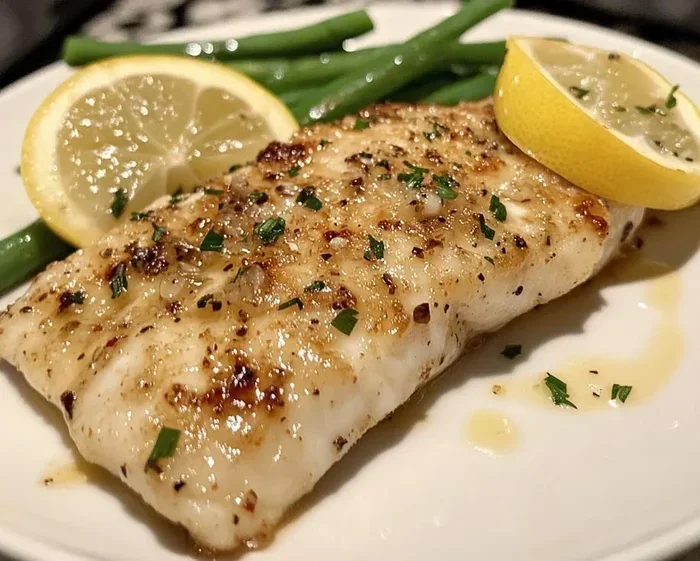
This is the go-to combination for a reason. Drizzle your fillets with olive oil, squeeze fresh lemon juice over the top, and sprinkle with minced garlic, chopped dill, and a pinch of salt and black pepper. The lemon brightens the fish, while the dill adds a fresh, aromatic quality. This pairing works beautifully with roasted potatoes or steamed green beans.
Mediterranean Style
For a bolder flavor, try a Mediterranean-inspired blend. Mix olive oil with dried oregano, paprika, cumin, and a touch of red pepper flakes. Add some sun-dried tomatoes and kalamata olives on top if you like. This style pairs wonderfully with couscous or a crusty piece of bread for soaking up the juices.
Asian-Inspired Glaze
If you want something different, a soy sauce and ginger glaze works beautifully on pollock. Combine soy sauce, sesame oil, a splash of rice vinegar, and freshly grated ginger. Brush it over the fillets during the last few minutes of baking. Garnish with sliced green onions and sesame seeds for a restaurant-quality finish.
Simple Butter and Garlic
Sometimes less is more. A thin layer of melted butter with minced garlic, a squeeze of lemon, and a sprinkle of parsley is all you need. This classic approach lets the natural flavor of the pollock shine while adding richness and depth. It is the perfect choice for a quick, comforting dinner.
Step-by-Step Oven-Baked Pollock Recipe
Now let us get into the actual cooking process. This straightforward method works every time and produces tender, flaky pollock with a golden finish. Follow these steps, and you will have a delicious baked fish dinner on the table in under 30 minutes.
- Preheat your oven to 400°F (200°C). Let the oven reach the full temperature before you put the fish in. A properly heated oven ensures even cooking and better browning.
- Prepare a baking sheet. Line a rimmed baking sheet with parchment paper or lightly grease it with olive oil. This prevents the fillets from sticking and makes cleanup a breeze.
- Arrange the fillets in a single layer. Place the pollock pieces skin-side down if they have skin. Leave a small gap between each fillet so hot air can circulate around them. Overcrowding leads to steaming, which you want to avoid.
- Brush or drizzle with oil. Use olive oil or melted butter to lightly coat the top of each fillet. This helps the seasoning stick and promotes even browning.
- Add your seasonings. Sprinkle your chosen spice blend generously over the top of each fillet. Gently press the seasonings into the surface so they adhere well.
- Bake for 12 to 15 minutes. The exact time depends on the thickness of your fillets. Thinner pieces may be done in 10 minutes, while thicker ones might need the full 15. The fish is ready when it flakes easily with a fork and the internal temperature reaches 145°F (63°C).
- Rest for 3 to 5 minutes before serving. Transfer the fillets to a plate and let them sit briefly. This allows the juices to redistribute, keeping the fish moist and flavorful.
How To Tell When Pollock Is Done
Knowing when your pollock is fully cooked is important for both taste and safety. The flesh should turn from translucent to opaque white. When you gently press the center with a fork, it should flake apart easily. If it still feels rubbery or translucent in the middle, it needs more time. Use a food thermometer for the most accurate check. The internal temperature should read 145°F at the thickest part of the fillet. Overcooked pollock becomes dry and chalky, so keep an eye on it toward the end of the cooking time.
Tips for Perfectly Crispy and Flaky Pollock
Getting the perfect texture on your baked pollock is easier than you might think. A few small adjustments to your technique can take your fish from good to outstanding. Here are some expert tips that make a real difference.
Use a Hot Oven
A hot oven, around 400°F, is the sweet spot for baking pollock. It cooks the fish quickly enough to keep the inside moist while creating a lightly crisped exterior. Lower temperatures tend to steam the fish, which can result in a soggy texture. If your oven runs cool, consider using an oven thermometer to check the actual temperature inside.
Do Not Skip the Drying Step
We mentioned this earlier, but it deserves repeating. Pat your fillets bone-dry with paper towels before seasoning. This single step is the difference between crispy and soggy baked fish. The surface moisture creates steam, which prevents browning and crisping. Removing it allows the natural proteins and fats in the fish to react with the heat, creating a beautiful golden crust.
Add a Light Coat of Breadcrumbs or Panko
If you love a crunchy top, try sprinkling a thin layer of panko breadcrumbs over your seasoned fillets. Toss the crumbs with a little olive oil or melted butter before adding them. This creates a crispy crust that adds texture and visual appeal. Panko breadcrumbs are lighter and crunchier than regular breadcrumbs, making them an excellent choice for baked fish.
Avoid Overcooking
Overcooking is the most common mistake people make when baking fish. Pollock fillets are thin and delicate, so they go from perfectly done to dry very quickly. Set a timer, check the fish a minute or two before the recommended time, and pull it out as soon as it flakes easily. Remember that the fish continues to cook slightly after you remove it from the oven, a process called carryover cooking. This means you can take it off a little early and still get it perfectly done.
Serving Suggestions and Pairings
Baked pollock is wonderful on its own, but pairing it with the right sides turns a simple dish into a memorable meal. Here are some ideas that complement the mild, flaky texture of oven-baked pollock.
Best Side Dishes
- Roasted vegetables: Asparagus, zucchini, cherry tomatoes, and bell peppers all roast beautifully alongside pollock. Toss them with olive oil, salt, and pepper, and spread them on a second baking sheet. They will be done at the same time as the fish.
- Rice or quinoa: A fluffy bed of rice or quinoa soaks up the juices from the fish and makes the meal more filling. Lemon herb rice is a particularly good match.
- Mashed potatoes: Creamy mashed potatoes pair perfectly with baked fish. They add comfort and richness that balances the lightness of the pollock.
- Fresh salad: A bright, crisp salad with a light vinaigrette cuts through the richness of the fish and adds freshness to the plate.
- Crusty bread: If you are not watching carbs, a piece of warm, crusty bread is perfect for mopping up any remaining sauce or juices.
Sauces That Elevate Baked Pollock
A simple sauce can transform your baked pollock from everyday to extraordinary. A drizzle of tartar sauce adds a creamy, tangy contrast. A lemon butter sauce made with fresh lemon juice, melted butter, and capers is elegant and easy. For something lighter, a drizzle of good-quality olive oil with a sprinkle of flaky sea salt and fresh herbs works beautifully. Even a dollop of creamy yogurt or sour cream with a pinch of dill makes a great finishing touch.
Common Mistakes To Avoid When Baking Pollock
Even though baking pollock is simple, a few missteps can ruin an otherwise great result. Being aware of these common mistakes helps you avoid them and ensures consistent success every time you cook this fish.
Starting with cold fillets. Putting cold fish straight into a hot oven causes uneven cooking. The outside may dry out while the inside stays cold. Always let your fillets come to room temperature for about 10 to 15 minutes before baking.
Overcrowding the pan. Giving each fillet space in the baking sheet allows hot air to flow freely around the fish. When pieces are crowded too close together, they steam instead of bake, which leads to a soft, pale texture rather than a golden, crispy finish.
Using too much seasoning. Pollock has a delicate flavor that can be overwhelmed by heavy spice blends. Use a light hand with strong seasonings and let the natural taste of the fish come through. You can always add more, but you cannot take it away.
Opening the oven door too often. Every time you open the oven door, heat escapes and the temperature drops. This can cause the fish to cook unevenly and increase the overall baking time. Trust your timer and resist the urge to peek.
Ignoring the rest time. Cutting into your pollock the moment it comes out of the oven releases the juices, leaving the fish drier than it should be. Give it a few minutes to rest, and you will notice a big difference in moisture and texture.
Expert Insights on Baking Fish in the Oven
Professional chefs and home cooking experts agree on a few principles that make all the difference when baking fish. These insights come from years of experience and can help you elevate your oven-baked pollock to the next level.
Use the right pan. A light-colored, rimmed baking sheet works best for fish. Dark pans absorb more heat and can cause the bottom of the fillets to overcook or burn. If you prefer a more elegant presentation, a glass or ceramic baking dish also works well, though you may need to add a minute or two to the baking time.
Embrace the parchment paper trick. Lining your baking sheet with parchment paper does more than prevent sticking. It creates a small steam pocket between the fish and the pan, which helps keep the bottom of the fillet moist. This is a simple trick that many home cooks overlook.
Experiment with fresh herbs. Dried herbs are convenient, but fresh herbs bring a brighter, more vibrant flavor to baked fish. Try placing small sprigs of fresh thyme, rosemary, or dill directly on top of the fillets before baking. The heat releases their oils and infuses the fish with a wonderful aroma. You can also lay thin lemon slices on top for added flavor and visual appeal.
Batch cooking works well. Pollock is an excellent fish for meal prepping. You can bake several fillets at once, let them cool, and store them in the refrigerator for up to two days. Reheat gently in the oven at a low temperature to keep the fish from drying out. This makes it easy to throw together a healthy lunch or dinner in minutes during a busy week.
Health Benefits of Eating Baked Pollock
Beyond its great taste and easy preparation, pollock offers several health benefits that make it a smart choice for regular meals. It is a lean source of high-quality protein, which supports muscle growth and helps you feel full longer. Pollock contains omega-3 fatty acids, though in smaller amounts than fatty fish like salmon. These healthy fats support heart health, brain function, and reduced inflammation.
Baking is one of the healthiest ways to prepare fish. Unlike frying, it does not add extra fat or calories. Baking also preserves more of the natural nutrients in the fish. A serving of baked pollock is low in saturated fat and provides important vitamins and minerals like vitamin B12, selenium, and phosphorus. It is a genuinely wholesome food that fits well into a balanced diet.
Frequently Asked Questions
Can I bake pollock from frozen?
Yes, you can bake pollock directly from frozen, but the results are better if you thaw it first. If cooking from frozen, increase the baking time by about 5 to 7 minutes and make sure the internal temperature reaches 145°F. Thawing in the refrigerator overnight gives you more even cooking and better texture.
What is the best temperature to bake pollock?
400°F (200°C) is the ideal temperature for baking pollock. It cooks the fish quickly enough to keep it moist while creating a lightly browned, slightly crispy exterior. If you prefer a gentler cook, 375°F works too, but expect a slightly longer baking time.
How long does it take to bake pollock fillets?
Most pollock fillets bake in 12 to 15 minutes at 400°F. Thinner fillets may be done in as little as 10 minutes, while thicker pieces might need up to 18 minutes. The best indicator is when the fish flakes easily with a fork and reaches an internal temperature of 145°F.
Is pollock a good fish for beginners?
Absolutely. Pollock is one of the most beginner-friendly fish you can cook. It is mild in flavor, forgiving with timing, and very hard to over-season. Even if you have never baked fish before, pollock is a great place to start.
Can I use the same method for other white fish?
Yes, this method works beautifully for other lean white fish like cod, haddock, tilapia, and halibut. The baking time and temperature remain the same, but adjust based on the thickness of the fillets. Thicker pieces will need a few extra minutes in the oven.
How do I store leftover baked pollock?
Let the fish cool completely, then store it in an airtight container in the refrigerator. It keeps well for up to two days. To reheat, place the fillets in a 300°F oven for about 5 to 8 minutes. Avoid microwaving, as it can make the fish rubbery and dry.
Conclusion
Learning how to cook pollock in the oven opens the door to a world of quick, healthy, and delicious meals. With the right temperature, a little seasoning, and a watchful eye on the timer, you can pull perfectly baked pollock from your oven in under 15 minutes. It is one of the simplest and most rewarding things you can cook at home. The mild flavor of pollock makes it a versatile ingredient that works with countless seasonings and side dishes. Whether you keep it classic with lemon and herbs or get adventurous with a spicy glaze, the result is always satisfying.
Remember the key steps: dry your fillets, use a hot oven, season lightly, and watch the clock. Avoid the common pitfalls like overcrowding the pan or overcooking the fish, and you will be rewarded with tender, flaky, golden pollock every single time. Once you get comfortable with this basic method, you will find yourself reaching for pollock more and more. It is a fish that truly lives up to its reputation as a simple, reliable, and delicious choice for any night of the week.
So the next time you are planning dinner, give oven-baked pollock a try. Your taste buds, your wallet, and your health will all thank you. Happy cooking!