Simple Guide How To Make Ground Coffee Without Filter
Making ground coffee without a filter is easy, affordable, and surprisingly delicious. You can use a stovetop method, a cloth strainer, or even a DIY paper substitute to brew rich coffee at home. This guide walks you through every method step by step so you can enjoy great coffee without special equipment.
There is something deeply satisfying about brewing a cup of ground coffee without filter using nothing more than what you already have in your kitchen. Maybe your paper filter is missing, or you simply want a slower, more intentional way to make your morning brew. Whatever the reason, making ground coffee without a traditional filter is easier than you think.
This guide covers every practical method you can use right now. From stovetop simmering to cloth straining, each approach delivers a rich and full-bodied cup. You will learn the exact steps, the common mistakes to avoid, and pro tips that elevate your homemade coffee game. By the end, you will never feel stuck without a coffee filter again.
Before diving in, let us quickly talk about why this matters. Brewing coffee without a filter gives you more control over flavor. It also saves money and reduces waste. Paper filters can strip away some of the natural oils that give coffee its depth and aroma. When you skip the filter, those oils stay in the cup, giving you a fuller, more complex coffee taste. Now let us get into the methods.
Key Takeaways
- Multiple Methods Available: You can brew ground coffee without a filter using a stovetop, cloth filter, metal strainer, or DIY paper method.
- No Special Equipment Needed: All methods use common kitchen items you likely already have at home.
- Grind Size Matters: Using the right coffee grind size ensures the best extraction and taste.
- Water Temperature Is Key: Heating water to the right range prevents bitter or weak coffee.
- Clean Equipment Makes Better Coffee: Just like you need to burn off oven cleaner residue before cooking, clean your brewing tools for the best flavor.
- Experiment to Find Your Style: Each method produces a different cup, so try them all to discover your favorite.
📑 Table of Contents
- Why Brew Ground Coffee Without a Filter?
- Essential Tools and Ingredients
- Methods to Make Ground Coffee Without a Filter
- Step-by-Step Guide: Making the Perfect Cup
- Tips for the Best Tasting Coffee Without a Filter
- Common Mistakes to Avoid
- How Different Methods Compare
- Final Thoughts on Brewing Ground Coffee Without a Filter
Why Brew Ground Coffee Without a Filter?
You might wonder why anyone would want to brew coffee without a filter in the first place. There are several great reasons, and most of them come down to convenience, flavor, and savings.
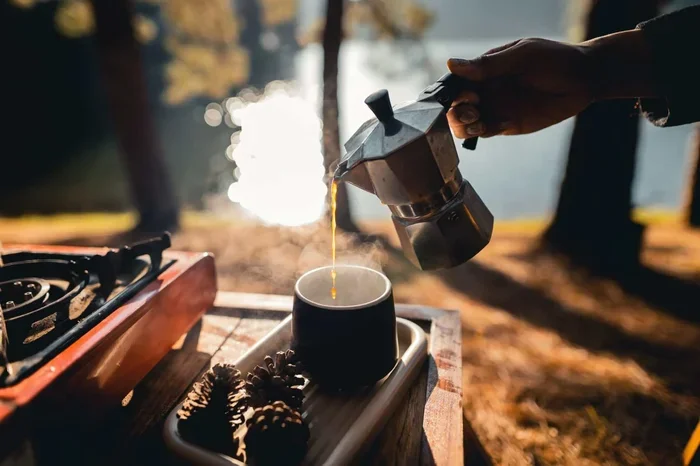
First, not everyone owns a drip coffee maker or a French press. If you are traveling, camping, or simply dealing with a broken machine, knowing how to brew ground coffee without a filter is a real lifesaver. It is one of the best kitchen hacks to have in your back pocket.
Second, the flavor difference is noticeable. Paper filters trap fine particles and oils, which can make coffee taste cleaner but also thinner. When you use a cloth filter or no filter at all, more of the coffee’s natural oils and flavors stay in the brew. The result is a richer, more aromatic cup that many coffee lovers prefer.
Third, it is budget-friendly and eco-friendly. You do not need to buy paper filters or replacement parts. A simple cloth or metal strainer works over and over again. This small change can reduce waste in your kitchen over time.
The Flavor Factor
When you brew ground coffee without a paper filter, the oils called cafestol and kahweol remain in your cup. These natural compounds contribute to a fuller body and a more complex coffee aroma. Some studies suggest these oils may also offer health benefits. So skipping the filter is not just a convenience move — it can actually improve your coffee experience in meaningful ways.
Essential Tools and Ingredients
You do not need fancy equipment to make ground coffee without filter. Here is what you will need to get started:
- Ground coffee: Use fresh coffee grounds for the best flavor. Both coarse and medium grinds work depending on the method.
- Water: Clean, filtered water makes a big difference in taste.
- A heat source: A stovetop or hot plate works perfectly.
- A strainer or cloth: A fine mesh metal strainer, cheesecloth, or a clean cotton cloth serves as your filter substitute.
- A mug or cup: Any heat-safe container will do.
- A small pot or saucepan: For heating water and brewing on the stovetop.
That is it. No special coffee maker required. If you already know how to use your oven to reheat food, you already have the basic kitchen skills needed for these brewing methods. The process is similarly straightforward and requires minimal equipment.
Methods to Make Ground Coffee Without a Filter
There are several reliable ways to brew ground coffee without a traditional paper filter. Each method produces a slightly different cup, so you can pick the one that suits your taste. Let us walk through each one in detail.
Method 1: The Stovetop Simmer Method
This is the most popular way to make coffee without filter at home. It works like a simplified version of Turkish coffee or cowboy coffee. The process is slow and gentle, allowing the coffee grounds to extract fully.
Steps:
- Add one cup of cold water to a small saucepan.
- Stir in two tablespoons of coarse ground coffee.
- Place the pot on the stove over medium heat.
- Bring the mixture to a gentle simmer. Do not let it boil rapidly.
- Once you see bubbles forming, remove the pot from the heat.
- Let the grounds settle to the bottom for about two minutes.
- Pour the coffee slowly into your mug, leaving the sediment behind.
This method produces a strong and bold cup. The coffee extraction happens slowly, which brings out deep flavors. If you like your coffee thick and rich, this is the method for you.
Method 2: The Cloth Filter Method
If you have a piece of clean cheesecloth, a cotton cloth, or even a clean cotton shirt, you can use it as a cloth filter. This method gives you a cleaner cup than the stovetop method while still keeping the natural oils.
Steps:
- Boil water in a kettle or pot.
- Place your ground coffee into the center of the cloth.
- Gather the edges of the cloth and tie them together with a string or rubber band.
- Place the cloth bundle over your mug.
- Pour hot water slowly over the bundle.
- Let it drip through for about three to four minutes.
- Remove the cloth and enjoy your coffee.
The cloth filter method gives you control over brewing time. Longer steeping means a stronger cup. Shorter steeping gives you a lighter brew. This is one of the most versatile no paper filter methods available.
Method 3: The Metal Strainer Method
A fine mesh metal strainer or sieve works well as a quick coffee filter substitute. This method is fast and convenient, especially if you need a single cup.
Steps:
- Place the metal strainer over your mug.
- Add two tablespoons of medium ground coffee to the strainer.
- Heat water until it is just below boiling (about 200 degrees Fahrenheit).
- Pour the hot water slowly over the grounds in the strainer.
- Let the coffee drip through for about three minutes.
- Remove the strainer and stir your coffee gently.
The metal strainer catches most of the large particles but lets fine grounds through. This gives your coffee a slightly heavier body compared to paper-filtered coffee. It is a great brewing method for those who want speed and simplicity.
Method 4: The DIY Paper Substitute Method
If you have a coffee filter but it is the wrong size, or you want a makeshift solution, you can create a DIY filter using paper towels or a clean paper bag.
Steps:
- Place a folded paper towel or clean paper bag over your mug.
- Secure it with a rubber band or hold it in place.
- Add two tablespoons of fine ground coffee on top.
- Pour hot water slowly over the grounds.
- Let the water drip through into the mug.
- Remove the paper substitute and enjoy.
This method works in a pinch and produces a clean cup similar to what a standard paper filter would give. However, make sure the paper towel or bag is unbleached and food-safe. Avoid colored or scented paper products.
Step-by-Step Guide: Making the Perfect Cup
Now that you know the main methods, let us put it all together into one clear guide for making ground coffee without filter every time.
Step 1: Choose Your Coffee
Start with fresh coffee beans and grind them yourself if possible. Freshly ground coffee grounds release more aroma and flavor than pre-ground options. If you buy pre-ground, store it in an airtight container away from light and heat.
Step 2: Measure Your Coffee
Use a ratio of about two tablespoons of ground coffee per six ounces of water. You can adjust this based on how strong you like your coffee. More grounds make a stronger brew, while fewer grounds create a lighter cup.
Step 3: Heat the Water
Heat your water to between 195 and 205 degrees Fahrenheit. Water that is too hot will over-extract the coffee and make it bitter. Water that is too cool will under-extract and leave your coffee weak and sour. If you do not have a thermometer, bring the water to a boil and then let it sit for 30 seconds.
Step 4: Brew
Choose your preferred method from the ones above and start brewing. Pay attention to the time. Most methods take between three and five minutes. Longer brewing times create stronger coffee, but going too long can introduce bitterness.
Step 5: Serve and Enjoy
Pour your coffee into a warm mug. If you used a method that leaves sediment at the bottom, pour slowly and leave the last bit in the pot. Add milk, cream, sugar, or enjoy it black — whatever suits your coffee taste preference.
Tips for the Best Tasting Coffee Without a Filter
Getting great ground coffee without filter comes down to a few key details. Here are expert tips that make a real difference in your cup.
- Use the right grind size: Coarse grinds work best for the stovetop method, while medium grinds suit cloth and metal filter methods. A fine grind works for the DIY paper substitute.
- Always use fresh water: Old or stale water affects the coffee aroma and taste. Start with cold, fresh water every time.
- Preheat your mug: Pour a little hot water into your mug first and swirl it around. This keeps your coffee hotter for longer.
- Do not stir the grounds: Let the coffee grounds settle naturally. Stirring mixes sediment into your cup and makes it gritty.
- Experiment with ratios: Everyone’s taste is different. Try adjusting the coffee-to-water ratio until you find your perfect coffee extraction balance.
- Clean your tools thoroughly: Just as you would check if your oven is working properly, make sure your strainer and cloth are clean before each use. Residue from previous brews can affect flavor.
Remember, practice makes perfect. The more you brew coffee without a filter, the better you will get at judging time, temperature, and ratios. Your coffee brewing skills will improve quickly.
Common Mistakes to Avoid
Even simple methods can go wrong if you make common errors. Here is what to watch out for when making ground coffee without filter.
- Using boiling water: Water that reaches a full rolling boil is too hot. It scorches the coffee grounds and creates a bitter taste. Let boiling water cool for 30 seconds before using.
- Using too fine a grind: Fine grounds slip through cloth and metal filters easily, making your coffee muddy and gritty. Stick to coarse or medium grinds for the best results.
- Skipping the settling step: Pouring coffee too quickly stirs up sediment. Always let the grounds settle before pouring, especially with the stovetop method.
- Reusing old grounds: Do not brew with the same coffee grounds twice. The flavor is weak and the coffee taste will be disappointing.
- Using dirty equipment: A grimy strainer or cloth adds off-flavors to your coffee. Clean everything thoroughly before each brew.
Avoiding these mistakes will help you brew a clean, flavorful cup every single time. Think of it like maintaining your kitchen — you would not want to use a broken oven for cooking, and you should not use dirty tools for brewing either.
How Different Methods Compare
Each method for making ground coffee without filter has its own strengths. Here is a quick comparison to help you choose the right one.
| Method | Brew Time | Flavor Profile | Ease of Use | Best For |
|---|---|---|---|---|
| Stovetop Simmer | 5-7 minutes | Bold, strong, full-bodied | Easy | Strong coffee lovers |
| Cloth Filter | 3-4 minutes | Rich, smooth, aromatic | Moderate | Flavor-focused brewers |
| Metal Strainer | 3-4 minutes | Clean with slight body | Very Easy | Quick single cups |
| DIY Paper Substitute | 3-5 minutes | Clean, light, crisp | Easy | Paper filter fans without filters |
As you can see, each method serves a different purpose. The stovetop method gives you the boldest cup, while the DIY paper substitute gives you the cleanest. The cloth filter and metal strainer sit nicely in between. Try all four and see which one matches your coffee taste preference.
Final Thoughts on Brewing Ground Coffee Without a Filter
Making ground coffee without filter is one of those simple kitchen hacks that changes your mornings. You no longer need to worry about running out of paper filters or buying expensive equipment. With just water, heat, and coffee grounds, you can brew a delicious cup using any of the methods described above.
Start with the method that feels most comfortable to you. The stovetop simmer is a great place to begin if you want bold flavor. The cloth filter method is perfect if you care about a smooth, aromatic cup. The metal strainer is ideal for quick mornings when you need speed.
Remember that the key to great coffee without a filter lies in the details. Use fresh coffee beans, heat your water to the right temperature, choose the correct grind size, and give your coffee enough time to brew. These small steps add up to a big difference in flavor.
Once you master these methods, you will wonder why you ever relied solely on paper filters. The natural oils, the fuller body, the richer coffee aroma — it is all there waiting for you. So go ahead, grab some ground coffee, and try one of these methods today. Your morning cup will thank you.
Just keep your kitchen tools clean and well-maintained, much like you would care for any other appliance. Whether you are brewing coffee or cooking a meal, taking care of your equipment always leads to better results.
Frequently Asked Questions
Can I use any type of ground coffee for these methods?
Yes, you can use any type of ground coffee for these no-filter methods. However, coarse or medium grinds work best for most methods. Fine grounds tend to slip through cloth and metal filters, making your coffee gritty. If you only have fine grounds, use the DIY paper substitute method for the cleanest result.
How do I know if my water is the right temperature for brewing?
The ideal water temperature for brewing ground coffee without filter is between 195 and 205 degrees Fahrenheit. If you do not have a thermometer, bring the water to a boil and then let it sit for about 30 seconds. This cooling period brings it into the optimal range for coffee extraction without scorching the grounds.
Is coffee made without a filter less healthy?
Not at all. In fact, coffee brewed without a paper filter retains more natural oils called cafestol and kahweol. These oils have been linked to certain health benefits. However, if you have cholesterol concerns, talk to your doctor about your coffee brewing methods and how they might affect your health.
Can I reuse coffee grounds when brewing without a filter?
It is not recommended to reuse coffee grounds for a second brew. The first extraction pulls out the majority of the flavor and aroma. A second brew produces a very weak and flat cup of homemade coffee. Always use fresh grounds for the best coffee taste.
How do I clean a cloth filter used for coffee brewing?
Rinse your cloth filter thoroughly with warm water after each use. For a deeper clean, boil the cloth in water for a few minutes to remove oils and residue. Let it dry completely before storing. A clean cloth ensures your next cup of coffee without filter tastes fresh and free of old flavors.
What is the difference between cowboy coffee and stovetop coffee?
Cowboy coffee and stovetop coffee are very similar. Both involve simmering ground coffee directly in water on the stove. The main difference is that cowboy coffee traditionally uses very coarse grounds and a longer simmer, while stovetop coffee can use a slightly finer grind and shorter brew time. Both are excellent coffee brewing methods that require no filter at all.