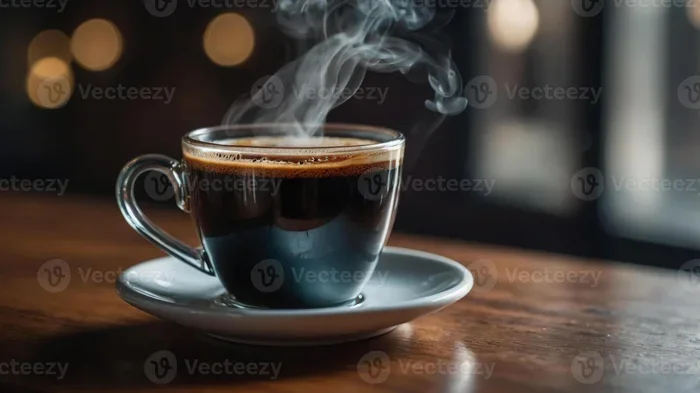
How To Make Great Tasting Coffee You Will Actually Love
Making great tasting coffee is easier than you think. You just need the right beans, proper grind size, clean filtered water, and the correct brew ratio. Follow these simple steps and you will brew coffee that rivals your favorite cafe every single morning.
There is nothing quite like a perfect cup of great tasting coffee to start your morning. Whether you are a casual coffee drinker or someone who takes their brew very seriously, making coffee at home that actually tastes amazing is totally achievable. You do not need expensive gear or years of experience. You just need a few simple techniques and the right knowledge.
In this guide, we will walk you through everything you need to know about coffee brewing at home. We will cover how to choose the best beans, how to grind them correctly, how to get the water just right, and how to nail your brew ratio every single time. By the end, you will have all the tools you need to make fresh coffee that you will genuinely look forward to drinking each day.
If you have ever wondered why your home coffee never tastes as good as what you get at a coffee shop, the answer usually comes down to a few small details. Once you fix those details, everything changes. Let us dive in and transform your morning routine.
Key Takeaways
- Start with fresh, quality beans: The foundation of great coffee begins with selecting the right beans and storing them properly.
- Grind size matters enormously: Matching your grind to your brewing method is one of the biggest keys to great flavor.
- Water quality and temperature make or break your cup: Use filtered water and aim for the right temperature range every time.
- The brew ratio is your best friend: Getting the coffee-to-water ratio right ensures a balanced, delicious cup.
- Clean your equipment regularly: Old oils and residue build up and ruin the taste of your coffee over time.
- Experiment and have fun: Every palate is different, so adjust variables until you find your perfect cup.
📑 Table of Contents
Choose the Right Coffee Beans
The single most important factor in making great tasting coffee is starting with quality beans. Everything else in the process builds on this foundation. If your beans are stale, low quality, or the wrong roast for your taste, no amount of technique will save the final cup.
Whole Beans vs Pre-Ground
Always buy whole beans when possible. Pre-ground coffee loses its flavor fast because the oils and aromatic compounds start to break down the moment they are exposed to air. Whole beans stay fresh much longer and give you control over the grind size, which we will talk about shortly.
When you do grind your beans right before brewing, the coffee flavor is noticeably brighter, richer, and more complex. It really is a game changer. If you must buy pre-ground, look for bags with a clear roast date and buy only what you will use within two weeks.
Understanding Coffee Roasts
Coffee beans come in different roasts, and each one brings a unique flavor profile to your cup. Light roasts tend to have more acidity and fruity, floral notes. Medium roasts offer a balanced flavor with nutty and caramel qualities. Dark roasts are bolder, with smoky, chocolatey, and sometimes bitter characteristics.
For morning coffee, many people prefer a medium roast because it strikes a nice balance between flavor and strength. But the best roast is the one you enjoy the most. Do not be afraid to experiment with different coffee roasts until you find your sweet spot.
Where to Buy Your Beans
Local roasters and specialty coffee shops are your best bet for high-quality beans. They often roast in small batches and provide roast dates on the bag. Online retailers can also be great, especially if they specialize in fresh-roasted coffee. Look for sellers who list the roast date, origin, and flavor notes on the packaging.
Master Your Brewing Method
There are many ways to brew coffee, and each method brings out different flavors. The best brewing method for you depends on your taste preferences, how much time you have, and what equipment you own. Let us look at the most popular options.
Pour Over
Pour over brewing gives you the most control over every variable. You slowly pour hot water over coffee grounds in a filter, and the water drips through into your cup below. This method produces a clean, bright cup that really lets the flavors of the beans shine through.
All you need is a pour-over dripper, a paper or metal filter, and a gooseneck kettle. The coffee quality you can achieve with pour over is exceptional, especially if you pay attention to your pour technique and grind size.
French Press
A French press is one of the simplest and most popular brewing methods. You steep coarse grounds in hot water for about four minutes, then press the plunger down to separate the grounds from the liquid. The result is a full-bodied, rich cup with more oils and sediment than drip coffee.
If you love bold, robust coffee taste, the French press is hard to beat. It is also very forgiving, which makes it a great choice for beginners who are still learning the ropes of home brewing.
Drip Coffee Maker
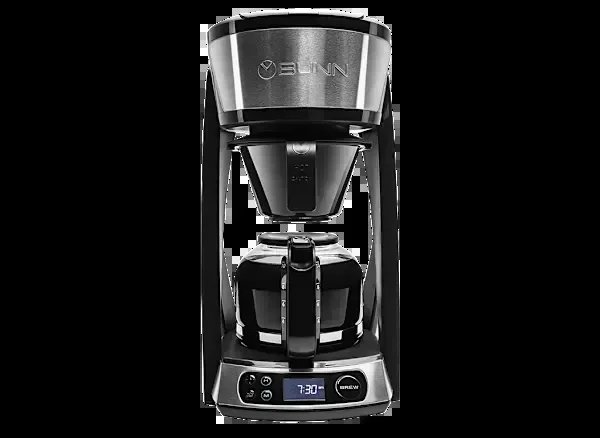
The standard drip coffee maker is a staple in most kitchens. It is convenient, easy to use, and makes multiple cups at once. While it may not offer the same level of control as pour over, a good drip machine can still produce very satisfying coffee.
The key with a drip maker is to use quality filters, clean the machine regularly, and make sure the water temperature is hot enough. A coffee maker with a built-in grinder can take your results to the next level.
The Importance of Grind Size
Grind size is one of the most overlooked factors in coffee brewing, but it has a massive impact on flavor. Different brewing methods require different grind sizes, and using the wrong one can lead to over-extraction or under-extraction.
- Coarse grind: Best for French press and cold brew. The large particles slow down extraction and prevent bitterness.
- Medium grind: Perfect for drip coffee makers and pour over. It strikes a good balance between extraction and flow rate.
- Fine grind: Ideal for espresso and moka pots. The small particles allow for quick, intense extraction.
Investing in a good coffee grinder is one of the best decisions you can make for your home brewing setup. Burr grinders are far superior to blade grinders because they produce a consistent particle size, which leads to more even extraction and better flavor.
Get the Water Right
Water makes up more than 98 percent of your cup of coffee, so it deserves serious attention. Even the best beans will taste mediocre if the water you use is not up to par.
Temperature Matters
The ideal water temperature for brewing coffee is between 195 and 205 degrees Fahrenheit. Water that is too hot will over-extract the grounds, pulling out bitter compounds. Water that is too cool will under-extract, leaving your coffee weak and sour.
If you do not have a thermometer, just bring your water to a boil and then let it sit for about 30 seconds. This simple trick gets you very close to the sweet spot. Getting the water temperature right is one of the easiest ways to improve your coffee dramatically.
Use Filtered Water
Tap water often contains chlorine, minerals, and other impurities that can affect the taste of your coffee. Using filtered water removes these contaminants and lets the natural flavors of the beans come through clearly.
You do not need an expensive filtration system. A simple activated carbon filter pitcher works great. The difference in taste is noticeable, especially with lighter roasts where subtle flavor notes really matter.
Perfect Your Brew Ratio
The brew ratio is the ratio of coffee grounds to water, and getting it right is essential for a balanced cup. Too much coffee and your drink will be overly strong and bitter. Too little and it will be weak and watery.
The Golden Ratio
The widely recommended starting point is the golden ratio: use about 1 to 2 tablespoons of ground coffee for every 6 ounces of water. Most coffee experts suggest starting at 1 tablespoon per 6 ounces and adjusting from there based on your preference.
This ratio works well across most brewing methods. Whether you are using a French press, pour over, or drip machine, this guideline gives you a solid baseline to build from.
Adjusting for Your Taste
Once you have the golden ratio down, you can start tweaking it to match your personal taste. If your coffee tastes too weak, add more grounds. If it tastes too strong or bitter, use slightly less coffee or add a bit more water.
Keep a simple log of your ratios and adjustments. Over time, you will develop an instinct for what works best. This is how you truly dial in your coffee extraction and find your perfect cup.
Common Mistakes That Ruin Your Coffee
Even experienced coffee lovers make mistakes that hurt the flavor of their brew. Being aware of these common pitfalls helps you avoid them and consistently make better coffee.
Using Stale Beans
Stale beans are the number one killer of good coffee. Coffee starts to lose its freshness about two to four weeks after roasting. If your beans have been sitting in the pantry for months, they will produce flat, lifeless coffee no matter how carefully you brew them.
Buy beans in smaller quantities and store them in an airtight container at room temperature. Avoid storing beans in the freezer, as moisture and odors can damage the flavor. Fresh beans make a huge difference in coffee quality.
Ignoring Your Equipment
Old coffee oils and mineral buildup inside your equipment can go rancid and taint the taste of every new pot you brew. This is why regular cleaning is so important. Run a vinegar and water solution through your drip machine or French press at least once a month.
Keeping all your kitchen gear clean extends beyond just coffee equipment. If you use other appliances in the kitchen, maintaining them properly helps create a better overall cooking environment. For instance, if you have a toaster oven, make sure you keep it clean for the best performance. You can learn how to clean your Cosori air fryer toaster oven properly to maintain all your kitchen tools.
Rushing the Process
Good coffee takes time. Rushing the grind, the pour, or the steeping step almost always leads to a disappointing result. Slow down, pay attention, and treat each brew as a small ritual. The extra minutes you invest pay off in a much better cup.
Using the Wrong Grind for Your Method
We mentioned this earlier, but it bears repeating. Using a fine grind in a French press will give you gritty, over-extracted coffee. Using a coarse grind in an espresso machine will give you weak, under-extracted coffee. Always match your grind size to your brewing method.
Take Your Coffee Game to the Next Level
Once you have the basics down, there are fun ways to push your home brewing further and explore new dimensions of flavor.
Experiment with Water Quality
Try brewing the same beans with different water sources. You might be surprised by how much spring water, filtered water, or even bottled water changes the final cup. This simple experiment helps you understand how much water affects the result.
Try New Brewing Techniques
AeroPress, cold brew, siphon brewing, and Turkish coffee are all worth exploring. Each method highlights different aspects of the beans and can introduce you to flavors you never knew existed in your favorite roast.
You can also explore other kitchen techniques and equipment to expand your cooking skills. For example, if you are curious about using different kitchen appliances, check out our guide on how to use your LG oven for versatile meal preparation.
Keep a Coffee Journal
Write down what beans you used, the grind size, the brew ratio, the water temperature, and how the coffee tasted. Over time, patterns will emerge, and you will get better at reproducing your favorite cups consistently. This is a practice even professional baristas use to refine their craft.
Share the Experience
Coffee is more enjoyable when shared. Invite friends over for a cupping session, or simply make a great cup for someone you care about. The social aspect of coffee adds another layer of enjoyment that goes beyond the flavor in the cup.
And if you ever need to reheat leftover coffee or food, make sure you do it properly. You can learn how to use the oven to reheat food safely and effectively to keep everything tasting fresh.
Final Thoughts
Making great tasting coffee at home is a journey, not a destination. Every cup you brew teaches you something new about your preferences, your equipment, and your ingredients. The beauty of home brewing is that you have complete control over every variable, which means you can always keep improving.
Start with the basics: fresh beans, the right grind, clean filtered water, and a proper brew ratio. Master those fundamentals, and then explore from there. Do not be afraid to make mistakes along the way. Every batch, even the imperfect ones, is a step toward better coffee.
Remember, the goal is not perfection. The goal is a cup of coffee that makes you smile every morning. With the tips in this guide, you are well on your way to achieving exactly that. Happy brewing!
If you are also interested in other kitchen topics, here is a helpful read: how to cook chicken in a convection oven for another great kitchen technique guide.
Frequently Asked Questions
What is the best coffee bean for beginners?
A medium roast from a reputable local roaster is the best starting point for beginners. Medium roasts offer a balanced flavor that is neither too acidic nor too bitter, making them very approachable and enjoyable for most people.
How often should I clean my coffee equipment?
You should clean your coffee maker, French press, or grinder at least once a month with a deep clean. A quick rinse after every few uses helps prevent oil buildup, but a thorough cleaning with vinegar and water keeps everything running at its best.
Can I reuse coffee grounds?
You can, but the second brew will be much weaker and less flavorful. Reusing grounds works in a pinch, but for the best results, always use fresh coffee grounds for each brew. Your coffee taste will be noticeably better with fresh grounds.
Does the type of water really affect coffee taste?
Absolutely. Water is the main ingredient in coffee, and its mineral content and purity directly affect the flavor. Filtered water removes chlorine and impurities, allowing the true flavors of the beans to come through clearly.
What is the difference between coffee extraction and brew ratio?
Coffee extraction refers to how much flavor is pulled from the grounds into the water, while the brew ratio is the proportion of coffee to water. Both matter, but the ratio is the easier variable to control and adjust for your personal taste.
Is a burr grinder really better than a blade grinder?
Yes, a burr grinder is significantly better. It crushes beans between two surfaces to create a consistent particle size, while a blade grinder chops beans unevenly. Consistent grind size leads to even extraction and much better coffee flavor.
=== CONCLUSION ===
Making great tasting coffee at home does not have to be complicated or expensive. By choosing fresh beans, using the right grind size, getting your water quality and temperature correct, and nailing your brew ratio, you can brew coffee that is every bit as good as what you find in a specialty cafe. The key is paying attention to the details and enjoying the process.
Start with one or two changes from this guide and build from there. Maybe you switch to whole beans and grind fresh. Maybe you finally get your water temperature right. Each small improvement compounds over time, and before you know it, your morning coffee routine will be something you genuinely look forward to every single day.
Now go brew a cup, sit back, and enjoy the fruits of your labor. You have earned it.