Will Coffee Make Me Lose Weight and Boost Metabolism
Will coffee make me lose weight? The short answer is yes, but with important caveats. Coffee can boost your metabolism, suppress appetite, and enhance fat burning when consumed the right way. However, loading your cup with sugar and cream can undo all the benefits. This guide covers the science, the best practices, and the truth about coffee and weight loss.
Have you ever wondered, will coffee make me lose weight? It is a question that millions of people ask every single day. The truth is that coffee and weight loss are more connected than you might think. Caffeine, the star ingredient in your morning cup, plays a real role in how your body burns fat and manages energy. But not all coffee drinks are created equal. A plain black cup works very differently from a sugary frappuccino loaded with whipped cream.
This article breaks down everything you need to know about coffee and weight loss. We will look at the science behind caffeine and fat burning. We will explore how coffee affects your appetite, your metabolism, and your workouts. You will also learn the best way to drink coffee for weight loss and the mistakes that can sabotage your efforts. Whether you are a coffee lover or just curious, this guide has something valuable for you.
Let us be clear from the start. Coffee is not a magic weight loss pill. But when used correctly, it can be a powerful tool in your weight management journey. The key is understanding how it works and using it wisely. So grab your favorite cup and let us dive in.
Key Takeaways
- Caffeine boosts metabolism: Coffee can increase your metabolic rate by up to 11%, helping your body burn more calories throughout the day.
- Black coffee is your best friend: Drinking coffee without sugar and cream keeps the calorie count low and maximizes weight loss benefits.
- Coffee suppresses appetite: The caffeine in coffee can reduce hunger hormones, helping you eat less throughout the day.
- Timing matters: Drinking coffee before a workout enhances fat burning and improves exercise performance significantly.
- Moderation is key: Too much coffee can lead to side effects like insomnia, anxiety, and digestive issues that may hinder weight loss.
- Green coffee bean extract is a bonus: This supplement offers additional weight loss benefits backed by scientific studies.
📑 Table of Contents
- The Science Behind Coffee and Weight Loss
- Can Coffee Suppress Your Appetite?
- Black Coffee vs. Sugary Coffee Drinks for Weight Loss
- Coffee and Exercise Performance
- How Much Coffee Should You Drink to Lose Weight?
- Other Health Benefits of Coffee for Weight Management
- Common Mistakes That Prevent Coffee from Helping You Lose Weight
- Realistic Expectations: What Coffee Can and Cannot Do
- Expert Insights on Coffee and Weight Loss
- Conclusion
The Science Behind Coffee and Weight Loss
So how does coffee make you lose weight exactly? The answer lies in caffeine, the natural stimulant found in coffee beans. Caffeine affects your body in several ways that directly support weight loss. Understanding this science helps you make smarter choices about when and how to drink your coffee.
How Caffeine Boosts Your Metabolism
Your metabolism is the process your body uses to convert food into energy. A faster metabolism means your body burns more calories even when you are resting. Caffeine is one of the few natural substances proven to boost metabolic rate. Studies show that caffeine can increase your metabolism by 3 to 11 percent. This effect is called caffeine thermogenesis, and it is a big deal for anyone trying to lose weight.
Here is how it works. Caffeine stimulates your central nervous system. This signals your body to break down fat cells and use them as fuel. The process is called fat oxidation. Your body literally starts burning stored fat for energy instead of holding onto it. This is why many fat burning supplements list caffeine as a key ingredient.
But there is a catch. The metabolism-boosting effect is stronger in lean people than in those who are obese. Over time, your body can also build a tolerance to caffeine. This means the metabolic boost may decrease if you drink coffee every single day without breaks. To keep the benefits, some experts suggest cycling your coffee intake or taking occasional breaks.
Caffeine and Your Nervous System
Caffeine does more than just wake you up. It blocks a neurotransmitter called adenosine. When adenosine is blocked, other neurotransmitters like dopamine and norepinephrine increase. This leads to improved focus, better mood, and more energy. All of these factors support an active lifestyle, which is essential for weight loss.
When you feel more energized, you are more likely to move. You are more likely to take the stairs, go for a walk, or hit the gym. This might seem small, but those extra calories burned add up over time. Coffee and energy levels go hand in hand, and that energy can translate into real weight loss results.
Can Coffee Suppress Your Appetite?
One of the most talked-about benefits of coffee is its ability to reduce hunger. Many people notice that they eat less after drinking a cup of black coffee. But is this really true, or is it just a feeling? The answer is a bit of both.
How Coffee Affects Hunger Hormones
Caffeine appears to temporarily reduce levels of the hunger hormone ghrelin. It may also increase levels of peptide YY, a hormone that makes you feel full. Together, these effects can lead to eating fewer calories throughout the day. This is especially helpful if you tend to snack between meals.
However, the appetite-suppressing effect does not last forever. It typically wears off after a few hours. This is why timing your coffee intake matters. Drinking coffee about 30 to 60 minutes before a meal may help you eat smaller portions. Over time, this can create a calorie deficit that leads to weight loss.
Best Times to Drink Coffee for Appetite Control
If you want to use coffee to control hunger, here are some tips that work well:
- Drink a cup of black coffee about 30 minutes before your main meals.
- Avoid coffee too late in the day, as it can interfere with sleep and increase cravings the next day.
- Replace sugary snacks with a quick cup of black coffee when hunger hits between meals.
- Try a cup of coffee without sugar to keep calories minimal while still getting the appetite benefits.
Keep in mind that individual responses vary. Some people find coffee suppresses their appetite very effectively. Others notice no difference at all. Listening to your body is the best approach.
Black Coffee vs. Sugary Coffee Drinks for Weight Loss
This is where many people go wrong. Coffee itself is very low in calories. A plain black cup of coffee contains only about 2 to 5 calories. But the moment you add sugar, flavored syrups, cream, and whipped cream, the calorie count skyrockets. A large caramel frappuccino from a popular coffee chain can contain over 500 calories. That is essentially a meal, not a weight loss drink.
Calorie Comparison of Popular Coffee Drinks
Let us look at how different coffee drinks compare when it comes to calories and weight loss:
- Black coffee: 2 to 5 calories. The best choice for weight loss. Zero sugar, zero fat, and full of metabolism-boosting caffeine.
- Americano: 10 to 15 calories. Just coffee and water. Still an excellent low-calorie option.
- Latte with whole milk: 150 to 250 calories. Better than a frappuccino but still adds calories from milk.
- Mocha with whipped cream: 300 to 500 calories. This is more of a dessert than a weight loss drink.
- Flavored latte with syrup: 250 to 450 calories. The added sugar can completely undo the benefits of caffeine.
The clear winner for coffee and weight loss is black coffee or coffee with minimal additions. If you find black coffee too bitter, try adding a small splash of unsweetened almond milk. It adds flavor without many calories. Some people also enjoy a dash of cinnamon, which can help regulate blood sugar levels.
The Hidden Calories in Specialty Drinks
Many coffee shop drinks are loaded with hidden sugars and fats. Even drinks that sound healthy can be calorie bombs. For example, a vanilla latte with skim milk sounds light, but the vanilla syrup adds significant sugar. Always check the nutrition information before ordering. Better yet, make your coffee at home where you control every ingredient.
Making coffee at home also saves money. Over time, the savings can be significant. Instead of spending five dollars a day on a fancy coffee drink, you can invest in quality beans and make a much healthier version at home. Your wallet and your waistline will both thank you.
Coffee and Exercise Performance
Did you know that drinking coffee before a workout can significantly improve your exercise performance? This is one of the most well-supported benefits of coffee for weight loss. When you combine caffeine with physical activity, the results can be impressive.
Coffee Before Workout: What the Research Says
Studies show that caffeine increases adrenaline levels in your blood. Adrenaline prepares your body for intense physical activity. It is often called the fight-or-flight hormone. When adrenaline flows, your body releases fatty acids from fat tissues into your bloodstream. Your muscles then use these fatty acids as fuel. This means you burn more fat during your workout.
The performance benefits of coffee before workout sessions are well documented. Caffeine can improve endurance, reduce perceived effort, and increase overall power output. In simple terms, you can exercise harder and longer when you have caffeine in your system. This leads to more calories burned and better weight loss results.
For the best results, drink a cup of black coffee about 30 minutes before your workout. This gives the caffeine time to kick in. Avoid drinking coffee on a full stomach, as it can cause discomfort during exercise. And always stay hydrated. Coffee is a mild diuretic, which means it can increase fluid loss.
Beyond the Gym: Daily Movement and Coffee
Exercise does not have to mean a gym session. Walking, cycling, gardening, and playing with your kids all count. Coffee can support all of these activities by boosting your energy and motivation. Many people find that their coffee morning routine sets the tone for an active day. A cup of coffee in the morning gives them the push they need to get moving.
Pairing your coffee morning routine with some light stretching or a short walk can amplify the benefits. Even 15 minutes of movement after your coffee can kickstart your metabolism and set a positive tone for the entire day. Small habits like these add up to big results over time.
How Much Coffee Should You Drink to Lose Weight?
Moderation is the key word here. While coffee can support weight loss, too much of it can cause problems. Finding the right balance is essential for both your health and your goals.
Recommended Daily Caffeine Intake
Most health experts agree that up to 400 milligrams of caffeine per day is safe for most adults. This equals about 3 to 4 cups of brewed coffee. However, individual tolerance varies greatly. Some people feel great with two cups, while others can handle more without side effects.
Here are some general guidelines for drinking coffee for weight loss:
- Start with one to two cups per day and see how your body responds.
- Avoid drinking coffee after 2 PM to protect your sleep quality.
- Space out your cups throughout the morning rather than drinking them all at once.
- Listen to your body. If you feel jittery, anxious, or have trouble sleeping, cut back.
Remember that caffeine tolerance builds up over time. If you find that your usual cup of coffee no longer gives you the same boost, consider taking a short break. A few days without caffeine can reset your sensitivity and make your morning cup effective again.
Risks of Drinking Too Much Coffee
Excessive coffee consumption can backfire when it comes to weight loss. Too much caffeine can increase cortisol levels, the stress hormone. Elevated cortisol is linked to increased belly fat storage. It can also cause insomnia, which disrupts the hormones that regulate hunger and appetite. Poor sleep leads to more cravings and overeating the next day.
Other side effects of too much coffee include digestive issues, rapid heartbeat, and anxiety. These problems can make it harder to stick to a healthy lifestyle. The goal is to use coffee as a gentle support tool, not to rely on it as a crutch.
Other Health Benefits of Coffee for Weight Management
Beyond metabolism and appetite, coffee offers several other benefits that support weight management. These advantages work together to create a healthier overall picture.
Coffee and Digestion
Coffee stimulates the digestive system and can promote regular bowel movements. This is helpful for reducing bloating and keeping your digestive health on track. A healthy digestive system is important for effective weight management. When your body processes food efficiently, you absorb fewer excess calories and nutrients.
Some studies also suggest that coffee supports healthy gut bacteria. A balanced gut microbiome is increasingly linked to healthy weight maintenance. While more research is needed, the early findings are promising for coffee lovers.
Coffee and Insulin Sensitivity
Insulin is the hormone that regulates blood sugar. When your cells become resistant to insulin, your body stores more fat, especially around the midsection. Some research suggests that moderate coffee consumption may improve insulin sensitivity. This means your body handles blood sugar more effectively, which can reduce fat storage.
However, adding too much sugar to your coffee can have the opposite effect. It can spike your blood sugar and worsen insulin resistance. This is another reason to keep your coffee simple and avoid sugary additions. Coffee without sugar is one of the simplest steps you can take for better metabolic health.
Green Coffee Bean Extract: A Bonus Option
Green coffee bean extract is a supplement made from unroasted coffee beans. It contains high levels of chlorogenic acid, a compound that may reduce the absorption of carbohydrates and promote fat burning. Some studies have shown that green coffee bean extract can lead to modest weight loss. However, more research is needed to confirm these effects.
If you are interested in trying green coffee bean extract, talk to your doctor first. Supplements are not regulated as strictly as medications, so quality can vary. Look for reputable brands with third-party testing to ensure safety and effectiveness.
Common Mistakes That Prevent Coffee from Helping You Lose Weight
Even if you drink coffee every day, certain mistakes can prevent it from supporting your weight loss goals. Here are the most common pitfalls to avoid:
- Adding too much sugar: This is the number one mistake. Sugar adds empty calories and spikes your blood sugar, leading to more hunger and cravings later.
- Choosing high-calorie creamers: Many flavored creamers are full of sugar and artificial ingredients. Switch to a small amount of whole milk or a plant-based alternative.
- Drinking coffee on an empty stomach: While it may boost metabolism temporarily, it can also increase acid production and cause digestive discomfort over time.
- Relying on coffee instead of sleep: Using coffee to compensate for poor sleep disrupts your hormones and increases cravings for unhealthy foods.
- Ignoring the big picture: Coffee alone will not cause significant weight loss. It works best as part of a balanced diet and active lifestyle. No cup of coffee can replace healthy eating and regular exercise.
Avoiding these mistakes ensures that your coffee habit actually helps rather than hurts your weight loss efforts. Small adjustments to how you drink coffee can make a big difference over time.
Realistic Expectations: What Coffee Can and Cannot Do
It is important to set realistic expectations when it comes to coffee and weight loss. Coffee can support your efforts, but it is not a standalone solution. Think of it as a helpful companion on your weight loss journey, not the driver.
Here is what coffee can realistically do for you:
- Boost your metabolism by a modest amount
- Provide a temporary appetite-suppressing effect
- Enhance your exercise performance and fat burning
- Increase your energy and motivation to stay active
- Support better digestion and gut health
Here is what coffee cannot do:
- Burn fat on its own without a calorie deficit
- Replace a healthy diet and regular exercise
- Work the same way for everyone due to individual differences in caffeine tolerance
- Produce dramatic or overnight weight loss results
The most effective approach combines coffee with a balanced lifestyle. Eat nutritious foods, stay active, get enough sleep, and enjoy your coffee in moderation. This combination gives you the best chance of achieving and maintaining a healthy weight.
Expert Insights on Coffee and Weight Loss
Nutrition experts generally agree that coffee can be a useful tool for weight management when consumed wisely. Many dietitians recommend starting the day with a cup of black coffee paired with a protein-rich breakfast. This combination provides sustained energy and helps control hunger throughout the morning.
Some experts also suggest pairing coffee with whole foods that support metabolism. For example, a breakfast that includes lean protein like turkey can complement the effects of caffeine. If you are planning your meals, learning how to make the best turkey in the oven can give you a delicious, high-protein option that works well with your morning coffee routine. This guide on making turkey in the oven offers great tips for healthy meal prep.
Experts also warn against using coffee to skip meals. Skipping meals slows down your metabolism and can lead to overeating later. Coffee should complement your meals, not replace them. Think of it as a small boost that supports the healthy habits you are already building.
For those who enjoy cooking as part of a healthy lifestyle, you might also explore creative ways to use coffee in recipes. Coffee can add depth of flavor to marinades, rubs, and even desserts. If you are curious about incorporating coffee into your cooking, check out this guide on how to make garlic bread with garlic powder in the oven for ideas on pairing bold flavors with your meals.
Another important consideration is how you prepare your meals alongside your coffee routine. Using healthy cooking methods can enhance your overall weight loss efforts. For those interested in energy-efficient and healthy cooking, learning how to make a solar oven with aluminum foil is a fantastic way to cook without electricity while maintaining a nutritious diet.
Finally, if you enjoy baking or making treats at home, choosing healthier options can keep your coffee routine on track. For instance, if you have a sweet tooth, you might want to explore how to make cheesecake in a toaster oven as a lower-calorie dessert option that pairs wonderfully with your afternoon coffee.
Conclusion
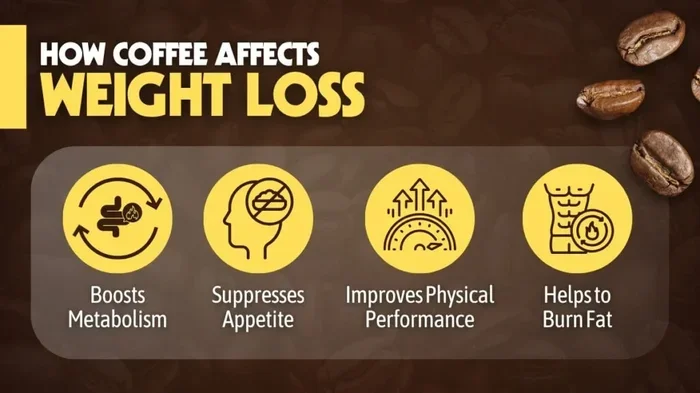
So, will coffee make me lose weight? The evidence says yes, it can help. Coffee boosts your metabolism, suppresses your appetite, and enhances your exercise performance. But it is not a magic solution. The real power comes from combining coffee with a healthy diet and an active lifestyle.
Keep your coffee simple. Drink it black or with minimal additions. Time your coffee intake to support your workouts and appetite control. And always listen to your body. If coffee makes you feel good and supports your goals, it can be a valuable part of your weight loss toolkit.
The journey to a healthier weight is built on many small habits that add up over time. Coffee can be one of those habits. Enjoy it mindfully, use it wisely, and let it work alongside your other healthy choices. With the right approach, your morning cup of coffee can do more than just wake you up. It can genuinely support your path to a healthier, lighter you.
Frequently Asked Questions
Does black coffee really help you lose weight?
Yes, black coffee can support weight loss in several ways. It boosts your metabolism, helps burn fat through caffeine thermogenesis, and may reduce your appetite. A plain cup of black coffee contains only 2 to 5 calories, making it one of the best low-calorie beverages for a weight loss plan.
How many cups of coffee should I drink a day to lose weight?
Most experts recommend 2 to 4 cups per day, which provides about 200 to 400 milligrams of caffeine. This amount supports metabolism and energy without causing side effects. However, individual tolerance varies, so start with fewer cups and adjust based on how your body responds.
Can I drink coffee on an empty stomach for weight loss?
While some people do, it is not recommended for everyone. Drinking coffee on an empty stomach can increase stomach acid and cause digestive discomfort. It is better to have a small, balanced meal or snack before your coffee to protect your stomach and maintain steady energy levels.
What is the best time to drink coffee for weight loss?
The best time to drink coffee for weight loss is in the mid-morning, about 30 minutes before a meal or a workout. Avoid drinking coffee too late in the day, as it can disrupt sleep. Poor sleep increases hunger hormones and can lead to weight gain over time.
Does adding milk to coffee affect weight loss?
Adding a small amount of milk has minimal impact on weight loss. Whole milk adds more calories than skim or plant-based alternatives. If you want to keep calories low, use unsweetened almond milk or a splash of skim milk. Avoid flavored creamers, which are often high in sugar and artificial ingredients.
Is green coffee bean extract effective for weight loss?
Some studies suggest that green coffee bean extract may support modest weight loss due to its chlorogenic acid content. However, the effects are small and more research is needed. It should not replace a healthy diet and exercise. Always consult your doctor before starting any new supplement.