How To Roast Cornish Hen In Oven And Get Juicy Results
Discover the secrets to roasting cornish hen in oven for perfectly juicy results every time. This guide walks you through selecting, seasoning, and cooking a whole cornish hen to golden perfection. You’ll master temperature control, basting, and carving with simple, foolproof steps.
There is something truly special about a whole roasted cornish hen on the table. These small, elegant birds look impressive, cook quickly, and deliver incredibly juicy meat. If you have been wondering how to roast cornish hen in oven and get juicy results, you are in the right place. This guide will take you from raw bird to show-stopping centerpiece with ease.
Roasting cornish hen in oven is simpler than you think. Unlike a large turkey, a cornish hen cooks in under an hour. The key is balancing heat, seasoning, and timing. You will learn every step, from picking the bird at the store to slicing it for serving. Along the way, I will share my favorite tips for crispy skin and tender, flavorful meat.
Whether you are cooking for a romantic dinner or a small holiday gathering, oven roasted cornish hen is a foolproof choice. The bird is naturally small, so it fits easily in any standard oven. You will not need special equipment—just a basic roasting pan, a good thermometer, and a little patience. Let us dive in and make your next cornish hen unforgettable.
Key Takeaways
- Choose the right size bird: A 1–2 lb cornish hen ensures even cooking and juicy meat.
- Dry brine for maximum flavor: Salt the hen 12–24 hours ahead to season deeply and crisp the skin.
- Roast at 425°F for crispy skin: High heat renders fat quickly and gives a golden finish.
- Use a meat thermometer: Pull the hen at 165°F internal temperature for perfectly cooked breast and thighs.
- Rest before carving: Let the bird rest 10 minutes to retain juicy juices.
- Baste for moisture: Spoon pan juices over the hen halfway through roasting for a moist, flavorful result.
📑 Table of Contents
- Understanding Cornish Hens And Why Oven Roasting Works
- Choosing The Best Cornish Hen For Roasting
- Preparing Your Cornish Hen For The Oven
- The Perfect Oven Temperature And Cooking Time
- Tips For Juicy Results And Perfectly Crispy Skin
- Carving And Serving Your Roasted Cornish Hen
- Storing Leftovers And Reheating
- Final Thoughts On How To Roast Cornish Hen In Oven
Understanding Cornish Hens And Why Oven Roasting Works
A cornish hen is not a tiny chicken, though it looks like one. It is a young, small breed of poultry that typically weighs between one and two pounds. Because of its size, a whole cornish hen cooks much faster than a full-sized chicken. This makes it perfect for a quick, elegant weeknight meal or a special occasion.
What Exactly Is A Cornish Hen
The cornish hen is a cross between a Cornish chicken and a Plymouth Rock hen. The result is a small, tender bird with a delicate flavor. Many people think it tastes like a game bird, but it is actually just a young chicken. The meat is lean, succulent, and perfect for roasting whole. Because the bird is small, each serving feels like a personal roast.
Why The Oven Is The Best Method
Oven roasting gives you even, surround heat that cooks the bird gently from all sides. You can baste it easily, monitor the temperature, and crisp the skin without constant attention. Stovetop methods can leave the breast dry, but an oven provides consistent results. When you learn how to roast cornish hen in oven, you gain control over every variable. The oven also frees up your stovetop for side dishes like roasted vegetables or a simple gravy.
Choosing The Best Cornish Hen For Roasting
The journey to juicy results starts at the store. Picking the right bird sets the foundation for everything that follows. You want a fresh, well-shaped hen that will cook evenly.
Fresh Versus Frozen
Fresh cornish hens are ideal, but frozen ones work perfectly too. If you buy frozen, plan ahead to thaw it safely in the refrigerator for one to two days. Never thaw a bird on the counter, as this invites bacteria. A properly thawed hen will cook more evenly and absorb seasoning better. Always check the package for any ice crystals or freezer burn, which can dry out the meat.
Size And Weight Matter
Look for a hen that weighs between one and one and a half pounds per person. A single bird makes a generous serving for one or two people. If you are cooking for four, buy two hens. Larger birds may seem tempting, but they can dry out before the skin crisps. A smaller, plump hen with smooth skin and a pleasant smell is your best bet for oven roasted cornish hen perfection.
Preparing Your Cornish Hen For The Oven
Proper preparation is the secret to juicy, flavorful meat. Take your time with this step, and the oven will do the rest.
Dry Brining For Deep Flavor
Dry brining is my favorite method for roast cornish hen. It seasons the meat from the inside out and helps the skin crisp. Simply pat the hen dry with paper towels, then rub it generously with kosher salt. Place the seasoned bird uncovered on a plate in the refrigerator for at least twelve hours, or up to twenty-four hours. The salt draws out moisture, which then gets reabsorbed, seasoning the flesh. The result is a bird that tastes deeply savory and has a beautifully crackly skin.
Seasoning And Herb Butter
Right before roasting, add layers of flavor. Mix softened butter with minced garlic, chopped fresh herbs like thyme and rosemary, and a pinch of black pepper. Gently loosen the skin over the breast and rub the herb butter directly onto the meat. This keeps the breast incredibly moist. Then rub the outside of the bird with a little olive oil and a final sprinkle of salt. The herb butter will melt as the hen roasts, basting it from the inside.
Bringing The Bird To Room Temperature
Take the cornish hen out of the refrigerator about thirty minutes before cooking. Letting it warm up slightly ensures more even roasting. A cold bird going straight into a hot oven can cook unevenly, with the outside overcooking before the inside reaches the safe temperature. This simple step makes a big difference in your final result.
The Perfect Oven Temperature And Cooking Time
Now for the most important part: the actual roasting. Getting the temperature and time right is what separates dry, bland hen from juicy, golden perfection.
High Heat For Crispy Skin
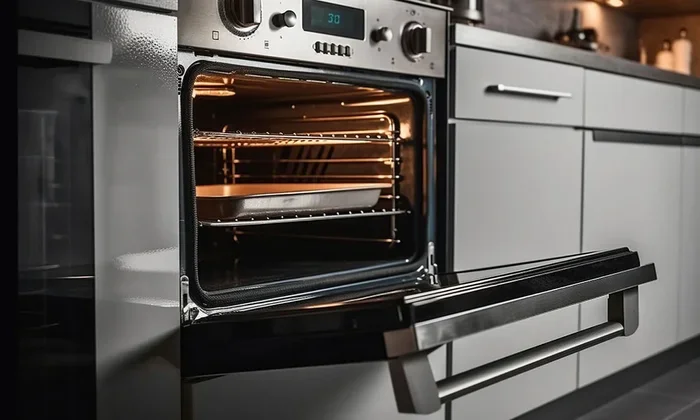
Preheat your oven to 425°F (220°C). This high heat is essential for crispy skin. It quickly renders the fat under the skin and creates a golden-brown, crackling exterior. A lower temperature will steam the bird and leave you with pale, soggy skin. The hot oven also seals the outside, locking in juices. When you roast cornish hen in oven at 425°F, you get the best of both worlds: tender meat and irresistible texture.
Roasting Time Guide
A one-pound cornish hen will take about 45 to 55 minutes. A larger hen up to two pounds may need 55 to 70 minutes. The best way to know when your cornish hen is done is not the clock, but a meat thermometer. Insert the probe into the thickest part of the thigh, making sure it does not touch the bone. The internal temperature should read 165°F (74°C). The juices should run clear when you pierce the thigh with a knife.
Roasting Time And Temperature Chart
| Bird Weight | Oven Temperature | Approximate Roasting Time | Internal Temp Target |
|---|---|---|---|
| 1 lb (single hen) | 425°F | 45–55 minutes | 165°F |
| 1.5 lb (single hen) | 425°F | 55–65 minutes | 165°F |
| 2 lb (single hen) | 425°F | 65–75 minutes | 165°F |
| Two 1 lb hens | 425°F | 50–60 minutes | 165°F |
These times are guidelines. Always rely on your thermometer. Every oven runs a little differently, and the starting temperature of the bird varies. A reliable instant-read thermometer is your single best tool for juicy results.
Tips For Juicy Results And Perfectly Crispy Skin
Even with the right temperature, small mistakes can ruin a roast. Follow these tips to guarantee the juiciest, most flavorful cornish hen every time.
Baste Halfway Through
About halfway through the roasting time, open the oven and spoon the hot pan juices over the bird. This adds moisture and flavor to the surface. If you have placed vegetables like potatoes or carrots in the pan, the juices will coat them too. Basting also helps the skin brown evenly. Use a large spoon or a bulb baster and work quickly to keep the oven heat from dropping too much.
Do Not Overcook The Breast
The breast meat dries out faster than the thighs. Because cornish hens are small, the breast can go from perfectly done to dry in just a few minutes. Watch the internal temperature closely. When the thigh reaches 160°F, pull the bird out. The temperature will rise another 5 degrees during resting, reaching the safe 165°F. This carryover cooking is your secret weapon for juicy, tender breast meat.
Common Mistakes To Avoid
- Skipping the dry brine: This is the number one mistake home cooks make. Brining seasons the meat and prevents dryness.
- Roasting at too low a temperature: Low heat steams the bird and gives you pale, rubbery skin.
- Cutting into the bird too soon: Resting is non-negotiable. Cutting too early releases all the juices onto the cutting board instead of staying in the meat.
- Using a dull thermometer: A cheap or slow thermometer can give false readings. Invest in a good instant-read probe.
- Overcrowding the pan: Give the hen space to breathe. Crowding traps steam and prevents crisping.
Expert Insight: The Resting Period
Letting the roasted cornish hen rest for at least ten minutes before carving is essential. During this time, the juices redistribute throughout the meat. The temperature stabilizes, and the fibers relax. If you skip this step, you will lose a surprising amount of moisture when you slice into the bird. Tent the hen loosely with aluminum foil to keep it warm without steaming the skin.
Carving And Serving Your Roasted Cornish Hen
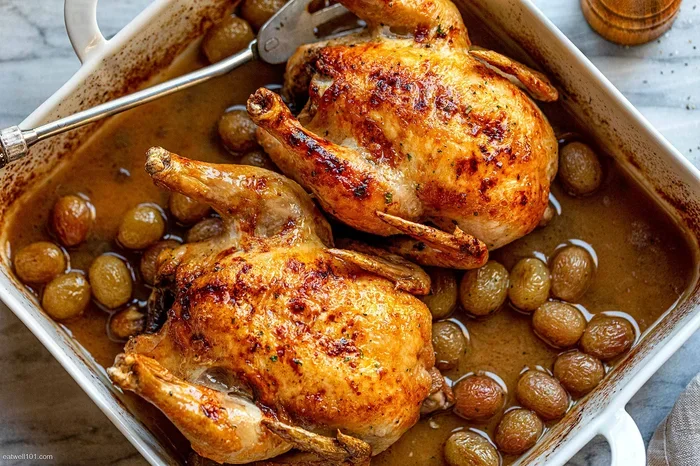
Once your hen has rested, it is time to carve. A properly roasted cornish hen is a beautiful thing to present. The golden skin, the fragrant juices, and the tender meat make it a showstopper on any plate.
How To Carve A Cornish Hen
Place the hen on a cutting board breast-side up. Use a sharp carving knife or a good chef’s knife. First, remove the legs by cutting through the joint where the thigh meets the body. Then separate the drumstick from the thigh. Next, cut along the breastbone and slice the breast meat into individual portions. The wings are small and can be left on for a rustic presentation or removed. Serve each piece on a warm plate with the pan juices spooned over the top.
Delicious Serving Ideas
A roasted cornish hen pairs beautifully with simple, roasted vegetables. Think baby potatoes, carrots, and parsnips tossed in olive oil and roasted in the same pan. A bright green salad or roasted asparagus makes a perfect side. For a richer meal, make a quick gravy from the pan drippings. Simply add a splash of chicken broth to the hot pan, scrape up the browned bits, and simmer until slightly thickened. Drizzle it over the carved hen and you have a restaurant-quality dinner at home.
Storing Leftovers And Reheating
Leftover cornish hen meat stays fresh in the refrigerator for up to three days. Store it in an airtight container. To reheat, place the meat in a baking dish, add a splash of broth, and cover with foil. Warm it in a 325°F oven for about 15 minutes. This gentle reheating keeps the meat from drying out. You can also shred the leftover meat for salads, sandwiches, or soups. The flavorful bones make an excellent stock for future recipes.
Final Thoughts On How To Roast Cornish Hen In Oven
Roasting a cornish hen in the oven is one of the most rewarding things you can cook. It is faster than a full roast chicken, more elegant than a simple grilled piece of poultry, and endlessly adaptable. Once you master the basic method, you can experiment with different spice rubs, citrus marinades, or even stuff the cavity with fresh herbs and lemon wedges. The principles stay the same: brine, season, roast hot, rest, and carve. Follow these steps, and you will consistently pull a juicy, golden bird from the oven that will impress your family and friends.
Now that you know exactly how to roast cornish hen in oven and get juicy results, it is time to head to the kitchen. Pick up a fresh cornish hen, grab your salt and herbs, and preheat that oven. In less than an hour, you will have a beautiful, delicious roast that proves simple ingredients and proper technique can create something truly special. Enjoy the process, and savor every bite.
Frequently Asked Questions
How long does it take to roast a cornish hen in the oven?
A one-pound cornish hen roasts in about 45 to 55 minutes at 425°F. Larger hens up to two pounds may need 55 to 70 minutes. Always use a meat thermometer to confirm the internal temperature reaches 165°F in the thickest part of the thigh.
Should I cover a cornish hen with foil while roasting?
No, you should roast the hen uncovered. Leaving it uncovered allows the skin to crisp and turn golden brown. Covering it would trap steam and result in soggy skin. If the bird starts to brown too quickly, you can loosely tent the breast with a piece of foil for the last 10 minutes.
What temperature should a roasted cornish hen be?
The safe internal temperature for a roasted cornish hen is 165°F (74°C). Measure this at the thickest part of the thigh, avoiding the bone. For the juiciest result, pull the bird when the thigh reaches 160°F and let it rest; the temperature will rise to 165°F during the resting period.
Do I need to brine a cornish hen before roasting?
Brining is not strictly necessary, but it makes a huge difference. A dry brine of kosher salt applied 12 to 24 hours ahead seasons the meat deeply and helps the skin crisp. If you are short on time, a simple salt rub right before roasting will still improve flavor and moisture.
Can I roast cornish hens with vegetables in the same pan?
Absolutely. Vegetables like baby potatoes, carrots, onions, and parsnips roast beautifully alongside a cornish hen. Cut them into similar-sized pieces so they cook at the same rate. Add them to the pan about 30 minutes into the roasting time so they do not overcook.
How do I reheat leftover roasted cornish hen without drying it out?
Place the leftover meat in a baking dish, add a splash of chicken broth, and cover tightly with aluminum foil. Reheat in a 325°F oven for 15 to 20 minutes. The broth creates steam that keeps the meat moist. You can also reheat individual pieces in a covered skillet on the stovetop over low heat.