How Does Coffee Make You Poop So Fast Every Single Time
Coffee makes you poop fast because it stimulates stomach acid, triggers gut hormones, and speeds up colon movement. Both caffeine and decaf can trigger this effect, which means the drink itself — not just the caffeine — is to blame. Understanding why coffee makes you poop so fast helps you enjoy your morning cup without the bathroom rush.
You know the feeling. You pour your first cup of coffee in the morning. Ten minutes later, your stomach gurgles, and you’re heading to the bathroom. It happens so predictably that you’ve stopped questioning it. But have you ever wondered how does coffee make you poop so fast?
The answer is more interesting than you might think. Coffee doesn’t just wake up your brain. It wakes up your entire digestive system. Multiple scientific mechanisms work together to get things moving fast, and they kick in within minutes of that first sip.
In this article, we break down exactly why coffee sends you running to the toilet every single time. We’ll cover the science, the types of coffee that make it worse, and what you can do about it. Whether you drink drip coffee, espresso, or your own Dunkin iced coffee, this guide covers you.
Key Takeaways
- Stomach acid boost: Coffee tells your stomach to produce more acid, which wakes up your digestive system fast.
- Hormone release: Drinking coffee triggers gastrin and cholecystokinin, two hormones that speed up gut movement.
- Decaf does it too: Even decaffeinated coffee makes you poop, so caffeine isn’t the only culprit.
- Acidity matters: The natural acids in coffee irritate your gut lining and push things along.
- Brew method plays a role: Cold brew and espresso affect digestion differently than drip coffee.
- Timing is key: Drinking coffee on an empty stomach amplifies the laxative effect.
📑 Table of Contents
- Why Coffee Makes Your Stomach Wake Up So Fast
- The Science Behind Coffee and Digestion
- Does the Type of Coffee You Drink Matter?
- How Coffee Affects Your Gut Hormones and Nervous System
- Tips to Manage Coffee’s Digestive Effects
- When to See a Doctor About Coffee and Digestion
- Common Mistakes People Make With Coffee and Digestion
- Final Thoughts
Why Coffee Makes Your Stomach Wake Up So Fast
Coffee is one of the most powerful natural digestive stimulants on the planet. A single cup can trigger a wave of activity in your gut that starts within 4 to 5 minutes. That’s faster than most foods or drinks.
Stomach Acid Production Goes Into Overdrive
When coffee hits your stomach, it tells your stomach lining to produce more hydrochloric acid. This acid helps break down food, but when there’s extra acid with no food to digest, your gut treats it as a signal to move things along. Your body wants to clear out the extra acid, and the fastest way to do that is to… well, you know.
This is why drinking coffee on an empty stomach often causes the strongest urge. There’s nothing to absorb the acid, so your colon gets the message loud and clear.
The Acid Factor in Different Brews
Not all coffee has the same acid level. For example, wet-ground coffee tends to have a different chemical profile than dry-ground varieties. The brewing method changes how much acid ends up in your cup. Here’s a quick look at common methods:
- Espresso: Highly concentrated, high acid, strong gut response
- Drip coffee: Moderate acid, steady digestive trigger
- Cold brew: Lower acidity, gentler on the stomach
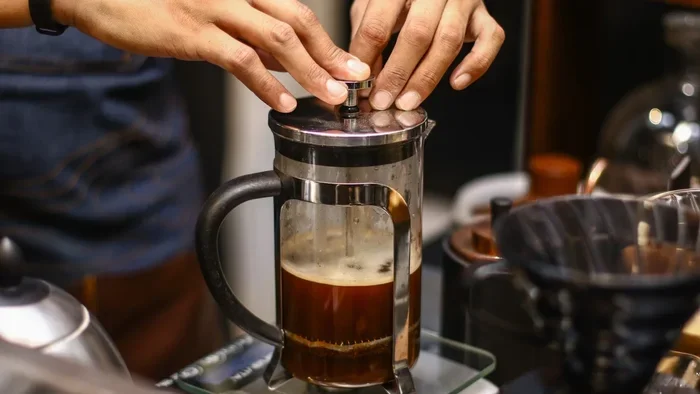
- French press: Full-bodied, more oils, can irritate sensitive guts
So if you’ve ever noticed that some coffees send you running faster than others, the acid content is a big reason why.
The Science Behind Coffee and Digestion
Scientists have studied the coffee laxative effect for decades. The research shows that coffee affects your gut in several ways at the same time. It’s not just one thing — it’s a perfect storm of digestive triggers.
Hormones That Speed Up Your Gut
When you drink coffee, your body releases two key hormones that directly affect bowel movements:
- Gastrin: This hormone tells your stomach to start churning. It speeds up gastric emptying, which means food moves from your stomach to your intestines faster than normal.
- Cholecystokinin (CCK): This hormone triggers contractions in your colon. These contractions push waste toward the exit, and they happen faster after coffee consumption.
Studies show that these hormone levels spike within 3 to 4 minutes of drinking coffee. That’s why the urge can hit so suddenly. Your body is literally on fast forward.
The Colon Contraction Effect
Your colon is a muscle. It contracts to move waste through your body. Coffee increases these contractions, a process called colonic motility. Research published in the journal Gut found that coffee stimulates colonic activity almost as much as a meal does. That’s impressive for a drink.
Interestingly, decaf coffee does this too. We’ll explain why in the next section.
Does the Type of Coffee You Drink Matter?
Yes, it absolutely does. Not all coffee affects your gut the same way. The beans, the roast, the brew method, and even the temperature all play a role in how fast coffee makes you poop.
Caffeinated vs. Decaf: The Surprising Truth
Here’s something that surprises a lot of people. Decaf coffee makes you poop too. A study from the European Journal of Gastroenterology found that decaf coffee stimulated colonic activity just as much as regular coffee. Caffeine contributes, but it’s not the whole story.
The compounds in coffee itself — like chlorogenic acids and N-alkanoyl-5-hydroxytryptamides — directly stimulate stomach acid and gut hormones. So even without caffeine, your morning cup is doing its job.
Hot Coffee vs. Cold Brew
Temperature matters more than you’d think. Hot coffee tends to stimulate the gut faster because heat relaxes the smooth muscles in your digestive tract. Cold brew is lower in acid, which means it’s gentler on your stomach. If you’ve been dealing with urgency after coffee, switching to cold brew might help.
For those who love iced coffee, making your own at home is simple. Check out our guide on how to make your own Dunkin iced coffee for an easy recipe that might be kinder to your stomach.
Additives That Make Things Worse
What you put in your coffee matters too. Milk, cream, and sugar can all affect digestion. Lactose in dairy can cause bloating and cramping on top of coffee’s natural laxative effect. Artificial sweeteners like sorbitol are known to have a laxative effect of their own. So your coffee additive might be doubling down on the problem.
How Coffee Affects Your Gut Hormones and Nervous System
Your gut has its own nervous system — the enteric nervous system. Some scientists call it your “second brain.” Coffee interacts with this system directly, and the effects are fast and powerful.
The Gastrocolic Reflex
When food or drink enters your stomach, your body triggers the gastrocolic reflex. This reflex tells your colon to make room for new content by pushing existing content further down. Coffee is a strong trigger for this reflex. The result is a fast, urgent trip to the bathroom.
This reflex is stronger in the morning because your colon is already more active after sleeping. Coffee on top of that natural morning activity creates a powerful combination.
Bile Production and Its Role
Coffee also stimulates bile production in your liver. Bile helps break down fats, but it also acts as a natural laxative. More bile in your intestines means softer stools and faster transit time. This is one reason why coffee drinkers often have looser, more frequent bowel movements.
Tips to Manage Coffee’s Digestive Effects
You don’t have to give up coffee to avoid the bathroom rush. There are several practical strategies that can help you enjoy your cup without the urgency.
Drink Coffee With Food
Never drink coffee on an empty stomach if you can avoid it. Eating something first gives your stomach acid something to work on. It also slows down the absorption of coffee’s compounds, which reduces the intensity of the laxative effect.
Great options include oatmeal, toast, eggs, or a banana. These are gentle on the stomach and pair well with a morning cup.
Switch to Low-Acid Coffee
If acid is your main problem, try low-acid coffee brands. These are specially processed to reduce the compounds that trigger stomach acid. Cold brew is another great option because the cold water extraction process produces up to 60 percent less acid than hot brewing.
Watch Your Brew Time and Strength
Stronger coffee has more compounds that stimulate digestion. If you’re using a coffee grinder at home, be aware that the grind size affects extraction. A finer grind pulls out more compounds, which can intensify the gut response. For tips on proper grinding, check out our article on whether a coffee grinder can be used for wet grinding.
Keep Your Coffee Maker Clean
This might sound unrelated, but mineral buildup in your coffee maker can change the taste and chemical makeup of your coffee. Hard water deposits can make your coffee more acidic. Regular descaling keeps your coffee tasting clean and your gut happy. If you own a Keurig, learn how to decalcify your Keurig coffee maker to keep it running at its best.
Try Smaller, More Frequent Cups
Instead of one large cup, try two or three smaller ones throughout the morning. This spreads out the digestive stimulus and gives your body time to adjust between cups. Your colon gets the same total amount of stimulation, but without the sudden rush.
When to See a Doctor About Coffee and Digestion
Most of the time, coffee making you poop is perfectly normal. But there are times when it signals a bigger problem. You should talk to a doctor if you notice any of the following:
- Blood in your stool after drinking coffee
- Severe abdominal pain that doesn’t go away
- Diarrhea lasting more than two days consistently after coffee
- Unexplained weight loss along with digestive changes
- Symptoms that get worse over time despite changing your coffee habits
These could be signs of irritable bowel syndrome (IBS), acid reflux disease, or other digestive conditions. Coffee can make these conditions worse, and a doctor can help you figure out the right approach.
Common Mistakes People Make With Coffee and Digestion
Let’s clear up a few myths that keep people struggling with coffee’s digestive effects.
Myth: Only Caffeine Causes the Urge
We’ve already covered this, but it’s worth repeating. Decaf coffee triggers bowel movements just as much as regular coffee. Blaming caffeine alone means you might miss the real causes.
Myth: Adding Milk Neutralizes the Effect
Milk might slow things down slightly, but it doesn’t cancel out coffee’s digestive stimulation. In fact, for people who are lactose intolerant, adding milk can make things worse by adding its own digestive issues on top of coffee’s effects.
Myth: Drinking More Water Won’t Help
Actually, drinking water alongside your coffee can help. Water dilutes stomach acid and keeps your stools softer, which reduces the urgency. A good rule of thumb is to drink one glass of water for every cup of coffee.
Final Thoughts
Coffee makes you poop so fast because it’s a powerful combination of acid production, hormone release, and colon stimulation. It works on multiple levels at the same time, which is why the effect is so fast and so reliable. Whether you drink regular or decaf, hot or cold, your gut responds to coffee with impressive speed.
The good news is that you have control. You can change when you drink it, what you add to it, how you brew it, and how much you consume. Small adjustments can make a big difference in your comfort and routine.
Next time your morning coffee sends you rushing to the bathroom, you’ll know exactly why. And you’ll know exactly what to do about it. That’s the power of understanding your own body — and your coffee.
Frequently Asked Questions
Why does coffee make me poop within minutes?
Coffee triggers the release of gastrin and cholecystokinin, two hormones that speed up colon contractions. These hormones respond within 3 to 5 minutes of drinking, which is why the urge hits so fast.
Does decaf coffee make you poop too?
Yes, it does. Studies show that decaf coffee stimulates colonic activity just as much as regular coffee. The compounds in coffee beans themselves — not just caffeine — are responsible for the laxative effect.
Is it normal to poop every time I drink coffee?
For most people, yes. Coffee is a natural digestive stimulant, and regular bowel movements after coffee are considered normal. However, if the urgency is severe or painful, it’s worth talking to a doctor.
What type of coffee is least likely to make me poop?
Cold brew tends to be the gentlest option because it has up to 60 percent less acid than hot-brewed coffee. Low-acid coffee brands and lighter roasts are also easier on the digestive system.
Can I train my body to not poop after coffee?
Not completely, because the hormonal and chemical responses are automatic. However, drinking coffee with food, choosing lower-acid brews, and spacing out your cups can reduce the intensity of the effect.
Does the temperature of coffee affect digestion speed?
Yes, hot coffee tends to stimulate the gut faster than cold coffee because heat relaxes the smooth muscles in your digestive tract. Cold brew, which is served cold, generally has a gentler effect on bowel movements.