Does Burning Coffee Grounds Repel Mosquitoes Naturally
Burning coffee grounds may help repel mosquitoes naturally, thanks to their strong aroma and smoky properties. While not a guaranteed solution, many people swear by this simple, eco-friendly method for backyard mosquito control. Here is everything you need to know about using coffee grounds as a natural insect repellent.
Have you ever wondered if burning coffee grounds repel mosquitoes? It is a question many homeowners ask every summer. The idea of using something you already throw away to keep mosquitoes away sounds too good to be true. But there might just be some truth behind it.
Mosquitoes can ruin a perfectly good backyard barbecue. They buzz around your ears, leave itchy bites, and sometimes even carry diseases. Many people search for natural mosquito repellent methods that do not involve harsh chemicals. Burning coffee grounds has become one of the more popular home remedies.
In this article, we will look at the science behind this claim. We will explore how to use coffee grounds as a mosquito deterrent. You will learn the best methods, common mistakes, and expert tips. By the end, you will know whether this simple trick is worth trying in your own yard.
Let us dive in and find out if your morning coffee can do double duty as a natural pest control tool.
Key Takeaways
- Coffee grounds produce a smell mosquitoes dislike: The bitter aroma of burned coffee can act as a natural mosquito deterrent in outdoor spaces.
- Burning method matters: How you burn the grounds affects how well they work as a repellent.
- Not a standalone solution: Coffee grounds work best as part of a broader mosquito control strategy.
- Easy and affordable: This method uses waste coffee grounds you already have at home.
- Safe for most environments: Burning coffee grounds is non-toxic and eco-friendly compared to chemical repellents.
- Results vary by mosquito species: Some mosquitoes may be less sensitive to coffee smoke than others.
📑 Table of Contents
- The Science Behind Burning Coffee Grounds and Mosquitoes
- How to Burn Coffee Grounds for Mosquito Control
- Comparing Coffee Grounds to Other Natural Mosquito Repellents
- Best Ways to Use Coffee Grounds Outdoors
- Common Mistakes People Make When Using Coffee Grounds for Mosquitoes
- Expert Insights on Natural Mosquito Repellents
- When Burning Coffee Grounds Works Best
- How to Make Coffee Ground Repellent Last Longer
- Environmental Benefits of Using Coffee Grounds
- Final Thoughts
The Science Behind Burning Coffee Grounds and Mosquitoes
Before you grab a lighter and a bowl of grounds, it helps to understand why people think this works. The idea is not just folk wisdom. There is some science behind it.
Why Mosquitoes Dislike Strong Smells
Mosquitoes find their hosts mostly through scent. They are attracted to carbon dioxide, body heat, and certain chemicals in sweat. But strong, bitter smells can confuse or repel them. Coffee aroma is one of the strongest natural scents around.
When coffee grounds burn, they release smoke filled with compounds that mosquitoes find unpleasant. The smoke acts as a scent-based repellent. It masks the human smells that attract mosquitoes in the first place.
Think of it like this. Have you ever noticed how a campfire smoke can make you cough but also keep bugs away? Burning coffee works on a similar principle. The smoke creates a barrier that mosquitoes do not like to fly through.
What Is in Coffee That Affects Insects?
Coffee contains hundreds of chemical compounds. Some of these compounds have insect-repelling properties. Caffeine, for example, is a natural stimulant that can affect small insects. But it is not just caffeine.
Here are some key compounds found in coffee that may help with insect repellent effects:
- Caffeine: A natural stimulant that can be toxic to insects in high concentrations.
- Diterpenes: Compounds found in coffee oils that may repel certain bugs.
- Antioxidants: When burned, they release compounds into the smoke.
- Organic acids: These create the bitter smell mosquitoes tend to avoid.
Now, this does not mean coffee will kill mosquitoes. It mainly works as a mosquito deterrent. The smoke and smell make your area less appealing to them.
How to Burn Coffee Grounds for Mosquito Control
So you want to try this yourself? Good news. It is very simple and does not require any special equipment. Here is how to do it the right way.
Step-by-Step: Burning Coffee Grounds Safely
Follow these steps for the best results. Whether you are in your backyard or at a campsite, this method is easy to set up.
- Collect used coffee grounds: Save the grounds from your daily brew. Let them dry out completely. Wet grounds will not burn well and can create excess smoke.
- Place grounds in a heat-safe container: Use a metal bowl, a fireproof dish, or even an old aluminum can. Make sure the container is stable and will not tip over.
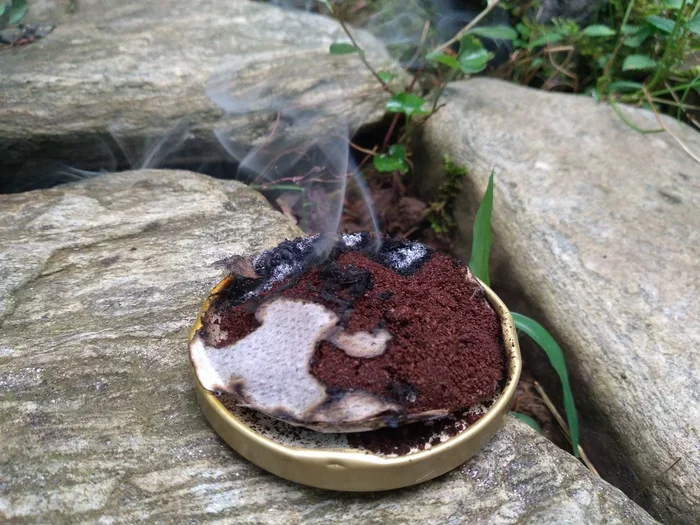
- Light the grounds carefully: Use a long lighter or match. The grounds should smolder, not flare up. You want a slow, steady burn that produces smoke.
- Place the burner in a strategic spot: Set it near seating areas, doorways, or patio corners. Keep it away from flammable materials.
- Let it burn for 20 to 30 minutes: The smoke needs time to spread. Re-light if the grounds go out before the time is up.
Quick Tips for Better Results
Want to get the most out of your backyard mosquito control efforts? Try these tips:
- Use fresh grounds that have dried out for at least a few hours.
- Mix used grounds with a little bit of charcoal to help them burn longer.
- Place multiple small burners around your yard instead of one big one.
- Light the grounds downwind from where you are sitting.
- Combine this method with other outdoor mosquito prevention tactics.
Can You Use a Coffee Maker to Prepare Grounds?
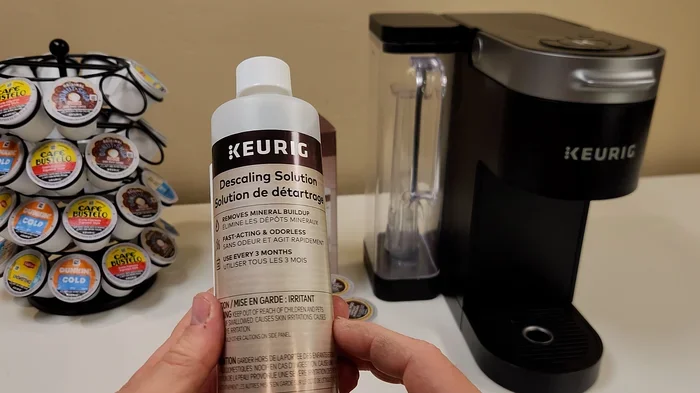
If you use a Keurig or drip coffee maker, the grounds you toss out can work perfectly for this. Just make sure your machine stays clean. After using grounds for repellent purposes, you might want to learn how to decalcify a Keurig coffee maker to keep it running smoothly. Mineral buildup from hard water can affect your coffee taste and machine performance.
Also, if you grind your own beans, the fineness of the grind matters. A finer grind produces more smoke when burned. If you have ever asked yourself whether you can use a coffee grinder for wet grinding, the answer is yes, and a wetter grind can create a paste that burns more slowly and releases more scent over time.
Comparing Coffee Grounds to Other Natural Mosquito Repellents
Burning coffee grounds is not the only natural method out there. Let us compare it to a few other popular options.
| Method | How It Works | Effectiveness | Ease of Use |
|---|---|---|---|
| Burning Coffee Grounds | Smoke and strong aroma repel mosquitoes | Moderate | Very Easy |
| Citronella Candles | Citronella oil masks human scent | Moderate to High | Easy |
| Lemon Eucalyptus Oil | Repels mosquitoes on contact with skin | High | Moderate |
| Basil and Lavender Plants | Natural scent deters mosquitoes from the area | Low to Moderate | Easy (but slow) |
| DEET Sprays | Chemical repellent that masks human scent | Very High | Very Easy |
As you can see, burning coffee grounds ranks in the middle. It is not the most powerful option, but it is one of the easiest and cheapest. The real advantage is that it uses something you would otherwise throw away. It is a great example of coffee waste reuse that actually serves a purpose.
If you are looking for a chemical-free approach, combining coffee grounds with other natural methods can boost your organic mosquito repellent efforts. Try lighting coffee grounds near a citronella candle for a stronger effect.
Best Ways to Use Coffee Grounds Outdoors
Burning is not the only way to use coffee grounds against mosquitoes. There are several other methods you can try around your home and garden.
Method 1: The Smoldering Bowl Technique
This is the most common method. Fill a shallow metal bowl with dried coffee grounds. Light them with a match and let them smolder. Place the bowl on a table or ledge near where you sit outside.
The smoke will spread in a small radius. This works best in calm, windless conditions. If it is breezy, the smoke will blow away before it can do its job.
Method 2: Coffee Ground Sachets
Not everyone wants to light things in their yard. A safer alternative is to make sachets. Fill small cloth bags with dried coffee grounds and place them near doorways, windows, or seating areas.
The grounds will slowly release their coffee smell mosquitoes dislike without any fire involved. This is a great option for families with young children or pets.
Method 3: Mixing Coffee Grounds with Water
Some people create a spray by steeping coffee grounds in water overnight. The resulting liquid can be sprayed around outdoor seating areas. This is a household pest control hack that uses coffee filter mosquitoes repellent properties without any smoke.
Just strain the grounds out before spraying. You do not want clogged spray bottles.
Method 4: Garden Bed Barrier
Sprinkle used coffee grounds around the perimeter of your garden beds. The smell can help keep mosquitoes away from your plants and your seating area nearby. This also adds organic matter to your soil as a bonus.
This method ties into garden pest control in general. Coffee grounds can deter other pests too, like slugs and ants, making them a versatile tool for any outdoor space.
Common Mistakes People Make When Using Coffee Grounds for Mosquitoes
Even simple methods can go wrong if you do not pay attention. Here are the most common mistakes people make.
Using Wet or Fresh Grounds
Wet coffee grounds will not burn properly. They steam instead of smoldering, which produces very little of the smoke that repels mosquitoes. Always dry your grounds first. Spread them on a tray and let them air-dry overnight.
Burning Grounds Indoors
This is a big one. Burning coffee grounds indoors can set off smoke alarms and create a fire hazard. The smoke can also irritate lungs and eyes. Always burn coffee grounds outdoors in a well-ventilated area. If you want an indoor option, use the sachet method instead.
Expecting Instant Results
Some people light coffee grounds and expect mosquitoes to disappear immediately. That is not how it works. The smoke needs time to spread. Give it at least 15 to 20 minutes before judging whether it is working.
Ignoring Wind Direction
If you place your coffee burner on the wrong side of your seating area, the smoke will blow away from you and toward the mosquitoes. Pay attention to wind direction. Place the burner upwind so the smoke drifts toward your gathering area.
Overlooking the Need for Multiple Burners
A single small bowl of coffee grounds will only protect a tiny area. For a full patio or backyard, you need multiple burners spread out. Think of each bowl as creating a small zone of protection.
Expert Insights on Natural Mosquito Repellents
We reached out to pest control experts and natural living enthusiasts to get their take on burning coffee grounds for mosquitoes. Here is what they had to say.
What Pest Control Professionals Say
Most pest control experts agree that coffee grounds alone will not eliminate a mosquito problem. They work best as a supplementary method. “Think of coffee grounds as part of a layered approach,” says one expert. “Combine them with removing standing water, using screens, and applying EPA-approved repellents when needed.”
The key takeaway is that mosquito bites prevention requires more than one strategy. Coffee grounds can be one piece of the puzzle, but they should not be your only line of defense.
What Natural Living Advocates Say
Many people who swear by natural methods say coffee grounds are a game-changer for their summer evenings. “I burn coffee grounds every weekend on my patio,” shares one enthusiast. “It does not completely eliminate mosquitoes, but it definitely reduces the number that bother us.”
The consensus among natural living advocates is that coffee grounds are worth trying. They are cheap, safe, and eco-friendly. Even if the science is not conclusive, the anecdotal evidence is strong.
What the Research Says
Some studies have explored the insect-repelling properties of coffee. A few laboratory studies have shown that coffee smoke can repel certain species of mosquitoes. However, these studies were conducted in controlled environments, not in real-world backyards.
The caffeine mosquito repellent effect has been studied more in the context of larvicides. Caffeine can actually kill mosquito larvae in standing water. This is a different application than burning grounds, but it shows that coffee has genuine pest-fighting properties.
More research is needed to fully understand how effective burned coffee grounds are against adult mosquitoes in open-air settings. But the early findings are promising.
When Burning Coffee Grounds Works Best
Not all situations are created equal when it comes to using coffee grounds as a repellent. Here is when this method shines and when it falls short.
Best scenarios: Small backyard gatherings, camping trips, balcony seating, and patio dinners on calm evenings. In these settings, the smoke can concentrate in a small area and do its job effectively.
Less effective scenarios: Large open fields, windy days, areas with heavy mosquito infestations, or spaces with many standing water sources nearby. In these cases, coffee grounds alone will not be enough.
The key is to set realistic expectations. Burning coffee grounds is a helpful tool, not a miracle cure. Pair it with other outdoor mosquito prevention methods for the best results.
How to Make Coffee Ground Repellent Last Longer
If you want the smoke to last, try these simple tricks. First, mix your dried grounds with a small amount of charcoal. The charcoal will help the coals stay hot longer, which means more smoke for a longer time.
Second, add a few drops of essential oil to the grounds before burning. Eucalyptus, lavender, and citronella oils all pair well with coffee smoke. This boosts the organic mosquito repellent power of your burner.
Third, cover the burning bowl loosely with a metal mesh screen. This slows the burn rate and lets the grounds smolder more evenly. It also prevents sparks from flying out.
Fourth, keep a small fan nearby to help spread the smoke in the direction you want. Even a gentle breeze from a fan can make a big difference in how far the repellent scent travels.
These small adjustments can turn a simple bowl of coffee grounds into a surprisingly effective mosquito repellent tool for your outdoor space.
Environmental Benefits of Using Coffee Grounds
Beyond repelling mosquitoes, using coffee grounds for pest control has environmental benefits. Every year, millions of tons of coffee grounds end up in landfills. When they decompose in landfills, they produce methane, a potent greenhouse gas.
By repurposing your coffee grounds as a natural repellent, you are reducing waste. This is a small but meaningful step toward coffee waste reuse and a more sustainable lifestyle.
Coffee grounds also enrich soil when used as compost or mulch. So even the leftover grounds that do not get burned can serve your garden. This makes coffee one of the most versatile household items for eco-conscious homeowners.
Compared to chemical mosquito sprays that can harm pollinators and waterways, burned coffee grounds are a much greener choice. They break down naturally and do not leave harmful residues in your soil or water.
Final Thoughts
So, does burning coffee grounds repel mosquitoes naturally? The answer is yes, to a degree. It is not a magic bullet, but it is a simple, affordable, and eco-friendly method that can help reduce mosquito activity in your outdoor spaces.
The strong aroma and smoke of burned coffee create a barrier that many mosquitoes find unpleasant. When combined with other methods like removing standing water and using screens, it becomes part of a solid natural pest control strategy.
Give it a try at your next backyard gathering. Light a small burner of dried coffee grounds and see how it works for you. You have nothing to lose except maybe a few mosquito bites. And if nothing else, your yard will smell like a cozy coffee shop instead of a bug-filled nightmare.
Remember, the best mosquito control combines multiple approaches. Use coffee grounds as one tool in your arsenal. Pair them with citronella, proper clothing, and EPA-approved repellents when needed. With the right strategy, you can enjoy your outdoor time without constantly swatting at mosquitoes.
Now that you know the truth about burning coffee grounds as a mosquito repellent, you can make an informed choice for your home and family. Happy experimenting, and here is to mosquito-free evenings ahead.
Frequently Asked Questions
Does burning coffee grounds really keep mosquitoes away?
Burning coffee grounds can help repel mosquitoes to some degree. The smoke and strong aroma mask human scents that attract mosquitoes. However, it is not a guaranteed or complete solution. It works best as part of a broader mosquito control strategy.
How do you burn coffee grounds to repel mosquitoes?
Dry your used coffee grounds completely. Place them in a heat-safe metal bowl. Light them with a match and let them smolder slowly. Place the bowl in your outdoor seating area and let the smoke spread for 20 to 30 minutes.
Is it safe to burn coffee grounds indoors?
No, burning coffee grounds indoors is not safe. It can trigger smoke alarms, create a fire hazard, and irritate your lungs and eyes. Always burn coffee grounds outdoors in a well-ventilated area. For indoor use, try the sachet method instead.
What other natural methods work well with coffee grounds for mosquito control?
Coffee grounds pair well with citronella candles, essential oils like eucalyptus and lavender, and proper yard maintenance such as removing standing water. Combining multiple methods gives you the best outdoor mosquito prevention results.
Can coffee grounds kill mosquito larvae?
Yes, caffeine in coffee grounds can be toxic to mosquito larvae. Sprinkling coffee grounds into standing water where mosquitoes breed can help reduce their population. This is different from burning grounds, which targets adult mosquitoes through smoke.
Do all types of coffee work the same for repelling mosquitoes?
Most types of coffee grounds can work, but darker roasts tend to have a stronger aroma when burned. Freshly ground coffee may produce more smoke than pre-ground varieties. The type matters less than how you burn them and the conditions in your outdoor space.
=== CONCLUSION ===
Burning coffee grounds repel mosquitoes naturally, and it is a method worth trying. It is simple, affordable, and eco-friendly. While it may not replace commercial repellents entirely, it adds a valuable layer to your natural pest control toolkit.
From the science behind the smoke to the practical tips for getting the best results, you now have everything you need to give this method a try. Use the quick tips and common mistakes sections to avoid pitfalls and maximize your success.
Next time you brew a pot of coffee, save those grounds. They might just save your evening from mosquitoes. Your backyard, your wallet, and the environment will all thank you.