Can a Coffee Grinder Be Used for Wet Grinding at Home
Yes, you can use a coffee grinder for wet grinding, but it depends on the type of grinder you own. Blade grinders and some burr grinders can handle wet ingredients like spices, pastes, and soaked coffee beans, but you need to follow the right steps to avoid damaging your machine. Wet grinding opens up a world of culinary possibilities beyond your morning cup of coffee, from making spice pastes to creating smooth coffee extracts.
Have you ever stood in your kitchen, staring at your coffee grinder, and wondered if it could do more than just dry beans? Maybe you want to make a spice paste, grind soaked coffee for a special brew, or create a fine wet powder for a recipe. The idea of wet grinding with a coffee grinder is not as crazy as it sounds. In fact, many home cooks and coffee enthusiasts do it all the time.
The short answer is yes, you can use a coffee grinder for wet grinding — but there are important things to know first. Not every grinder handles moisture well, and using the wrong method can ruin your machine or produce disappointing results. This guide walks you through everything you need to know about wet grinding coffee and other ingredients at home. We will cover the types of grinders that work, the best techniques, safety tips, and how to clean up afterward.
Whether you are a coffee lover looking to experiment with wet coffee extraction or a home cook wanting to grind wet spices and herbs, this article has you covered. Let us dive in and explore the world of wet grinding with your trusty coffee grinder.
Key Takeaways
- Not all coffee grinders handle wet grinding: Blade grinders and certain burr grinders can manage wet ingredients, but others cannot.
- Wet grinding changes your coffee flavor profile: It can produce smoother, more concentrated results compared to dry grinding.
- Cleaning is critical after wet use: Moisture left inside can lead to mold, rust, and unpleasant odors.
- Think of your kitchen tools like what types of pans can go in the oven — not every tool works for every task.
- Use proper containers: Just as you would with oven-safe bowls for baking, choose grinding containers that can handle moisture and friction.
- Start small and experiment: Test with small batches before committing to larger quantities.
📑 Table of Contents
- What Is Wet Grinding and Why Do People Do It?
- Types of Coffee Grinders and Their Capabilities
- Can You Safely Wet Grind in a Coffee Grinder?
- Best Practices for Wet Grinding Coffee at Home
- Pros and Cons of Wet Grinding at Home
- How to Clean Your Coffee Grinder After Wet Grinding
- Frequently Asked Questions About Wet Grinding Coffee
- Final Thoughts on Using a Coffee Grinder for Wet Grinding
What Is Wet Grinding and Why Do People Do It?
Defining Wet Grinding in the Kitchen
Wet grinding means using a grinder to process ingredients that contain moisture. This could be soaked coffee beans, fresh ginger, wet spices, or even ingredients mixed with water or oil. The goal is to break down the material into a fine paste, powder, or liquid consistency using a grinding mechanism.
People wet grind for many reasons. Some want to extract more flavor from coffee beans by soaking them first. Others need a smooth paste for cooking, like curry paste or chili sauce. Wet grinding can also create a finer, more uniform texture than dry grinding alone. The moisture helps bind particles together and prevents dust from flying everywhere.
Common Ingredients for Wet Grinding
You can wet grind a surprising variety of ingredients at home. Here are some popular options:
- Soaked coffee beans: Soaking softens the beans and can produce a smoother grind for cold brew or espresso-style drinks.
- Fresh spices: Ginger, garlic, turmeric, and cumin all work well when ground wet.
- Herbs: Fresh basil, cilantro, mint, and parsley can be turned into pastes for sauces and marinades.
- Wet grains: Some people soak oats or rice before grinding them for flour.
- Nuts and seeds with oil: Wet grinding can help create smoother nut butters and seed pastes.
How Wet Grinding Differs from Dry Grinding
Dry grinding is what most coffee grinders are designed for. You put in dry beans or spices, and the blades or burrs break them into particles. Wet grinding adds moisture, which changes the texture and behavior of the ingredients. Wet ingredients are softer and stickier, which means the grinder needs to work differently. The moisture also helps carry flavors more evenly, which is why many people prefer wet grinding for certain recipes.
The key difference is that wet grinding produces a paste or slurry rather than a dry powder. This changes how you use the result and how you clean your grinder afterward. Keep this in mind as you read through the sections below.
Types of Coffee Grinders and Their Capabilities
Blade Coffee Grinders
A blade coffee grinder uses a fast-spinning blade to chop ingredients. These are the most common and affordable grinders found in most kitchens. They work by spinning at high speed and cutting through dry beans or spices.
Can a blade grinder handle wet grinding? The answer is yes, but with caveats. Blade grinders can process wet ingredients, but they tend to create an uneven texture. The blade chops inconsistently, and wet ingredients can stick to the sides of the container. You may need to stop and scrape down the sides several times during grinding.
Blade grinders also generate heat through friction, which can affect the flavor of wet-ground coffee. For short bursts of wet grinding, a blade grinder works fine. But for longer tasks, the heat buildup can be a problem.
Burr Coffee Grinders
Burr grinders use two abrasive surfaces (burrs) that crush ingredients between them. They produce a much more consistent grind size than blade grinders. Burr grinders come in two types: flat burr and conical burr.
Some burr grinders can handle wet grinding, but it depends on the model and build quality. High-end burr grinders often have better sealing and can handle small amounts of moisture. Cheaper burr grinders may have internal parts that rust or corrode when exposed to wet ingredients.
Before you try wet grinding with a burr grinder, check the manufacturer’s instructions. Some brands explicitly state that their grinders should only be used with dry ingredients. Using a dry-only grinder for wet grinding can void your warranty and damage the machine.
Manual Coffee Grinders
Manual grinders are hand-cranked devices that grind coffee through burrs or blades. They are popular among coffee purists who want control over the grind size. Can you wet grind with a manual grinder? It is possible, but it is hard work. Wet ingredients are tougher to grind, and the manual crank requires more effort. You also risk introducing moisture into the grinding mechanism, which can cause rust over time.
If you want to experiment with wet grinding using a manual grinder, do it in short bursts and dry the parts thoroughly afterward. A manual grinder is better suited for dry grinding, so treat wet grinding as an occasional task rather than a regular practice.
Electric Wet Grinders vs. Coffee Grinders
It is worth noting that dedicated electric wet grinders exist for a reason. They are specifically designed to handle moisture and tough wet ingredients. A coffee grinder is a versatile kitchen tool, but it is not a replacement for a purpose-built wet grinder. If you plan to wet grind regularly, consider investing in a wet grinder designed for the job.
Can You Safely Wet Grind in a Coffee Grinder?
Factors That Determine Wet Grinding Safety
Not every coffee grinder can handle wet grinding safely. Several factors determine whether your specific grinder can do the job. Here are the key things to consider:
- Grinder type: Blade grinders are more forgiving with wet ingredients than most burr grinders. Manual grinders are the least suited for wet grinding.
- Material of construction: Grinders made with stainless steel or durable plastic handle moisture better than those with metal parts that can rust.
- Sealing and water resistance: Grinders with better seals keep moisture out of the motor and internal mechanisms.
- Manufacturer guidelines: Always check the user manual. Some brands explicitly prohibit wet grinding, while others allow it with precautions.
Risks of Wet Grinding in the Wrong Grinder
Using a grinder not designed for wet grinding can lead to several problems. The most common issues include:
- Rust and corrosion: Moisture causes metal parts to rust, which ruins the grinder and can contaminate your food.
- Motor damage: Water can seep into the motor housing and cause electrical failure.
- Uneven grinding: Wet ingredients clog burrs and blades, leading to inconsistent results.
- Mold growth: Moisture left inside the grinder creates a perfect environment for mold to develop.
- Voided warranty: Many manufacturers will not cover damage caused by using the grinder in ways not intended.
How to Know If Your Grinder Can Handle Wet Ingredients
Before you start wet grinding, do a quick check. Look at your grinder’s manual or visit the manufacturer’s website. Search for terms like “wet grinding,” “moisture resistance,” or “multi-purpose use.” If the manual does not mention wet grinding, proceed with caution and start with small amounts.
You can also look at the build quality of your grinder. If it has exposed metal parts, poor sealing, or a motor that feels vulnerable to moisture, it is probably not designed for wet grinding. Think of it like checking whether All Clad cookware can go in the oven — you need to know the limits of your tool before pushing it.
Best Practices for Wet Grinding Coffee at Home
Step-by-Step Guide to Wet Grinding
If you have determined that your grinder can handle wet grinding, follow these steps for the best results:
- Soak your coffee beans first: Soaking softens the beans and makes them easier to grind. Use room-temperature water and soak for 10 to 15 minutes.
- Drain excess water: Do not add soaking water to the grinder. Drain the beans and pat them dry with a paper towel before grinding.
- Add small amounts at a time: Wet grinding works best in small batches. Overloading the grinder can cause uneven results and strain the motor.
- Use short pulses: Pulse the grinder in short bursts rather than running it continuously. This prevents overheating and gives you more control over the texture.
- Scrape down the sides: Stop periodically to scrape wet ingredients off the walls of the container. This ensures a more even grind.
- Check the consistency: Stop grinding when you reach your desired texture. Wet grinding can quickly turn from a coarse grind to a fine paste.
Tips for Achieving the Best Grind Consistency
Grind consistency matters whether you are dry or wet grinding. Here are some tips to improve your results:
- Chop first: Cut wet ingredients into small pieces before grinding to reduce the workload on your grinder.
- Add a small amount of liquid: A teaspoon of water or oil can help the grinding process move smoothly for spices and herbs.
- Keep it cold: Chill your wet ingredients before grinding. Cold ingredients are firmer and grind more evenly.
- Clean between batches: If you are grinding different ingredients, clean the grinder between batches to avoid flavor mixing.
Quick Tips for Wet Grinding Success
Here are some fast tips to keep in mind:
- Always start with a clean, dry grinder.
- Use the pulse function for better control.
- Do not overfill the grinding chamber.
- Let the grinder rest between long grinding sessions.
- Store leftover wet-ground ingredients in the refrigerator immediately.
Pros and Cons of Wet Grinding at Home
Advantages of Wet Grinding Your Coffee
Wet grinding offers several benefits that dry grinding cannot match. Here are the main advantages:
- Richer flavor extraction: Wet grinding releases more oils and flavors from coffee beans and spices.
- Smoother texture: The moisture helps create a finer, more uniform consistency.
- Less dust: Wet grinding eliminates the fine particles that fly around during dry grinding.
- More versatile cooking: You can use your coffee grinder for making pastes, sauces, and wet spice blends.
- Better for cold brew: Wet-ground coffee can produce a smoother, less acidic cold brew concentrate.
Disadvantages and Challenges
Wet grinding also comes with some downsides that you should consider:
- Cleaning is harder: Wet residue is stickier and more difficult to remove than dry grounds.
- Risk of damage: Moisture can harm grinders not designed for wet use.
- Shorter grinding sessions: You cannot grind continuously for long periods when wet grinding.
- Potential for mold: If not dried and cleaned properly, moisture can lead to mold growth inside the grinder.
- Inconsistent results: Especially with blade grinders, wet grinding can produce uneven textures.
Comparison Table: Wet Grinding vs. Dry Grinding
| Feature | Wet Grinding | Dry Grinding |
|---|---|---|
| Texture | Smoother, paste-like | Dry, powdery |
| Flavor Release | Richer, more intense | Clean, bright |
| Clean Up | More difficult | Easier |
| Grinder Compatibility | Limited to certain models | Works with all grinders |
| Best For | Pastes, cold brew, spice pastes | Regular coffee, dry spices |
| Risk of Damage | Higher if not done carefully | Low |
| Grind Consistency | Can be uneven | More consistent with burr grinders |
Common Mistakes to Avoid When Wet Grinding
Even experienced home cooks make mistakes when wet grinding. Here are the most common ones and how to avoid them:
- Grinding too much at once: Overloading your grinder leads to uneven results and can strain the motor. Stick to small batches.
- Skipping the soak step: If you are grinding coffee beans wet, soaking them first makes a big difference in texture and flavor.
- Forgetting to dry the grinder afterward: This is the number one mistake. Always dry all parts thoroughly after wet grinding.
- Using a grinder not meant for wet use: This can cause permanent damage and void your warranty.
- Running the grinder continuously: Wet grinding generates more friction and heat. Use short pulses and let the motor rest.
How to Clean Your Coffee Grinder After Wet Grinding
Why Cleaning Matters More After Wet Grinding
Cleaning your grinder after wet grinding is more important than after dry grinding. Moisture left inside can cause mold, rust, and bacteria growth. It can also leave behind flavors and odors that transfer to your next batch of dry-ground coffee. Taking a few extra minutes to clean properly after wet grinding will extend the life of your grinder and keep your coffee tasting great.
Step-by-Step Cleaning Process
- Disassemble the grinder: Remove the grinding chamber, blade or burr assembly, and any removable parts. Check your manual for disassembly instructions.
- Rinse with warm water: Run all removable parts under warm water to remove wet residue. Do not submerge the motor base.
- Use mild dish soap: A small amount of mild dish soap helps break down oily residues from wet grinding.
- Scrub gently: Use a soft brush or cloth to scrub away stuck-on residue. Avoid abrasive materials that can damage the grinding surfaces.
- Dry thoroughly: This is the most important step. Use a clean towel to dry all parts, then let them air dry completely before reassembling.
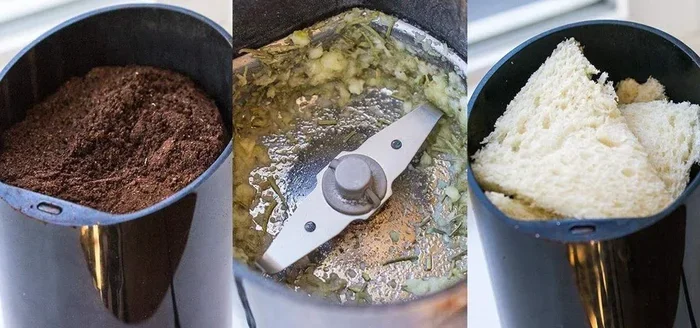
- Run a dry grind cycle: After reassembly, run the grinder with a small amount of dry rice or breadcrumbs. This absorbs any remaining moisture and helps deodorize the grinding chamber.
Drying and Deodorizing Tips
After cleaning, make sure every part is completely dry before you store the grinder. You can leave the parts out on a clean towel for a few hours. Some people place the components near a warm (not hot) vent to speed up drying. For deodorizing, grinding a small amount of dry bread or rice after wet grinding helps absorb lingering moisture and odors.
Think of cleaning your grinder like maintaining oven-safe bowls for baking — proper care ensures they last longer and perform better every time you use them.
Frequently Asked Questions About Wet Grinding Coffee
Can I wet grind regular coffee beans in my home grinder?
Yes, you can wet grind regular coffee beans in most home grinders, but it depends on your grinder type. Blade grinders generally handle wet grinding better than burr grinders. Soak the beans for 10 to 15 minutes first, drain them, and grind in short pulses. Always check your grinder’s manual to make sure wet grinding is safe for your specific model.
Will wet grinding ruin my coffee grinder?
Wet grinding can damage a grinder not designed for moisture exposure. Rust, motor failure, and mold growth are real risks if you do not dry your grinder properly afterward. If your grinder is labeled as wet-grind compatible or has a sturdy, sealed construction, the risk is much lower. Always dry all parts thoroughly and run a dry grinding cycle after wet use.
What is the difference between wet ground and dry ground coffee?
Wet ground coffee has a smoother, paste-like texture and releases more oils and flavors compared to dry ground coffee. Dry ground coffee is powdery and works best for standard brewing methods like drip coffee or pour-over. Wet ground coffee is often used for cold brew, espresso, or as a base for spice pastes and sauces. The flavor profile is typically richer and more concentrated when wet ground.
Can I use a spice grinder for wet grinding?
Many small electric spice grinders can handle wet grinding to some extent, especially blade-style models. However, they are not designed for prolonged wet use and can rust or clog. If you plan to wet grind regularly, consider a dedicated wet grinder or a high-quality coffee grinder that explicitly supports wet grinding. Always clean and dry a spice grinder thoroughly after wet use.
How long should I soak coffee beans before wet grinding?
Soak your coffee beans for 10 to 15 minutes in room-temperature water. This softens the beans enough for easier grinding without over-saturating them. Do not soak for more than 30 minutes, as the beans can become too mushy and clog your grinder. After soaking, drain the water and pat the beans dry with a paper towel before grinding.
Is wet grinding better for cold brew coffee?
Many cold brew enthusiasts prefer wet grinding because it produces a smoother, more concentrated extract. The moisture helps release flavors more evenly, resulting in a less acidic and richer cold brew. However, wet grinding is not required for cold brew — dry grinding works perfectly fine too. Wet grinding is simply another option to experiment with if you want to try a different flavor profile.
Final Thoughts on Using a Coffee Grinder for Wet Grinding
Can a coffee grinder be used for wet grinding at home? Absolutely, but with the right knowledge and precautions. The key is understanding your grinder’s capabilities, following safe wet grinding practices, and cleaning thoroughly afterward. Whether you are grinding soaked coffee beans for a special cold brew or making a fresh spice paste for dinner, wet grinding can expand what your kitchen tools can do.
Start small, experiment with different ingredients, and always prioritize the safety of your grinder. Wet grinding is a fun and rewarding technique that can elevate your home cooking and coffee experience. Just remember to respect the limits of your equipment, clean up properly, and enjoy the process of discovering new flavors and textures in your kitchen.
The world of coffee grinding goes far beyond simply pushing a button. By learning how to wet grind safely and effectively, you are adding a valuable skill to your kitchen toolkit. So go ahead, grab your grinder, and start experimenting with wet grinding today. Your taste buds will thank you.