How To Clean An Industrial Coffee Maker The Right Way
Cleaning your industrial coffee maker is essential for great-tasting coffee and long-lasting equipment. This guide covers everything from daily rinse routines to deep descaling and full disassembly. You will learn the best cleaning solutions, tools, and schedules to keep your machine in top shape.
Running an industrial coffee maker takes a lot of effort, and keeping it clean is just as important as brewing itself. A dirty machine can ruin the taste of your coffee, slow down production, and even lead to expensive repairs. Whether you manage a busy café, a restaurant kitchen, or a large office break room, knowing how to properly maintain your machine makes all the difference.
This guide walks you through every step of cleaning an industrial coffee maker. From quick daily routines to deep cleaning sessions, you will find practical advice that actually works. We will cover descaling, brew group maintenance, water reservoir care, and much more. By the end, you will feel confident tackling every part of your machine with ease.
Key Takeaways
- Daily cleaning habits prevent buildup and keep coffee tasting fresh.
- Descaling every 1-3 months removes mineral deposits that harm performance.
- Using the right cleaning solutions protects internal parts and extends machine life.
- Disassembling key parts like the brew group and drip tray ensures a thorough clean.
- Following the manufacturer’s guide helps you avoid costly repairs and downtime.
- Regular maintenance schedules save money and improve coffee quality over time.
📑 Table of Contents
- Why Cleaning Your Industrial Coffee Maker Matters
- Daily Cleaning Routine for Industrial Coffee Makers
- Deep Cleaning Your Industrial Coffee Maker
- Choosing the Right Cleaning Solutions
- Common Mistakes When Cleaning Industrial Coffee Makers
- Maintenance Schedule for Peak Performance
- Troubleshooting Common Coffee Maker Issues
- Expert Tips for Long-Lasting Coffee Equipment
- Conclusion
Why Cleaning Your Industrial Coffee Maker Matters
Coffee oils, mineral deposits, and old grounds build up inside your machine over time. This buildup affects the flavor of every cup that comes out. It can also clog pipes, reduce water flow, and strain the heating elements. In a commercial setting, even a small drop in performance can slow down your entire operation.
Regular cleaning does more than just improve taste. It keeps your machine running efficiently and extends its lifespan. A well-maintained industrial coffee maker can last for years, saving you thousands of dollars in replacement costs. Think of cleaning as an investment, not a chore.
Health and safety also play a role. Stagnant water and old coffee residue can breed bacteria and mold. This is especially concerning in food service environments where hygiene standards are strict. A clean machine means safer coffee for your customers and staff.
Daily Cleaning Routine for Industrial Coffee Makers
A quick daily cleaning routine takes only a few minutes but prevents a lot of problems down the road. Make this part of your closing or opening shift so it becomes second nature.
Step 1: Empty and Rinse the Drip Tray and Grounds Container
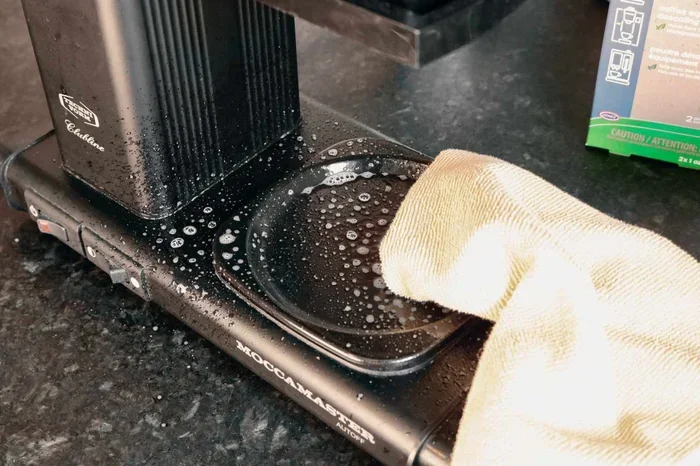
Start by removing the drip tray and grounds container. Dump out any leftover coffee grounds and rinse both parts with warm water. Use a soft cloth to wipe away any stuck-on residue. These parts collect the most debris, so keeping them clean stops odors and bacteria from building up.
Step 2: Wipe Down the Exterior
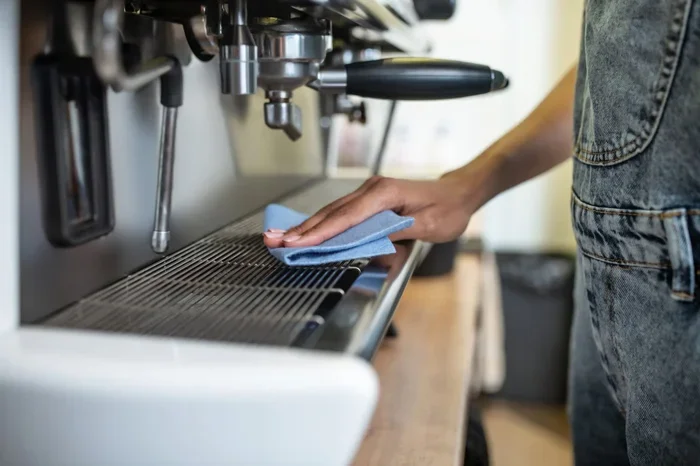
Use a damp microfiber cloth to wipe the outside of the machine. Pay special attention to the steam wand, drip area, and control panel. Coffee splashes and fingerprints accumulate fast in a busy environment. A quick wipe keeps your machine looking professional and sanitary.
Step 3: Run a Fresh Water Rinse Cycle
Most industrial coffee makers have a rinse cycle function. Run a full cycle with clean water to flush out any remaining coffee oils from the internal pipes. This simple step removes residue that would otherwise turn rancid and affect your next batch of coffee.
Deep Cleaning Your Industrial Coffee Maker
Daily cleaning handles the surface, but deep cleaning tackles the buildup that hides inside. You should perform a full deep clean at least once a month, or more often if your machine sees heavy use.
Disassembling Key Components
Start by consulting your machine’s manual. Every model is different, but most industrial coffee makers share similar components you can remove. Take out the brew group, shower screen, filter baskets, and any removable seals or gaskets.
Soak these parts in warm water mixed with a mild detergent. For stubborn coffee oils, use a soft brush to gently scrub away residue. Never use abrasive pads or harsh chemicals, as these can damage sensitive surfaces. Rinse everything thoroughly and let the parts air dry before reassembling.
Cleaning the Brew Group
The brew group is the heart of your coffee maker. It controls how water flows through the grounds and extracts flavor. Over time, coffee oils and fine particles accumulate here, which can cause clogs and uneven extraction.
Remove the brew group according to your machine’s instructions. Use a dedicated brush to clean the group head and the shower screen. Pay attention to the small holes in the screen, as these can get blocked easily. A clogged shower screen leads to uneven water distribution and poor-tasting coffee.
Descaling the Internal System
Mineral buildup from hard water is one of the biggest enemies of any coffee machine. Descaling removes lime scale and calcium deposits that accumulate inside the water lines and heating elements. Without regular descaling, your machine has to work harder, uses more energy, and eventually breaks down.
Use a commercial descaling solution designed specifically for coffee equipment. Follow the manufacturer’s instructions for dilution ratios and soaking times. After running the descaling solution through the machine, flush the system with clean water at least two to three times. This ensures no chemical residue remains in your coffee lines.
If you are interested in the descaling process for a smaller machine, you can refer to our guide on how to decalcify a Keurig coffee maker for additional tips on removing mineral deposits.
Choosing the Right Cleaning Solutions
Not all cleaning products are safe for coffee equipment. Using the wrong solution can damage internal parts, leave behind harmful residues, or affect the taste of your coffee. Here is what you need to know.
Descaling solutions: Look for products specifically formulated for coffee machines. These are designed to dissolve mineral buildup without corroding metal or plastic components. Citric acid and specialized commercial descalers are both effective options.
Detergents for disassembled parts: Use mild, food-safe detergents when washing removable components. Avoid dish soap with strong fragrances or moisturizers, as these can leave a film that affects coffee flavor.
Sanitizing sprays: For the exterior and surfaces that touch food, use a food-safe sanitizer. This is especially important in commercial kitchens where health inspections are a regular occurrence.
Avoid household cleaners: Never use bleach, ammonia, or general-purpose cleaners inside your coffee maker. These chemicals can leave toxic residues and permanently damage machine components. Stick to products made for food equipment.
Common Mistakes When Cleaning Industrial Coffee Makers
Even well-meaning cleaners can make mistakes that cause damage. Here are the most common errors to avoid.
- Skipping the rinse after descaling: Leftover descaling solution alters the taste of coffee and can be harmful if ingested. Always flush thoroughly.
- Using abrasive tools: Steel wool and rough scrubbers scratch surfaces and create tiny grooves where bacteria can hide. Use soft brushes and cloths instead.
- Ignoring the water filter: A clogged or old water filter reduces water quality and affects machine performance. Replace filters on schedule.
- Not cleaning frequently enough: Waiting too long between cleanings allows buildup to harden, making it much harder to remove later.
- Using vinegar incorrectly: While vinegar is a popular home remedy, it can degrade rubber seals and gaskets over time. Use it sparingly and only if your machine manual approves it.
Maintenance Schedule for Peak Performance
Consistency is the key to keeping your industrial coffee maker in excellent condition. A structured maintenance schedule helps you stay on top of tasks and prevents unexpected breakdowns.
| Task | Frequency | Time Required |
|---|---|---|
| Empty drip tray and grounds container | Daily | 5 minutes |
| Wipe exterior and steam wand | Daily | 3 minutes |
| Run water rinse cycle | Daily | 5 minutes |
| Clean brew group and shower screen | Weekly | 15 minutes |
| Descale internal system | Every 1-3 months | 30-45 minutes |
| Replace water filter | Every 2-3 months | 10 minutes |
| Full disassembly and deep clean | Every 6 months | 1 hour |
Sticking to this schedule keeps your machine running at peak efficiency. It also makes each cleaning session faster because you are preventing heavy buildup. Set reminders on your calendar or assign tasks to specific staff members to make sure nothing gets missed.
For more information on maintaining large commercial kitchen equipment, you can also check our article on how to clean a commercial convection oven for best practices in commercial kitchen cleaning.
Troubleshooting Common Coffee Maker Issues
Sometimes, even with regular cleaning, problems arise. Here are a few common issues and what they might mean for your machine.
Slow Water Flow
If your machine is dispensing water slowly, mineral buildup is likely the culprit. Run a descaling cycle and check the water lines for blockages. Also inspect the shower screen for any trapped particles that could be restricting flow.
Strange Tastes or Odors
Off-flavors usually come from old coffee oils trapped in the brew group or water reservoir. A thorough deep clean with a specialized coffee equipment cleaner should resolve this. If the smell persists, check the water filter and replace it if needed.
Machine Not Heating Properly
Scale buildup on the heating element can cause temperature inconsistencies. Descaling often fixes this problem. If the issue continues after descaling, the heating element itself may need professional inspection or replacement.
Leaking Water
Leaks often come from worn gaskets or loose connections. Check all removable parts for cracks or damage. Replace any worn seals immediately to prevent water damage to the machine and surrounding area.
For additional guidance on maintaining equipment performance, our article on how to burn off oven cleaner offers useful tips on safely removing chemical residue from kitchen equipment after deep cleaning sessions.
Expert Tips for Long-Lasting Coffee Equipment
Here are some pro tips that experienced café owners and maintenance crews swear by.
- Use filtered water: It reduces mineral buildup dramatically and improves coffee taste. This one change can extend the life of your machine significantly.
- Clean as you go: Wipe down the machine between batches during busy shifts. This prevents buildup from hardening and makes your deep cleans faster.
- Keep spare parts on hand: Gaskets, filters, and shower screens wear out over time. Having replacements ready means less downtime when something needs swapping.
- Train your staff: Everyone who operates the machine should know the basic cleaning steps. A team that understands maintenance keeps the machine in better shape.
- Log your cleaning sessions: Keep a simple record of when you descale, deep clean, and replace parts. This helps you spot patterns and stay consistent.
Taking care of your industrial coffee maker does not have to be complicated. A little consistency goes a long way. Follow these steps, stick to your schedule, and your machine will reward you with great-tasting coffee for years to come.
Remember that every machine is different, so always refer to your manufacturer’s guidelines for specific instructions. The tips in this article apply to most industrial coffee makers, but your machine may have unique features that require special attention. When in doubt, consult the manual or reach out to the manufacturer’s support team.
A clean machine is a happy machine. Whether you are a seasoned café operator or just getting started with commercial coffee equipment, these practices will help you get the best results every single day. Start implementing these steps today, and you will notice the difference in your coffee quality and machine performance right away.
Conclusion
Cleaning your industrial coffee maker the right way is not just about hygiene. It is about protecting your investment, improving coffee quality, and keeping your operation running smoothly. From daily rinses to monthly deep cleans, every step matters. Use the right cleaning solutions, follow a consistent schedule, and never skip the descaling process.
Your machine works hard for you every day. Give it the care it deserves, and it will keep delivering perfect cups of coffee for years to come. Start with the daily routine today, and build up to full deep cleaning sessions as you get comfortable. Your coffee and your equipment will thank you.
Frequently Asked Questions
How often should I descale my industrial coffee maker?
Most industrial coffee makers need descaling every one to three months. The exact frequency depends on how often you use the machine and the hardness of your water. If you notice slower brewing or changes in coffee taste, it is time to descale.
Can I use vinegar to clean my industrial coffee maker?
Vinegar can work for light descaling, but it is not ideal for industrial machines. It can degrade rubber seals and gaskets over time. Stick to commercial descaling solutions that are specifically formulated for coffee equipment to avoid damage.
What is the best cleaning solution for an industrial coffee maker?
A dedicated coffee machine descaler is the best option for internal cleaning. For removable parts, use a mild, food-safe detergent. Always check your machine manual to ensure the products you choose are compatible with your specific model.
How do I know if my coffee maker needs a deep clean?
Signs include slow water flow, strange tastes or odors, inconsistent brewing temperatures, and visible residue inside the machine. If you notice any of these issues, it is time for a thorough deep cleaning session.
Can I clean the brew group with regular dish soap?
Use only mild, fragrance-free, food-safe detergent on the brew group and other internal parts. Strong dish soaps can leave behind residues that affect coffee flavor and may damage sensitive components over time.
Is daily cleaning really necessary for an industrial coffee maker?
Yes, daily cleaning is essential in a commercial setting. It prevents buildup, maintains coffee quality, and reduces the need for intensive deep cleaning sessions. A few minutes each day saves hours of work in the long run.