How Much Ground Coffee Per Cup for Your Drip Machine
The ideal amount of ground coffee per cup for a drip machine is about 1 to 2 tablespoons per 6-ounce cup. Getting the right coffee-to-water ratio ensures a balanced, flavorful brew every time. Factors like grind size, bean type, and personal taste all play a role in finding your perfect cup.
Making coffee with a drip machine is one of the easiest and most convenient ways to start your morning. But if you have ever wondered how much ground coffee per cup drip machine you should use, you are not alone. The answer might surprise you, and getting it right can completely change your morning cup.
Too little coffee and your brew tastes weak and watery. Too much and it turns bitter and overpowering. The sweet spot is somewhere in between, and once you find it, every cup will taste amazing. This guide walks you through everything you need to know about measuring ground coffee for your drip machine.
Whether you are a casual coffee drinker or someone who takes their brew seriously, these tips will help you make a perfect cup of coffee at home. Let us dive in.
Key Takeaways
- Standard Ratio: Use 1 to 2 tablespoons of ground coffee per 6-ounce cup for the best flavor.
- Measure Accurately: A kitchen scale gives you the most consistent results when measuring coffee grounds.
- Adjust for Strength: Stronger coffee means more grounds; lighter coffee means fewer grounds per cup.
- Grind Size Matters: Medium grind is ideal for drip machines and affects extraction and flavor.
- Avoid Common Mistakes: Using too much or too little coffee, wrong water temperature, and stale beans all hurt your brew.
📑 Table of Contents
How Much Ground Coffee Per Cup for Your Drip Machine
The most common recommendation is to use 1 to 2 tablespoons of ground coffee for every 6-ounce cup of water. This is the standard coffee-to-water ratio that most coffee experts and drip machine manufacturers suggest. But the exact amount depends on a few factors we will cover below.
A standard US cup is 8 ounces, but most drip coffee makers use a 6-ounce cup measurement. Keep this in mind when you are filling up your coffee pot. If your machine has a 12-cup capacity, it actually holds about 72 ounces of water, which is 12 six-ounce servings.
Here is a quick reference chart to help you measure the right amount:
- 1 cup (6 oz): 1 to 2 tablespoons of ground coffee
- 2 cups (12 oz): 2 to 4 tablespoons of ground coffee
- 4 cups (24 oz): 4 to 8 tablespoons of ground coffee
- 6 cups (36 oz): 6 to 12 tablespoons of ground coffee
- 8 cups (48 oz): 8 to 16 tablespoons of ground coffee
These numbers give you a starting point. From there, you can adjust based on how strong or weak you like your coffee. The beauty of drip brewing is that it is easy to experiment and find your personal preference.
Why the Ratio Matters
The coffee-to-water ratio is the single most important factor in brewing great coffee. If the ratio is off, even the best quality beans will taste disappointing. Too much water and you get a thin, lifeless brew. Too little water and the coffee becomes over-extracted and bitter.
Getting the ratio right ensures that the hot water extracts the right amount of flavor from the grounds. This is what creates a balanced cup with the right amount of acidity, sweetness, and body. When you nail the ratio, every sip tastes smooth and satisfying.
How to Measure Ground Coffee Accurately
Measuring your ground coffee correctly is the first step toward a better brew. There are two main ways to do it: using tablespoons or using a kitchen scale. Both work, but one is more precise than the other.
Using Tablespoons
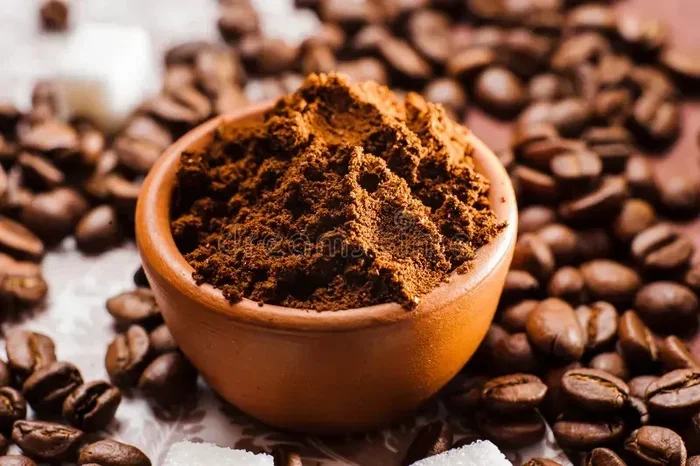
The simplest method is to use a regular tablespoon. One level tablespoon of ground coffee weighs about 5 grams. Two tablespoons weigh about 10 grams. This is quick and easy, but it is not the most accurate method because the amount of coffee can vary depending on how finely it is ground and how tightly it is packed.
For the most consistent results, try to level off the tablespoon each time. Scooping and packing the coffee tightly will give you more grounds than a loose, level scoop. This can throw off your ratio and affect the taste.
Using a Kitchen Scale
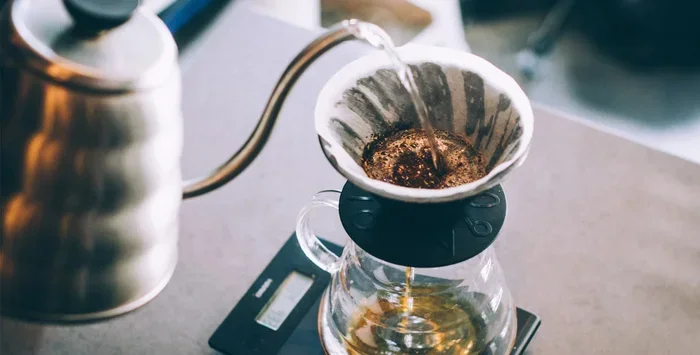
A kitchen scale is the best tool for measuring ground coffee measurements accurately. Simply place your carafe or filter basket on the scale, zero it out, and add the exact amount of coffee you need.
Most coffee experts recommend using about 10 to 15 grams of coffee per 6-ounce cup. This translates to roughly 1.5 to 2 tablespoons. A scale takes the guesswork out of the equation and helps you replicate your perfect cup every single time.
If you are serious about your morning brew, investing in a cheap digital kitchen scale is one of the best decisions you can make. It costs very little and makes a huge difference in consistency.
The Golden Ratio for Drip Coffee
The golden ratio for drip coffee is 1:15 to 1:17. This means 1 gram of coffee for every 15 to 17 grams of water. For a single 6-ounce cup, this works out to about 12 to 14 grams of coffee, or roughly 1.5 to 2 tablespoons.
This ratio produces a well-balanced cup that highlights the natural flavors of the beans without being too strong or too weak. It is a great starting point for anyone who wants to improve their drip coffee game.
Factors That Affect Your Coffee Strength
The amount of coffee you use is only one part of the equation. Several other factors also influence how your final cup tastes. Understanding these will help you fine-tune your brewing process and get the best possible results from your drip machine.
Grind Size
For drip machines, a medium grind is ideal. It is not too fine and not too coarse. A medium grind allows water to flow through the grounds at the right speed, extracting flavor without over-extracting or under-extracting.
If your grind is too fine, the water slows down and the coffee becomes bitter and over-extracted. If it is too coarse, the water moves through too quickly and the coffee tastes weak and sour. Using the right grind size makes a big difference in coffee flavor and overall quality.
Bean Type and Roast
Different coffee beans and roasts behave differently during brewing. Light roast beans are denser and may require a slightly finer grind or a bit more coffee to bring out their full flavor. Dark roast beans are more porous and extract faster, so you may need less coffee or a coarser grind.
Single-origin beans tend to have more unique and complex flavors, while blended beans offer a more balanced and consistent taste. Experiment with different beans to find what works best for your drip machine setup.
Water Temperature
The ideal brewing temperature for drip coffee is between 195 and 205 degrees Fahrenheit. Water that is too hot will over-extract the grounds and create a bitter taste. Water that is too cool will under-extract and leave the coffee tasting flat and sour.
Most modern drip machines heat water to the right temperature automatically. But if your machine is older or not heating properly, your coffee may suffer. In that case, you might want to check whether your oven is not heating properly or if your machine needs maintenance.
Water Quality
Water makes up more than 98 percent of your cup of coffee. The quality of your water directly affects the taste of your brew. Filtered water is generally the best choice because it removes chlorine and other impurities that can interfere with coffee extraction.
Avoid using distilled water, as it lacks the minerals that help bring out flavor. Soft water can also produce flat-tasting coffee. The goal is clean, fresh water with a balanced mineral content.
Brew Time
Brew time matters more than most people realize. A typical drip cycle takes about 5 to 8 minutes for a full pot. If the brew is too fast, the coffee will be weak. If it is too slow, it can become over-extracted and bitter.
If your machine is brewing too quickly or too slowly, check the grind size first. A medium grind should produce a steady, even flow of water through the filter basket. Adjusting the grind is often the quickest way to fix brewing time issues.
Tips for the Perfect Drip Machine Brew
Getting great coffee from a drip machine is all about the details. Here are some practical tips that will elevate your morning routine and help you brew better coffee at home.
Always Use Fresh, Cold Water
Start with fresh, cold water every time. Hot water that has been sitting in the machine can develop a stale taste. Fresh cold water heats evenly and produces a cleaner, brighter cup of drip brew.
Rinse the Filter Before Brewing
Whether you use a paper filter or a reusable mesh filter, rinsing it before brewing removes any papery taste or manufacturing residue. This is a small step that makes a noticeable difference in the final cup.
Store Your Beans Properly
Keep your coffee beans in an airtight container at room temperature. Exposure to air, light, and moisture causes beans to go stale quickly. Fresh beans produce significantly better coffee flavor than beans that have been sitting open for weeks.
Clean Your Machine Regularly
Mineral buildup and old coffee oils can accumulate inside your drip machine over time. This affects the taste of your coffee and the performance of the machine. Run a cleaning cycle with white vinegar and water once a month to keep everything running smoothly.
For general kitchen appliance cleaning tips, you can refer to our guide on how to clean your Cosori air fryer toaster oven, which covers effective cleaning methods for kitchen equipment.
Preheat Your Machine
Running a cycle of plain water through the machine before brewing helps preheat the internal components. This ensures that the water temperature is consistent from the first drop to the last. A preheated machine brews more evenly and produces a better-tasting cup.
Use the Right Amount of Coffee
Stick to the standard ratio of 1 to 2 tablespoons per 6-ounce cup. Once you find the amount that works best for your taste, stick with it. Consistency is the key to a reliable, great-tasting cup every morning.
Common Mistakes to Avoid
Even experienced coffee drinkers make mistakes that hurt their brew. Here are the most common errors and how to avoid them.
Using the Wrong Amount of Coffee
This is the number one mistake people make. Eyeballing the coffee instead of measuring it leads to inconsistent results. Some days the coffee is too strong, and other days it is too weak. Using a simple scoop or scale eliminates this problem entirely.
Using Stale Grounds
Ground coffee starts to lose its flavor within 15 to 30 minutes of grinding. If you are using pre-ground coffee that has been sitting in your pantry for weeks, the flavor will be significantly diminished. For the best results, grind your beans just before brewing.
If you do not have a grinder, buy small bags of freshly ground coffee and use them within a week or two. Storing them in a cool, dark place helps preserve their freshness longer.
Ignoring the Water Filter
Many drip machines come with a built-in water filter. This filter removes impurities that can affect the taste of your coffee. If you have not replaced the water filter in a while, it is time to do so. A clean filter ensures that nothing interferes with the pure taste of your brew.
Overfilling the Filter Basket
Packing too much coffee into the filter basket blocks water from flowing through evenly. This causes some grounds to be over-extracted while others are under-extracted. The result is a cup that tastes both bitter and weak at the same time. Keep the grounds level and do not exceed the maximum fill line.
Using the Wrong Grind Size
Using a grind that is too fine or too coarse for your drip machine will always produce subpar results. Invest in a quality burr grinder and set it to medium for the best drip coffee. If you buy pre-ground coffee, look for brands that specifically label their grind as medium for drip machines.
Not Descaling Your Machine
Mineral deposits build up inside your machine over time, especially if you live in an area with hard water. These deposits reduce heating efficiency and can affect the taste of your coffee. Descaling your machine every 1 to 3 months keeps it running at peak performance.
Expert Insights on Drip Coffee Brewing
Professional baristas and coffee roasters agree that the foundation of great drip coffee is the ratio. The Specialty Coffee Association recommends a ratio of 1:15 to 1:17 for drip brewing. This means for every 1 gram of coffee, you use 15 to 17 grams of water.
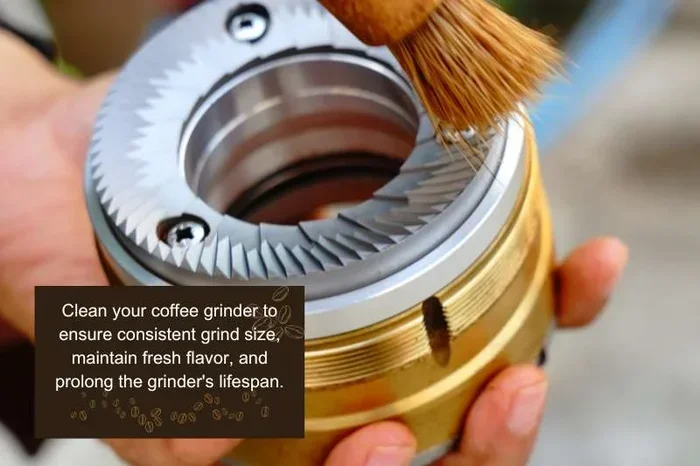
Many coffee professionals also emphasize the importance of grind consistency. A burr grinder produces a much more uniform grind than a blade grinder, which leads to more even extraction and a better-tasting cup. If you are serious about improving your home brewing, upgrading your grinder is one of the best investments you can make.
Another expert tip is to experiment with different coffee origins. Each region produces beans with unique flavor profiles. Ethiopian beans might have fruity and floral notes, while Colombian beans tend to be nutty and chocolatey. Trying different beans keeps your morning routine interesting and helps you discover new favorite flavors.
Some coffee enthusiasts also like to keep a brewing journal. Writing down the amount of coffee, water, grind size, and brew time for each cup helps you track what works and what does not. Over time, you develop a personal recipe that consistently produces your ideal cup of drip brew.
If you ever need to clean up kitchen residue or chemical buildup from appliances, you might find our guide on how to burn off oven cleaner helpful for maintaining a fresh and clean kitchen environment.
Key Takeaways
- Standard Ratio: Use 1 to 2 tablespoons of ground coffee per 6-ounce cup for the best flavor.
- Measure Accurately: A kitchen scale gives you the most consistent results when measuring coffee grounds.
- Adjust for Strength: Stronger coffee means more grounds; lighter coffee means fewer grounds per cup.
- Grind Size Matters: Medium grind is ideal for drip machines and affects extraction and flavor.
- Avoid Common Mistakes: Using too much or too little coffee, wrong water temperature, and stale beans all hurt your brew.
- Clean Regularly: Descale and clean your machine monthly for the best-tasting coffee.
- Experiment: Try different beans, ratios, and grind sizes to find your personal perfect cup.
Frequently Asked Questions
How many tablespoons of ground coffee should I use per cup in a drip machine?
Use 1 to 2 tablespoons of ground coffee per 6-ounce cup of water. This is the standard recommendation that works well for most drip machines. If you prefer a stronger cup, go with 2 tablespoons. For a lighter brew, stick with 1 tablespoon.
Can I use a regular tablespoon to measure coffee for my drip machine?
Yes, a regular tablespoon works fine for measuring coffee. Just make sure you level it off rather than packing it down. A level tablespoon gives you a more accurate measurement than a heaping one. For the most precise results, use a kitchen scale instead.
What is the best coffee-to-water ratio for a drip coffee maker?
The best coffee-to-water ratio for a drip coffee maker is 1:15 to 1:17. This means 1 gram of coffee for every 15 to 17 grams of water. For a standard 6-ounce cup, this translates to about 12 to 14 grams of coffee, or roughly 1.5 to 2 tablespoons.
Does the type of coffee bean affect how much ground coffee I should use?
Yes, the type of bean and roast level can affect the amount you use. Dark roast beans extract faster and may require slightly less coffee. Light roast beans are denser and may benefit from a slightly higher ratio. Start with the standard ratio and adjust based on your taste preferences.
Why does my drip coffee taste bitter even when I use the right amount of coffee?
Bitter coffee is usually caused by over-extraction, which happens when the water is too hot, the brew time is too long, or the grind is too fine. Check your machine’s water temperature and try adjusting the grind size. Using a medium grind and clean, fresh water often solves the problem.
How often should I clean my drip coffee machine?
You should clean your drip coffee machine at least once a month. Run a cycle with equal parts white vinegar and water to remove mineral buildup and old coffee oils. Rinse the machine with plain water two to three times after cleaning to remove any vinegar taste.
Conclusion
Getting the right amount of ground coffee per cup for your drip machine is the foundation of a great morning cup. The standard ratio of 1 to 2 tablespoons per 6-ounce cup works for most people, but the real secret is finding what tastes best to you. Experiment with different amounts, ratios, and bean types until you discover your perfect brew.
Remember that the coffee-to-water ratio is only one piece of the puzzle. Grind size, water temperature, bean freshness, and machine cleanliness all play important roles in the final cup. Pay attention to each of these factors, and your drip coffee will improve dramatically.
Good coffee does not have to be complicated. With the right measurements and a little practice, your drip machine can produce café-quality coffee in the comfort of your own home. So go ahead, measure your grounds carefully, and enjoy every sip of that perfect morning cup.
If you ever find yourself looking for more kitchen tips, check out how to use oven to reheat food for helpful guidance on using your kitchen appliances to their full potential.