How Much Sugar In Coffee and Why It Matters So Much
How much sugar in coffee depends on the type of drink you order or brew. A plain black coffee has nearly zero sugar, while flavored lattes and frappuccinos can pack 40 or more grams. Understanding sugar content in coffee helps you make healthier choices and avoid hidden calories that affect your energy, weight, and long-term health.
You grab your favorite coffee drink every morning. It tastes great. It wakes you up. But have you ever stopped to think about how much sugar in coffee you are actually consuming? Most people do not. They sip away happily, never realizing that their daily cup might be loaded with more sugar than a candy bar.
The truth is, coffee and sugar have been paired together for decades. From sugar packets on diner counters to syrup pumps at chain coffee shops, the habit of sweetening coffee is deeply woven into our culture. But here is the thing: understanding the sugar content in coffee can completely change the way you drink your morning brew. It is not about giving up coffee. It is about making smarter choices that keep your energy high and your health on track.
In this guide, we will break down exactly how much sugar is in different types of coffee drinks, explore the health effects of too much sugar, and give you practical tips to enjoy your coffee without the sugar crash. Whether you drink black coffee at home or order a fancy drink at your favorite café, this article has something for you.
Key Takeaways
- A plain black coffee contains almost no sugar: just 0 to 1 gram per cup, making it the best choice for sugar-conscious drinkers.
- Flavored and specialty drinks are sugar bombs: a single grande latte or frappuccino can contain 30 to 50 grams of added sugar.
- The American Heart Association recommends no more than 25 to 36 grams of added sugar per day: one sugary coffee drink can blow past that limit.
- Natural sweeteners like honey and stevia offer better alternatives: they add sweetness with fewer health risks than white table sugar.
- Small changes add up: switching to unsweetened options or reducing sugar by half can save hundreds of calories per week.
- Reading nutrition labels and asking for nutritional info at coffee shops: empowers you to make informed decisions about your daily caffeine fix.
📑 Table of Contents
- How Much Sugar Is Actually In Your Coffee
- The Health Impact Of Too Much Sugar In Coffee
- Sugar In Different Coffee Drinks Compared
- Natural And Healthy Sugar Alternatives
- How To Reduce Sugar In Your Daily Coffee
- Common Mistakes People Make With Coffee Sugar
- Expert Insights On Coffee And Sugar
- How To Read Coffee Drink Nutrition Labels
- Key Takeaways
- FAQs
- Conclusion
How Much Sugar Is Actually In Your Coffee
The answer to how much sugar in coffee varies wildly depending on how you prepare it. A plain black coffee brewed at home has almost no sugar at all. But the moment you add flavored syrups, whipped cream, or visit a coffee shop, the numbers change fast. Let us look at the real numbers so you know exactly what you are drinking.
Sugar In Plain Brewed Coffee
A standard 8-ounce cup of black coffee contains roughly 0 to 1 gram of sugar. That is practically nothing. The slight sweetness comes from natural compounds in the coffee beans, not from added sugar. If you drink your coffee black, you are in the clear when it comes to sugar intake. This is one of the reasons black coffee calories are so low, making it a popular choice for people watching their sugar and calorie consumption.
If you use a drip machine, a French press, or a pour-over method, the base coffee itself does not add sugar. The only way sugar gets into plain brewed coffee is if you add it yourself. And most people who drink black coffee do not add any sweetener at all.
Sugar In Espresso-Based Drinks
Espresso shots on their own contain zero sugar. A single shot of espresso has about 3 calories and no sugar. But when you start combining espresso with milk, flavorings, and syrups, the sugar content climbs quickly. A standard latte made with whole milk and no added syrup has about 6 to 10 grams of natural milk sugar called lactose. But add a pump or two of vanilla syrup, and you are looking at 20 to 30 grams of total sugar.
Making iced coffee at home gives you full control over how much sweetener you use. When you make your own Dunkin iced coffee or any iced espresso drink, you can skip the extra syrups and still enjoy a delicious, refreshing beverage. This is one of the easiest ways to cut down on hidden sugars in your daily routine.
Sugar In Instant And Packet Coffee
Instant coffee and flavored coffee packets can be sneaky sources of sugar. Some flavored coffee drinks from packets contain 5 to 10 grams of sugar per serving. The problem is that many people use two or three packets per cup, which doubles or triples the sugar content quickly. Always check the nutrition label on your coffee packets. The coffee sugar grams are listed right there, and the numbers can surprise you.
The Health Impact Of Too Much Sugar In Coffee
Adding a little sugar to your coffee is not the end of the world. But when how much sugar in coffee becomes a daily habit without tracking, the health effects can add up over time. Most people do not realize they are consuming far more added sugar than recommended. And coffee drinks are one of the biggest hidden sources of sugar in the modern diet.
Daily Sugar Recommendations
The American Heart Association suggests that men should consume no more than 36 grams of added sugar per day. Women should stay under 25 grams. To put that in perspective, a single 16-ounce flavored coffee drink from a popular chain can contain 40 to 50 grams of sugar. That single drink exceeds the entire daily recommended limit for both men and women.
When you consistently exceed the recommended daily sugar limit, you open the door to a range of health problems. These include weight gain, increased risk of type 2 diabetes, tooth decay, and energy crashes that leave you reaching for more coffee and more sugar. It becomes a cycle that is hard to break.
Coffee And Blood Sugar Levels
For people with coffee and diabetes concerns, sugar in coffee is a serious topic. Coffee itself may have some beneficial effects on blood sugar regulation. But adding sugar directly impacts blood glucose levels. A spike in blood sugar followed by a crash can make you feel tired, irritable, and foggy. This is the opposite of what you want from your morning coffee.
Even if you do not have diabetes, frequent blood sugar spikes from sweetened coffee drinks can lead to insulin resistance over time. This is a precursor to type 2 diabetes and metabolic syndrome. The good news is that simply reducing the sugar in your coffee can make a measurable difference in your long-term health.
Weight Gain And Empty Calories
Sugar is a source of empty calories. It provides energy but no nutritional value. When you add sugar to your coffee, you are adding calories without feeling full or satisfied. Over weeks and months, those extra calories from sweetened coffee drinks can contribute to unwanted weight gain.
Consider this: one tablespoon of white sugar has about 48 calories. If you add two tablespoons to your coffee twice a day, that is 192 calories per day just from sugar. Over a month, that adds up to over 5,700 calories from sugar alone. That is roughly 1.6 pounds of potential weight gain, purely from sweetened coffee.
Sugar In Different Coffee Drinks Compared
Not all coffee drinks are created equal when it comes to sugar. Some are practically sugar-free, while others are closer to desserts than beverages. Understanding the differences helps you choose wisely when you are ordering or brewing at home.
| Coffee Drink | Serving Size | Sugar Content (Approx.) |
|---|---|---|
| Black Brewed Coffee | 8 oz | 0-1 g |
| Espresso Shot | 1 oz | 0 g |
| Americano | 12 oz | 0-1 g |
| Latte (with whole milk, no syrup) | 12 oz | 6-10 g |
| Latte with Vanilla Syrup | 12 oz | 20-30 g |
| Mocha | 12 oz | 25-35 g |
| Frappuccino | 16 oz | 40-55 g |
| Flavored Instant Coffee (1 packet) | 8 oz | 5-10 g |
| Cold Brew (unsweetened) | 12 oz | 0-1 g |
| Flavored Cold Brew | 12 oz | 20-30 g |
The table makes it clear: if you want to control your sugar intake from coffee, sticking to black coffee, Americanos, or unsweetened cold brew is the way to go. The drinks at the top of the sugar list are the ones to enjoy only occasionally or with modifications.
Hidden Sugar In Coffee Shop Drinks
One of the biggest problems with how much sugar in coffee is that it hides in places you do not expect. A drink labeled “light” or “skinny” at a coffee shop might still contain significant sugar from flavored syrups or milk. Even drinks that taste “not that sweet” can have 15 to 20 grams of sugar per serving.
Always ask for nutritional information at coffee shops. Most chains provide this information online or in-store. You can also ask for drinks made with sugar-free syrups or with syrup pumps reduced by half. These small adjustments can significantly lower your hidden sugar in coffee without sacrificing taste.
Natural And Healthy Sugar Alternatives
If you love a little sweetness in your coffee but want to avoid the health downsides of white sugar, there are plenty of alternatives. These coffee sweetener options let you enjoy flavor without the sugar crash. Some are natural, some are zero-calorie, and all of them give you more control over your daily intake.
Honey And Maple Syrup
Honey is a popular natural sweetener that adds a rich flavor to coffee. It contains antioxidants and has a slightly lower glycemic index than white sugar, which means it does not spike blood sugar as quickly. A teaspoon of honey has about 6 grams of sugar, which is slightly less than a teaspoon of white sugar.
Maple syrup is another natural option. It contains minerals like manganese and zinc that white sugar lacks. However, both honey and maple syrup still contain sugar and calories. The key is to use them sparingly. A little goes a long way in coffee.
Stevia And Monk Fruit
Stevia and monk fruit are zero-calorie sweeteners that come from plants. They are much sweeter than sugar, so you need only a tiny amount. Both have no impact on blood sugar levels, making them excellent choices for people managing diabetes or trying to lose weight.
When choosing a stevia product, look for pure stevia extract without fillers or additives. Some stevia blends contain sugar alcohols or other sweeteners that can cause digestive issues. Best sugar alternatives for coffee like pure stevia or monk fruit give you the sweetness you crave without any of the downsides.
Cinnamon And Vanilla Extract
You can add sweetness to coffee without adding any sugar at all. A sprinkle of cinnamon adds natural sweetness and a warm, comforting flavor. Cinnamon also has been linked to improved blood sugar regulation, which is a nice bonus. A few drops of pure vanilla extract create a rich, sweet aroma without a single gram of sugar.
These flavor additions work especially well in lattes and cappuccinos. They make your coffee taste indulgent without the health cost. This is one of the best low sugar coffee recipes you can start using today.
How To Reduce Sugar In Your Daily Coffee
Cutting sugar from coffee does not mean giving up flavor. It means being more intentional about what you put in your cup. Here are practical, actionable steps to reduce sugar in your daily coffee without feeling deprived.
Gradually Reduce Your Sugar
If you currently use three sugar packets per cup, do not try to quit cold turkey. Instead, drop down to two packets for a week. Then reduce to one. Eventually, you may find that you enjoy the natural flavor of coffee without any sweetener at all. Gradual reduction helps your taste buds adjust slowly and makes the transition much easier.
Switch To Unsweetened Milk Alternatives
Many milk alternatives like oat milk and vanilla almond milk contain added sugars. Switching to unsweetened versions can save you 5 to 10 grams of sugar per cup. Check the label carefully. Look for options that list “unsweetened” or “no added sugar” on the packaging.
Brew Better Coffee At Home
When you brew coffee at home, you have complete control over every ingredient. You can use fresh beans, choose your milk carefully, and skip the syrups entirely. Freshly ground coffee beans taste better and can reduce your desire to add sugar because the natural flavors are more pronounced. Properly stored beans stay fresh longer, so knowing how long coffee beans last after grinding helps you use them at peak flavor.
Try Spiced Coffee Recipes
Spiced coffee is a game-changer for reducing sugar. Cinnamon, nutmeg, cocoa powder, and a dash of vanilla create a complex, satisfying flavor profile that tricks your taste buds into perceiving sweetness. You can make a batch of spiced coffee concentrate on Sunday and enjoy it throughout the week with minimal or no added sugar.
Common Mistakes People Make With Coffee Sugar
Even well-meaning coffee drinkers make mistakes that add hidden sugar to their cups. Being aware of these pitfalls helps you avoid them and keep your sugar intake from coffee in check.
Assuming “Light” Drinks Are Low In Sugar
The word “light” on a coffee drink does not mean sugar-free. It usually refers to reduced calories from fat, not sugar. A light vanilla latte can still contain 20 or more grams of sugar from the syrup and milk. Always check the nutrition facts rather than relying on marketing terms.
Adding Multiple Flavor Pumps
At coffee shops, it is tempting to add extra pumps of vanilla, caramel, or hazelnut syrup for extra flavor. Each pump adds about 5 grams of sugar. A drink with four pumps has 20 grams of sugar before you even account for the milk. Ask for half pumps or skip the syrup entirely.
Ignoring The Sugar In Flavored Creamers
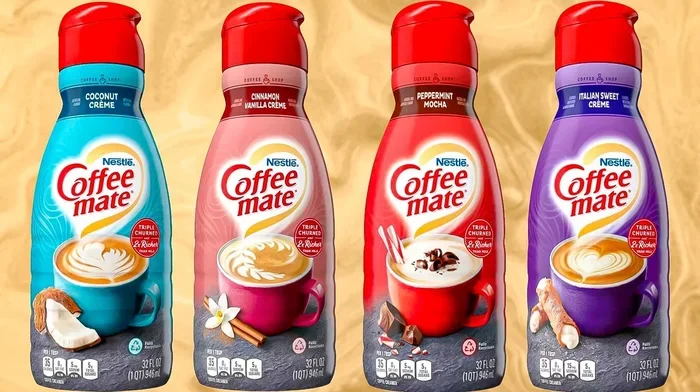
Flavored creamers are one of the biggest sources of hidden sugar in home-brewed coffee. A tablespoon of vanilla creamer can contain 3 to 5 grams of sugar. Most people pour two or three tablespoons, which quickly adds up. Switching to plain cream or unsweetened milk is a much better choice.
Thinking Sugar-Free Syrups Are Always Better
Sugar-free syrups eliminate calories and sugar, but they come with artificial sweeteners and chemicals that some people prefer to avoid. If you are concerned about artificial ingredients, natural alternatives like stevia or cinnamon are better options. There is no one-size-fits-all answer, so choose what works best for your health goals.
Expert Insights On Coffee And Sugar
Nutrition experts consistently advise that moderation is the key to enjoying coffee with sugar. The sugar in lattes and specialty drinks has become a major public health concern, with some health professionals calling attention to the sugar content of popular coffee beverages as a hidden contributor to the obesity epidemic.
Dr. Michael Greger, a physician and author, has noted that many people underestimate the sugar in their coffee drinks because they do not think of coffee beverages as sugary foods. The reality is that a single flavored coffee drink can contain more sugar than a can of soda. This insight alone should encourage coffee lovers to pay closer attention to what they are drinking.
Maintaining proper equipment also plays a role in coffee quality. A well-maintained machine brews better-tasting coffee, which can naturally reduce the desire for added sweeteners. Regularly decalcifying your Keurig coffee maker or cleaning your espresso machine ensures that your coffee tastes its best, making it easier to enjoy without extra sugar.
How To Read Coffee Drink Nutrition Labels
When you buy coffee drinks from a store or café, learning to read nutrition labels is essential. Look for the “Total Sugars” line first, and then check the “Added Sugars” line below it. The added sugars line tells you exactly how much sugar was put in during processing or preparation. This is the number you need to watch most closely.
A good rule of thumb is to keep added sugars under 10 grams per coffee drink if you are having one per day. If you drink multiple cups, aim for under 5 grams per serving. This keeps your total daily sugar intake within healthy limits while still letting you enjoy your favorite beverages.
Key Takeaways
- A plain black coffee contains almost no sugar: just 0 to 1 gram per cup, making it the best choice for sugar-conscious drinkers.
- Flavored and specialty drinks are sugar bombs: a single grande latte or frappuccino can contain 30 to 50 grams of added sugar.
- The American Heart Association recommends no more than 25 to 36 grams of added sugar per day: one sugary coffee drink can blow past that limit.
- Natural sweeteners like honey and stevia offer better alternatives: they add sweetness with fewer health risks than white table sugar.
- Small changes add up: switching to unsweetened options or reducing sugar by half can save hundreds of calories per week.
- Reading nutrition labels and asking for nutritional info at coffee shops: empowers you to make informed decisions about your daily caffeine fix.
FAQs
Is there sugar in black coffee?
Plain black coffee contains virtually no sugar, typically 0 to 1 gram per 8-ounce cup. The small amount comes from natural compounds in the coffee beans, not from added sweeteners. If you drink your coffee black without any additions, you are consuming almost no sugar at all.
How much sugar is in a Starbucks latte?
A standard 12-ounce Starbucks latte with whole milk and no added syrup contains about 6 to 10 grams of natural milk sugar. However, if you add vanilla or other flavored syrup, the sugar content jumps to 20 to 30 grams. Always ask for sugar-free syrup or skip it entirely to keep sugar levels low.
What is the healthiest sweetener for coffee?
Stevia and monk fruit are the healthiest sweeteners for coffee because they are zero-calorie and do not affect blood sugar levels. Cinnamon and vanilla extract add sweetness and flavor without any sugar. Honey and maple syrup are natural alternatives but still contain sugar, so use them sparingly.
Can too much sugar in coffee cause weight gain?
Yes, consistently adding sugar to your coffee can contribute to weight gain. A single tablespoon of sugar adds about 48 calories. If you drink two or three sweetened cups per day, those extra calories add up quickly over weeks and months. Reducing or eliminating sugar from coffee is an easy way to cut empty calories from your diet.
How can I reduce sugar in my coffee without losing flavor?
Try using cinnamon, vanilla extract, or cocoa powder to add natural sweetness and flavor without sugar. Gradually reduce the amount of sugar you use each week. Switch to unsweetened milk alternatives and try spiced coffee recipes. Your taste buds will adjust, and you will start appreciating the natural flavors of coffee.
Does coffee affect blood sugar levels?
Black coffee has a minimal effect on blood sugar levels and may even have some beneficial effects on insulin sensitivity. However, adding sugar directly to coffee causes a rapid spike in blood glucose. For people with diabetes or insulin resistance, choosing unsweetened coffee or using low-glycemic sweeteners is the safest approach.
Conclusion
How much sugar in coffee is a question that deserves your attention every morning. The difference between a plain black cup and a sugary specialty drink can be the difference between a healthy daily habit and a hidden source of excess calories and sugar. Now that you know the real numbers, you have the power to make better choices.
You do not have to give up coffee. You do not have to suffer through bitter, unsweetened cups if you do not want to. The goal is simply awareness and moderation. Use the tips in this article to find the right balance for your taste and your health. Whether you switch to natural sweeteners, brew better coffee at home, or simply reduce the number of flavored drinks you order, every small change matters.
Your morning coffee is one of the most enjoyable rituals in your day. Make it work for you, not against you. Cut back on sugar, explore new flavors, and enjoy every sip with confidence. After all, the best cup of coffee is one that tastes great and makes you feel great too.