How To Burn Off Oven Cleaner And Remove Stains Fast
Discover the fastest and safest way to burn off oven cleaner and tackle tough stains like a pro. This guide covers heat methods, natural alternatives, and expert tips to get your oven sparkling clean. Whether you are dealing with chemical residue or baked-on grease, these proven techniques save you time, effort, and money.
Keeping your oven clean is one of those chores nobody looks forward to. But here is the thing — a dirty oven does not just look terrible. It can affect how your food tastes and even how efficiently your oven works. When grease and food residue build up over time, they create stubborn stains that seem impossible to remove. Many people turn to oven cleaner products for help, but what happens after you spray them down? That is where the real challenge begins.
If you have ever wondered how to get rid of oven cleaner residue and the baked-on stains it is supposed to dissolve, you are not alone. How to burn off oven cleaner is a question many home cooks ask, especially after a deep cleaning session leaves behind a sticky or chemical smell. The good news is that burning off oven cleaner is a proven method that works surprisingly well. It uses heat to vaporize the chemical residue and loosen the tough stains clinging to your oven walls. In this guide, we will walk you through every step, share the safest techniques, and give you practical tips to make the process fast and easy.
Key Takeaways
- Burning off oven cleaner is a safe and effective method when done correctly with proper ventilation and low heat settings.
- Natural alternatives like baking soda and vinegar can replace harsh chemicals and still deliver powerful stain removal results.
- Always wear gloves and ensure airflow when handling oven cleaner residue, whether burning it off or wiping it away.
- Regular oven maintenance prevents tough buildup and makes future cleaning sessions much faster and easier.
- Avoid using abrasive tools on oven surfaces to prevent scratches and damage to the interior coating.
- The self-cleaning cycle can complement manual cleaning but should not replace routine maintenance for best results.
📑 Table of Contents
- Why Oven Cleaner Gets Stuck And Creates Stains
- How To Burn Off Oven Cleaner Using Heat
- Natural Methods To Remove Oven Cleaner Residue
- Step-By-Step Guide To Cleaning Your Oven After Burning Off Cleaner
- Common Mistakes To Avoid When Burning Off Oven Cleaner
- Expert Tips For Maintaining A Spotless Oven
- Comparison: Chemical Oven Cleaners Vs Natural Cleaning Methods
- Safety Precautions When Burning Off Oven Cleaner
- How Often Should You Clean Your Oven?
- Conclusion
Why Oven Cleaner Gets Stuck And Creates Stains
Before we dive into the burning-off process, it helps to understand why oven cleaner can leave behind such a mess. Most commercial oven cleaners contain powerful chemicals designed to break down grease and carbon buildup. When you spray them inside your oven, they react with the baked-on grime. But if you do not remove the residue properly, it can harden, discolor, or even create new stains of its own.
What Happens When Oven Cleaner Sits Too Long
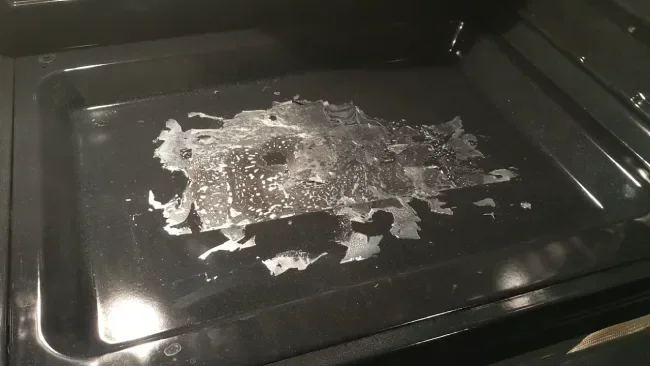
Oven cleaner is designed to sit on surfaces for a certain amount of time. This gives the chemicals time to dissolve the grease. But leaving it on for too long can cause the cleaner itself to dry out and turn into a paste-like substance. This dried residue is often white, chalky, or sticky. It can be very hard to wipe away with just a cloth and some water.
Additionally, some oven cleaners contain sodium hydroxide, also known as lye. This ingredient is extremely effective at cutting through grease. However, it can also react with the oven’s interior surface when exposed to high heat. This reaction can cause discoloration or even damage if the cleaner is not fully removed before you start cooking again.
The Role Of Heat In Oven Cleaning
Heat plays a dual role in oven cleaning. On one hand, applying heat to oven cleaner residue causes it to break down and evaporate. This is the core idea behind burning off oven cleaner. On the other hand, excessive heat without proper preparation can bake the residue into the surface even more. That is why it is so important to follow the right steps and use controlled heat rather than just cranking up the temperature.
Understanding this balance helps you avoid common mistakes and get better results every time. Whether you are dealing with a self-cleaning oven or a traditional model, the principles remain the same. Prepare the surface, apply gentle heat, and remove the residue carefully.
How To Burn Off Oven Cleaner Using Heat
Burning off oven cleaner is simpler than most people think. The goal is to use low, steady heat to vaporize the chemical residue left behind after you have applied oven cleaner. This method works well for both chemical-based cleaners and natural cleaning solutions that need a heat boost to fully break down.
Step-by-Step Process For Burning Off Oven Cleaner
Follow these steps carefully to burn off oven cleaner safely and effectively:
- Remove all loose residue first. Before applying any heat, put on a pair of rubber gloves and wipe away as much of the cleaner residue as possible. Use damp paper towels or a microfiber cloth. Do not scrub aggressively. You just want to remove the loose, wet cleaner.
- Ventilate your kitchen. Open windows and turn on the exhaust fan. Burning off oven cleaner releases fumes that are not safe to breathe. Good airflow is essential for your safety and comfort during this process.
- Place the oven racks outside if possible. If your racks are removable, take them out and clean them separately. This gives you better access to the oven walls and prevents the racks from absorbing excess heat or chemical fumes.
- Set your oven to a low temperature. Preheat the oven to around 200°F to 250°F (about 93°C to 121°C). Do not go higher than 300°F. The idea is gentle, sustained heat — not a blast of extreme temperature.
- Let the oven run for 10 to 15 minutes. During this time, the low heat will cause the remaining cleaner residue to soften and begin to evaporate. You may notice some smoke or smell. This is normal. Just keep the ventilation going.
- Turn off the oven and let it cool slightly. Once the time is up, turn off the heat but leave the door cracked open. Let the oven cool for about 15 to 20 minutes. This makes it safe to touch and prevents burns.
- Wipe down the interior with a damp cloth. Use warm water and a clean cloth to wipe away the softened residue. You may need to use a bit of dish soap on the cloth for extra cleaning power. Repeat this step until the surface feels clean and smooth.
Why Low Heat Is Better Than High Heat
You might be tempted to turn the oven up high to speed things along. Resist that urge. High heat can cause the oven cleaner chemicals to release toxic fumes more rapidly. It can also bake the residue into the oven walls, making the problem worse instead of better. Low and slow is the way to go. This approach gives the chemicals time to break down safely without creating a mess or a safety hazard.
Another reason low heat works better is that it melts and loosens grease more evenly. When you apply gentle heat, the softened grease lifts off the surface more easily during wiping. This means less scrubbing and better results overall.
Natural Methods To Remove Oven Cleaner Residue
Not everyone wants to use harsh chemicals in their oven. The good news is that natural cleaning methods can be just as effective, especially when combined with the burning-off technique. These approaches are safer for your home, your family, and the environment.
Baking Soda And Vinegar Method
This is one of the most popular oven cleaning hacks out there, and for good reason. Baking soda is a gentle abrasive that lifts stains without scratching surfaces. Vinegar is a natural acid that breaks down grease and dissolves residue. Together, they create a powerful cleaning reaction.
Here is how to do it:
- Mix baking soda with a small amount of water to form a thick paste.
- Spread the paste evenly over the inside of the oven, avoiding the heating elements.
- Let the paste sit for at least 12 hours or overnight.
- The next day, spray white vinegar over the paste. It will fizz and bubble — this is the reaction breaking down the grime.
- Wipe away the loosened residue with a damp cloth.
- For any remaining stains, apply the paste again and use the heat method described above to burn off the residue.
Lemon And Water Steam Cleaning
Lemon is a natural degreaser with a fresh scent that masks any lingering chemical smells. To use this method, squeeze two lemons into a bowl of water and place it on the bottom oven rack. Heat the oven to about 200°F and let it run for 30 minutes. The steam will soften the grease and loosen baked-on stains. Afterward, simply wipe the interior clean with a damp cloth.
This method works best as a maintenance cleaning rather than a heavy-duty stain removal solution. But it is excellent for keeping your oven fresh between deep cleaning sessions.
Dish Soap And Warm Water Soak For Racks
Oven racks can be cleaned separately using a simple soaking method. Fill your bathtub or a large sink with warm water and add a generous squirt of dish soap. Submerge the racks and let them soak for several hours. The warm water and soap will break down the grease and make the grime easy to wipe away. For tough spots, use a non-abrasive sponge to gently scrub the surface.
Step-By-Step Guide To Cleaning Your Oven After Burning Off Cleaner
Once you have successfully burned off the oven cleaner residue, it is important to follow up with a thorough cleaning. This ensures that no chemical traces remain and that your oven is safe to use for cooking.
Final Wipe-Down And Inspection
After the heat treatment and wiping, do a final inspection of the oven interior. Look for any remaining residue, discoloration, or sticky spots. Use a fresh damp cloth to wipe down all surfaces one more time. If you still see stains, repeat the baking soda paste method or apply a light coat of oven cleaner and burn it off again.
Cleaning The Oven Door And Glass
Do not forget the oven door and the glass window. Grease and cleaner residue often accumulate here too. Mix a solution of equal parts water and white vinegar in a spray bottle. Spray the glass and let it sit for a few minutes. Wipe it clean with a soft cloth. For stubborn spots on the glass, make a paste of baking soda and water, apply it gently, and wipe it away after 10 minutes.
Reinstalling The Racks And Preparing For Use
Once everything is clean and dry, reinstall the oven racks. Before you start cooking, it is a good idea to heat the oven to about 300°F for 10 to 15 minutes with the door open. This helps evaporate any remaining moisture or faint chemical traces. You will know the oven is ready when you no longer smell anything unusual.
Common Mistakes To Avoid When Burning Off Oven Cleaner
Even with the best intentions, it is easy to make mistakes during the oven cleaning process. Here are the most common ones and how to avoid them.
Using Too Much Oven Cleaner
More cleaner does not mean better results. In fact, using too much product creates more residue that you then need to burn off and remove. A thin, even layer is all you need. Focus on the areas with the most buildup and let the cleaner do its job without overdoing it.
Skipping The Ventilation Step
This is one of the most important safety steps. Oven cleaner fumes are no joke. They can irritate your eyes, throat, and lungs. Always open windows and use your exhaust fan before you start. If you are burning off the cleaner with heat, ventilation becomes even more critical because the heat releases those fumes faster.
Applying Heat Too Soon
Do not turn on the oven immediately after spraying cleaner. Give the cleaner time to work on the grease first. Most products recommend waiting at least 15 to 30 minutes before applying heat. Applying heat too soon can cause the cleaner to bubble and splatter, creating a bigger mess.
Using Abrasive Tools On The Oven Interior
Steel wool, harsh scouring pads, and abrasive sponges can scratch the oven’s interior coating. Over time, these scratches create tiny grooves where grease and grime can accumulate even faster. Stick with soft cloths, microfiber towels, and non-abrasive sponges for all your oven cleaning needs.
Expert Tips For Maintaining A Spotless Oven
The best way to make oven cleaning easier is to prevent heavy buildup in the first place. These expert tips will help you keep your oven clean with minimal effort.
Clean Spills Immediately
When food spills or grease splatters inside your oven, clean it up as soon as the oven has cooled down. The longer a spill sits, the harder it becomes to remove. A quick wipe with a damp cloth after each use can save you from deep cleaning sessions later.
Use An Oven Liner
Oven liners are inexpensive and very effective. They sit on the bottom of the oven and catch drips, spills, and crumbs before they can bake onto the surface. Simply remove the liner, wipe it clean, and replace it. This simple habit can cut your oven cleaning time in half.
Run The Self-Cleaning Cycle Regularly
If you have a self-cleaning oven, use this feature regularly — about once every one to two months. The self-cleaning cycle uses very high heat to burn off food residue and grease. Just make sure you remove any visible debris before starting the cycle, and always ventilate your kitchen during the process.
Deep Clean Seasonally
Even with regular maintenance, a deep clean every three to four months is a good idea. This is the perfect time to use your oven cleaning method of choice, whether that is a commercial cleaner, a natural paste, or the burn-off technique we covered above. Seasonal deep cleaning keeps your oven running efficiently and prevents tough stains from building up.
Comparison: Chemical Oven Cleaners Vs Natural Cleaning Methods
| Feature | Chemical Oven Cleaners | Natural Cleaning Methods |
|---|---|---|
| Cleaning Power | Very strong on tough grease | Good for moderate buildup |
| Safety | Harsh fumes; requires ventilation | Non-toxic; safe for homes with kids |
| Residue | Can leave chemical residue | No harmful residue left behind |
| Cost | Moderate to high | Very affordable |
| Ease Of Use | Spray and wait | Requires more prep time |
| Environmental Impact | Chemical runoff is harmful | Eco-friendly and biodegradable |
| Best For | Heavy, baked-on grease | Regular maintenance and light cleaning |
Both approaches have their place. For heavy grease and baked-on stains, a chemical oven cleaner combined with the burn-off method delivers powerful results. For everyday maintenance and lighter cleaning, natural methods are safer, cheaper, and just as effective when used consistently.
Safety Precautions When Burning Off Oven Cleaner
Safety should always come first when cleaning your oven. Here are some important precautions to keep in mind:
- Always wear gloves. Oven cleaners contain chemicals that can irritate or burn your skin. Rubber gloves protect your hands during both application and cleanup.
- Never mix different cleaning products. Combining oven cleaner with other household chemicals can create dangerous fumes. Stick to one product at a time.
- Keep pets and children out of the kitchen. Fumes from both chemical cleaners and the burning-off process can be harmful. Create a closed-off zone while you work.
- Do not leave the oven unattended while burning off cleaner. Monitor the process closely to ensure nothing goes wrong and to catch any unusual smells or smoke early.
- Wash your hands thoroughly after cleaning. Even with gloves, it is good practice to wash your hands with soap and water after handling any cleaning products or residue.
How Often Should You Clean Your Oven?
The frequency of cleaning depends on how often you use your oven. For regular home cooks who use the oven a few times a week, a light wipe-down after each use and a deeper clean once a month is ideal. If you use your oven daily, consider cleaning it every two weeks and doing a thorough deep clean once a quarter.
For those who only use the oven occasionally, a seasonal deep clean combined with the burn-off method will keep it in great shape. The key is consistency. A little effort on a regular basis prevents the need for heavy-duty cleaning later.
Conclusion
How to burn off oven cleaner is a straightforward process once you know the right steps and safety precautions. Whether you choose to use heat to vaporize chemical residue or opt for natural cleaning methods, the key is to work patiently and thoroughly. Low and steady heat, proper ventilation, and gentle wiping are the three pillars of effective oven cleaning. By following the tips and techniques in this guide, you can remove stubborn stains, eliminate chemical residue, and keep your oven running at its best. Regular maintenance makes every future cleaning session faster and easier. So put on your gloves, open a window, and give your oven the care it deserves.
Frequently Asked Questions
Can I burn off oven cleaner in a self-cleaning oven?
Yes, but with caution. You should manually wipe away the cleaner residue first before running the self-cleaning cycle. Never apply oven cleaner directly before using the self-cleaning feature, as the high heat can cause harmful fumes to release. Always remove all chemical residue before using any heat-based cleaning method.
How long does it take to burn off oven cleaner residue?
The burning-off process typically takes about 10 to 15 minutes at a low temperature of 200°F to 250°F. Add another 15 to 20 minutes for cooling. So the entire process from start to finish usually takes around 30 to 45 minutes, depending on how much residue is present.
Is it safe to cook in the oven right after burning off cleaner?
No, you should wait until the oven is completely cool and has been wiped down with clean water. Before using the oven for cooking, heat it to 300°F for 10 minutes with the door open to evaporate any remaining moisture or traces. If you still smell anything, wipe it down again and repeat the process.
What is the best natural alternative to chemical oven cleaners?
Baking soda and vinegar is widely considered the best natural alternative. The baking soda acts as a gentle abrasive while the vinegar dissolves grease and breaks down residue. Lemon and water steam cleaning is another excellent option for lighter cleaning tasks and fresh scent.
Can I use the burn-off method on all types of ovens?
The burn-off method works on most standard ovens, including gas and electric models. However, if you have a specialty oven with a unique interior coating or finish, check the manufacturer’s guidelines first. Some coatings may be sensitive to high heat or chemical exposure.
Why does my oven still smell after burning off cleaner?
A lingering smell usually means there is still residue present. Try wiping the interior down with a solution of equal parts water and white vinegar. You can also heat the oven to 250°F for an additional 10 minutes with the door open to help neutralize any remaining odors. If the smell persists, repeat the entire cleaning and burn-off process.