How To Cook A Turkey In The Oven Easy And Perfectly
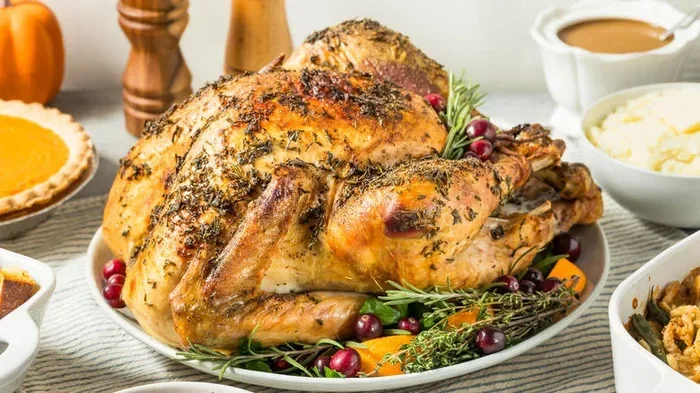
Learning how to cook a turkey in the oven easy and perfectly is simpler than you think. This guide walks you through every step, from picking the right bird to pulling it out of the oven golden and juicy. You will learn about temperatures, timing, seasoning, and common mistakes to avoid. Whether it is Thanksgiving or a weekend family dinner, this method works every time. Follow along and impress everyone with your oven-roasted turkey skills.
Cooking a turkey in the oven might seem intimidating at first. But the truth is, how to cook a turkey in the oven easy is a skill anyone can master. You do not need fancy equipment or years of experience. All you need is a good recipe, a little patience, and the right guidance.
Every year, millions of families gather around the table to enjoy a beautiful roast turkey. Some people spend weeks worrying about the big day. Others pull off a perfect bird with ease. The difference? They follow a clear, simple method. That is exactly what this guide will give you.
Whether you are a first-time cook or someone who wants to upgrade your routine, this article covers everything. We will talk about ingredients, equipment, timing, temperature, and all the little tricks that make a huge difference. By the end, you will feel confident and ready to tackle your next turkey roast.
Key Takeaways
- Oven roasting is the easiest and most reliable way to cook a whole turkey at home with consistent results.
- Brining your turkey beforehand keeps the meat moist and adds deep flavor throughout the bird.
- Cook at 325°F for the best balance of crispy skin and tender, juicy meat inside.
- Use a meat thermometer to check that the internal temperature reaches 165°F in the thickest part.
- Let the turkey rest for 20-30 minutes before carving to lock in the juices.
- Avoid overcooking by following the timing guide based on your turkey’s weight.
- Simple seasonings like herb butter and garlic can elevate your turkey from ordinary to extraordinary.
📑 Table of Contents
- Why Cooking Turkey In The Oven Is The Best Method
- What You Will Need: Ingredients And Equipment
- Step-By-Step Guide To Cooking Turkey In The Oven Easy
- Temperature And Timing: The Key To Perfect Results
- Tips For A Juicy And Flavorful Turkey
- Common Mistakes To Avoid When Cooking Turkey
- How To Make Easy Turkey Gravy From Pan Drippings
- Frequently Asked Questions
- Final Thoughts
Why Cooking Turkey In The Oven Is The Best Method
There are many ways to prepare a turkey. You can deep fry it, smoke it, or even cook it in a slow cooker. But oven roasting remains the most popular method for good reason. It is simple, hands-off, and produces consistently great results.
Even Heat Distribution
An oven surrounds the turkey with warm air on all sides. This means the bird cooks evenly from every angle. Unlike grilling or smoking, you do not have to worry about hot spots or uneven browning. The heat circulates naturally and does most of the work for you.
Minimal Effort, Maximum Flavor
When you roast a turkey in the oven, you get that beautiful golden skin without constant attention. You can prep the bird, set the timer, and focus on other parts of your meal. The oven does the heavy lifting while the flavors develop slowly inside.
Perfect For Any Occasion
Oven-roasted turkey works for Thanksgiving, Christmas, Easter, or any Sunday dinner. It scales easily too. You can cook a small bird for two or a large one for a crowd. The method stays the same regardless of size. That makes it incredibly versatile for home cooks of all levels.
What You Will Need: Ingredients And Equipment
Before you start, make sure you have everything ready. Having all your ingredients and tools prepared ahead of time makes the process smooth and stress-free. Here is what you need.
Essential Ingredients
- Whole turkey (fresh or thawed, 10-20 pounds works best for most ovens)
- Unsalted butter (softened, for herb butter)
- Fresh herbs like rosemary, thyme, and sage
- Garlic cloves (minced or whole)
- Lemon (halved, for inside the cavity)
- Salt and black pepper
- Chicken broth or turkey stock (for the roasting pan)
- Onion and celery (quartered, for added flavor)
Equipment Checklist
- Roasting pan with a sturdy rack
- Meat thermometer (digital probe works best)
- Aluminum foil (for tenting)
- Basting spoon or bulb syringe
- Kitchen twine (for trussing)
- Large cutting board
- Sharp carving knife
Optional But Helpful Additions
Some extras can take your turkey to the next level. Consider adding orange zest to your herb butter. A splash of white wine in the pan creates steam and flavor. You can also stuff the cavity with fresh herb bundles for a fragrant roast. These small touches make a big difference in the final result.
Step-By-Step Guide To Cooking Turkey In The Oven Easy
Now for the part you have been waiting for. Here is the full process broken down into simple, easy-to-follow steps. Follow along and you will have a stunning turkey on your table.
Step 1: Prepare The Turkey
Remove the turkey from the refrigerator about one hour before cooking. This lets it come closer to room temperature, which helps it cook more evenly. Remove the giblets and neck from the cavity. Rinse the bird inside and out under cold water, then pat it completely dry with paper towels. Dry skin is the secret to crispy, golden results.
Step 2: Make The Herb Butter
In a small bowl, mix softened butter with minced garlic, chopped rosemary, thyme, salt, and pepper. Stir until everything is well combined. This herb butter is your flavor booster. It will go under the skin and inside the cavity for maximum impact.
Step 3: Season And Stuff
Gently loosen the skin over the breast and thighs with your fingers. Spread half the herb butter directly under the skin. This is the trick that keeps the meat incredibly juicy. Rub the remaining butter all over the outside of the bird. Stuff the cavity with lemon halves, onion quarters, celery, and a few fresh herb sprigs. These aromatics steam inside the bird and add subtle flavor.
Step 4: Truss The Turkey
Tie the legs together with kitchen twine. Tuck the wing tips under the body. Trussing helps the turkey cook evenly and keeps the shape neat. It also prevents the extremities from drying out before the rest of the bird is done.
Step 5: Add Liquid To The Pan
Pour about one cup of chicken broth into the bottom of the roasting pan. Place the rack inside and set the turkey on top. The liquid creates steam, which keeps the bottom from burning and adds moisture to the oven environment. You can also add a few onion wedges to the pan for extra flavor.
Step 6: Roast In The Oven
Place the pan in the oven on the middle rack. Cook the turkey at 325°F for the recommended time based on its weight. See the table below for guidance. Tent the bird loosely with aluminum foil if the skin starts to brown too quickly.
Step 7: Check The Temperature
About 30 minutes before the estimated finish time, insert a meat thermometer into the thickest part of the thigh. Do not touch the bone. The internal temperature should read 165°F. Also check the thickest part of the breast. Once both spots reach 165°F, your turkey is done.
Step 8: Rest Before Carving
Remove the turkey from the oven and let it rest for at least 20 to 30 minutes. This step is non-negotiable. Resting allows the juices to redistribute throughout the meat. If you carve too early, the juices run out and the turkey dries out. Cover loosely with foil during resting.
Temperature And Timing: The Key To Perfect Results
Getting the temperature and timing right is the most important part of how to cook a turkey in the oven easy. Too high a temperature burns the outside before the inside is done. Too low and the bird dries out. Here is everything you need to know.
Recommended Oven Temperature
Always roast your turkey at 325°F. This moderate temperature allows the meat to cook slowly and evenly. It gives the skin time to crisp up without burning. Higher temperatures like 400°F might seem faster, but they often result in dried-out meat and uneven cooking.
Turkey Cooking Time By Weight
Use this guide to estimate your roasting time. These times are based on an unstuffed turkey cooked at 325°F.
| Turkey Weight | Approximate Cooking Time | Internal Temp Target |
|---|---|---|
| 8-12 pounds | 2.5 to 3 hours | 165°F |
| 12-14 pounds | 3 to 3.5 hours | 165°F |
| 14-18 pounds | 3.5 to 4 hours | 165°F |
| 18-20 pounds | 4 to 4.5 hours | 165°F |
| 20-24 pounds | 4.5 to 5 hours | 165°F |
These are estimates. Always rely on your meat thermometer for accuracy. Every oven is slightly different, and every bird varies in shape and thickness.
Why A Meat Thermometer Is Essential
Do not rely on pop-up timers or visual cues alone. A digital meat thermometer gives you precise readings and takes the guesswork out of cooking. Insert it into the thigh, the breast, and even the wing area if you want to be thorough. When all spots read 165°F or above, your turkey is safe and perfectly cooked.
Tips For A Juicy And Flavorful Turkey
Even with the right temperature and timing, small details can make or break your roast. Here are expert tips that separate a good turkey from a great one.
Brine The Turkey Overnight
Brining is one of the best things you can do for your turkey. Soak the bird in a saltwater solution for 12 to 24 hours before cooking. The salt penetrates the meat and helps it retain moisture during roasting. The result is incredibly juicy, tender turkey with flavorful meat from edge to edge.
Bring The Turkey To Room Temperature
Never put a cold turkey straight into the oven. Letting it sit out for about an hour before cooking reduces the roasting time and promotes even cooking. A room-temperature bird responds better to heat and cooks more uniformly.
Baste Every 45 Minutes
Basting adds moisture and flavor to the surface of the turkey. Use a spoon or bulb syringe to scoop up the pan juices and pour them over the bird. Do this every 45 minutes or so. The more you baste, the more golden and flavorful the skin becomes.
Do Not Overcook
The biggest mistake people make is leaving the turkey in the oven too long. Once the internal temperature hits 165°F, take it out. The residual heat will continue to raise the temperature slightly as the bird rests. Overcooking is the number one cause of dry turkey.
Save The Drippings
The juices left in the roasting pan are liquid gold. Use them to make homemade turkey gravy. Simply strain the drippings, heat them on the stove, and thicken with a little flour or cornstarch. Fresh turkey gravy tastes nothing like the boxed stuff, and your family will notice the difference immediately.
Common Mistakes To Avoid When Cooking Turkey
Even experienced cooks sometimes make errors that affect the final result. Here are the most common mistakes and how to avoid them.
Skipping The Thawing Process
If you buy a frozen turkey, plan ahead for thawing. A large bird can take two to three days to thaw completely in the refrigerator. Cooking a partially frozen turkey leads to uneven cooking and potentially unsafe meat. Always check that the turkey is fully thawed before seasoning and roasting.
Not Seasoning Under The Skin
Many people only season the outside of the bird. This is a missed opportunity. By sliding herb butter under the skin, you flavor the meat directly. The fat from the butter bastes the breast meat from within, keeping it succulent and rich.
Overcrowding The Pan
Make sure the turkey fits comfortably in the roasting pan with space around it for air to circulate. If the bird is too large or the pan is too small, the heat cannot move freely. This leads to uneven cooking and soggy spots.
Forgetting To Rest The Turkey
Resting is not optional. Cutting into a hot turkey immediately causes all the juices to escape onto the cutting board instead of staying in the meat. Give it at least 20 minutes of rest time. The turkey will still be hot, and the meat will be far more tender.
Using A Dirty Thermometer
Always clean your meat thermometer between readings. Bacteria from the surface can contaminate the reading and affect food safety. Wipe it with a hot, damp cloth or rinse it under warm water before each use.
How To Make Easy Turkey Gravy From Pan Drippings
No roast turkey is complete without gravy. The good news is that making gravy from the pan drippings is incredibly easy and requires almost no extra effort.
Simple Gravy Method
- Remove the turkey from the roasting pan and set it on a cutting board.
- Pour the pan drippings into a fat separator or a measuring cup.
- Let the drippings sit for 10 minutes so the fat rises to the top.
- Skim off the fat and discard it.
- Pour the defatted drippings into a saucepan and bring to a simmer.
- Mix one tablespoon of flour with one tablespoon of cold butter to make a slurry.
- Whisk the slurry into the simmering drippings.
- Cook for 3 to 5 minutes until the gravy thickens.
- Season with salt and pepper to taste.
- Strain through a fine mesh sieve for a smooth finish.
Your homemade turkey gravy will taste rich, savory, and completely different from anything out of a box. This simple method elevates your entire meal.
Frequently Asked Questions
How long does it take to cook a turkey in the oven?
A whole turkey generally takes about 2.5 to 5 hours depending on its weight. A 12-pound bird typically roasts for around 3 hours at 325°F. Always use a meat thermometer to confirm doneness rather than relying solely on the clock. The internal temperature should reach 165°F in the thickest part of the thigh and breast.
Should I cover my turkey with foil while roasting?
You do not need to cover the turkey for the entire cook. However, if the skin is browning too quickly, you can loosely tent it with aluminum foil for the last hour or so. This prevents burning while still allowing the inside to cook through. Remove the foil during the first part of the roast for the crispiest skin.
What is the best temperature to cook a turkey in the oven?
325°F is the recommended temperature for roasting a turkey. It provides a good balance between cooking time and moisture retention. Some recipes call for starting at a higher temperature and then reducing, but 325°F throughout is the most foolproof method for beginners and experienced cooks alike.
Do I need to brine my turkey before roasting?
Brining is not mandatory, but it makes a noticeable difference. A brined turkey stays juicier and more flavorful than an unbrined one. If you have the time, soak your turkey in a saltwater brine for 12 to 24 hours before cooking. If you are short on time, the herb butter method alone will still produce excellent results.
How do I know when the turkey is done?
The most reliable way is to use a meat thermometer. Insert it into the thickest part of the thigh without touching the bone. When it reads 165°F, the turkey is done. You can also check the juices, which should run clear when the bird is fully cooked. Pink juices mean it needs more time.
Can I cook a stuffed turkey in the oven?
Yes, you can cook a stuffed turkey, but it requires extra care. Stuffing inside the cavity increases cooking time because the center of the stuffing must also reach 165°F. Use a thermometer to check the stuffing temperature as well. Many cooks prefer to cook the stuffing separately to avoid any food safety concerns and to keep the roast time predictable.
Final Thoughts
Learning how to cook a turkey in the oven easy is one of the most rewarding skills you can build in the kitchen. It does not have to be complicated or stressful. With the right temperature, proper timing, and a little attention, you can roast a turkey that is juicy, flavorful, and beautifully golden every single time.
Start with a quality bird, season it generously, and trust the process. Use a meat thermometer, let the turkey rest, and save those drippings for gravy. These small steps add up to a meal that your family and guests will remember for a long time.
Whether your first attempt is perfect or needs a little tweaking, every roast teaches you something new. The beauty of oven-roasted turkey is that it is forgiving. Even if the skin is not picture-perfect, the meat will still be tender and delicious. So grab your roasting pan, preheat the oven, and get ready to cook a turkey that everyone will love. You have got this.