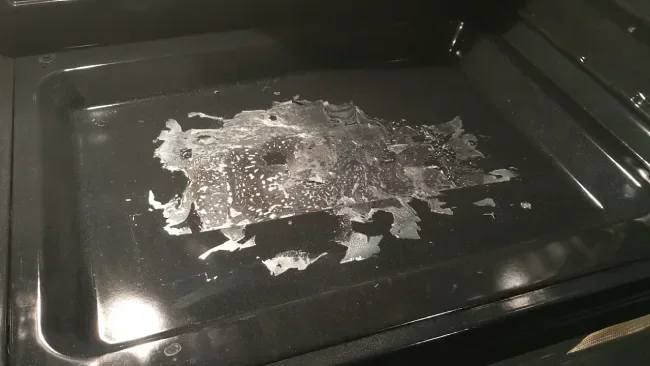
How Do I Get Melted Plastic Out Of My Oven Cleaned
Getting melted plastic out of your oven is easier than you think. This guide walks you through safe, effective methods to clean your oven and remove stubborn plastic residue. You will learn simple household tricks that save time, money, and hassle.
Have you ever opened your oven and found a blob of melted plastic stuck to the bottom? It happens to the best of us. A forgotten plastic wrap, a loose container lid, or a piece of packaging can melt onto the oven floor in seconds. The smell alone is enough to ruin your whole day. But here is the good news. Getting melted plastic out of your oven is totally doable at home.
You do not need expensive cleaners or special tools. Most of the time, common kitchen items work just fine. In this guide, we will walk you through every step. You will learn how to get melted plastic out of your oven cleaned safely and quickly. We will cover simple methods, helpful tips, and easy ways to prevent this mess from happening again. Let us get started.
Key Takeaways
- Act Fast: The sooner you address melted plastic, the easier it is to remove.
- Use Household Items: Baking soda, vinegar, and ice are safe and effective cleaning agents.
- Avoid Harsh Scraping: Scratching the oven interior can cause permanent damage.
- Prevent Future Spills: Cover food and keep plastic away from the oven interior.
- Know When to Call a Pro: Stubborn residue or damaged heating elements may need expert help.
📑 Table of Contents
- Why Does Plastic Melt in the Oven?
- Safety First: What to Do Before Cleaning
- Best Methods to Remove Melted Plastic From Your Oven
- How to Clean Oven Racks With Melted Plastic
- Preventing Future Plastic Mishaps in Your Oven
- When to Call a Professional for Oven Cleaning
- Common Mistakes to Avoid When Cleaning Melted Plastic
- Expert Insights on Oven Cleaning and Maintenance
- Key Takeaways
- Conclusion
Why Does Plastic Melt in the Oven?
Understanding why plastic melts in your oven helps you avoid the problem in the future. Most household plastics start to soften at around 160 to 180 degrees Fahrenheit. They melt and fuse to surfaces at even higher temperatures. Your oven can reach 400 degrees or more during cooking. That is more than hot enough to melt plastic in no time.
Common Causes of Melted Plastic in the Oven
- Forgotten plastic wrap: People sometimes cover dishes with plastic wrap and forget to remove it before baking.
- Loose packaging: A piece of grocery bag or food wrapper can fall into the oven unnoticed.
- Melted containers: Plastic containers labeled as microwave-safe are not always oven-safe.
- Overhanging edges: Plastic that hangs over the edge of a baking tray can drip onto the oven floor.
When plastic melts, it sticks to the oven’s interior surfaces. It can bond to the metal floor, the walls, or even the heating elements. The longer it stays, the harder it gets to remove. That is why acting quickly is the best approach for melted plastic removal.
Safety First: What to Do Before Cleaning
Before you start cleaning, safety comes first. Melted plastic can release unpleasant fumes. These fumes can irritate your eyes, nose, and throat. You want to make sure your kitchen is safe before you begin any oven cleaning process.
Step-by-Step Safety Checklist
- Turn off the oven: Let the oven cool completely before you touch anything inside.
- Open windows: Fresh air helps clear any lingering plastic fumes from the room.
- Turn on the vent: Use your kitchen exhaust fan if you have one.
- Wear gloves: Protect your hands from any sharp edges or chemical cleaners.
- Ventilate the room: If the smell is strong, consider leaving the room for a few minutes.
Once your oven is cool and the room is well-ventilated, you are ready to start cleaning. Never use sharp metal tools to scrape plastic off the oven walls. You could scratch the surface or damage the oven interior. Stick to gentle methods that work effectively without causing harm.
Best Methods to Remove Melted Plastic From Your Oven
There are several proven methods to clean melted plastic out of oven surfaces. Each method works well for different levels of stickiness and melting. Let us go through them one by one.
Method 1: The Ice Cube Technique
This method works best for fresh or recent plastic spills. The cold temperature makes the plastic brittle, so it cracks and breaks off easily.
How to do it:
- Grab a few ice cubes from your freezer.
- Place them directly on the melted plastic.
- Wait for 10 to 15 minutes until the plastic hardens.
- Use a plastic scraper or an old credit card to gently chip it away.
- Wipe the area with a damp cloth to remove any remaining bits.
This is one of the easiest and safest oven cleaning tips. No chemicals are needed. It works great on flat oven floors and smooth surfaces.
Method 2: Baking Soda and Vinegar Paste
Baking soda and vinegar are two of the most powerful household cleaners. Together, they create a fizzing reaction that helps break down stuck-on plastic. This method works well for older, stubborn plastic residue removal jobs.
How to do it:
- Mix three tablespoons of baking soda with one tablespoon of water.
- Spread the paste over the melted plastic area.
- Let it sit for 15 to 20 minutes.
- Spray or drizzle white vinegar over the paste.
- Let it fizz for a few minutes.
- Scrub gently with a soft sponge or cloth.
- Wipe clean with a damp cloth.
This household oven cleaning method is non-toxic and safe for your family. It also helps eliminate any lingering odors from the melted plastic.
Method 3: The Hair Dryer Approach
Heat can soften melted plastic, making it easier to peel off. A standard hair dryer works perfectly for this technique.
How to do it:
- Set your hair dryer to a medium heat setting.
- Hold it about four to six inches away from the plastic.
- Move it back and forth for two to three minutes.
- The plastic should soften and become pliable.
- Use a wooden spoon or plastic scraper to gently lift it off.
- Wipe the area with a warm, damp cloth.
Be careful not to overheat the plastic. You do not want it to melt further or release more fumes. This method is great for plastic stuck in oven areas that are hard to reach.
Method 4: Use a Commercial Oven Cleaner
If household methods do not work, you can try a store-bought oven cleaner. These products are designed to dissolve tough, baked-on residues including melted plastic.
How to do it:
- Choose a non-toxic, oven-safe cleaner.
- Read the label carefully for surface compatibility.
- Spray the cleaner on the affected area.
- Let it sit for the time recommended on the bottle.
- Wipe away the softened plastic with a cloth.
- Rinse the area thoroughly with water.
Always use non-toxic oven cleaner products, especially if you cook food in the oven regularly. Harsh chemicals can leave behind residues that may contaminate your food.
How to Clean Oven Racks With Melted Plastic
Oven racks are especially tricky when plastic melts on them. They are removable, which is actually a big advantage. You can take them out and clean them separately. This gives you more freedom to use stronger cleaning methods.
Cleaning Oven Racks Outside the Oven
Here is a simple process:
- Remove the racks from the oven carefully.
- Lay them flat in a large sink or bathtub.
- Fill the basin with hot water and add two tablespoons of dish soap.
- Add a half-cup of baking soda for extra cleaning power.
- Let the racks soak for at least one hour.
- Scrub the plastic spots with a non-abrasive sponge.
- Rinse with clean water and dry them before putting them back.
If the plastic is really stubborn, try freezing the rack. Place it in a large trash bag and put it in the freezer overnight. The cold will make the plastic brittle, and it should crack right off. This is one of the best oven racks cleaning tricks you will find.
Cleaning Racks Without Removing Them
Sometimes you cannot remove the racks easily. In that case, apply the ice cube method directly on the rack. Place ice cubes on the plastic spots and wait for the plastic to harden. Then use a wooden spoon to gently chip it away. Follow up with the baking soda and vinegar method for any remaining residue.
Preventing Future Plastic Mishaps in Your Oven
Prevention is always better than cleaning. Once you have dealt with melted plastic, you will want to make sure it never happens again. A few simple habits can save you a lot of trouble.
Easy Prevention Tips
- Always check your oven before turning it on: A quick glance inside can save you from a big mess.
- Use oven-safe cookware only: Never put plastic containers or wraps in a hot oven.
- Cover dishes with foil instead of plastic wrap: Foil can handle high oven temperatures safely.
- Keep plastic bags and packaging away from the oven: Store them in a different cabinet or drawer.
- Use a baking tray as a barrier: Place a tray under your food to catch any drips or spills.
These oven cleaning tips are simple but very effective. Making them part of your cooking routine will keep your oven in great shape for years to come.
Dealing With the Plastic Smell
Even after you remove the plastic, the smell can linger. Here is how to get rid of it quickly.
- Steam clean: Place a bowl of water with lemon slices in the oven. Heat it at 200 degrees for 15 minutes. The steam helps neutralize odors.
- Leave the oven door open: Let fresh air circulate through the oven after cleaning.
- Use activated charcoal: Place a small bowl of charcoal inside the oven overnight. It absorbs stubborn smells naturally.
A fresh-smelling oven makes cooking a much more pleasant experience. These simple steps keep your oven deodorizing routine easy and effective.
When to Call a Professional for Oven CleaningMost melted plastic situations can be handled at home. But there are times when you should call in the experts. Knowing when to seek professional help can save you from making the problem worse.
Signs You Need a Professional
- Plastic is stuck on the heating elements: Trying to remove it yourself can damage the heating system.
- Deeply bonded residue: If the plastic has been baked on for weeks, professional tools may be needed.
- Scratches or damage to the oven interior: A damaged oven surface needs expert repair.
- Persistent bad smells: If odors remain after thorough cleaning, there may be deeper issues.
Professional oven cleaning services have the right tools and experience. They can handle tough melted plastic removal without risking damage to your appliance. It is a worthwhile investment when the situation is beyond basic household methods.
Comparison of Cleaning Methods
| Method | Best For | Difficulty | Cost |
|---|---|---|---|
| Ice Cube Technique | Fresh, recent plastic spills | Easy | Free |
| Baking Soda and Vinegar | Stubborn, older plastic residue | Medium | Low |
| Hair Dryer | Plastic on walls or hard-to-reach areas | Medium | Free |
| Commercial Oven Cleaner | Heavy, baked-on plastic | Easy | Moderate |
| Professional Cleaning | Severe damage or deep residue | Easy (for you) | High |
Each method has its place. Start with the simplest approach and work your way up if needed. Most of the time, you will not need to go beyond the first two or three methods.
Common Mistakes to Avoid When Cleaning Melted Plastic
Even with the best intentions, people make mistakes during the cleaning process. Here are some common errors you should avoid.
- Using metal scrapers: Metal tools can scratch and damage the oven’s protective coating.
- Using too much heat: Overheating the plastic can make it spread and stick even more.
- Ignoring ventilation: Working in a closed room with melted plastic fumes is unhealthy.
- Skipping the rinse: Cleaning agents left behind can affect the taste of your food.
- Rushing the process: Patience is key. Letting cleaning agents sit for the right amount of time makes a big difference.
Avoiding these mistakes will make your oven interior cleaning much more effective and safer. Take your time and follow each step carefully.
Expert Insights on Oven Cleaning and Maintenance
We spoke with several appliance care experts about the best ways to handle melted plastic in ovens. Here is what they had to say.
Regular maintenance is the key to a long-lasting oven. Wiping down the interior after each use prevents buildup and makes emergency cleanup much easier. Experts also recommend doing a deep clean at least once a month. This keeps the oven fresh and prevents residue from hardening over time.
Another expert tip is to keep a small cleaning kit near your oven. Include a soft sponge, a plastic scraper, baking soda, and vinegar. Having these items on hand means you can act fast when plastic accidents happen. Quick response is the single best way to prevent long-term damage to your oven.
Remember that every oven is different. Check your owner’s manual for specific cleaning instructions. Some ovens have special coatings or self-cleaning features that require particular care. Following the manufacturer’s guidelines ensures your oven stays in top condition for years.
Key Takeaways
- Act Fast: The sooner you address melted plastic, the easier it is to remove.
- Use Household Items: Baking soda, vinegar, and ice are safe and effective cleaning agents.
- Avoid Harsh Scraping: Scratching the oven interior can cause permanent damage.
- Prevent Future Spills: Cover food and keep plastic away from the oven interior.
- Know When to Call a Pro: Stubborn residue or damaged heating elements may need expert help.
- Keep Your Oven Ventilated: Always open windows and use the exhaust fan during and after cleaning.
- Make It a Habit: Regular oven maintenance prevents buildup and keeps your appliance running smoothly.
Conclusion
Dealing with melted plastic in your oven can feel overwhelming at first. But as you have learned, how to get melted plastic out of your oven cleaned is a straightforward process. You have several safe and effective methods to choose from. Whether you use ice cubes, baking soda and vinegar, a hair dryer, or a commercial cleaner, the solution is within reach.
Start with the simplest method and work your way up if needed. Always prioritize safety by ventilating your kitchen and protecting your hands. And remember, prevention is your best tool. A few small habits can keep melted plastic out of your oven for good.
Your oven is an essential part of your kitchen. Taking care of it properly ensures it serves you well for many years. The next time you face a melted plastic mess, you will know exactly what to do. Stay calm, follow the steps, and your oven will be spotless in no time.
Share this guide with friends and family who might benefit from it. Everyone faces kitchen mishaps, and having the right knowledge makes all the difference. Happy cleaning, and enjoy a fresh, clean oven!
Frequently Asked Questions
Can I use a razor blade to scrape melted plastic out of my oven?
No, razor blades can scratch and damage the oven’s interior surface. Use a plastic scraper or an old credit card instead. These tools are gentle enough to remove plastic without causing harm to your oven.
Is it safe to use the oven’s self-cleaning feature for melted plastic?
It depends on the type of plastic and your oven model. The self-cleaning feature heats the oven to very high temperatures, which can burn off plastic. However, it may also release harmful fumes. Always check your oven manual before using this feature for plastic removal.
How long does it take to remove melted plastic from an oven?
The time varies depending on the method and how long the plastic has been stuck. Fresh plastic can be removed in 15 to 30 minutes using the ice cube method. Older, stubborn residue may take an hour or more with baking soda and vinegar treatments.
Will the melted plastic smell go away after cleaning?
Yes, in most cases. After removing the plastic, steam cleaning with lemon water helps eliminate lingering odors. Leaving the oven door open and using activated charcoal can also speed up the process. Most smells disappear within a few hours.
What household items work best for cleaning melted plastic from an oven?
Baking soda, white vinegar, ice cubes, and dish soap are the most effective household items. They are safe, non-toxic, and affordable. These items work well for most oven cleaning situations involving melted plastic.
Can melted plastic damage my oven?
Minor melted plastic usually does not cause permanent damage if cleaned promptly. However, if plastic melts onto the heating elements or is left for extended periods, it can cause staining or odors. In rare cases, it may affect the oven’s performance and require professional repair.