The Best Temperature To Keep Things Warm In The Oven
Keeping food warm in the oven is simple once you know the right temperature to keep things warm in the oven. The ideal oven warming temperature ranges from 170 to 200 degrees Fahrenheit, depending on what you are heating. Using the correct low oven temperature prevents drying out your meals while keeping them safe to eat. Whether you are prepping for a dinner party or reheating leftovers, these warming tips will save your dishes. Read on to master the art of keeping dishes warm in the oven like a pro.
There is nothing worse than cooking a beautiful meal only to have it turn cold before everyone sits down to eat. Whether you are hosting a holiday dinner, meal prepping for the week, or simply reheating last night’s leftovers, knowing how to keep food warm in the oven makes all the difference. The good news is that you do not need fancy equipment to do this right. Your regular oven can handle the job perfectly as long as you use the best temperature to keep things warm in the oven. In this guide, we will walk you through everything you need to know about oven warming temperature settings, the right tools to use, and simple tricks that will keep your dishes hot and delicious from the oven to the table.
Many people assume that warming food in the oven means turning the dial up high. That is one of the biggest mistakes home cooks make. Using too high a heat can dry out your food, overcook the edges, or even create a fire hazard. On the flip side, setting the temperature too low might leave your meals sitting in the danger zone where bacteria can grow. Finding the sweet spot is easier than you think. By the end of this article, you will feel confident about keeping dishes warm in the oven every single time.
Key Takeaways
- Keep food warm between 170 and 200 degrees Fahrenheit for safe and even heating without overcooking.
- Use oven safe containers like ceramic, glass, or cast iron to retain moisture and heat evenly.
- Cover dishes with foil or a lid to trap steam and prevent the surface from drying out.
- Avoid temperatures above 200 degrees when warming, as this can cook or burn your food.
- Check food every 15 to 20 minutes to make sure it stays at a safe serving temperature.
- Preheat the oven before adding food for consistent and reliable warming results.
- Use a food thermometer to ensure your dishes stay above the safe 140 degree Fahrenheit threshold.
📑 Table of Contents
- Understanding Your Oven’s Warming Capabilities
- The Ideal Temperature Range For Keeping Food Warm In The Oven
- Best Practices For Keeping Dishes Warm In The Oven
- What Foods Work Best For Oven Warming
- Common Mistakes To Avoid When Warming Food In The Oven
- Expert Tips For Perfectly Warmed Dishes Every Time
- Key Takeaways
- Conclusion
Understanding Your Oven’s Warming Capabilities
Before you set a temperature, it helps to understand how your oven actually works when it comes to low heat settings. Most standard home ovens can hold temperatures as low as 170 degrees Fahrenheit. Some models go even lower. This range is perfect for keeping food warm without cooking it further. The oven uses a thermostat to cycle the heating element on and off, which maintains a steady temperature within a small range.
How Ovens Maintain Low Temperatures
Your oven’s thermostat is the brain behind the warming process. When you set a low temperature, the heating element turns on just enough to maintain that heat. It does not blast like it would when you are baking bread or roasting a turkey. This cycling action keeps the air inside the oven at a consistent level. However, not all ovens are created equal. Older models might have more temperature variance than newer ones with digital controls.
If your oven runs hot or cold, you may need to use an oven thermometer to check the actual temperature inside. These inexpensive tools are a game changer for anyone who wants to keep food warm in the oven reliably. Simply place the thermometer inside, set your desired temperature, and wait a few minutes to see what the oven is really doing.
Oven Vs Warming Drawer
Some ovens come with a built-in warming drawer. This is a separate compartment at the bottom of the oven designed specifically to keep dishes warm. Warming drawers usually operate between 150 and 200 degrees Fahrenheit. They are great because they keep food separate from the main oven cavity, which means no risk of overcooking. However, not everyone has one. If your oven does not have a warming drawer, the main oven compartment works just fine for the same purpose.
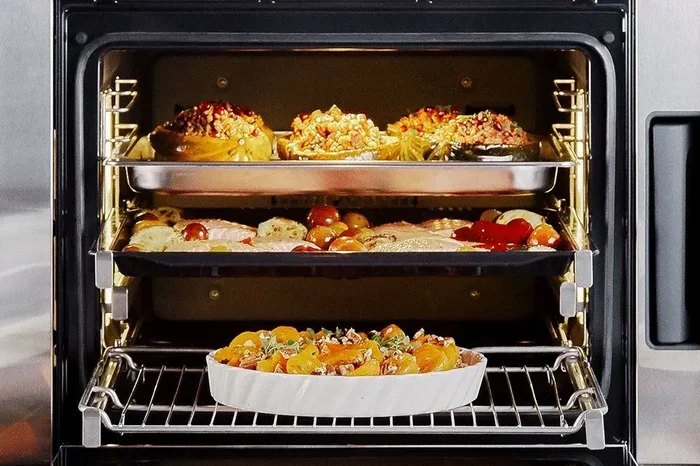
One advantage of a warming drawer is that it often provides more even heat distribution at low temperatures. The main oven chamber can sometimes have hot spots, especially near the heating elements. If you do not have a warming drawer, placing your dish on the center rack helps minimize this issue. Warming food in the oven is still completely effective either way.
The Ideal Temperature Range For Keeping Food Warm In The Oven
Now let us get to the heart of the matter. What is the best temperature to keep things warm in the oven? The answer depends on what you are warming and how long you need to keep it warm. But there is a general range that works for almost everything.
The Standard Warming Range
The most widely recommended oven warming temperature falls between 170 and 200 degrees Fahrenheit. This range is low enough to avoid cooking your food further but high enough to keep it above the food safety threshold of 140 degrees Fahrenheit. The United States Department of Agriculture recommends that cooked food be kept above 140 degrees to prevent bacterial growth. Staying in the 170 to 200 range gives you a comfortable safety margin.
Here is a quick breakdown of common warming temperature settings:
- 170 degrees Fahrenheit: Best for keeping already hot food warm for extended periods. Great for casseroles and baked dishes.
- 180 degrees Fahrenheit: A versatile middle ground. Works well for most meals, including roasted meats and vegetables.
- 190 to 200 degrees Fahrenheit: Slightly higher, ideal for dishes that need a bit more heat or for shorter holding times.
For most home cooks, setting the oven to 200 degrees Fahrenheit is the go-to choice for keeping dishes warm in the oven. It is simple, effective, and safe. If your oven tends to run hot, drop it down to 170 or 175 degrees instead.
Temperature Settings By Food Type
Different foods respond differently to low oven heat. Here is a handy guide to help you choose the right warm oven temperature for what you are serving:
- Roasted meats (chicken, beef, pork): Keep at 170 to 180 degrees. These proteins benefit from gentle, even heat that keeps them juicy.
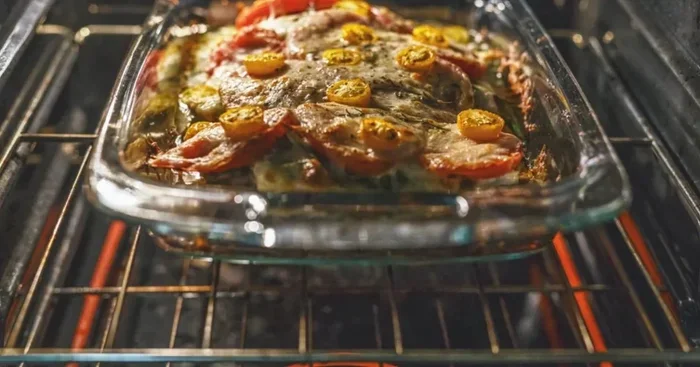
- Baked dishes (casseroles, lasagna): 170 to 190 degrees works well. The thick layers hold heat nicely and stay warm for a while.
- Bread and rolls: 150 to 170 degrees is enough. You just want to take the chill off, not dry them out.
- Vegetables: 170 to 200 degrees. Vegetables can handle slightly higher heat without losing their texture.
- Pizza and fried foods: 200 degrees or higher for short periods. These foods need a bit more heat to keep the crust crispy.
Best Practices For Keeping Dishes Warm In The Oven
Setting the right temperature is only half the battle. How you place and cover your food makes a huge difference in the final result. Following a few simple warming practices will help you serve hot, delicious meals every time.
Using Oven Safe Containers
Not every dish or container belongs in the oven. Always use oven safe dishes made from materials like ceramic, glass, stoneware, or cast iron. These materials distribute heat evenly and can handle the low temperatures needed for warming. Avoid plastic containers, melamine dishes, or anything labeled “not oven safe.” Using the wrong container can lead to melting, cracking, or even releasing harmful chemicals into your food.
If you are unsure whether a dish is oven safe, check the bottom for a label or symbol. Most oven safe dishes will have a clear marking. When in doubt, transfer your food to a known oven safe container before warming. This small step goes a long way in keeping your meals safe and your dishes intact.
Covering Food Properly
One of the simplest ways to keep food warm without drying it out is to cover it. Aluminum foil works great as a loose tent over baking dishes and pans. It traps steam inside, which keeps the surface moist and helps distribute heat more evenly. You can also use a fitted oven safe lid if your dish came with one.
For bread and rolls, a clean kitchen towel placed over the dish and then under a loose foil tent works wonders. The towel absorbs excess moisture while the foil holds in the heat. This combination keeps your baked goods warm and soft without making them soggy. Covering food for warming is one of the most overlooked tips, and it makes a noticeable difference.
Timing And Monitoring
How long can you safely keep food warm in the oven? The general rule is that most dishes can stay warm for up to two hours at the right temperature. After that, the quality starts to decline. Food can become overcooked, dry, or lose its texture. If you need to keep food warm for longer, consider checking it periodically and adding a small splash of liquid to prevent drying.
Use a food thermometer to check the internal temperature of your dishes every 15 to 20 minutes. You want the food to stay above 140 degrees Fahrenheit at all times. This is especially important for meats, sauces, and dairy-based dishes. A quick temperature check takes only a few seconds but gives you peace of mind that your food is both warm and safe.
What Foods Work Best For Oven Warming
Not all foods are created equal when it comes to reheating and warming in the oven. Some foods handle low heat beautifully and actually taste better after a gentle warm up. Others fall apart or lose their appeal. Understanding which foods work best for oven warming helps you plan your meals more effectively.
Foods that work really well for keeping warm in the oven include casseroles, baked pasta dishes, roasted vegetables, meatloaf, and whole roasted chickens. These dishes have enough mass and moisture to hold heat for an extended period. Soups and stews also do well if you keep the temperature moderate and use a deep oven safe pot with a lid.
Foods that need more care include fried items, delicate fish, and anything with a crispy coating. These items can lose their texture quickly in a warm oven. If you need to keep fried chicken or crispy potatoes warm, a slightly higher temperature of 200 to 225 degrees for a shorter time works better. Just keep a close eye on them to prevent drying out.
Leftover pizza is another interesting case. Many people throw it in the oven at too high a temperature and end up with a burnt crust. The best temperature to keep things warm in the oven for pizza is around 200 degrees with the pizza placed directly on the oven rack. This allows the heat to circulate around the slices and warm them evenly while keeping the crust crispy.
Common Mistakes To Avoid When Warming Food In The Oven
Even experienced cooks make mistakes when it comes to warming food in the oven. Being aware of these pitfalls helps you avoid them and serves up better results every time.
- Setting the temperature too high: This is the number one mistake. Cranking the oven to 300 or 350 degrees to warm food will cook it further, dry it out, or burn the edges. Stick to the 170 to 200 degree range.
- Leaving food in the oven too long: Two hours is the general safe limit. After that, food quality drops significantly and safety becomes a concern.
- Using non oven safe containers: Plastic, melamine, and certain types of glass can crack or release toxins when heated. Always double check before placing a dish in the oven.
- Forgetting to preheat: Preheating the oven to your warming temperature before adding food ensures consistent heat from the start. Skipping this step can leave your food sitting in a cold oven for several minutes.
- Not covering food: Uncovered dishes lose moisture quickly in the oven. A simple foil cover or lid prevents this and keeps your food tasting fresh.
- Overcrowding the oven: Placing too many dishes at once blocks airflow and creates uneven warming. Give each dish enough space for heat to circulate properly.
Avoiding these common warming mistakes saves you from ruined meals and food safety issues. It is worth taking a few extra minutes to set things up correctly rather than dealing with disappointing results at the table.
Expert Tips For Perfectly Warmed Dishes Every Time
Once you understand the basics, these expert-level warming tips will take your results to the next level. Professional chefs use many of these techniques in restaurants every day, and you can apply them at home too.
First, let your food come to room temperature before placing it in the oven. If you put a cold dish straight from the refrigerator into a warm oven, it takes much longer to heat through. This means the outside can overheat while the inside is still cold. Taking the chill off for 10 to 15 minutes first makes a big difference.
Second, use a double layer of aluminum foil for extra insulation. This traps more steam and creates a gentle greenhouse effect inside the dish. It is especially helpful for thicker items like lasagna or pot roast that need more time to heat through evenly.
Third, invest in a good oven thermometer if you do not already have one. As mentioned earlier, many ovens do not display the true internal temperature accurately. An oven thermometer costs just a few dollars and takes the guesswork out of warming food in the oven. It is one of the best small kitchen tools you can own.
Fourth, consider using a warming plate or placing a baking sheet underneath your dish. A preheated baking sheet acts as a heat reservoir and keeps the bottom of your dish warm. This is especially useful for casseroles and baked pasta that tend to cool down on the bottom first.
Fifth, if you are warming multiple dishes for a buffet or dinner party, stagger your timing. Put dishes that need to stay warm longer in the oven first, and add quicker-warming items later. This ensures everything comes out at the same temperature and quality level.
Finally, always rest your food for a few minutes after removing it from the oven. Carryover cooking means the internal temperature will continue to rise slightly after you take the dish out. This resting period also allows the heat to distribute more evenly throughout the dish. The result is a perfectly warm meal that looks and tastes great.
Key Takeaways
- The ideal temperature to keep food warm in the oven is between 170 and 200 degrees Fahrenheit. This range keeps food safe and prevents overcooking.
- Use oven safe containers like ceramic, glass, or cast iron to ensure even heating and avoid damage.
- Cover dishes with foil or a lid to trap moisture and heat, keeping your meals from drying out.
- Do not exceed two hours of warming time. Check the internal temperature every 15 to 20 minutes to stay above 140 degrees Fahrenheit.
- Preheat the oven before adding food for consistent and reliable warming results.
- Different foods need different temperatures. Meats do best at 170 to 180 degrees, while crispy items may need closer to 200 degrees.
- Avoid common mistakes like using non oven safe containers, overcrowding the oven, or leaving food in too long.
Conclusion
Knowing the best temperature to keep things warm in the oven is one of those kitchen skills that makes a real difference in your daily cooking. Whether you are preparing a big family meal, hosting a dinner party, or simply reheating leftovers for lunch tomorrow, the right oven warming temperature ensures your food tastes just as good as when it was first cooked.
Stick to the 170 to 200 degree Fahrenheit range, use oven safe containers, cover your dishes, and keep an eye on the time. These simple steps will help you serve hot, delicious meals every single time. Remember that food safety matters just as much as taste, so always make sure your dishes stay above 140 degrees Fahrenheit while warming.
With the tips and guidelines in this article, you now have everything you need to keep dishes warm in the oven with confidence. Put these warming practices into action in your kitchen and enjoy perfectly heated meals for your family and guests. Happy cooking!
Frequently Asked Questions
What is the best temperature to keep food warm in the oven?
The best temperature to keep things warm in the oven is between 170 and 200 degrees Fahrenheit. This range keeps your food above the safe serving temperature of 140 degrees while preventing overcooking or drying out.
Can I leave food in the oven on warm overnight?
No, it is not safe to leave food in the oven overnight, even on a low warm setting. The maximum recommended time for keeping food warm in the oven is two hours. After that, bacteria can start to grow and food quality declines significantly.
What containers are safe to use in the oven for warming?
Ceramic, glass, stoneware, and cast iron containers are all oven safe and work great for warming food. Avoid plastic, melamine, and any containers not labeled as oven safe, as they can crack or release harmful chemicals when heated.
Why does my food dry out when I warm it in the oven?
Food dries out in the oven when it is uncovered or when the temperature is set too high. To prevent this, use a loose foil tent or an oven safe lid to trap moisture. Also, keep your warming temperature in the 170 to 200 degree range for the best results.
Is 200 degrees too hot for warming food in the oven?
200 degrees Fahrenheit is at the upper end of the recommended warming range but is still safe for most foods. It works well for dishes that need a bit more heat or for shorter warming periods. If you are worried about overcooking, drop the temperature to 170 or 180 degrees instead.
How can I tell if my food is still warm enough to serve?
Use a food thermometer to check the internal temperature of your dish. It should read at least 140 degrees Fahrenheit for safe serving. If you do not have a thermometer, check that the food is steaming hot to the touch in the center before serving it out.