Can Corningware Be Used In A Toaster Oven Safely Today
Yes, Corningware can be used in a toaster oven, but only if you follow specific safety guidelines. Not all Corningware products handle high heat the same way, and using the wrong piece can lead to cracking or damage. This guide covers toaster oven safe Corningware, temperature limits, and practical tips to keep your bakeware in great shape.
You just pulled out your favorite Corningware dish, and dinner plans call for a quick reheat in the toaster oven. It feels natural, right? You pop the dish in and wait. But then a tiny voice in your head asks, can Corningware be used in a toaster oven?
This is a question many home cooks face. Corningware has been a kitchen staple for decades. Its sleek look and durable build make it a go-to for casseroles, leftovers, and oven-baked meals. But toaster ovens work differently than full-size ovens. They heat up faster and concentrate heat in a smaller space. That changes the rules a bit.
The good news is that Corningware is generally safe for toaster oven use. But there are important details you need to know. Using the wrong piece, ignoring temperature limits, or skipping simple precautions can lead to cracks, breaks, or even safety hazards. This article walks you through everything you need to know about using Corningware in a toaster oven safely. We cover material types, temperature limits, product lines, and practical tips you can use right away.
Key Takeaways
- Corningware is generally toaster oven safe when used within its recommended temperature range.
- Always check the product label for specific heat resistance and oven-safe markings.
- Avoid sudden temperature changes to prevent thermal shock and cracking.
- Modern Corningware lines like French White and Stoneware are designed for versatile kitchen use.
- Never use Corningware with a cracked or chipped rim in any high-heat appliance.
- Preheating matters for even heat distribution and long-lasting bakeware performance.
- Lids and handles have limits too, so always verify what parts of the dish are heat-safe.
📑 Table of Contents
- Understanding Corningware and Its Material
- Can Corningware Be Used In A Toaster Oven Safely?
- Temperature Limits and Safety Guidelines
- Which Corningware Products Work Best in Toaster Ovens?
- Common Mistakes to Avoid
- Expert Tips for Using Corningware in a Toaster Oven
- Frequently Asked Questions
- Final Thoughts
Understanding Corningware and Its Material
Before we answer whether Corningware is safe for toaster ovens, it helps to understand what Corningware actually is. Corningware is a brand of glass-ceramic bakeware made by Corning Incorporated. The original formula was developed in the 1950s for spacecraft technology. Over time, it became a household name for durable, heat-resistant cookware.
What Makes Corningware Different?
Corningware is made from a special blend of glass and ceramic materials. This combination gives it unique properties. It can handle high temperatures without warping. It resists stains and odors. And it transitions smoothly from oven to table. Unlike regular glass bakeware, Corningware is designed to handle thermal shock, which is the stress caused by sudden temperature changes.
However, not all Corningware is the same. The brand has evolved over the years. Different product lines use different materials and formulas. Some are better suited for toaster oven use than others. Let us break down the main types.
Types of Corningware Products
Here are the most common Corningware lines you will find in kitchens today:
- French White Corningware – The classic white ceramic bakeware. This is the most popular line and works well in toaster ovens at moderate temperatures.
- Stoneware Corningware – Heavier and thicker than French White. It holds heat longer and handles higher temperatures more effectively.
- Corningware StoveTop – Designed for stovetop and oven use. Not all pieces are safe for toaster ovens, so check the label carefully.
- Modern Corningware Lines – Newer products may have different heat tolerances. Always read the packaging or product insert.
Each type has its own heat resistance profile. Knowing which one you own is the first step to using it safely in a toaster oven.
Can Corningware Be Used In A Toaster Oven Safely?
The short answer is yes, Corningware can be used in a toaster oven. But the full answer is a little more nuanced. Safety depends on three main factors: the specific Corningware product, the temperature setting, and how you handle the dish.
Why Toaster Ovens Are Different
A toaster oven is not just a small regular oven. It uses quartz heating elements or wire coils that heat up very quickly. The interior space is small, which means heat concentrates faster. Food can brown or burn more quickly than in a full-size oven. For Corningware bakeware, this means the dish heats up fast and can experience rapid temperature shifts if you are not careful.
This is why many people wonder whether Corningware is safe in a toaster oven. The fast heating cycle can stress the material if you are not following best practices. But when used correctly, Corningware handles toaster oven conditions very well.
What the Manufacturer Says
Corning, the manufacturer, generally states that Corningware glass-ceramic bakeware is safe for use in conventional ovens, toaster ovens, and microwaves. The key phrase is glass-ceramic bakeware. Not every Corningware product falls into this category. Some pieces, especially those with metallic trim or non-glass handles, may not be toaster oven safe.
Always look for the oven-safe symbol on the bottom of the dish. This symbol usually looks like a small oven icon. If you see it, you are good to go. If you do not, it is better to be safe and avoid using that piece in the toaster oven.
Vintage vs. Modern Corningware
Here is an interesting detail. Vintage Corningware from the 1970s and 1980s was made with a slightly different formula than modern versions. Vintage pieces were often more heat-resistant and could handle higher temperatures. However, they may also have hairline cracks or micro-fractures from years of use. Using an old, cracked vintage piece in a toaster oven is risky.
Modern Corningware is manufactured under strict quality controls. Modern Corningware toaster oven use is generally safe as long as you follow the temperature guidelines. If you have an old family heirloom piece, inspect it carefully before putting it in the toaster oven.
Temperature Limits and Safety Guidelines
Temperature control is the most important factor when using Corningware in a toaster oven. Going too high or too fast can cause serious damage. Here is what you need to know.
Recommended Temperature Range
Most Corningware bakeware can handle temperatures up to 450 degrees Fahrenheit (230 degrees Celsius). Toaster ovens typically operate between 150 and 450 degrees Fahrenheit. This means the temperature range of most toaster ovens falls within the safe zone for Corningware. However, there are some important exceptions and nuances.
- Maximum safe temperature: 450 degrees Fahrenheit for most Corningware glass-ceramic pieces.
- Toaster oven average range: 150 to 450 degrees Fahrenheit.
- Broiler setting: Avoid using the broiler function with Corningware in a toaster oven. Broilers create direct, intense heat that can crack the dish.
- Preheating: Do not preheat the toaster oven with an empty Corningware dish inside. Always place food in the dish first.
What Is Thermal Shock?
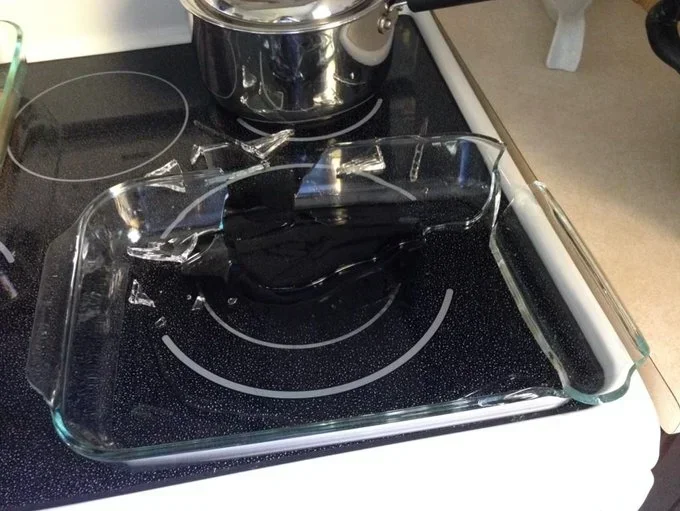
Thermal shock is the number one enemy of Corningware. It happens when one part of the dish heats up faster than another part. For example, if you place a cold Corningware dish directly into a hot toaster oven, the bottom of the dish expands faster than the sides. This uneven expansion creates stress inside the material, which can lead to cracks or shattering.
To avoid thermal shock with Corningware, follow these simple rules:
- Place the dish in the toaster oven while it is cold or at a low temperature.
- Never move a hot Corningware dish to a cold surface.
- Let the dish cool naturally before washing or storing it.
- Avoid placing Corningware on a cold countertop right after removing it from the toaster oven.
Temperature Transition Tips
Handling temperature changes properly extends the life of your Corningware glass bakeware. Here are some practical tips you can use every time:
- Start with a cold or room-temperature toaster oven when placing Corningware inside.
- Set the toaster oven to the desired temperature and let it warm up before adding food.
- If your Corningware has been in the refrigerator, let it sit at room temperature for 10 to 15 minutes before placing it in the toaster oven.
- When removing the dish, place it on a wooden board or a dry towel, not on a cold granite or metal surface.
Which Corningware Products Work Best in Toaster Ovens?
Not all Corningware pieces are created equal when it comes to toaster oven compatibility. Some products are specifically designed for versatile oven use, while others are better suited for serving or microwave reheating only. Here is a closer look at the best options.
French White Ceramic Bakeware
The Corningware French White line is the most popular and widely recognized. It features a smooth white ceramic finish and a tight-fitting glass lid. This product is safe for toaster oven use up to 450 degrees Fahrenheit. It works great for reheating casseroles, baking small portions, and warming up leftovers.
The glass lid is also toaster oven safe, but you should leave a small gap for steam to escape. This prevents pressure buildup and keeps the lid from popping off unexpectedly.
Stoneware Bakeware Sets
Corningware Stoneware pieces are thicker and heavier than French White. They retain heat longer and distribute it more evenly. This makes them excellent for toaster oven baking and roasting. Stoneware is also more resistant to scratches and chips, which adds to its durability.
If you use your toaster oven frequently, a stoneware Corningware piece is a smart investment. Just remember that heavier dishes take longer to heat up, so you may need to adjust cooking times slightly.
Products to Avoid in a Toaster Oven
Not every Corningware product belongs in a toaster oven. Here are some pieces you should keep away from this appliance:
- Pieces with metallic trim or gold/silver edges – Metal accents can spark or melt in a toaster oven.
- Corningware with plastic handles – Plastic components are not heat-safe and can melt or release harmful fumes.
- Corningware lids with silicone rings – Some lids have silicone seals that are not rated for high toaster oven temperatures.
- Corningware with visible cracks or chips – Any damaged piece should be retired from high-heat use immediately.
Comparison Table: Corningware Lines and Toaster Oven Safety
| Corningware Line | Toaster Oven Safe? | Max Temperature | Best For |
|---|---|---|---|
| French White Ceramic | Yes | 450 degrees F | Reheating, baking, casseroles |
| Stoneware | Yes | 450 degrees F | Baking, roasting, slow cooking |
| StoveTop | Check label | Varies | Stovetop use, limited oven use |
| Vintage Corningware | Use caution | 450 degrees F | Display or light use only |
| Modern Specialty Lines | Check label | Varies | Refer to product instructions |
Common Mistakes to Avoid
Even with safe products, mistakes happen. Here are the most common errors people make when using Corningware in a toaster oven and how to avoid them.
Mistake 1: Skipping the Temperature Check
Not all Corningware is rated for the same temperature. Assuming every piece can handle 450 degrees Fahrenheit is a mistake. Always check the bottom of the dish or the product packaging for the maximum temperature rating. If you cannot find it, stick to lower temperatures to stay safe.
Mistake 2: Using a Cold Dish in a Hot Oven
This is the fastest way to crack your Corningware. Placing a dish straight from the refrigerator into a preheated toaster oven causes instant thermal shock. The cold glass-ceramic meets the hot air, and the stress is immediate. Always let the dish come closer to room temperature first.
Mistake 3: Overfilling the Dish
Overfilling a Corningware dish in a toaster oven causes spills that can stain the inside of your appliance. More importantly, overflowing food can block the heating elements and create uneven cooking. Leave at least half an inch of space at the top of the dish.
Mistake 4: Ignoring Cracks and Chips
A small crack might seem harmless. But in a toaster oven, where heat concentrates quickly, even a tiny crack can spread rapidly. A cracked Corningware dish can break apart during cooking, ruining your food and potentially damaging your toaster oven. Inspect your dishes before every use.
Mistake 5: Using the Broiler Setting
The broiler setting in a toaster oven creates intense, direct heat from above. Corningware is not designed to handle this kind of concentrated top-down heat. It can cause the top of the dish to crack while the bottom remains cool. Stick to the standard bake or toast settings.
Expert Tips for Using Corningware in a Toaster Oven
Want to get the most out of your Corningware bakeware in a toaster oven? These expert tips will help you use it safely and effectively every time.
Tip 1: Use the Middle Rack
Place your Corningware dish on the middle rack of the toaster oven. This ensures even heat circulation around the dish. Avoid placing it too close to the top or bottom heating elements, which can create hot spots and uneven cooking.
Tip 2: Add Liquid for Long Cooking Times
If you are baking or reheating something for a long time, add a small amount of liquid to the dish. This helps regulate the internal temperature and prevents the Corningware from drying out or overheating. A splash of water, broth, or sauce works great.
Tip 3: Let It Rest
After removing your Corningware from the toaster oven, let it rest for a few minutes before cutting into the food or moving the dish. This allows the temperature to equalize inside the dish and reduces the risk of cracking.
Tip 4: Clean Gently
Hand wash your Corningware with warm water and mild dish soap. Avoid abrasive scrubbers that can scratch the surface. While most modern Corningware is dishwasher safe, hand washing extends the life of the material, especially for pieces you use frequently in the toaster oven.
Tip 5: Store with Care
When storing your Corningware glass ceramic dishes, place a soft cloth or paper towel between stacked pieces. This prevents scratches and chips that can weaken the material over time. A well-stored dish lasts longer and performs better in the toaster oven.
Frequently Asked Questions
Can I put Corningware with a glass lid in a toaster oven?
Yes, most Corningware dishes with glass lids are safe for toaster oven use. Just make sure the temperature does not exceed 450 degrees Fahrenheit. Leave a small gap between the lid and the dish to allow steam to escape. This prevents pressure buildup and keeps the lid from popping off during cooking.
Is vintage Corningware safe to use in a toaster oven?
Vintage Corningware can be safe, but only if the piece is in good condition. Check for cracks, chips, or hairline fractures before using it. If the dish looks intact and has no damage, it should handle toaster oven temperatures fine. However, heavily used vintage pieces may be more prone to breaking, so inspect carefully every time.
Can Corningware go from the freezer to a toaster oven?
No, you should never move Corningware directly from the freezer to a hot toaster oven. This extreme temperature difference causes severe thermal shock. Let the dish thaw at room temperature for at least 15 to 20 minutes before placing it in the toaster oven. This simple step prevents cracking and extends the life of your bakeware.
What happens if Corningware cracks in a toaster oven?
If your Corningware cracks while in the toaster oven, turn off the appliance immediately and let it cool completely. Do not try to remove the dish while it is hot, as broken pieces can be sharp and hot to the touch. Once cooled, carefully remove the pieces and inspect your toaster oven for any debris. A cracked dish should be discarded and not used again.
Can Corningware handle the broiler in a toaster oven?
No, Corningware is not designed for broiler use. The broiler creates intense, direct heat from above that can cause the top of the dish to crack while the bottom stays cool. Always use the standard bake or toast settings when cooking with Corningware in a toaster oven.
How do I know if my Corningware is oven safe?
Check the bottom of the dish for an oven-safe symbol, which looks like a small oven icon. You can also refer to the product packaging or the manufacturer’s website. If the symbol or documentation says the piece is oven safe, it is generally safe for toaster oven use within the recommended temperature range.
Final Thoughts
Can Corningware be used in a toaster oven? The answer is a confident yes, with the right precautions. Corningware bakeware is a versatile, durable, and beautiful addition to any kitchen. When you follow the temperature guidelines, avoid sudden heat changes, and use the right product for the job, your Corningware will serve you well in the toaster oven for years to come.
Remember to always check the product label, inspect your dishes for damage, and treat your Corningware with care. A little attention goes a long way in keeping your bakeware safe and performing at its best. Whether you are reheating last night’s dinner or baking a small casserole, your Corningware toaster oven meals will turn out great when you take these simple steps.
Now that you know the rules, you can use your Corningware with confidence. Enjoy the convenience, the quality, and the peace of mind that comes with using your favorite bakeware the right way. Happy cooking!