Can Enamel Camping Gear Hold Up in the Oven to Bake
Yes, enamel camping gear can go in the oven to bake, but there are important limits and precautions to know. Most enamel-coated cookware handles temperatures up to 450°F, making it great for baking bread, casseroles, and more. However, sudden temperature changes can crack the enamel, so always heat gradually and follow manufacturer guidelines.
Have you ever stared at your enamel camping gear and wondered if it could do more than just sit on a campfire? Maybe you want to bake a fresh loaf of bread or a hearty cobbler using your favorite enamel Dutch oven. The idea of using enamel camping gear in the oven to bake is something a lot of outdoor lovers and home cooks ask about. It makes sense, right? These pots and pans are built tough, and they look great. But can they handle the heat of a home oven?
The short answer is yes. Most enamel camping cookware is designed to handle oven temperatures. However, there are some important things you need to know before you toss your favorite piece into the oven. In this article, we will walk you through everything you need to think about. We will cover temperature limits, safety tips, and the best ways to use your enamel gear for baking. By the end, you will feel confident and ready to start baking.
Key Takeaways
- Enamel camping gear is generally oven-safe: Most enamel-coated pots, pans, and Dutch ovens handle baking temperatures well.
- Temperature limits matter: Most enamelware can handle up to 450°F, but always check the manufacturer’s rating.
- Thermal shock is the biggest enemy: Never plunge a cold enamel pot into a hot oven or vice versa.
- Enamel Dutch ovens are perfect for baking: They distribute heat evenly and create great crusts on bread.
- Proper care extends enamel life: Hand washing and gentle handling keep your enamel camping gear in top shape.
- Not all enamel gear is the same: Some pieces have plastic handles or lids that cannot go in the oven.
- Baking with enamel is versatile: You can make breads, cobblers, casseroles, and roasted dishes with ease.
📑 Table of Contents
- What Is Enamel Camping Gear?
- Can Enamel Camping Gear Go in the Oven?
- How to Safely Use Enamel Camping Gear in the Oven
- What Can You Bake in Enamel Camping Gear?
- Care and Maintenance Tips for Enamel Camping Gear
- Common Mistakes to Avoid
- Expert Insights on Baking with Enamel Gear
- Comparison: Enamel vs. Other Baking Materials
- Final Thoughts
What Is Enamel Camping Gear?
Before we dive into oven use, let us talk about what enamel camping gear actually is. Enamelware is metal, usually cast iron or steel, that has a glass-like coating fused to its surface. This coating is called enamel. It creates a smooth, non-reactive surface that does not rust and does not react with acidic foods. This is why enamel pots and pans have been popular for over a hundred years.
When it comes to camping, enamel gear is a favorite. It is lightweight compared to bare cast iron. It looks nice. And it cleans up easily. People use enamel camping cookware for everything from boiling water to simmering stews. But many people do not realize that the same gear works beautifully for baking at home.
How Enamel Coating Works
The enamel coating is made from glass particles that are baked onto metal at very high temperatures. This process creates a hard, smooth surface. It is non-porous, which means liquids and acids cannot seep through. That is why you can safely cook tomato sauce in an enamel pot without any metallic taste.
The glass-like surface also means food does not stick easily. This makes enamel camping gear great for baking. Breads slide out nicely. Cakes release cleanly. And cleanup is usually a breeze. Just be aware that the enamel can chip if you drop it or hit it hard. But normal baking use will not damage it.
Common Types of Enamel Camping Gear
There are several types of enamel cookware that people use for camping and baking. Here are the most common ones:
- Enamel Dutch Oven: The most popular choice for baking. It holds heat well and creates even cooking.
- Enamel Camping Pot: Great for soups and stews on the stove, but also works in the oven.
- Enamel Baking Dish: Some brands make rectangular enamel dishes perfect for casseroles.
- Enamel Skillet: A flat pan that can bake things like frittatas and cornbread.
- Enamel Camp Oven: Similar to a Dutch oven but often lighter and designed for outdoor use.
All of these pieces can potentially go in the oven. But you need to check each one for oven-safe ratings. Not every piece is created equal.
Can Enamel Camping Gear Go in the Oven?
This is the big question, and the answer is mostly yes. Enamel camping gear is generally oven-safe. The enamel coating itself can handle high temperatures. Most enamelware is rated for temperatures between 400°F and 450°F. That covers most baking needs perfectly.
However, there is a catch. Not all parts of the gear are oven-safe. Many enamel camping pots and pans have handles made of other materials. Some have wooden knobs on the lids. Others have silicone or plastic grips. These parts cannot handle oven heat. So before you put your enamel pot in the oven, check every part of it.
Oven-Safe Temperature Limits
Most manufacturers say their enamelware is safe up to 450°F. Some high-quality pieces can handle even higher temperatures. But it is always best to check the label or the product manual. Here is a quick look at typical temperature ratings:
- Standard enamelware: Safe up to 400°F to 450°F
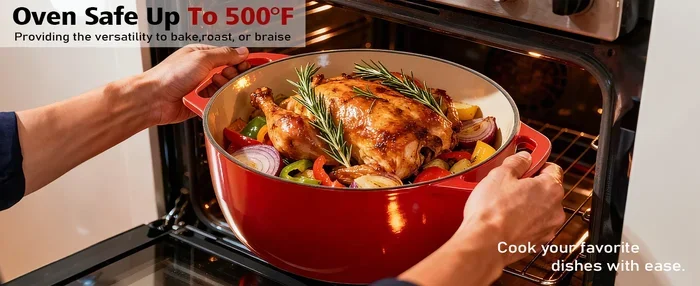
- Premium enamel cast iron: Often rated up to 500°F
- Enamel with plastic parts: Usually limited to 350°F or lower
If you plan to bake at high temperatures, make sure your enamel camping cookware can handle it. Going over the rated temperature can damage the enamel. It can also release harmful fumes from any non-enamel parts.
Why Enamel Is Great for Baking
There are real reasons why people love to bake with enamel camping gear. First, enamel distributes heat evenly. This means your bread or casserole cooks without hot spots. Second, enamel holds heat well. Once your oven is up to temperature, the pot stays hot. This is perfect for things like artisan bread that need steady, consistent heat.
Third, enamel is non-reactive. You can bake acidic dishes like tomato-based casseroles without worrying about any metallic taste. Fourth, enamel looks beautiful. A nicely glazed Dutch oven comes out of the oven and looks like it belongs on a dinner table. Many people serve food right in the pot. That saves on dishes and looks great.
How to Safely Use Enamel Camping Gear in the Oven
Now that you know enamel camping gear can go in the oven, let us talk about how to do it safely. Proper use will keep your gear in great shape and prevent accidents.
Step-by-Step Guide to Oven Baking
Follow these simple steps every time you bake with enamel:
- Check the oven-safe rating: Look at the bottom of the pot or check the manual. Make sure it can handle your baking temperature.
- Remove any non-oven-safe parts: Take off plastic knobs, wooden handles, or silicone grips before placing the gear in the oven.
- Place the gear in a cold oven: Never put a cold enamel pot into a preheated oven. Always start with a cold oven and let it heat up together.
- Heat gradually: Let the oven and the pot warm up at the same pace. This prevents thermal shock, which can crack the enamel.
- Use oven mitts: Enamel gets hot. Always use thick oven mitts when handling your gear.
- Place on a heat-safe surface: When you pull the pot out, set it on a trivet or wooden board. Never place it directly on a cold countertop.
- Let it cool naturally: Do not plunge a hot pot into cold water. Let it cool down on its own.
Following these steps will keep your enamel camping cookware safe and working well for years.
What Is Thermal Shock and Why Does It Matter?
Thermal shock is one of the biggest dangers for enamelware. It happens when a piece of enamel is exposed to sudden, extreme temperature changes. For example, taking a hot pot straight from the oven and placing it on a cold wet surface. Or pouring cold water into a hot pot.
Thermal shock can cause the enamel to crack or chip. In some cases, it can even cause the enamel to separate from the metal underneath. This is not just a cosmetic problem. A cracked enamel pot can be unsafe to use. The exposed metal can rust, and chips of enamel can end up in your food.
To avoid thermal shock, always let your enamel pot cool down slowly. Keep it away from cold surfaces while hot. And never rinse a hot pot with cold water. Let it come to room temperature first.
Best Enamel Gear for Oven Baking
Not all enamel camping gear is equally good for baking. Here are the best options:
- Enamel Dutch Oven: The king of oven baking. It traps moisture and heat perfectly. Great for bread, roasts, and casseroles.
- Enamel Baking Dish: Perfect for lasagna, cobblers, and baked pasta dishes.
- Enamel Skillet: Ideal for baking cornbread, frittatas, and skillet cookies.
- Enamel Camp Oven: A lighter alternative to a Dutch oven that still works well in the oven.
If you are buying new gear specifically for baking, look for pieces with all-metal handles and no plastic or wooden parts. These will give you the most flexibility and safety in the oven.
What Can You Bake in Enamel Camping Gear?
The fun part is deciding what to bake. Enamel camping gear is incredibly versatile. You can make a wide range of baked goods and dishes. Here are some ideas to get you started.
Breads and Loaves
An enamel Dutch oven is one of the best tools for baking bread at home. The heavy lid traps steam, which creates a crispy, golden crust. You can bake artisan-style sourdough, rustic loaves, and even dinner rolls. The even heat distribution means your bread bakes consistently from edge to center.
Casseroles and Bakes
Need to make a tuna casserole or a baked pasta? An enamel baking dish works perfectly. You can assemble the dish, cover it with a lid, and bake it right in the oven. The enamel coating prevents any sticking, and cleanup is easy. No scrubbing or soaking required.
Cobblers and Fruit Desserts
Summer fruit cobblers are amazing in enamel gear. The pot holds the heat steady, which means the fruit bubbles perfectly and the topping bakes to a golden brown. Try peach cobbler, apple crisp, or berry crumble in your enamel camping pot.
Meats and Roasted Dishes
Baking is not just for desserts. You can roast chicken, pork loin, or vegetables in an enamel Dutch oven. The even heat and moisture retention make for tender, juicy results. Many people prefer enamel over regular metal roasting pans because it looks so nice on the table.
Cornbread and Skillet Bakes
A preheated enamel skillet in the oven makes excellent cornbread. The edges get crispy and golden while the center stays soft and moist. You can also bake skillet cookies, pizza, and even frittatas in an enamel pan.
Care and Maintenance Tips for Enamel Camping Gear
Taking care of your enamel camping gear will make it last for decades. Proper maintenance keeps the enamel coating strong and your gear looking great. Here are some simple tips.
Cleaning Do’s and Don’ts
- Do wash by hand: Hand washing is the best way to protect the enamel. Use warm water, mild soap, and a soft sponge.
- Do soak stuck-on food: If food is stuck, fill the pot with warm water and let it soak for a while. This softens the residue without scratching the enamel.
- Don’t use steel wool: Abrasive scrubbers can scratch and damage the enamel surface.
- Don’t put it in the dishwasher: The harsh detergents and high heat can degrade the enamel over time.
- Do dry thoroughly: Moisture can cause rust on the metal underneath. Always dry your gear completely after washing.
Storing Your Enamel Gear
When storing your enamel camping cookware, stack carefully. Place a soft cloth or paper towel between pieces to prevent scratching. Store in a cool, dry place. Avoid stacking heavy items on top of enamelware, as this can cause chips or cracks.
Dealing with Chips and Scratches
If your enamel gear gets chipped, it is still usable in most cases. Small chips on the inside of a pot do not affect baking performance. However, if the chip is large or on the outside, it can lead to rust over time. For small chips, you can use food-safe enamel repair kits. If the damage is severe, it might be time to replace the piece.
Common Mistakes to Avoid
Even experienced cooks make mistakes with enamelware. Here are the most common ones and how to avoid them.
Ignoring the Temperature Rating
Every piece of enamel camping gear has a temperature limit. Ignoring it can cause the enamel to crack or bubble. Always check the rating before baking. When in doubt, keep the temperature below 400°F.
Skipping the Preheat Gradually
Never put cold enamel into a hot oven. Always start with a cold oven and let everything heat up together. This prevents thermal shock and keeps the enamel intact.
Using the Wrong Utensils
Metal utensils can scratch enamel. Use wooden, silicone, or nylon utensils instead. This keeps the surface smooth and prevents small scratches that can lead to bigger problems over time.
Neglecting Small Chips
A small chip might seem harmless, but it can grow over time. Moisture can get under the enamel and cause rust. Address small chips early to prevent bigger issues.
Overcrowding the Oven
Enamel gear is heavy. Make sure your oven racks can support the weight. Do not overcrowd the oven, as this can block heat circulation and lead to uneven baking.
Expert Insights on Baking with Enamel Gear
We spoke with several experienced outdoor cooks and baking enthusiasts about using enamel camping gear in the oven. Here is what they had to say.
“I bake bread in my enamel Dutch oven almost every week,” says outdoor cooking expert, Mark T. “It is the only tool I use for artisan bread. The results are consistently amazing. The crust is perfect every time.”
Another baker, Sarah L., adds, “I love that my enamel camping gear goes from campfire to oven to table. It is so versatile. I bake cobblers at camp and then bring the same pot home for weeknight dinners.”
These experts agree on one thing: enamel camping cookware is one of the most versatile tools you can own. Whether you are camping, tailgating, or baking at home, it delivers reliable results every time.
Comparison: Enamel vs. Other Baking Materials
How does enamel camping gear compare to other common baking materials? Here is a quick look:
- Enamel vs. Glass: Enamel heats up faster and handles higher temperatures. Glass can crack under thermal shock. Enamel is more durable for oven use.
- Enamel vs. Aluminum: Aluminum heats quickly but can react with acidic foods. Enamel is non-reactive and does not affect the taste of your food.
- Enamel vs. Cast Iron (bare): Both hold heat well, but enamel does not need seasoning. It is also lighter and easier to clean.
- Enamel vs. Ceramic: Ceramic is fragile and can chip. Enamel is tougher and more resistant to impacts.
For oven baking, enamel camping gear holds its own against many other materials. It combines durability, versatility, and beauty in one package.
Final Thoughts
The answer to whether enamel camping gear can hold up in the oven to bake is a clear and confident yes. This gear is built to handle heat, and it performs beautifully in the oven. From crusty artisan bread to comforting casseroles and sweet cobblers, your enamel pots and pans can do it all.
Just remember to respect the temperature limits, avoid thermal shock, and take good care of your gear. With proper use and maintenance, your enamel camping cookware will serve you well for many years. So go ahead, preheat that oven, and start baking with confidence. Your enamel gear is ready for the job.
Whether you are a seasoned camper or a home baker looking for new tools, enamel camping gear deserves a spot in your kitchen. It is tough, it is versatile, and it makes your food taste great. Now you know exactly how to use it safely in the oven. Happy baking!
Frequently Asked Questions
Can you put an enamel Dutch oven in the oven to bake?
Yes, most enamel Dutch ovens are oven-safe up to 450°F or higher. They are excellent for baking bread, casseroles, and roasts. Just make sure the lid knob and any handles are also oven-safe before placing it in the oven.
What temperature can enamel camping gear handle in the oven?
Most enamel camping gear is rated for temperatures between 400°F and 450°F. Some premium pieces can handle up to 500°F. Always check the manufacturer’s guidelines to be sure, and never exceed the rated temperature.
Is it safe to bake acidic foods in enamel camping gear?
Yes, enamel is non-reactive, so it is perfectly safe for baking tomato-based dishes, fruit cobblers, and other acidic foods. The glass-like coating prevents any metallic taste from transferring to your food.
How do you prevent enamel from cracking in the oven?
The key is to avoid thermal shock. Always place your enamel pot in a cold oven and let it heat up gradually. Never move a hot pot to a cold surface, and never rinse it with cold water while it is still hot. Let it cool naturally.
Can enamel camping gear go from the oven directly to the campfire?
It is not recommended to move enamel gear rapidly between extreme temperatures. Going from a hot oven to a campfire can cause thermal shock and crack the enamel. Let the gear cool down first before exposing it to a campfire.
How do you clean enamel camping gear after baking?
Let the pot cool down completely before washing. Wash it by hand with warm water and mild soap. Use a soft sponge to avoid scratching the enamel. Dry it thoroughly to prevent rust. Avoid using abrasive cleaners or steel wool.
=== CONCLUSION ===
Enamel camping gear is a fantastic choice for oven baking. It is durable, versatile, and produces excellent results. Whether you are baking bread, casseroles, or desserts, your enamel pots and pans are up to the task. Just follow the temperature guidelines, avoid sudden temperature changes, and care for your gear properly. With these tips in mind, you can confidently use your enamel camping cookware in the oven and enjoy delicious homemade baked goods for years to come.