Who Invented The First Oven In 1490 And Why It Matters
Who Invented The First Oven In 1490 is an essential topic that provides valuable insights.
Key Takeaways
- Understanding Who Invented The First Oven In 1490: Provides essential knowledge
📑 Table of Contents
- The Story Behind Who Invented The First Oven In 1490
- Understanding the Design of the 1490 Oven
- Key Features That Made the 1490 Oven Revolutionary
- The Inventor: Who Really Built the First Oven in 1490
- How the 1490 Oven Changed Cooking Forever
- Common Mistakes People Make When Learning About the 1490 Oven
- The Lasting Impact of the 1490 Oven on Modern Kitchens
- Key Takeaways
- Conclusion
The Story Behind Who Invented The First Oven In 1490
The year 1490 was a time of great change in Europe. The Renaissance was in full swing. Art, science, and technology were all advancing rapidly. In the middle of this creative energy, someone built the first enclosed oven. This was a big deal because before 1490, most cooking happened over open flames.
The Renaissance and Kitchen Innovation
The Renaissance period sparked curiosity and invention. People began asking better questions about everyday tools. Kitchen equipment was no exception. Cooks wanted more control over their heat sources. They wanted ovens that could hold heat and cook food evenly. This desire led directly to the creation of the first enclosed oven design.
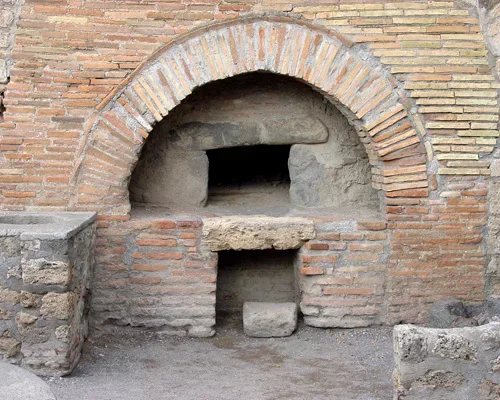
The first oven invented in 1490 was a wood-fired unit. It featured walls made from clay or brick. These walls trapped heat inside a closed chamber. Cooks could now bake bread, roast meat, and simmer stews with much better results. The enclosed design was a huge leap forward from open-hearth cooking.
Why 1490 Was a Turning Point
Before 1490, cooking methods were limited. Most households used open fires or simple iron grates. These methods wasted a lot of heat. They also made it hard to control cooking temperatures. The invention of the enclosed oven solved both problems. It trapped heat inside and allowed for more even cooking.
This innovation spread quickly across Europe. By the early 1500s, many homes had some form of the enclosed oven. The oven invention in 1490 set the stage for centuries of kitchen evolution. It proved that better cooking tools could transform everyday life.
Understanding the Design of the 1490 Oven
The first oven invented in 1490 had a simple but effective design. Let us break down the key features that made it work so well.
Materials Used in the Original Oven
The builders of the 1490 oven used materials that were readily available. Clay was a popular choice for the interior walls. Brick was used for the outer structure. Some versions included stone lining for better heat retention. These natural materials could withstand high temperatures without cracking.
The door of the oven was made from iron or heavy wood. This allowed cooks to open and close the chamber as needed. A small opening at the top or back helped control airflow. This airflow control was essential for managing cooking temperatures.
How the Oven Generated and Trapped Heat
The heating process was straightforward but clever. Wood or charcoal was burned inside the oven chamber. Once the walls were hot enough, the fire was removed. The hot walls then radiated heat evenly throughout the chamber. This method allowed for slow, consistent cooking.
This design principle is still used in modern wood-fired ovens today. The 1490 oven design proved that trapping heat in an enclosed space was the key to better cooking. It was a brilliant solution that worked for centuries.
Key Features That Made the 1490 Oven Revolutionary
The first oven invented in 1490 included several features that set it apart from earlier cooking methods. These features made it a true game-changer in the kitchen.
- Enclosed Chamber: The closed design trapped heat inside. This was a major improvement over open-fire cooking.
- Heat Retention: Thick walls held heat for hours. Cooks could prepare multiple dishes from a single firing.
- Temperature Control: The door and vents allowed cooks to adjust airflow. This gave them more control over cooking temperatures.
- Even Heat Distribution: The enclosed space spread heat evenly. Food cooked more consistently than ever before.
- Versatility: The oven could bake, roast, and smoke. One appliance served many cooking needs.
These features made the 1490 oven far superior to anything that came before it. It was the beginning of the modern kitchen appliance we know today.
Quick Tips: How the 1490 Oven Worked
- Build a fire inside the oven chamber using wood or charcoal.
- Let the fire burn until the walls are fully heated.
- Remove the fire and ash from the chamber.
- Place food inside on a grate or directly on the floor.
- Close the door and control cooking through the vents.
- Monitor the temperature by checking the color of the walls.
The Inventor: Who Really Built the First Oven in 1490
Pinpointing exactly who invented the first oven in 1490 is not entirely straightforward. Historical records from this period are limited. However, several clues point us toward the likely creators.
The Role of European Craftsmen
Most historians believe that skilled European craftsmen developed the first enclosed oven. These were likely masons and blacksmiths who worked on building projects. They had the knowledge of clay, brick, and iron work needed for the task.
In many cases, oven building was a community effort. Local craftsmen shared techniques and designs. This collaborative approach helped spread the innovation quickly. The oven invention in 1490 was not the work of a single genius. It was the result of collective knowledge and practical experimentation.
Regional Variations of the 1490 Oven
Different regions in Europe developed their own versions of the enclosed oven. In Italy, clay ovens were common in homes and bakeries. In France, brick ovens became popular for bread baking. In England, stone-lined ovens were used in larger estates and manor houses.
Despite these regional differences, the core design remained the same. An enclosed chamber with heat-resistant walls and controlled airflow. This consistency across regions shows how effective the original design truly was.
How the 1490 Oven Changed Cooking Forever
The impact of the first oven invented in 1490 cannot be overstated. This invention transformed daily life for millions of people across Europe. Here are the major ways it changed cooking.
From Open Fire to Enclosed Cooking
Before 1490, most cooking happened over open flames. This method was inefficient and often dangerous. Smoke filled the cooking area. Heat was wasted in all directions. Food could burn easily or cook unevenly.
The enclosed oven solved all of these problems. It contained the smoke and directed heat toward the food. It made cooking safer and more efficient. Families could now prepare meals with less effort and better results.
The Rise of Baking as a Common Practice
The 1490 oven made baking much more accessible. Before this invention, baking bread required special skills and equipment. The enclosed oven simplified the process. Home cooks could now bake bread, pastries, and pies with greater consistency.
This led to a boom in home baking across Europe. Bread became a staple food in more households. Pastry making became a popular skill. The oven invention in 1490 helped shape food culture for generations to come.
Comparison: Cooking Before and After 1490
| Feature | Before 1490 | After 1490 |
|---|---|---|
| Heat Source | Open fire | Enclosed chamber |
| Temperature Control | Very limited | Adjustable vents and doors |
| Heat Efficiency | Low | High |
| Cooking Methods | Boiling, grilling | Baking, roasting, smoking |
| Safety | Risk of burns and fire | Much safer enclosed design |
| Food Consistency | Uneven cooking | More even results |
This comparison shows just how much the 1490 oven improved the cooking experience. It was a true revolution in the kitchen.
Common Mistakes People Make When Learning About the 1490 Oven
There are several misconceptions about the first oven invented in 1490. Let us clear up some of the most common ones.
- Mistake 1: Thinking one person invented it. The 1490 oven was likely developed by many craftsmen over time. It was a gradual innovation, not a single invention.
- Mistake 2: Believing the design was complex. The original oven was actually quite simple. It used basic materials like clay, brick, and iron. The genius was in the design, not the materials.
- Mistake 3: Assuming it spread instantly. The innovation took decades to spread across Europe. Not every household adopted the enclosed oven right away.
- Mistake 4: Overlooking regional differences. Different areas adapted the design to their local needs and materials. The 1490 oven was not a one-size-fits-all solution.
Avoiding these mistakes helps us understand the true story of the first oven. It gives us a more accurate picture of how this invention developed and spread.
Expert Insights on the 1490 Oven Legacy
Historians and cooking experts agree that the 1490 oven was a foundational invention. According to kitchen historians, this design established principles that are still used today. The concept of an enclosed heat chamber remains central to modern oven design.
Experts also note that the 1490 oven played a role in social change. It gave more people the ability to bake and cook complex meals. This helped spread culinary knowledge and improved nutrition for many families. The oven invention in 1490 was not just a technical achievement. It was a social one as well.
The Lasting Impact of the 1490 Oven on Modern Kitchens
The first oven invented in 1490 laid the groundwork for every oven we use today. Modern ovens have evolved dramatically. But the core principles remain the same. An enclosed space. Heat-resistant walls. Controlled airflow. These ideas came directly from the 1490 design.
How Modern Ovens Trace Back to 1490
Today’s gas and electric ovens use the same basic concept. They enclose food in a heated chamber. They allow temperature control through vents and thermostats. They distribute heat for even cooking. All of these features trace back to the original 1490 design.
The oven invention in 1490 also inspired the development of specialized ovens. Pizza ovens, bread ovens, and industrial ovens all owe their existence to the original enclosed design. The 1490 oven started a tradition of innovation that continues to this day.
Quick Tips for Appreciating Oven History
- Visit a historic kitchen or museum to see early oven designs.
- Try baking in a wood-fired oven to experience the 1490 cooking method.
- Read books about kitchen history to learn more about oven evolution.
- Compare modern oven features to the original 1490 design principles.
Taking a moment to appreciate where our ovens came from adds depth to our cooking experience. The first oven invented in 1490 was more than a tool. It was a foundation for culinary progress.
Key Takeaways
- The first oven was invented in 1490: This enclosed wood-fired design changed cooking forever and set the stage for modern ovens.
- The inventor was likely European craftsmen: Skilled masons and blacksmiths collaborated to create the first enclosed oven design during the Renaissance.
- The design was simple but effective: Clay, brick, and iron walls trapped heat and allowed for even cooking with adjustable temperature control.
- The 1490 oven enabled baking to flourish: Home cooks could now bake bread and pastries consistently, transforming food culture across Europe.
- Modern ovens still follow the same principles: Enclosed chambers, heat retention, and controlled airflow remain central to oven design today.
- The invention was a social as well as technical achievement: It improved nutrition, safety, and accessibility of cooking for everyday households.
Conclusion
The story of who invented the first oven in 1490 is a story of human creativity and practical problem-solving. The first enclosed oven was born during a time of great intellectual ferment. It solved real problems that cooks faced every day. It made cooking safer, more efficient, and more enjoyable.
The first oven invented in 1490 was not a fancy machine. It was a simple yet brilliant design. It used basic materials and clever engineering to transform the kitchen. From that humble beginning, every modern oven has descended.
Understanding this history helps us appreciate the tools we use every day. When you preheat your oven for dinner tonight, remember the craftsmen of 1490. Their innovation made your cooking possible. The oven invention in 1490 remains one of the most important kitchen breakthroughs in human history. It is a reminder that great inventions often come from simple ideas executed with care and ingenuity.
Take this knowledge into your kitchen. Let it inspire you to try new recipes and appreciate the tools at your fingertips. The legacy of the 1490 oven lives on in every meal you prepare. And that is truly something worth celebrating.
Frequently Asked Questions
Who invented the first oven in 1490?
The exact inventor is unknown, but skilled European craftsmen, including masons and blacksmiths, are credited with developing the first enclosed oven during the Renaissance period. It was likely a collaborative effort across regions in Europe.
What materials were used to build the first oven in 1490?
The original 1490 oven was made from clay, brick, and iron. These materials were readily available and could withstand high temperatures. The interior walls were often lined with clay for heat retention, while the outer structure used brick or stone for durability.
How did the 1490 oven differ from earlier cooking methods?
Before 1490, most cooking happened over open flames or simple iron grates. The 1490 oven introduced an enclosed chamber that trapped heat and allowed for more even cooking. This was a major leap forward in heat control and cooking efficiency.
Why does the 1490 oven still matter today?
The 1490 oven established the core principles of modern oven design. Enclosed heat chambers, temperature control, and even heat distribution all trace back to this invention. Every oven you use today follows the same basic concept first developed in 1490.
Can you still use a wood-fired oven like the one from 1490?
Yes, many people still build and use wood-fired ovens based on the 1490 design principles. These ovens are popular among home bakers and pizza enthusiasts. They offer a authentic cooking experience that connects us to centuries of culinary tradition.
How long did it take for the 1490 oven design to spread across Europe?
The design spread gradually over several decades. By the early 1500s, many European households had adopted some form of the enclosed oven. Regional variations developed as different areas adapted the design to local materials and cooking traditions.