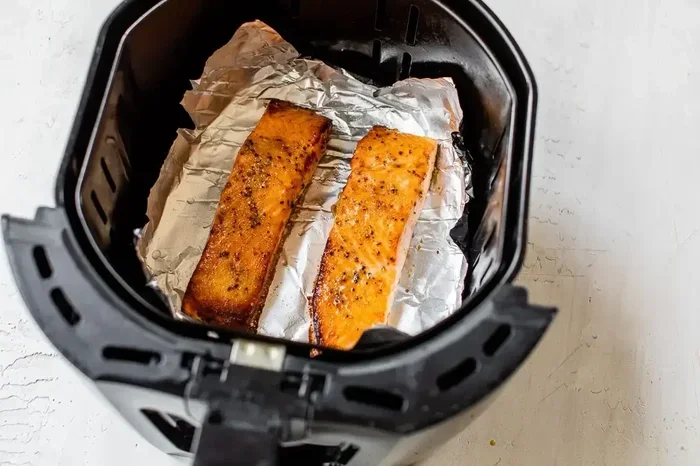
Can You Put Aluminum Foil In Air Fryer Without Risk
Yes, you can put aluminum foil in air fryer — but only under the right conditions. Using foil properly helps with cleanup and can improve your air fryer cooking results. However, wrong placement can damage your machine and affect heat distribution. Let’s explore everything you need to know.
Key Takeaways
- Aluminum foil is safe in an air fryer when used correctly and placed at the bottom of the basket.
- Never cover the heating element with foil, as this can cause overheating, uneven cooking, or even a fire hazard.
- Use foil for specific purposes like wrapping food, lining the basket for messy recipes, or protecting the non-stick coating.
- Air fryer cooking works best when airflow is not blocked — always leave space for hot air to circulate freely.
- Choose the right foil thickness — heavy-duty aluminum foil holds up better under high heat cooking conditions.
- Alternatives exist — parchment paper and silicone mats are safer options for everyday lining.
- Check your air fryer model before using foil, as different brands have different guidelines and basket designs.
📑 Table of Contents
- Can You Put Aluminum Foil In Air Fryer? Here’s What You Need to Know
- Why People Use Aluminum Foil in Air Fryers
- When It’s Safe to Use Aluminum Foil in Your Air Fryer
- When You Should NOT Use Aluminum Foil in an Air Fryer
- How to Use Aluminum Foil in an Air Fryer Properly
- Safe Alternatives to Aluminum Foil in Air Fryers
- Common Mistakes When Using Aluminum Foil in Air Fryers
- Expert Insights on Using Foil in Air Fryers
- Quick Tips for Using Aluminum Foil in Air Fryers
- Frequently Asked Questions
- Conclusion
Can You Put Aluminum Foil In Air Fryer? Here’s What You Need to Know
If you love air fryer cooking, you probably already know that cleanup can sometimes be a pain. Greasy drips, sticky sauces, and breaded leftovers can cling to the basket like nobody’s business. That’s where aluminum foil comes in as a potential lifesaver. But before you start crumpling up sheets of foil and tossing them into your air fryer basket, there are a few things you should know.
The short answer is yes — you can put aluminum foil in an air fryer. But “yes” comes with a big asterisk. How you use it matters a lot. Used the wrong way, foil can block airflow, trap heat, and even damage your appliance. Used the right way, it makes cleanup a breeze and your food preparation much simpler.
In this guide, we’ll walk you through everything. We’ll cover safe practices, common mistakes, and practical alternatives. By the end, you’ll feel confident about using foil with your air fryer — or choosing a better option altogether.
Why People Use Aluminum Foil in Air Fryers
Easier Cleanup
Let’s be honest. Cleaning an air fryer basket after cooking something messy is not anyone’s idea of fun. Greasy chicken wings, saucy ribs, or breaded fish sticks can leave a tough residue. Lining the bottom of the basket with a piece of aluminum foil saves you from scrubbing. You cook, you fold up the foil, and toss it in the trash. Done.
Many home cooks swear by this trick. It’s especially popular for air fryer recipes that involve heavy sauces, marinades, or glazes. Instead of spending 20 minutes cleaning, you spend 20 seconds. That alone is enough reason many people want to know: is foil safe for air fryers?
Protecting the Non-Stick Coating
Most modern air fryers come with a non-stick basket. Over time, rough handling, metal utensils, or high heat cooking can wear down that coating. Placing a layer of foil underneath your food can act as a shield. It reduces direct contact between food and the basket surface.
This isn’t about making your air fryer last forever — it’s about keeping it performing well for longer. A damaged non-stick coating affects heat distribution and can lead to unevenly cooked food. A simple foil liner helps avoid that problem.
Wrapping Food for Cooking
Another common use is wrapping food directly in foil. Think of things like baked potatoes, wrapped vegetables, or even small roasts. The foil locks in moisture while still allowing the hot circulating air to crisp the outside. It’s a great way to get the best of both worlds — crispy food on the outside, tender on the inside.
When It’s Safe to Use Aluminum Foil in Your Air Fryer
At the Bottom of the Basket
The safest place for aluminum foil is at the bottom of the basket — not covering the food, but underneath it. This allows hot air to flow over and around your food freely. The foil catches drips and grease without blocking the airflow holes that are essential for proper cooking.
Think of it like this: your air fryer works by blowing hot air around food at high speed. If you wrap the food tightly or cover the entire basket, you stop that airflow. That means soggy results instead of the crispy texture you’re after. So always keep the top and sides of the basket open.
Using Heavy-Duty Foil
Not all foil is created equal. Regular thin foil can tear easily and may even melt or warp under the high temperatures inside an air fryer. Heavy-duty aluminum foil is much more durable. It holds up better against heat and is less likely to develop tiny holes that let grease leak through.
When shopping for foil, look for labels that say “heavy-duty” or “extra strong.” It costs a little more, but it handles high heat cooking far better. For air fryer use, this is the only type I’d recommend.
With Oven-Safe Foods
If you’re cooking something that’s already wrapped in foil or placed in a foil pan, you’re generally fine. Many air fryer recipes call for foil-lined pans or foil-wrapped items. As long as the foil isn’t sealed tight and air can still move around the food, you’re in good shape.
Just make sure whatever you’re cooking is appropriate for the temperatures involved. Most foil is rated for temperatures up to 450°F or even higher, which covers most air fryer settings. Still, always double-check the packaging.
When You Should NOT Use Aluminum Foil in an Air Fryer
Covering the Heating Element
This is the number one rule. Never place foil near or over the heating element at the top of the air fryer. Foil can melt, catch fire, or reflect heat in dangerous ways. Some air fryer models have the heating element very close to the basket. If foil floats up or is placed too high, it can touch the element and create a serious hazard.
Before using foil, take a moment to understand your machine’s layout. Know where the heating element sits. Keep foil far away from it at all times. This is non-negotiable when it comes to aluminum foil safety.
Blocking Airflow Vents
Air fryers rely on ventilation. Most baskets have small holes or slots on the sides and bottom. These allow hot air to circulate properly. If you line the basket with foil and cover these vents, you choke the airflow. The result is uneven cooking, longer cook times, and food that just doesn’t crisp right.
Also, blocked vents can cause heat to build up inside the unit. That extra heat stresses the motor and other components over time. Keep those vents clear — always.
Using Foil with Acidic Foods
This one catches a lot of people off guard. Aluminum reacts with acidic ingredients like tomatoes, citrus, vinegar, and certain spices. When foil touches acidic food at high temperatures, it can corrode. Tiny bits of aluminum may leach into your food. While the health risks are still debated, the taste and appearance suffer. Food can develop a metallic flavor and grayish tint.
If you’re cooking something tomato-based or citrusy in your air fryer, skip the foil or use it only underneath the food where it doesn’t directly touch. This is an important cooking tip that many guides overlook.
Overlapping or Folding Foil
Don’t bunch up foil or fold it into thick layers. This creates steam traps and blocks airflow. It also increases the risk of the foil touching the heating element. Keep the foil flat and spread out. A single layer is best — no bunching, no folding into thick packets unless you’re intentionally wrapping food.
How to Use Aluminum Foil in an Air Fryer Properly
Step-by-Step Guide
If you’re ready to give it a try, here’s a simple process to follow:
- Step 1: Preheat your air fryer to the recipe temperature. This helps the foil settle into position.
- Step 2: Cut a piece of heavy-duty foil slightly smaller than the bottom of your basket. Leave room around the edges for airflow.
- Step 3: Poke small holes in the foil if your recipe calls for steam to escape. This helps maintain proper air circulation.
- Step 4: Place the foil gently at the bottom of the basket. Don’t force it into corners or cover any vents.
- Step 5: Add your food on top of the foil. Make sure nothing overhangs or touches the heating element above.
- Step 6: Start cooking and check on your food periodically. The first few times you use foil, keep an eye out for any shifting or bunching.
That’s really all there is to it. The process is simple once you get into the habit. And it makes cleanup so much easier that you’ll probably never go back to cooking without it.
Tips for Best Results
- Always use flat foil — crumpled foil creates hot spots and uneven cooking.
- Don’t preheat with foil inside unless it’s already in place. Loose foil can fly around during the preheat cycle.
- Use tongs to adjust the foil if needed. Never use metal utensils that could scratch the basket.
- Remove the foil with care after cooking. It will be very hot. Use oven mitts or tongs.
- For messy recipes, consider using two layers of heavy-duty foil for extra protection.
Safe Alternatives to Aluminum Foil in Air Fryers
Foil isn’t the only option. If you’re hesitant about using it — or if your specific air fryer model doesn’t recommend it — there are other ways to protect your basket and simplify cleanup.
Parchment Paper
Parchment paper is one of the most popular alternatives. It’s heat-resistant, non-stick, and allows air to flow through it easily. You can cut it to fit the bottom of your basket just like foil. The key difference? Parchment paper is generally safer because it won’t block airflow as easily and doesn’t pose the same risks around the heating element.
Look for perforated parchment paper liners made specifically for air fryers. These have tiny holes that maintain airflow while catching drips. They’re a great choice for everyday air fryer cooking.
Silicone Baking Mats
Silicone mats are reusable, heat-resistant, and very easy to clean. They sit flat in the basket and provide a non-stick surface for your food. Since they’re perforated or mesh-style, they don’t block airflow the way a solid sheet of foil might. They’re an eco-friendly option too — you use them over and over again.
Just make sure the mat is rated for the temperatures your air fryer reaches. Most quality silicone mats handle up to 450°F or higher, which covers the vast majority of cooking scenarios.
Food-Safe Containers
For certain recipes, you can use small oven-safe dishes or containers inside the air fryer. Ceramic ramekins, metal tins, and even certain plastic containers work for specific tasks. This works well for individual portions, egg bites, or small cakes. Just make sure the container is truly oven-safe and doesn’t melt or crack at high temperatures.
Comparison Table: Foil vs. Parchment vs. Silicone
| Feature | Aluminum Foil | Parchment Paper | Silicone Mat |
|---|---|---|---|
| Reusable | No | Usually no | Yes |
| Airflow friendly | Moderate | Good | Excellent |
| Heat resistance | Excellent | Good | Excellent |
| Best for | Messy/acid-free foods | General cooking | Everyday use |
| Cost | Low | Low | Medium |
Common Mistakes When Using Aluminum Foil in Air Fryers
Wrapping Food Too Tightly
Some people wrap food completely in foil, sealing all edges. This traps steam and prevents hot air from reaching the food surface. You end up with soggy, steamed food instead of the crispy results you want from an air fryer. If you need to wrap food, leave some gaps or poke holes to let air circulate. Remember, the whole point of air fryer cooking is that powerful stream of hot air.
Using Foil That’s Too Large
If your foil sheet extends up the sides of the basket or folds over the edges, it can contact the heating element. This is dangerous and can also cause the foil to fly around inside the basket during cooking. Cut your foil to size. It should sit flat at the bottom with plenty of room around the edges.
Ignoring Your Air Fryer’s Manual
Every air fryer is different. Some manufacturers explicitly warn against using foil. Others provide specific guidelines. Before you start, take 30 seconds to check your manual. If it says no foil, respect that. The manufacturer knows the design of your machine better than anyone. Ignoring those guidelines can void your warranty or, worse, create a safety hazard.
Cooking Without Understanding Temperature Differences
If you’re used to cooking in a traditional oven, you might not adjust properly for an air fryer. The fan in an air fryer circulates heat more efficiently, so cooking times and temperatures often need to be lower or shorter. If you’re using foil and not adjusting, your food can easily overcook or burn. For guidance on adjusting times, check out this helpful resource on how to adjust oven time to air fryer for practical tips.
Reusing Foil That’s Been Damaged
Torn or wrinkled foil doesn’t perform well. It bunches up, leaves gaps, and can fall apart during cooking. Always use fresh, smooth foil for best results. A small investment in new sheets each time saves you from a messy cleanup job — which defeats the whole purpose of using foil in the first place.
Expert Insights on Using Foil in Air Fryers
Professional chefs and appliance experts generally agree on a few key points when it comes to aluminum foil in air fryer use:
- Less is more. Use the minimum amount of foil needed. A small liner at the bottom is enough for most recipes. You don’t need to cover the entire basket.
- Airflow is king. Anything that restricts airflow hurts your cooking results. Always prioritize free movement of hot air around your food.
- Know your model. Compact air fryers with top-mounted heating elements are more cautious about foil use. Larger, oven-style air fryers may offer more flexibility — but also more risk if you’re not careful.
- When in doubt, don’t. If you’re unsure whether foil is safe for your specific setup, use parchment paper or a silicone mat instead. The cleanup difference is small, and the peace of mind is worth it.
Many experts also point out that understanding your air fryer’s cooking temperature limits is essential. Foil performs well within normal ranges, but pushing your appliance to extreme temperatures changes the equation. For more on temperature comparisons between air fryers and ovens, you can read about whether air fryer and oven temperatures are the same to better plan your cooking.
Quick Tips for Using Aluminum Foil in Air Fryers
- Always use heavy-duty foil — never thin or regular grade.
- Place foil only at the bottom of the basket, away from vents and heating elements.
- Cut foil to fit. Don’t let it overlap or bunch up.
- Poke holes if you need steam to escape from wrapped food.
- Avoid cooking acidic foods directly on foil.
- Check on your food the first few times you try this method.
- Remove foil carefully after cooking — it will be hot.
- When your air fryer manual says no foil, listen to it.
Frequently Asked Questions
Can you put aluminum foil in an air fryer at 400 degrees?
Yes, aluminum foil can handle 400°F without any issues. Most foil is rated for much higher temperatures. Just make sure the foil is placed at the bottom of the basket and isn’t touching the heating element. At 400 degrees, your food should cook beautifully with a foil liner underneath.
Does using foil affect how food cooks in an air fryer?
It can, but only if the foil blocks airflow. When placed correctly at the bottom of the basket, foil has minimal impact on cooking. However, if it covers vents or wraps around food tightly, it can lead to uneven cooking and less crispy results. Proper placement is everything.
Is aluminum foil safe for air fryers with a bottom heating element?
Use caution. If your air fryer has a heating element at the bottom, foil placed at the base of the basket could potentially get too close to it. Check your specific model. Many bottom-heat air fryers still allow foil use, but you should leave a gap between the foil and the element. When in doubt, choose parchment paper instead.
Can you use aluminum foil to cook bacon in an air fryer?
Absolutely. Many people line their air fryer basket with foil before cooking bacon. The grease drips onto the foil, making cleanup super easy. Just make sure the foil doesn’t cover any airflow holes. The bacon will still crisp up beautifully, and you’ll skip the messy cleanup.
What’s better for an air fryer — foil or parchment paper?
Both have their strengths. Foil is more durable and handles very high heat well, making it great for heavy, greasy recipes. Parchment paper allows better airflow and is safer around heating elements. For everyday use, parchment is often the better choice. For messy, high-heat cooking, foil works well when used properly.
Can you put foil in an air fryer if you’re cooking something acidic like tomatoes?
It’s best to avoid direct contact between aluminum foil and acidic foods. Acid can break down foil at high temperatures, which affects taste and may cause small pieces to flake off. If you need a liner for acidic recipes, use parchment paper or a silicone mat instead. You can still use foil for non-acidic items in the same batch.
Conclusion
So, can you put aluminum foil in air fryer cooking safely? The answer is a confident yes — as long as you follow the right steps. Keep foil at the bottom of the basket, away from heating elements and airflow vents. Use heavy-duty sheets. Avoid acidic foods. And always check your air fryer’s manual before getting started.
Aluminum foil can be a real game-changer for messy recipes and easy cleanup. It protects your basket, simplifies your routine, and works well under the right conditions. But it’s not the only option. Parchment paper and silicone mats offer excellent alternatives that might be better suited for everyday use.
The most important takeaway? Airflow matters. Your air fryer is designed to circulate hot air around food for that perfect crisp. No matter what you line the basket with, never let it block that airflow. Keep the air moving, keep the heat flowing, and your air fryer will keep delivering amazing results every single time.
Now you have the knowledge to use foil confidently and safely. Go ahead, fire up that air fryer, and start cooking — with less mess and more enjoyment.


