Deep Fat Fryer The Ultimate Guide for Crispy Results
A deep fat fryer is the go-to kitchen appliance for perfectly crispy fried foods at home. This guide covers everything you need to know, from choosing the right model and mastering oil temperatures to safety tips and delicious recipes. Whether you are a beginner or a seasoned cook, you will find practical advice to elevate your frying game.
Key Takeaways
- Choosing the right deep fat fryer: Pick between electric, countertop, and pressure models based on your kitchen space and cooking needs.
- Oil temperature matters: Maintaining the correct frying temperature (350-375°F) ensures crispy results without greasiness.
- Safety first: Always follow hot oil safety guidelines to prevent burns and fires.
- Maintenance extends lifespan: Regular cleaning and oil filtration keep your fryer performing at its best.
- Versatility beyond frying: A deep fat fryer can also bake, roast, and reheat food effectively.
- Compare with air fryers: While air fryers use less oil, deep fat fryers deliver a distinct crunch and texture.
📑 Table of Contents
- What Is a Deep Fat Fryer and Why Do You Need One?
- Types of Deep Fat Fryers You Can Buy
- How to Choose the Best Deep Fat Fryer for Your Kitchen
- Mastering Oil Temperature for Perfectly Crispy Food
- Deep Fat Fryer Safety Tips Everyone Should Know
- Cleaning and Maintaining Your Deep Fat Fryer
- Deep Fat Fryer vs. Air Fryer: Which Is Better?
- Delicious Recipes to Try in Your Deep Fat Fryer
- Common Mistakes to Avoid When Deep Frying
- Final Thoughts on the Deep Fat Fryer
What Is a Deep Fat Fryer and Why Do You Need One?
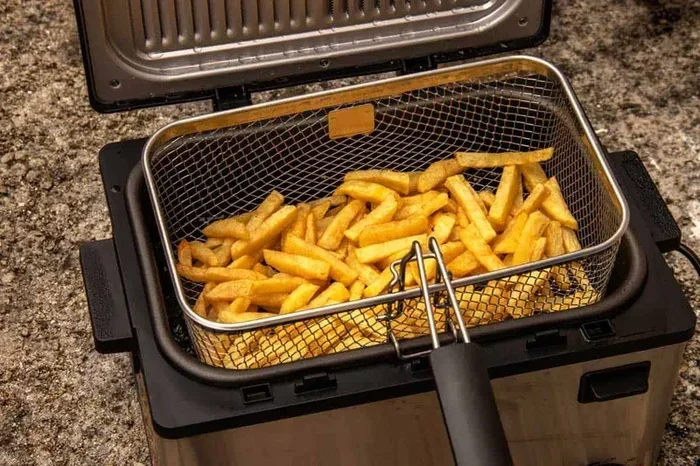
A deep fat fryer is a kitchen appliance designed to submerge food in hot oil for cooking. The food cooks evenly on all sides, creating a crispy outer layer while keeping the inside moist and tender. Unlike shallow frying, deep frying fully immerses the food in oil, which speeds up the cooking process significantly.
Many home cooks wonder whether a deep fat fryer is worth the counter space. The answer is yes, if you love fried foods. From golden French fries to crispy fried chicken, a dedicated fryer gives you restaurant-quality results at home. Plus, modern fryers come with safety features that make them much safer than old-school stovetop methods.
Deep frying is not just about indulgence. It is a cooking method with a long history and a strong following around the world. Whether you enjoy Southern fried chicken, fish and chips, or crispy doughnuts, a good fryer makes all the difference.
How Does a Deep Fat Fryer Work?
A deep fat fryer heats oil to a precise temperature, usually between 350 and 375 degrees Fahrenheit. You place food into the basket, lower it into the hot oil, and the heat circulates around the food. The hot oil cooks the exterior quickly, forming a barrier that locks in moisture. This process is called the Maillard reaction, and it is what gives fried food its golden color and crispy texture.
Most electric deep fat fryers have a built-in thermostat that regulates heat automatically. This means you do not have to guess or watch the oil like you would on a stovetop. Simply set your desired temperature, add the food, and let the fryer do the work.
Types of Deep Fat Fryers You Can Buy
Not all fryers are the same. Understanding the different types helps you choose the best one for your kitchen. Here is a breakdown of the most popular options.
Electric Deep Fat Fryers
Electric fryers are the most common choice for home kitchens. They plug into a standard outlet and heat up quickly. Most models come with a removable oil container, a frying basket, and a temperature dial. These fryers are easy to use and clean, making them ideal for beginners.
Popular brands like Presto, T-fal, and Cuisinart offer reliable electric fryers at various price points. You can find compact models for small kitchens or larger ones for entertaining guests.
Countertop Deep Fryers
Countertop fryers are a step up from basic electric models. They typically hold more oil and can cook larger quantities of food. These are great for families or anyone who entertains frequently. Many countertop models also feature oil filtration systems that extend the life of your cooking oil.
Pressure Deep Fryers
Pressure fryers use a sealed environment to cook food faster at higher temperatures. Commercial kitchens often use these for high-volume frying. Some home versions are available, but they require more careful handling due to the pressure involved.
Air Fryers as an Alternative
While not a traditional deep fat fryer, air fryers have become hugely popular. They use hot air circulation to crisp food with little to no oil. If you are looking for a healthier alternative, an air fryer might be worth considering. You can learn more about how air fryers compare to ovens in our guide on does air fryer take less time than oven. The cooking times and results differ significantly from deep frying.
How to Choose the Best Deep Fat Fryer for Your Kitchen
Buying a deep fat fryer involves more than picking the prettiest model on the shelf. Several factors determine which fryer will work best for you.
Capacity
Think about how much food you typically cook at once. A family of four needs a different fryer than someone cooking just for themselves. Most home fryers hold between 2 and 6 quarts of oil. Larger capacity means you can fry more food in a single batch, which saves time when cooking for a crowd.
Temperature Range
The best deep fat fryers offer a wide temperature range, ideally from 250 to 375 degrees Fahrenheit. This flexibility lets you fry, sauté, and even slow-cook certain foods. A good thermostat ensures the oil stays at a consistent temperature, which is critical for even cooking.
Ease of Cleaning
Nobody loves cleaning a fryer. Look for models with removable parts that are dishwasher safe. Some fryers come with oil filtration systems that make it easy to reuse oil multiple times. This saves money and reduces waste.
Safety Features
Hot oil can be dangerous, so safety features matter. Look for fryers with cool-touch handles, automatic shut-off, and oil fill indicators. A good grease tray catches drips and keeps your countertop clean. Never leave a hot fryer unattended.
Mastering Oil Temperature for Perfectly Crispy Food
The secret to great fried food is getting the oil temperature right. Too cool, and your food absorbs excess oil and turns soggy. Too hot, and the outside burns before the inside cooks through.
The Ideal Frying Temperature
Most foods fry best between 350 and 375 degrees Fahrenheit. Here is a quick guide:
- 350°F: Ideal for battered foods, fish, and delicate items.
- 365°F: Perfect for French fries, chicken, and vegetables.
- 375°F: Best for doughnuts, pastries, and foods with a thinner coating.
Investing in a good cooking thermometer takes the guesswork out of frying. Clip it to the side of the pot or use the built-in thermometer on your fryer. This small tool makes a huge difference in your results.
What Happens When the Oil Temperature Is Wrong
When the oil is too cool, food sits in the grease and becomes heavy and oily. When it is too hot, the outside charrs while the inside remains raw. Both scenarios lead to disappointing results. Maintaining a steady temperature is the single most important factor in deep frying success.
One thing many people do not realize is that the temperature drops when you add food to the oil. This is why overcrowding the fryer is a common mistake. Add food in small batches to keep the oil temperature stable.
Deep Fat Fryer Safety Tips Everyone Should Know
Deep frying involves hot oil, and safety should always come first. Follow these guidelines to enjoy crispy food without accidents.
Never Fill the Pot Above the Max Line
Overfilling the fryer with oil can cause dangerous spills when you add food. Always check the maximum fill line on your appliance. A good rule of thumb is to never fill more than two-thirds full.
Dry Your Food Before Frying
Water and hot oil do not mix. Moisture on food causes oil to splatter, which can lead to burns. Always pat your food dry with paper towels before placing it in the fryer.
Use the Right Oil
Not all cooking oils are created equal for deep frying. Oils with high smoke points work best. Canola oil, peanut oil, and vegetable oil are popular choices. Avoid olive oil for deep frying, as it has a lower smoke point and can burn quickly.
Keep a Lid Nearby
If oil ever catches fire, smothering the flames with a lid can help. Never use water on an oil fire. Keep a fire extinguisher in your kitchen and know how to use it.
Cleaning and Maintaining Your Deep Fat Fryer
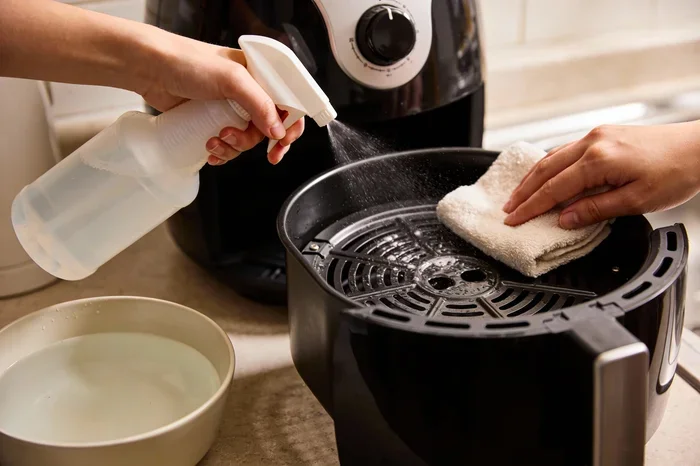
A well-maintained fryer lasts longer and produces better-tasting food. Cleaning after every use prevents grease buildup and keeps your fryer running smoothly.
Step-by-Step Cleaning Process
- Let the oil cool completely before handling.
- Drain the used oil through a fine mesh strainer into a container.
- Remove the frying basket and wash it with warm soapy water.
- Wipe down the interior with a damp cloth.
- Clean the exterior with a mild detergent.
- Store the fryer in a dry place between uses.
Reusing oil is possible if you strain it properly. However, oil degrades over time and should be replaced after several uses. Old oil can make your food taste off and produce more smoke during cooking.
If you own a Cosori air fryer toaster oven, cleaning is a different process since it uses minimal oil. You can read our guide on how to clean Cosori air fryer toaster oven for detailed instructions on maintaining that type of appliance.
Deep Fat Fryer vs. Air Fryer: Which Is Better?
The debate between a deep fat fryer and an air fryer is common among home cooks. Both appliances have strengths, and the right choice depends on your priorities.
| Feature | Deep Fat Fryer | Air Fryer |
|---|---|---|
| Oil Usage | Large amount (fully submerges food) | Little to no oil |
| Texture | Extra crispy, traditional fried taste | Crispy but lighter |
| Cooking Speed | Fast (3-5 minutes per batch) | Fast (5-15 minutes) |
| Capacity | Larger batches | Smaller batches |
| Health Factor | Higher in calories and fat | Lower in calories and fat |
| Versatility | Primarily frying | Frying, baking, roasting, reheating |
If you want the authentic taste and texture of deep-fried food, a deep fat fryer is hard to beat. But if you prefer a healthier approach, an air fryer delivers satisfying crunch with much less oil. Interestingly, you can use temperature conversion knowledge between these appliances. Check out our guide on are air fryer and oven temperatures the same for useful conversion tips that apply across different cooking methods.
Some home cooks own both appliances and use them for different purposes. The deep fat fryer handles traditional fried favorites, while the air fryer takes care of everyday quick meals. This combination gives you the best of both worlds.
Delicious Recipes to Try in Your Deep Fat Fryer
Once you have your fryer set up and your oil at the right temperature, it is time to cook. Here are some classic recipes that shine in a deep fat fryer.
Classic Crispy French Fries
Soak sliced potatoes in cold water for 30 minutes to remove excess starch. Dry them thoroughly, then fry at 325 degrees Fahrenheit for 3 to 4 minutes. Increase the oil temperature to 375 degrees and fry again for 2 to 3 minutes until golden brown. Season with salt immediately and enjoy.
Southern Fried Chicken
Marinate chicken pieces in buttermilk overnight. Dredge them in seasoned flour and fry at 350 degrees Fahrenheit for about 12 to 15 minutes, turning occasionally. The result is a crunchy, juicy coating that rivals any restaurant.
Fish and Chips
Use a light beer batter for the fish and fry at 375 degrees until the coating is golden and the fish flakes easily. Pair with thick-cut potato chips fried at 350 degrees for a classic British dish done right.
Onion Rings
Dip sliced onions in a seasoned batter and fry at 365 degrees for 2 to 3 minutes. The key is not to overcrowd the fryer, which drops the oil temperature and makes the rings soggy.
For more cooking inspiration, you might enjoy learning how to cook a baked potato in an air fryer oven, which is a great alternative when you want oven-style results with less oil.
Common Mistakes to Avoid When Deep Frying
Even experienced cooks make mistakes with deep frying. Here are the most common ones and how to avoid them.
- Overcrowding the fryer: This drops the oil temperature and causes food to absorb grease. Always fry in small batches.
- Not monitoring oil temperature: A thermometer is essential. Guessing leads to unevenly cooked or greasy food.
- Reusing oil too many times: Old oil breaks down and produces off-flavors. Replace it after 3 to 4 uses.
- Frying wet food: Moisture causes oil to splatter violently. Always dry your food thoroughly.
- Using the wrong oil: Oils with low smoke points burn quickly and taste bad. Stick to high-smoke-point oils like canola or peanut.
Avoiding these simple mistakes will instantly improve your deep frying results. You will notice better texture, fewer accidents, and more consistent flavor every time you use your fryer.
Final Thoughts on the Deep Fat Fryer
A deep fat fryer is one of the most rewarding kitchen appliances you can own. It opens up a world of crispy, golden, delicious food that is hard to replicate with any other method. From perfectly cooked French fries to indulgent fried chicken, the results speak for themselves.
Choose the right fryer for your needs, master your oil temperatures, follow safety guidelines, and maintain your appliance regularly. These simple steps will serve you well for years of enjoyable cooking.
Remember, while a deep fat fryer delivers unbeatable crunch and flavor, an air fryer offers a lighter alternative for everyday meals. Understanding the strengths of each appliance helps you make the best choice for your kitchen. If you are curious about timing differences, our article on how to adjust oven time to air fryer provides helpful conversion insights that apply across cooking methods.
Now that you have all the knowledge, it is time to fire up your fryer and start cooking. Your taste buds will thank you.
Frequently Asked Questions
What is the best oil to use in a deep fat fryer?
Canola oil, peanut oil, and vegetable oil are the best choices for deep frying. They have high smoke points, which means they can handle the high temperatures without burning. Avoid olive oil and butter, as they have lower smoke points and can produce smoke and off-flavors.
How long does it take to deep fry food?
Most foods take between 3 and 5 minutes to deep fry, depending on the item and its size. Thinner foods like French fries cook faster, while thicker items like chicken pieces take longer. Always check that the internal temperature reaches a safe level before serving.
Can I reuse the oil in my deep fat fryer?
Yes, you can reuse oil if you strain it properly after each use. Store the strained oil in a cool, dark place. However, oil degrades over time and should be replaced after 3 to 4 uses. Cloudy or dark-colored oil is a sign that it is time for a fresh batch.
Is deep frying unhealthy?
Deep frying adds calories and fat because the food absorbs oil during cooking. However, using the right oil and maintaining proper temperature reduces oil absorption. For a healthier alternative, consider using an air fryer, which achieves a similar crispy texture with much less fat.
How do I know when the oil is hot enough?
Use a cooking thermometer to check the oil temperature. Most foods fry best between 350 and 375 degrees Fahrenheit. You can also test the oil by dropping a small piece of bread into it. If the bread sizzles and turns golden in 60 seconds, the oil is ready.
Can a deep fat fryer be used for anything besides frying?
Yes, many deep fat fryers can be used for baking, roasting, and reheating food. The even heat distribution makes them versatile appliances. You can warm up leftovers, cook vegetables, and even make desserts like fried dough or churros in a deep fat fryer.
=== CONCLUSION ===
A deep fat fryer transforms your home cooking by delivering crispy, golden results that are hard to achieve any other way. This guide has covered everything from choosing the right type and mastering oil temperatures to safety tips, cleaning routines, and delicious recipes.
Remember that practice makes perfect when it comes to deep frying. Start with simple recipes like French fries, work on your temperature control, and gradually try more ambitious dishes. With the right technique and a quality fryer, you can enjoy restaurant-quality fried food in the comfort of your own kitchen.
Keep experimenting, stay safe, and most importantly, have fun with your cooking. The best deep fat fryer is the one that gets used regularly, so get out there and start frying!