Do You Put Banana Pudding In The Oven For A Sweet Treat
Yes, you can put banana pudding in the oven for a delicious baked twist on this classic dessert. Baking banana pudding creates a golden, custard-like top with crispy edges that stovetop versions cannot match. This method transforms a simple no-cook dessert into a warm, comforting treat perfect for family gatherings. You will learn the exact steps, ingredients, and tips to achieve the best banana pudding every single time.
Have you ever wondered whether you can put banana pudding in the oven? Maybe you saw a recipe online or heard someone at a potluck talk about a warm, baked version of this classic dessert. The short answer is yes. You can definitely put banana pudding in the oven, and the results are absolutely worth it.
Baked banana pudding is a game-changer. It takes the creamy, no-cook version you already love and adds a golden, slightly crispy top that makes every bite feel special. Whether you are feeding a crowd at a family reunion or just want a comforting dessert on a Sunday evening, oven-baked banana pudding delivers.
In this article, we will walk you through everything you need to know. We will cover the ingredients, the step-by-step process, common mistakes to avoid, and pro tips that will make your banana pudding casserole the star of the table. Let us get into it.
Key Takeaways
- Baking banana pudding is a real thing: You can absolutely put banana pudding in the oven for a warm, golden dessert.
- The oven method adds a crispy top: Baked banana pudding gets a caramelized crust that stovetop versions lack.
- Vanilla wafers are essential: They absorb the custard and hold the layers together during baking.
- Temperature matters: Baking at 350°F gives the best results without curdling the custard.
- You can make it ahead: Baked banana pudding tastes even better after resting overnight.
- Southern style is the gold standard: Traditional Southern banana pudding recipes shine in the oven.
- Customization is easy: Add chocolate, caramel, or fruit to make the dessert your own.
📑 Table of Contents
- What Is Banana Pudding and Why Do People Bake It?
- How to Put Banana Pudding in the Oven: Step by Step
- Oven-Baked Banana Pudding vs Stovetop Banana Pudding
- Ingredients That Make the Best Banana Pudding Casserole
- Tips for the Perfect Baked Banana Pudding
- Common Mistakes to Avoid When Baking Banana Pudding
- Creative Variations of Baked Banana Pudding
- Frequently Asked Questions
- Final Thoughts on Baking Banana Pudding
What Is Banana Pudding and Why Do People Bake It?
The History of Banana Pudding
Banana pudding has deep roots in Southern cooking. It became popular in the United States in the late 1800s when bananas and custard started appearing in home kitchens. The original banana pudding recipe was a simple stovetop custard layered with vanilla wafers and fresh banana slices. Over time, people started experimenting with the banana pudding dessert, and baking it in the oven became a beloved variation.
The beauty of banana pudding is its simplicity. You need very few ingredients, and the result feels homemade and comforting. When you put banana pudding in the oven, you unlock a whole new texture and flavor profile that many people prefer over the traditional cold version.
Why Bake Banana Pudding Instead of Making It on the Stovetop?
There are several reasons people choose to bake banana pudding instead of making it on the stove. First, baking gives you a set, sliceable dessert that holds its shape beautifully. You can cut it into squares and serve it like a casserole, which makes it perfect for potlucks and parties.
Second, the oven creates a golden brown top that adds a satisfying crunch. Stovetop banana pudding is creamy and smooth throughout, but it lacks that contrast between the soft custard and the crispy edges. Baked banana pudding gives you both textures in every spoonful.
Third, oven-baked banana pudding often tastes better after it has had time to sit. The flavors meld together overnight, making it an ideal make-ahead dessert. You can prepare it the night before a gathering and just pull it out of the fridge when you need it.
How to Put Banana Pudding in the Oven: Step by Step
Ingredients You Will Need
Before you start, gather everything you need. Here is a simple list of banana pudding ingredients for a classic baked version:
- Ripe bananas: 4 to 5 medium bananas, sliced
- Vanilla wafers: One 12-ounce package
- Eggs: 4 large eggs
- Granulated sugar: 1 cup
- Butter: 4 tablespoons, melted
- Whole milk: 2 cups
- Vanilla extract: 2 teaspoons
- Salt: 1 pinch
- Whipped cream: For topping (optional)
These ingredients create a creamy banana dessert that bakes up perfectly. You can adjust the sweetness to your taste, and you can even add a splash of nutmeg or cinnamon for extra warmth.
Step-by-Step Baking Instructions
Now let us walk through the actual process of putting banana pudding in the oven. Follow these steps closely for the best results.
Step 1: Preheat the oven. Set your oven to 350°F. This is the ideal banana pudding temperature for a gentle, even bake. While the oven is heating up, grease a 9×13-inch baking dish with butter or cooking spray.
Step 2: Prepare the custard base. In a large mixing bowl, whisk the eggs and sugar together until the mixture turns pale and fluffy. This usually takes about two to three minutes with a hand mixer or whisk. Add the melted butter, milk, vanilla extract, and salt. Whisk everything together until smooth.
Step 3: Layer the first half. Spread half of the vanilla wafers across the bottom of the greased baking dish. Arrange half of the banana slices on top of the wafers. Pour half of the custard mixture over the bananas and wafers.
Step 4: Add the second layer. Repeat the layers. Place the remaining vanilla wafers on top, followed by the remaining banana slices, and then pour the rest of the custard over everything. Gently press the wafers down so they absorb the custard evenly.
Step 5: Bake it. Place the dish in the preheated oven and bake for 35 to 45 minutes. The banana pudding baking time depends on how set you want the custard. When the top turns golden brown and the edges start to bubble, it is ready.
Step 6: Cool and serve. Remove the dish from the oven and let it cool on the counter for at least 30 minutes. The custard will continue to set as it cools. Top with whipped cream if you like, and serve warm or at room temperature.
What Temperature Should You Use for Banana Pudding?
The banana pudding temperature is a critical factor. Baking at 350°F works best for most recipes. If you go too high, the custard will curdle and the wafers will burn before the inside is set. If you go too low, the pudding will take forever to bake and may turn out too wet.
Some bakers like to start at 375°F for the first 10 minutes to get a quick golden crust, then reduce to 325°F for the remaining time. This trick works well if you want a crispier top. Experiment with it and see what you prefer.
Oven-Baked Banana Pudding vs Stovetop Banana Pudding
Texture and Consistency
The biggest difference between baked banana pudding and stovetop banana pudding is the texture. Stovetop versions are creamy, smooth, and spoonable. They have a loose, pourable consistency that some people love.
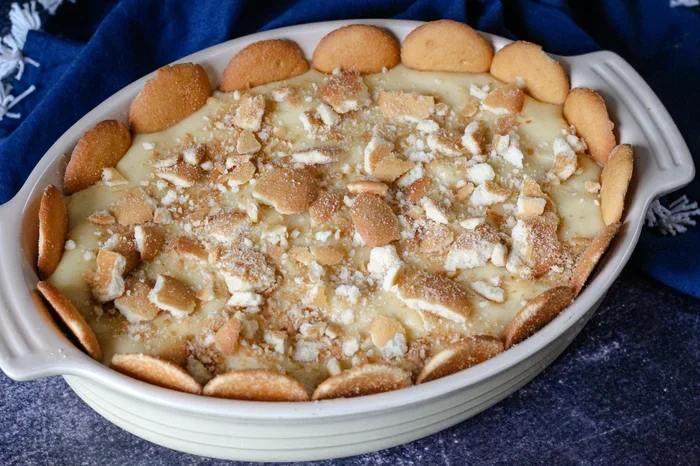
Oven-baked banana pudding, on the other hand, has a firm, set custard that holds its shape. The vanilla wafers become soft but not mushy, and the banana slices meld into the custard. The top layer gets a slightly crunchy, caramelized finish that adds a wonderful contrast.
Flavor Comparison
Both versions taste amazing, but they offer different flavor experiences. Stovetop banana pudding lets you taste the fresh banana flavor more prominently because the ingredients are not cooked for as long. Baked banana pudding develops deeper, richer flavors because the heat caramelizes the sugars in the custard and the bananas.
Many people say that baked banana pudding tastes more like a dessert and less like a snack. It feels more indulgent and special, which is why it is such a hit at holidays and celebrations.
Which One Should You Choose?
Your choice depends on what you are looking for. If you want a quick, no-fuss dessert that you can make in 20 minutes, go with the stovetop version. If you want a show-stopping dessert that looks beautiful and tastes incredible, put banana pudding in the oven.
Here is a quick side-by-side look at both methods:
- Stovetop banana pudding: Ready in 20 minutes, creamy texture, no baking required, best eaten fresh.
- Oven-baked banana pudding: Ready in about one hour, firm and sliceable texture, can be made ahead, develops a golden top.
Ingredients That Make the Best Banana Pudding Casserole
Choosing the Right Bananas
The bananas you use make a big difference in your banana pudding recipe. For the best results, choose bananas that are ripe but still firm. They should have yellow skin with a few brown spots. Overripe bananas will turn mushy during baking and may release too much moisture into the custard.
If you only have very ripe, spotted bananas, you can still use them. Just slice them a little thicker so they hold their shape better in the oven. You can also reduce the baking time slightly to prevent them from breaking down too much.
The Role of Vanilla Wafers
Vanilla wafers are the backbone of any banana pudding casserole. They absorb the custard as it bakes, creating a soft, cake-like layer that holds everything together. Without vanilla wafers, you would just have a bowl of banana custard, which is good but not the same thing.
Look for high-quality vanilla wafers. Brands like Nilla are the classic choice, but you can also use store-brand versions or even homemade wafers if you are feeling adventurous. The wafers should be crispy and dry before they go into the dish so they can soak up the custard properly.
Making the Custard from Scratch vs Using a Mix
You can make the custard from scratch using eggs, sugar, milk, and butter, or you can use a pre-made custard mix to save time. From-scratch custard gives you more control over the flavor and texture. It tastes fresher and richer.
A custard mix works in a pinch and can still produce a delicious oven-baked banana pudding. If you go this route, look for a high-quality brand and follow the package instructions carefully. You may need to adjust the baking time slightly since pre-made mixes can behave differently.
Tips for the Perfect Baked Banana Pudding
Make It Ahead of Time
Banana pudding make ahead is one of the best features of the baked version. You can assemble the pudding the night before, cover it tightly with plastic wrap or aluminum foil, and refrigerate it overnight. The wafers will absorb more custard as they sit, making every layer more flavorful.
When you are ready to serve, just take it out of the fridge, let it sit at room temperature for 15 minutes, and bake it. This makes banana pudding dessert planning so much easier for busy hosts.
Add a Crunchy Topping
One of the easiest ways to elevate your banana pudding casserole is to add a crunchy topping. A streusel made from flour, butter, brown sugar, and oats bakes up beautifully on top of the custard. You can also crush extra vanilla wafers and sprinkle them over the surface before baking.
Some people like to add a layer of crushed pecans or walnuts for a nutty crunch. The topping adds texture and makes the dessert look more impressive when you serve it.
Use a Water Bath for Extra Creaminess
If you want ultra-creamy banana pudding with no risk of curdling, try using a water bath. Place your baking dish inside a larger pan and fill the larger pan with hot water halfway up the sides of the dish. The gentle steam from the water keeps the custard moist and prevents it from cooking too fast.
This technique takes a few extra minutes but makes a noticeable difference in the final texture. It is especially helpful if you are new to baking custard-based desserts.
Do Not Skip the Resting Time
After you pull the banana pudding out of the oven, resist the urge to dig in right away. Let it rest for at least 30 minutes. The custard needs time to set, and the layers need time to firm up. If you cut into it too soon, it will be runny and messy.
For the best results, let it rest for an hour or more. Banana pudding that has rested overnight in the fridge is absolutely divine. The flavors deepen, the textures meld, and every bite is perfectly balanced.
Common Mistakes to Avoid When Baking Banana Pudding
Using the Wrong Oven Temperature
One of the most common mistakes is baking at the wrong temperature. Too high, and the top burns while the inside stays runny. Too low, and the pudding takes forever to bake and turns out too wet. Always preheat your oven and use a thermometer to make sure the temperature is accurate.
Overcrowding the Baking Dish
Do not use a dish that is too small. The pudding needs room to expand as it bakes. If you pack too much into a tight dish, the custard will overflow and the layers will get squished. A 9×13-inch dish is the perfect size for a standard banana pudding casserole recipe.
Using Unripe Bananas
Green, unripe bananas will not sweeten properly and will stay hard in the oven. Always use bananas that are ripe with some brown spots on the skin. They are sweeter, softer, and blend much better with the custard.
Skipping the Vanilla Wafers
Some people try to make banana pudding without vanilla wafers, but this changes the entire dish. The wafers are not optional in a traditional oven-baked banana pudding. They provide structure, absorb moisture, and add that signature flavor that makes banana pudding so recognizable.
Opening the Oven Door Too Often
Every time you open the oven door, the temperature drops by 25 to 50 degrees. This can cause the custard to sink, crack, or bake unevenly. Resist the temptation to peek. Trust the process and only open the door to check the pudding near the end of the baking time.
Creative Variations of Baked Banana Pudding
Chocolate Banana Pudding
Add a layer of chocolate pudding or a sprinkle of cocoa powder to the custard base for a chocolate-banana combo. This variation is a hit with kids and adults alike. The rich chocolate pairs beautifully with the creamy banana flavor.
Caramel Banana Pudding
Drizzle caramel sauce between the layers before baking. The warm caramel melts into the custard and creates a sticky, sweet flavor that is absolutely irresistible. You can also top the finished pudding with a drizzle of caramel sauce and a sprinkle of sea salt.
Fruit-Infused Banana Pudding
Try adding sliced strawberries, peaches, or mangoes to your banana pudding for a fruity twist. The extra fruit adds moisture and a burst of fresh flavor. This is a great option for summer gatherings when you want something light and refreshing.
Frequently Asked Questions
Can you put banana pudding in the oven after it is already made?
Yes, you can take leftover stovetop banana pudding and bake it in the oven. Pour it into a greased baking dish, cover it with foil, and bake at 350°F for about 15 to 20 minutes. The pudding will set up and develop a light golden top. This is a great way to transform leftover cold pudding into a warm dessert.
How long does baked banana pudding last in the fridge?
Baked banana pudding stays fresh in the refrigerator for up to four days when stored in an airtight container. The flavors actually improve overnight, which is why many people prefer to make it a day ahead. Just make sure to keep it covered so the wafers do not dry out.
Can you freeze banana pudding for later use?
You can freeze banana pudding, but the texture may change slightly when you thaw it. The bananas can become a bit mushy, and the wafers may soften. If you want to freeze it, assemble the pudding but do not bake it yet. Wrap it tightly and freeze for up to two months. Thaw it overnight in the fridge before baking.
Is banana pudding from a box the same as homemade?
Boxed banana pudding mixes are convenient and can taste good, but they do not compare to homemade banana pudding made from scratch. Homemade versions have a richer flavor, a creamier texture, and you can control the sweetness and ingredients. That said, a boxed mix works perfectly fine for a quick weeknight dessert.
Can you use low-fat milk in baked banana pudding?
You can use low-fat milk, but whole milk produces the creamiest results. The fat content in whole milk helps create a silky, smooth custard. If you use low-fat milk, the pudding may be a bit thinner. You can compensate by adding an extra egg yolk to boost the richness.
Why did my banana pudding turn out watery?
A watery banana pudding usually happens when the bananas release too much moisture or when the custard is underbaked. Make sure to use firm, ripe bananas and not overripe ones. Also, bake the pudding until the center is fully set. If you notice excess liquid, you can drain it off before serving or let the pudding rest longer so the wafers absorb the extra moisture.
Final Thoughts on Baking Banana Pudding
Putting banana pudding in the oven is one of the easiest ways to take a classic dessert and turn it into something extraordinary. The warm, golden custard, the soft vanilla wafers, and the tender banana slices come together to create a dessert that everyone will love.
Whether you are a seasoned baker or a beginner in the kitchen, oven-baked banana pudding is forgiving and delicious. You can stick with the classic recipe or get creative with toppings and mix-ins. There is no wrong way to make it.
The best part is that banana pudding tastes even better the next day. So make it ahead, store it in the fridge, and enjoy it all week long. Your family and friends will thank you. Now go ahead, preheat that oven, and make the best banana pudding casserole you have ever had.