How Long Does French Press Coffee Take to Brew Perfectly
French press coffee takes about 4 minutes total from start to finish, with the actual steeping time ranging between 3 and 5 minutes depending on your preference. The brew time includes 30 seconds for blooming the grounds, followed by 3 to 4 minutes of steeping, and then a quick plunge. Getting the timing right is the single most important factor in making rich, full-bodied French press coffee at home.
Key Takeaways
- Standard brew time is 4 minutes: 30 seconds for blooming plus 3 to 4 minutes of steeping.
- Grind size matters hugely: Use a coarse grind to avoid over-extraction and bitterness.
- Water temperature should be 195 to 205 degrees Fahrenheit: Too hot or too cold ruins the flavor.
- Steep time affects strength: Shorter steeps make lighter coffee, longer steeps make bolder coffee.
- Pour all the water at once: This is called immersion brewing and it is key to consistent results.
- Plunge slowly: A steady, slow plunge prevents agitation and keeps the coffee smooth.
- Decant immediately after plunging: Leaving coffee on the grounds leads to over-extraction.
📑 Table of Contents
How Long Does French Press Coffee Take to Brew
If you have ever wondered how long does French press coffee take, the answer is simpler than you think. A standard French press brew takes about 4 minutes from the moment you add hot water to the moment you pour your first cup. That is it. No complicated equipment. No fancy techniques. Just coffee, water, time, and a little patience.
But here is the thing. Those 4 minutes make all the difference. Too short and your coffee tastes weak and watery. Too long and it turns bitter and harsh. The sweet spot sits right in the middle, and once you nail it, you will never go back to drip coffee again.
French press coffee belongs to a brewing method called immersion brewing. This means the coffee grounds sit fully submerged in hot water for the entire brew time. Every particle of coffee gets equal contact with the water. That is why French press coffee tastes so rich and full-bodied compared to other methods. It is also why timing matters so much.
Think of it this way. When you cook something in the oven, you follow a precise time. You would never roast vegetables for 20 minutes instead of the recommended 25 just because you felt like it. French press coffee works the same way. The clock is your best friend.
In this guide, we will walk you through exactly how long each phase takes, what factors can change your brew time, and how to avoid the most common mistakes people make. By the end, you will know exactly how to brew the perfect cup of French press coffee every single time.
The 4-Minute French Press Brew Breakdown
The total brew time for French press coffee breaks down into three clear phases. Each phase has a specific job. Together, they create a balanced, flavorful cup. Let us look at each one in detail.
Phase 1: The Bloom (30 Seconds)
The bloom is the first 30 seconds of your brew. You pour a small amount of hot water over the coffee grounds and let them sit. During this time, the grounds release carbon dioxide gas. You will see them bubble and puff up. This is a good sign. It means your coffee is fresh.
Why does the bloom matter? Fresh coffee grounds release CO2 when they hit hot water. If you skip the bloom, those gases can create uneven extraction. Some parts of the coffee get brewed properly while other parts do not. The bloom lets the gases escape so the rest of the water can extract flavor evenly.
Bloom timing tip: Start your timer the moment the water touches the grounds. Pour slowly and evenly. Use about twice the weight of water as coffee for this initial pour. For example, if you use 30 grams of coffee, add 60 grams of water for the bloom.
Phase 2: The Steep (3 to 4 Minutes)
This is the main event. After the bloom, you add the rest of your hot water and let the coffee steep. The standard steep time is 4 minutes. This is the sweet spot for most people. It produces a balanced cup with good flavor and a smooth body.
During the steep, the hot water extracts oils, flavors, and caffeine from the coffee grounds. The longer the steep, the more gets extracted. This sounds great in theory, but there is a limit. Go past 5 minutes and you start pulling out bitter compounds. Stay under 3 minutes and you risk a weak, underdeveloped cup.
Steep time recommendations:
- 3 minutes: Lighter, more acidic coffee. Great if you like a milder flavor.
- 4 minutes: The perfect balance. Rich but not bitter. This is the gold standard.
- 5 minutes: Bold and strong. Best for people who like very full-bodied coffee.
Phase 3: The Plunge (15 to 20 Seconds)
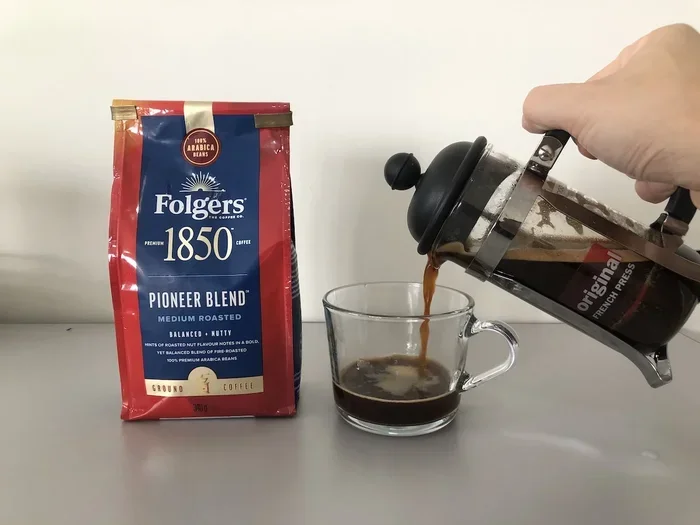
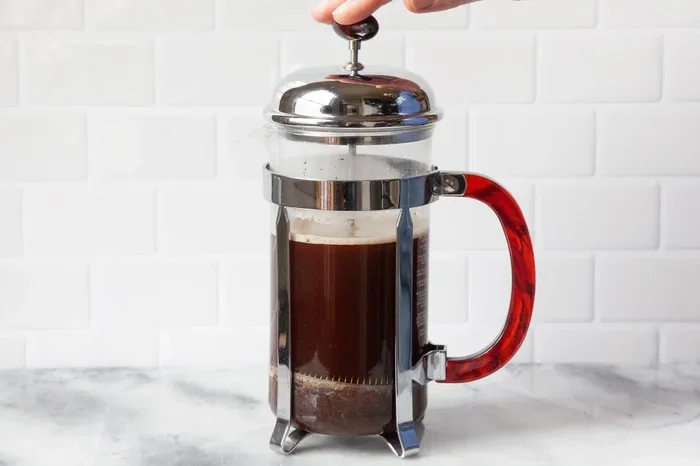
Once the steep time is up, it is time to plunge. Press the plunger down slowly and steadily. Do not rush this. A quick plunge can agitate the grounds and make your coffee gritty and over-extracted.
Take about 15 to 20 seconds to press the plunger all the way down. Use even pressure. If you feel resistance, slow down. The goal is a smooth separation between the liquid coffee and the grounds at the bottom of the carafe.
Plunge tip: Do not leave the coffee sitting in the French press after you plunge. Pour it into your mug or a thermal carafe right away. The coffee continues to extract even after you press down, and leaving it in the pot will make it bitter within minutes.
Factors That Change Your French Press Brew Time
While 4 minutes is the standard, several factors can shift your ideal brew time. Understanding these variables gives you control over your coffee. You can adjust the time to match your taste instead of blindly following a recipe.
Grind Size
The grind size is one of the biggest factors in French press brewing. You need a coarse grind, similar to the texture of sea salt. If your grind is too fine, the water extracts flavors too quickly. Your coffee can turn bitter even if you steep for the normal 4 minutes.
On the other hand, if your grind is too coarse, the water cannot extract enough flavor. You end up with weak, sour coffee no matter how long you steep. A burr grinder gives you the most consistent grind size, which leads to more predictable brew times and better flavor.
Water Temperature
Water temperature directly affects extraction speed. Hotter water extracts faster. Colder water extracts slower. The ideal temperature for French press coffee is between 195 and 205 degrees Fahrenheit. That is just below boiling.
If you boil your water and pour it straight onto the grounds, you risk scorching the coffee. This creates a burnt, bitter taste. If your water is not hot enough, the coffee under-extracts and tastes sour. Let your water cool for about 30 seconds after boiling before you pour it over the grounds.
Coffee-to-Water Ratio
The ratio of coffee to water also plays a role. A standard ratio is 1:15, which means 1 gram of coffee for every 15 grams of water. If you use more coffee, you might need to adjust your steep time slightly. More grounds mean more surface area, which can speed up extraction.
Most people find that sticking with the standard ratio and the 4-minute steep gives them the best results. Once you have that down, you can experiment with ratios and times to find your perfect cup.
Coffee Freshness
Freshly roasted and freshly ground coffee behaves differently than older coffee. Fresh beans release more gas during the bloom, which can affect how the water interacts with the grounds during the steep. Very fresh coffee might benefit from a slightly longer steep time to fully develop its flavors.
Stale coffee, on the other hand, extracts faster because the cell structure has broken down. Stale coffee often tastes flat regardless of your brew time. The solution is simple. Buy whole bean coffee and grind it right before you brew. This is the single best thing you can do for your French press coffee.
Comparison: French Press vs Other Brewing Methods
To really understand French press timing, it helps to compare it with other popular brewing methods. Each method has a different contact time between water and coffee, and that time shapes the final flavor.
| Brewing Method | Total Brew Time | Contact Time | Flavor Profile |
|---|---|---|---|
| French Press | 4 minutes | Full immersion (4 min) | Rich, full-bodied, oily |
| Pour Over | 3 to 4 minutes | Gravity-based (3 min) | Clean, bright, light |
| Espresso | 25 to 30 seconds | Pressure-based (25 sec) | Concentrated, intense |
| Drip Coffee | 5 to 10 minutes | Gravity-based (5 min) | Mild, medium-bodied |
| AeroPress | 1 to 2 minutes | Pressure-based (1 min) | Smooth, clean, versatile |
As you can see, French press coffee has the longest contact time of any popular method. This is why it produces such a rich and bold cup. The full immersion means every drop of coffee spends the entire brew time in contact with the grounds. Compare this to pour over or drip methods, where the water passes through the grounds quickly.
If you are used to quicker methods like AeroPress or espresso, the 4-minute French press wait might feel long. But that wait is exactly what gives French press coffee its character. It is a slow process that rewards patience with a deeply satisfying cup. Think of it like slow cooking versus microwaving. Both get the job done, but one produces far better results.
Common French Press Timing Mistakes
Even experienced coffee drinkers make timing mistakes with their French press. Here are the most common ones and how to avoid them.
Starting the Timer Too Late
Many people pour all the water first and then start the timer. This is wrong. You should start the timer the moment the first drop of water touches the coffee grounds. The bloom phase counts. Every second matters.
Stopping the Steep Too Early
If you pull the plunger up after 2 or 3 minutes because you are in a hurry, your coffee will taste weak and sour. The coffee has not had enough time to fully extract its flavors. Trust the process. Set a timer and wait the full 4 minutes.
Leaving Coffee in the Press Too Long
This is probably the most common mistake. People plunge, leave the coffee sitting in the French press, and come back to it 10 minutes later. By then, the coffee is over-extracted and bitter. Always decant immediately after plunging. If you cannot drink it all right away, pour it into a thermal carafe to keep it warm without continuing to extract.
Using Water That Is Too Hot
Boiling water (212 degrees Fahrenheit) is too hot for French press coffee. It burns the grounds and creates a harsh, bitter flavor. Let your water rest for 30 seconds after boiling, or use a thermometer to get it into the 195 to 205 degree range.
Skipping the Bloom Entirely
Some people skip the bloom and just pour all the water at once. While this does not ruin the coffee, it does lead to uneven extraction. The bloom ensures that all the grounds are evenly saturated before the full steep begins. It takes only 30 seconds and makes a noticeable difference in flavor.
Pro Tips for Perfect French Press Coffee Every Time
Once you understand the basics of brew time, a few pro tips can take your French press coffee to the next level. These are the small details that separate a good cup from a great one.
Preheat your French press. Before you add any coffee or water, rinse the empty press with hot water. This warms up the glass or stainless steel and keeps your brew temperature stable during the steep. A cold press absorbs heat from the water, which can lower the temperature and slow extraction.
Use filtered water. The water you use makes up over 98 percent of your cup of coffee. If your tap water tastes chlorinated or has a strong mineral taste, it will affect your coffee. Filtered water gives you a clean, neutral base that lets the coffee flavors shine through.
Weigh your coffee and water. Using a kitchen scale is more accurate than measuring spoons. A consistent ratio leads to consistent results. Once you find the ratio and time that work best for you, write it down. Repeatability is the key to great coffee every morning.
Stir at the 1-minute mark. About halfway through the steep, give the coffee a gentle stir with a wooden spoon or chopstick. This breaks up the crust of grounds that forms on the surface and helps the extraction stay even. Do not stir too aggressively. You do not want to agitate the grounds too much.
Cover the press during the steep. Place the lid on the French press while the coffee steeps, but do not plunge yet. This keeps the heat trapped inside and maintains a consistent temperature throughout the brew. Some people also place a warm towel over the press for extra heat retention.
Experiment with steep times. Once you have the standard 4-minute method down, try adjusting the time by 30 seconds. Brew one cup at 3.5 minutes and another at 4.5 minutes. Taste both and see which you prefer. This is how you find your personal sweet spot. Everyone’s taste is different, and your ideal brew time might be slightly different from the standard.
Clean your French press regularly. Old coffee oils build up in the press and can make your next cup taste rancid or stale. Disassemble the plunger and wash all parts with warm soapy water after every use. A clean press means clean, pure coffee flavor every time.
Store your beans properly. Keep whole bean coffee in an airtight container in a cool, dark place. Do not store it in the freezer unless you are using it frequently. Proper storage keeps your beans fresh longer, which means better bloom, better extraction, and better flavor in every cup.
The beauty of French press coffee is its simplicity. You do not need expensive equipment or complicated techniques. You just need good coffee, hot water, and 4 minutes of your time. Once you get the timing down, you will wonder how you ever settled for anything else.
If you are curious about how French press timing compares to other kitchen timing tasks, it is worth noting that the precision matters across all cooking methods. Whether you are timing how long to bake mushrooms in the oven at 350 or figuring out if an air fryer takes less time than an oven, the principle is the same: consistent timing leads to consistent results. French press coffee is no different. Treat the 4-minute brew as your personal standard, adjust from there based on taste, and enjoy the process.
Conclusion
French press coffee takes about 4 minutes to brew perfectly. That includes 30 seconds for the bloom, 3 to 4 minutes for the steep, and 15 to 20 seconds for the plunge. It is a simple process that rewards attention to detail and a little patience.
The key to great French press coffee is consistency. Use the same ratio, the same water temperature, and the same steep time every time. Once you find your rhythm, brewing French press coffee becomes second nature. You will not even need to think about it. Your hands will know what to do while your mind thinks about other things.
Remember the three phases: bloom, steep, and plunge. Respect the clock. And most importantly, drink your coffee right after you brew it. A fresh cup of French press coffee is one of life’s simple pleasures, and now you have the knowledge to make it perfectly every single time.
So go ahead. Measure your grounds. Heat your water. Set your timer. And enjoy the ritual of making a great cup of French press coffee. You deserve it.
Frequently Asked Questions
Can I brew French press coffee for longer than 4 minutes?
Yes, you can, but there is a trade-off. Steeping longer than 5 minutes starts to pull out bitter compounds from the coffee grounds. If you like very bold coffee, try 5 minutes and see how it tastes. If it is too bitter, dial it back to 4 minutes. The sweet spot for most people is between 3.5 and 4.5 minutes.
What happens if I steep French press coffee for only 2 minutes?
A 2-minute steep produces a very weak, under-extracted cup. The water has not had enough time to pull out the oils and flavors from the grounds. The result is often sour, thin, and lacking body. If you find yourself wanting a lighter cup, try 3 minutes instead of cutting it down to 2.
Does the type of coffee bean affect brew time?
Not significantly. Dark roast, medium roast, and light roast all work well with the standard 4-minute steep. However, lighter roasts sometimes benefit from an extra 30 seconds because they are denser and extract more slowly. Dark roasts are more soluble and can be brewed for the standard time without any adjustments.
Should I use boiling water for French press coffee?
No. Boiling water at 212 degrees Fahrenheit is too hot and can scorch the coffee grounds. This creates a bitter, harsh flavor. Let your water cool for about 30 seconds after boiling, or use a thermometer to bring it down to the 195 to 205 degree range. This is the ideal temperature for full extraction without burning.
Can I reuse French press grounds for a second brew?
You can, but the second brew will be much weaker. The first steep extracts most of the flavor compounds from the grounds. A second steep with fresh hot water will yield a mild, watery cup. It is better to use fresh grounds for each brew to get the best flavor. The first press is always the strongest and most flavorful.
How does French press brew time compare to other coffee makers?
French press takes about 4 minutes, which is longer than espresso (25 to 30 seconds) and AeroPress (1 to 2 minutes), but shorter than some drip machines that run for 5 to 10 minutes. The full immersion method of the French press gives it a unique rich, oily body that shorter brew methods cannot replicate. The longer contact time is what creates that signature full-bodied flavor.