How To Clean Oven Burner Grates With Vinegar And Baking Soda
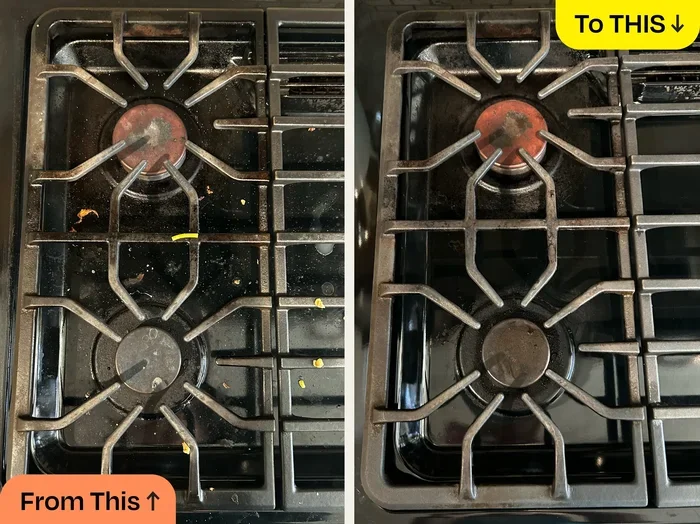
Cleaning oven burner grates with vinegar and baking soda is the easiest and most effective DIY method. This natural combo cuts through tough grease and baked-on food without harsh chemicals. You will learn the full step-by-step process, pro tips, and how to prevent future buildup. Clean oven burner grates are essential for a safe, efficient kitchen and better cooking results.
Cleaning oven burner grates does not have to be a dreaded chore. Whether you deal with daily splatters or months of built-up grime, vinegar and baking soda can handle the job. These two household staples work together to dissolve tough grease and lift baked-on food residue effortlessly. You do not need expensive commercial cleaners or harsh chemicals to get the job done right. In this guide, I will walk you through every step to make your grates look brand new.
Dirty burner grates are more than just an eyesore. They can affect how your stove heats food and even cause unpleasant odors while cooking. Grease buildup can also attract pests and create an unhygienic cooking surface. Many people reach for strong chemical cleaners, but these can leave behind residues that end up in your food. That is exactly why clean oven burner grates with vinegar and baking soda is such a popular and smart choice. This method is safe, affordable, and incredibly effective.
If you have been putting off cleaning your grates because you think it is too hard, think again. The vinegar and baking soda method requires no special tools or skills. You probably already have both ingredients in your kitchen right now. Within about an hour, you can have sparkling clean grates ready to go back on your stove. Let us dive into exactly how to do it.
Key Takeaways
- Vinegar and baking soda are the best natural cleaners for removing baked-on grease from oven burner grates safely.
- Soaking grates for at least 30 minutes loosens tough residue and makes scrubbing much easier.
- Avoid using steel wool or abrasive pads that can scratch and damage grate surfaces.
- Regular maintenance prevents buildup and keeps your stovetop looking and working great.
- The boiling water method works for extremely stubborn stains that normal soaking cannot remove.
- Drying grates completely after cleaning prevents rust and extends their lifespan significantly.
- Clean oven burner grates improve cooking performance by ensuring even heat distribution across the burner.
📑 Table of Contents
- Why Vinegar And Baking Soda Work Best For Cleaning Oven Burner Grates
- What You Need Before You Start
- Step-By-Step Guide To Cleaning Oven Burner Grates
- How To Handle Stubborn Stains And Baked-On Grease
- Maintaining Your Oven Burner Grates For Long-Lasting Cleanliness
- Common Mistakes To Avoid When Cleaning Oven Burner Grates
- How Often Should You Clean Your Oven Burner Grates
- Benefits Of Keeping Your Oven Burner Grates Clean
- Final Thoughts On Cleaning Oven Burner Grates With Vinegar And Baking Soda
Why Vinegar And Baking Soda Work Best For Cleaning Oven Burner Grates
The Science Behind This Powerful Combo
You might wonder why vinegar and baking soda are such a popular cleaning pair. The answer lies in their natural chemical reaction. Baking soda is a mild alkali that breaks down grease and grime. Vinegar is a mild acid that dissolves mineral deposits and food residue. When you combine them, they fizz and bubble, which helps lift dirt away from the surface of your oven burner grates.
This reaction creates a gentle but effective cleaning solution that works on even the toughest baked-on messes. Unlike chemical cleaners, this combo is completely non-toxic. That means you do not have to worry about harmful fumes or residue contaminating your food. It is also safe for all grate materials, including stainless steel, cast iron, and porcelain-coated surfaces.
Why Natural Cleaners Beat Chemical Options
Chemical oven cleaners may promise fast results, but they come with real downsides. They often contain strong fumes that can irritate your lungs and eyes. Many leave behind a chemical residue that can transfer to your pots and pans during cooking. Over time, repeated use of harsh chemicals can also damage the finish of your grates.
Using vinegar and baking soda for oven cleaning gives you peace of mind. You know exactly what ingredients are touching your cooking surfaces. These natural cleaners are also much gentler on your wallet. A box of baking soda and a bottle of white vinegar cost just a few dollars and can handle multiple cleaning jobs around your home. They are truly a win-win for your kitchen and your health.
What You Need Before You Start
Gather Your Supplies
Before you begin the cleaning process, make sure you have everything ready. Having all your supplies within arm’s reach makes the job much smoother and faster. Here is what you will need:
- White distilled vinegar — one to two cups
- Baking soda — about half a cup for regular cleaning, more for tough stains
- A large basin or sink — big enough to submerge your grates
- A soft scrub brush or sponge — non-abrasive is key
- Warm water — enough to fill your basin
- A pair of gloves — optional but helpful for keeping hands clean
- An old toothbrush — great for reaching tight spots and corners
- A clean towel or drying rack — for drying the grates after cleaning
You do not need any special equipment beyond these basics. If you do not have a basin large enough, a bathtub or even a large plastic storage bin works perfectly. The goal is to fully submerge each grate so the cleaning solution can work on all surfaces evenly.
Safety Tips To Keep In Mind
While vinegar and baking soda are safe and natural, a few precautions are still smart. Always work in a well-ventilated area. If you have sensitive skin, wear gloves to protect your hands during the soaking and scrubbing process. Never mix vinegar with bleach or other chemical cleaners, as this can create harmful fumes. Keep the cleaning solution away from children and pets while you work.
Also, make sure your stove is completely cool before you remove the grates. Hot grates can cause burns, and adding cold water to a hot grate can cause warping in some metal types. Let everything cool down fully before you start the oven burner grate cleaning process.
Step-By-Step Guide To Cleaning Oven Burner Grates
Step 1: Remove The Grates
The first step is simple but important. Turn off your stove and wait for the grates to cool completely. Once they are cool, carefully lift each grate off the burner. Set them aside on a protected surface like a towel or old newspaper. This prevents any drips from staining your countertop or floor.
Take this moment to look at the condition of your grates. Note the areas with the heaviest buildup. This will help you determine how long to soak them and whether you need to apply extra effort during scrubbing. Some grates may only need a light cleaning, while others might require the heavy-duty approach.
Step 2: Soak In The Vinegar And Baking Soda Solution
Fill your basin or sink with warm water. The water should be hot enough to help dissolve grease but not so hot that it risks warping the metal. Add about half a cup of baking soda to the water and stir until it dissolves. Then pour in one to two cups of white vinegar.
You will see the mixture start to fizz and bubble. This is a good sign! The reaction is actively working to break down grease and grime. Place your grates into the solution, making sure they are fully submerged. Let them soak for at least 30 minutes. For grates with heavy buildup, leave them soaking for up to two hours or even overnight.
During the soak, the baking soda works to loosen the baked-on residue while the vinegar cuts through the grease. This soaking step is one of the most important parts of the entire process. Skipping or shortening it will make the scrubbing step much harder and more time-consuming.
Step 3: Scrub Away The Grime
After soaking, remove the grates from the solution. You should notice that the grease and grime have softened significantly. Use a soft scrub brush or sponge to scrub each grate gently. Focus on areas with the heaviest residue, using circular motions to lift the dirt away.
For stubborn spots that did not loosen during soaking, make a paste of baking soda and a small amount of water. Apply this paste directly to the tough areas and let it sit for 10 to 15 minutes. Then scrub again with your brush or sponge. The abrasive texture of the baking soda paste helps lift remaining grime without scratching the grate surface.
An old toothbrush works wonderfully for cleaning the small holes and corners of your grates where grease tends to accumulate. Do not rush this step. Taking your time ensures that every bit of residue is removed, leaving you with truly clean oven burner grates.
Step 4: Rinse And Dry Thoroughly
Once you have scrubbed all the grates, rinse them thoroughly under warm running water. Make sure to remove all traces of baking soda and vinegar residue. Any leftover residue can affect the taste of food cooked on the stove later.
After rinsing, dry each grate completely with a clean towel. This step is crucial because leaving moisture on metal grates can lead to rust over time. If you have cast iron grates, drying them thoroughly is especially important to maintain their seasoning. You can also place the grates on a drying rack to air dry completely before putting them back on your stove.
Once the grates are fully dry, place them back on your burner. You will immediately notice the difference. Your stove will look better, and your cooking surface will perform more efficiently. Clean oven burner grates ensure even heat distribution, which means your food cooks more consistently.
How To Handle Stubborn Stains And Baked-On Grease
Creating A Heavy-Duty Paste
Sometimes, even a good soak is not enough for extremely stubborn stains. In these cases, a thick baking soda paste is your best friend. Mix three parts baking soda with one part water to create a paste with a toothpaste-like consistency. Apply this paste generously to the worst areas of your grates.
Let the paste sit for at least 20 minutes. For really tough spots, you can leave it on for a few hours. The baking soda will work to break down the hardened grease and carbon buildup. After the waiting period, use a non-abrasive scrub brush to work the paste into the stained areas. The gentle abrasion of the baking soda will lift the grime without damaging the grate surface.
Using The Boiling Water Method
The boiling water method is a powerful technique for oven burner grates cleaning when standard soaking does not do the job. After applying your baking soda paste, bring a pot of water to a boil on your stove. Carefully pour the boiling water over the grates, making sure the hot water covers all the treated areas.
The combination of the baking soda paste and boiling water creates a powerful reaction that dissolves even the most stubborn baked-on residue. Let the grates sit in the hot water for 15 to 30 minutes. Then scrub them again with your brush. You should see a dramatic difference in the grime removal. This method is especially effective for grates that have not been cleaned in a long time.
For cast iron grates, be cautious with the boiling water method. Extreme temperature changes can potentially damage cast iron if done repeatedly. Use this method sparingly and always dry cast iron grates immediately and thoroughly after rinsing.
Maintaining Your Oven Burner Grates For Long-Lasting Cleanliness
Daily Habits That Prevent Buildup
The best way to keep your grates clean is to prevent heavy buildup in the first place. A few simple daily habits can make a huge difference. Always wipe up spills on your grates as soon as the stove has cooled down. Food residue that sits on grates for days or weeks becomes much harder to remove.
When cooking, try to use lids on your pots and pans whenever possible. This reduces splatter and keeps grease from landing on your grates. Placing a sheet of aluminum foil under your pots can also catch drips and protect the grate surface. These small habits add up and keep your oven burner grates looking clean between deep cleanings.
Monthly Deep Cleaning Schedule
Even with good daily habits, a monthly deep clean is essential. Set a reminder on your phone or calendar to clean your grates once a month. This regular maintenance prevents grease from building up to the point where heavy scrubbing is needed.
During your monthly cleaning session, follow the full step-by-step process outlined earlier in this article. A regular cleaning schedule makes each session faster and easier because the grates will not have heavy buildup. Over time, you will find that maintaining clean oven burner grates becomes a quick and effortless part of your kitchen routine.
After each deep cleaning, consider applying a very light coat of cooking oil to your grates before putting them back on the stove. This thin layer helps protect the surface and makes future cleanup even easier. Just use a paper towel to apply a tiny amount of oil and wipe off any excess.
Common Mistakes To Avoid When Cleaning Oven Burner Grates
Using Abrasive Tools That Damage Grates
One of the biggest mistakes people make is reaching for steel wool or harsh abrasive pads. These tools can scratch and damage the surface of your grates, especially if they have a porcelain or non-stick coating. Scratches create tiny grooves where grease and food can accumulate even faster, making future cleaning harder.
Always use soft-bristled brushes, sponges, or old toothbrushes for scrubbing. If you need extra scrubbing power, the baking soda paste provides natural mild abrasion that is tough on grime but gentle on surfaces. Your grates will last much longer if you avoid harsh scrubbing tools during your oven burner grates cleaning routine.
Skipping The Soak Step
It can be tempting to scrub right away without letting the grates soak. However, skipping the soak step is one of the most common mistakes people make. Soaking is what does the heavy lifting when it comes to breaking down baked-on grease and food residue.
Without proper soaking, you end up scrubbing for much longer and using more elbow grease than necessary. The vinegar and baking soda solution needs time to work its magic. Trust the process and give your grates adequate soaking time. You will be amazed at how much easier the scrubbing becomes when you do not skip this step.
Not Drying Grates Completely
Another mistake that leads to rust and damage is not drying grates thoroughly after cleaning. Moisture left on metal surfaces causes oxidation, which leads to rust spots. These rust spots not only look unsightly but can also affect the performance of your grates.
Always dry your grates with a clean towel immediately after rinsing. For extra protection, you can place them on a drying rack to ensure all moisture evaporates completely. This simple step goes a long way in preserving the quality and appearance of your clean oven burner grates.
How Often Should You Clean Your Oven Burner Grates
The frequency of cleaning depends on how often you cook and what types of food you prepare. If you cook frequently or regularly prepare greasy or saucy dishes, you should deep clean your grates every two to three weeks. Light cooking with dry foods may only require monthly cleaning.
Pay attention to how your grates look and smell. If you notice visible grease buildup or unpleasant odors when you turn on the burner, it is time for a cleaning session. Regular inspection helps you stay ahead of buildup and prevents the need for heavy-duty cleaning methods. Consistent maintenance is the secret to always having clean oven burner grates without much effort.
Benefits Of Keeping Your Oven Burner Grates Clean
There are many benefits beyond just having a nice-looking stove. Clean oven burner grates contribute to better cooking performance and a healthier kitchen environment. When grates are covered in grease and food residue, they can interfere with the flame pattern and heat distribution. This means your food may cook unevenly or take longer to prepare.
Clean grates also reduce the risk of grease fires. Built-up grease on burner grates can ignite when exposed to high heat, creating a dangerous situation in your kitchen. Regular cleaning removes this fire hazard and keeps your cooking space safer. Additionally, clean grates eliminate unpleasant odors that can transfer to your food during cooking.
From a hygiene standpoint, clean oven burner grates prevent the growth of bacteria and germs that thrive in grease and food residue. This is especially important if you prepare raw meats or other foods that require careful hygiene practices. A clean stove is a healthy stove, and your family will benefit from the extra care you put into maintaining it.
Final Thoughts On Cleaning Oven Burner Grates With Vinegar And Baking Soda
Cleaning oven burner grates with vinegar and baking soda is one of the simplest and most effective kitchen cleaning methods you can use. This natural approach is safe, affordable, and incredibly powerful when it comes to cutting through grease and baked-on food. By following the step-by-step process outlined in this guide, you can restore your grates to a like-new condition without any harsh chemicals or expensive products.
Remember that consistency is key. Regular maintenance and monthly deep cleaning sessions will keep your grates looking great and performing well. The small effort you invest in cleaning your grates pays off in better cooking results, a safer kitchen, and a longer lifespan for your stove components. Start your next cleaning session with confidence, knowing you have all the knowledge and techniques you need to get the job done right.
Your kitchen deserves to be clean, and your oven burner grates deserve the best care you can give them. Grab some vinegar and baking soda, set aside an hour, and enjoy the satisfaction of seeing your grates shine like new again. You will wonder why you did not try this method sooner.
Frequently Asked Questions
Can I use apple cider vinegar instead of white vinegar?
Yes, apple cider vinegar works as a substitute, but white distilled vinegar is preferred for cleaning because it is more acidic and does not contain coloring agents that could potentially stain your grates. Stick with white vinegar for the best results when cleaning oven burner grates.
How long should I soak my oven burner grates in the vinegar and baking soda solution?
For moderately dirty grates, a 30-minute soak is usually sufficient. For grates with heavy baked-on grease, soak them for two hours or overnight. The longer the soak, the easier the scrubbing will be, so do not rush this important step in the oven burner grates cleaning process.
Is it safe to use vinegar and baking soda on cast iron grates?
Yes, it is safe, but you should be gentle with cast iron grates. Avoid soaking them for too long, as prolonged exposure to acidic vinegar can strip the seasoning. After cleaning cast iron grates, dry them immediately and apply a light coat of cooking oil to protect the surface.
What if the vinegar and baking soda method does not remove all the stains?
For stubborn stains that do not come out with the standard method, try the boiling water technique or make a thicker baking soda paste and let it sit for several hours. You can also repeat the entire cleaning process for heavily soiled grates. Persistence usually pays off with oven burner grates cleaning.
Can I clean oven burner grates in the dishwasher instead?
While some grates are dishwasher-safe, hand cleaning with vinegar and baking soda is generally more effective for removing baked-on grease. Dishwashers may not reach the high temperatures needed to fully dissolve heavy grime. Hand cleaning gives you more control and better results for clean oven burner grates.
How can I prevent grease buildup on my oven burner grates?
Wipe up spills immediately after cooking, use lids on pots when possible, and clean your grates lightly every week. Following a monthly deep cleaning schedule also prevents buildup from becoming severe. These simple habits keep your grates looking great and reduce the need for heavy-duty cleaning sessions.
=== CONCLUSION ===
Cleaning oven burner grates with vinegar and baking soda is a simple, effective, and eco-friendly way to keep your kitchen in top shape. The natural cleaning power of these two ingredients cuts through grease and baked-on residue without harsh chemicals or expensive products. By following the step-by-step process, avoiding common mistakes, and maintaining a regular cleaning schedule, you will enjoy sparkling clean grates that perform at their best every time you cook.
Start today, and you will see the difference in your stove’s appearance and performance. Once you experience how easy and effective this method is, you will never go back to chemical cleaners again. Your clean oven burner grates will thank you, and so will your cooking.