How Long To Cook A Roast In A Roaster Oven Perfectly
Learning how long to cook a roast in a roaster oven is easier than you think. A typical beef roast takes 3 to 4 hours at 325°F, but the exact time depends on the cut and size. This guide covers everything from timing and temperature to pro tips that guarantee juicy, tender results every single time.
Cooking a roast in a roaster oven is one of the simplest and most rewarding ways to prepare a delicious meal. Whether you are planning a Sunday dinner or a holiday feast, knowing how long to cook a roast in a roaster oven makes all the difference. A roaster oven is a versatile kitchen tool that heats evenly and locks in moisture. This means your roast comes out juicy and tender every time.
In this guide, we walk you through everything you need to know. We cover cook times, temperatures, recipes, and common mistakes. By the end, you will feel confident enough to roast like a pro. Let us dive in and make your next roast dinner a success.
Key Takeaways
- Standard Cook Time: Most roasts take 3 to 4 hours in a roaster oven at 325°F.
- Internal Temp Matters: Use a meat thermometer to check for 145°F (medium) or 160°F (well done).
- Size Affects Time: Larger roasts need more time, while smaller cuts cook faster.
- Low and Slow Works Best: Cooking at lower temperatures keeps the meat juicy and tender.
- Resting Is Key: Let your roast rest for 10 to 15 minutes after cooking for best results.
- Roaster Ovens Save Energy: They use less power than a full-size oven and heat up faster.
- Season Early: Salt your roast at least 1 hour before cooking for deeper flavor.
📑 Table of Contents
- How Long To Cook A Roast In A Roaster Oven: The Basics
- Best Roaster Oven Roast Recipes and Times
- Temperature Guide for Roaster Oven Roasts
- Roaster Oven vs Regular Oven for Roasting
- Tips for the Perfect Roast Every Time
- Common Mistakes to Avoid
- How to Store and Reheat Leftover Roast
- Final Thoughts on Roaster Oven Roasting
How Long To Cook A Roast In A Roaster Oven: The Basics
The short answer to how long to cook a roast in a roaster oven depends on a few key factors. The size of your roast, the cut of meat, and the temperature you choose all play a role. On average, a 3 to 4 pound beef roast takes about 3 to 4 hours at 325°F. But there is more to it than just time.
Roaster ovens work by circulating heat around the food in a contained space. Because the lid traps moisture, the cooking environment stays humid. This is great for roasts because it prevents the meat from drying out. You can also use the roaster oven for slow roasting, which breaks down tough fibers in cheaper cuts of meat.
Understanding Roast Size and Cook Time
The weight of your roast is the biggest factor in determining cook time. Here is a simple breakdown to help you plan:
- 2 to 3 pounds: About 2 to 2.5 hours at 325°F.
- 3 to 4 pounds: About 3 to 4 hours at 325°F.
- 4 to 6 pounds: About 4 to 5 hours at 325°F.
- 6 to 8 pounds: About 5 to 6 hours at 325°F.
These times are for beef roasts. Pork and lamb may vary slightly. Always use a meat thermometer to check the internal temperature. This is the most reliable way to know when your roast is done.
Why a Roaster Oven Works So Well
A roaster oven is essentially a portable countertop oven. It has a heating element, a metal pot, and a lid. The design creates a convection-like effect that cooks food evenly. Many people prefer using a roaster oven over a full-size oven because it preheats faster and uses less energy.
For slow roasting, a roaster oven is ideal. The enclosed space keeps heat and moisture trapped. This is perfect for tougher cuts like chuck roast or brisket. These cuts need long, gentle cooking to become tender and flavorful.
Best Roaster Oven Roast Recipes and Times
Not all roasts are the same. Different cuts of meat require different approaches. Below we cover the most popular roast types and how long to cook each one in a roaster oven.
Beef Chuck Roast
A beef chuck roast is one of the most popular choices for roaster oven cooking. It is affordable and full of flavor. When cooked low and slow, it becomes incredibly tender.
- Weight: 3 to 5 pounds
- Temperature: 325°F
- Cook Time: 3.5 to 4.5 hours
- Target Internal Temp: 190°F to 200°F for shreddable tenderness
Chuck roast has a lot of connective tissue. Slow cooking breaks this down into gelatin, which gives the meat a rich, melt-in-your-mouth texture. Many people add broth, onions, and garlic to the roaster oven for extra flavor.
Rump Roast
A rump roast is leaner than chuck roast. It comes from the hindquarters of the cow. Because it has less fat, it can dry out if overcooked.
- Weight: 2 to 4 pounds
- Temperature: 325°F
- Cook Time: 2.5 to 3.5 hours
- Target Internal Temp: 145°F for medium, 160°F for well done
To keep a rump roast moist, add a cup of beef broth to the bottom of the roaster oven. You can also sear the roast on the stove before placing it in the roaster oven. This creates a flavorful crust that locks in juices.
Pork Roast
Pork roasts like pork loin or pork shoulder are fantastic in a roaster oven. Pork shoulder, also known as Boston butt, is perfect for low and slow cooking.
- Weight: 3 to 6 pounds
- Temperature: 300°F to 325°F
- Cook Time: 4 to 6 hours
- Target Internal Temp: 195°F to 205°F for pulled pork
Pork roast in a roaster oven is incredibly easy. Season it with your favorite rub, add some liquid, and let the oven do the work. The result is tender, flavorful pork that falls off the bone.
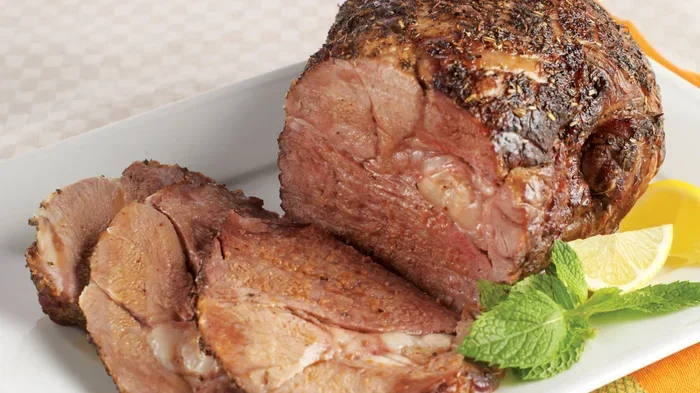
Lamb Roast
Lamb roast is a bit different from beef or pork. It has a unique flavor that pairs well with herbs like rosemary and thyme.
- Weight: 2 to 4 pounds
- Temperature: 325°F
- Cook Time: 2.5 to 3.5 hours
- Target Internal Temp: 145°F for medium-rare, 160°F for medium
Lamb roast benefits from a marinade overnight. This adds flavor and helps tenderize the meat. Place the lamb in the roaster oven with garlic cloves and fresh herbs for a restaurant-quality meal at home.
Temperature Guide for Roaster Oven Roasts
Temperature is just as important as time when cooking a roast. Using the right temperature ensures your meat is safe to eat and cooked to your liking. Here is a detailed temperature guide for roaster oven roast cooking.
Safe Internal Temperatures
The United States Department of Agriculture (USDA) recommends specific internal temperatures for different meats. These guidelines keep you safe from foodborne illness.
- Beef: 145°F for medium-rare, 160°F for medium, 170°F for well done
- Pork: 145°F minimum with a 3-minute rest
- Lamb: 145°F for medium-rare, 160°F for medium
- Poultry: 165°F (not typical for roast but good to know)
Always let your roast rest after cooking. The temperature will rise by about 5 to 10 degrees during resting. This is called carryover cooking. It is an important step that many people overlook.
Low and Slow vs. High Heat
There are two main approaches to cooking a roast in a roaster oven. The low and slow method uses temperatures between 275°F and 325°F. This approach works best for tougher cuts with lots of connective tissue.
The high heat method uses temperatures of 350°F to 375°F. This works well for smaller, tender cuts like beef tenderloin. High heat creates a nice brown crust on the outside while keeping the inside moist.
For most home cooks, the low and slow method is the safer choice. It is more forgiving and produces consistently tender results. If you are new to roaster oven cooking, start with this approach.
Roaster Oven vs Regular Oven for Roasting
You might wonder if a roaster oven really makes a difference compared to a regular oven. The answer is yes, in several ways. Let us compare the two so you can decide which is best for your needs.
Heat Distribution
A roaster oven heats food more evenly than a regular oven. The heating element surrounds the metal pot, creating consistent heat from all sides. In a regular oven, hot air rises, which can create hot spots. This means some parts of your roast may cook faster than others.
Moisture Retention
The tight-fitting lid on a roaster oven traps steam inside. This moisture keeps your roast from drying out. In a regular oven, you often need to add liquid or cover the roast with foil to achieve similar results.
Energy Efficiency
A roaster oven uses less energy than heating a full-size oven. It also preheats faster. If you are cooking a single roast, the roaster oven is the more efficient choice. This is especially true during summer months when you do not want to heat up the kitchen.
Capacity
The main limitation of a roaster oven is size. Most models hold 18 quarts or less. This is plenty for a 3 to 5 pound roast. But if you are cooking for a large family or holiday gathering, a regular oven may be better. You can also cook side dishes like vegetables alongside your roast in a regular oven.
| Feature | Roaster Oven | Regular Oven |
|---|---|---|
| Preheat Time | 5 to 10 minutes | 15 to 20 minutes |
| Moisture Retention | Excellent (sealed lid) | Fair (needs foil or lid) |
| Energy Use | Lower | Higher |
| Capacity | Up to 18 quarts | Large (full oven) |
| Portability | Yes (countertop) | No (built-in) |
| Even Cooking | Very good | Good (can have hot spots) |
Tips for the Perfect Roast Every Time
Even with the right time and temperature, small details can make or break your roast. Here are some expert tips to help you get the best results every time you use your roaster oven.
Bring the Roast to Room Temperature
Take your roast out of the refrigerator 30 to 60 minutes before cooking. This lets it come closer to room temperature. When you put a cold roast into a hot oven, the outside cooks faster than the inside. Room temperature meat cooks more evenly from edge to center.
Season Generously
Do not be shy with your seasoning. Salt, pepper, garlic powder, onion powder, and paprika are great starting points. For deeper flavor, rub the roast with olive oil and herbs the night before. Let it sit in the fridge uncovered overnight. This dries the surface slightly, which helps create a better crust.
Use a Meat Thermometer
A meat thermometer is the single best tool for roasting. Do not rely on time alone. Every roast is different. Insert the thermometer into the thickest part of the meat, avoiding bone or fat. Check the temperature frequently as the roast nears the end of cooking.
Add Liquid to the Roaster Oven
Adding broth, wine, or water to the bottom of the roaster oven creates steam. This steam keeps the roast moist and adds flavor. You can also toss in aromatics like onions, carrots, and celery. As they cook, they infuse the roast with delicious flavor.
Let the Roast Rest
Once your roast reaches the target temperature, take it out and let it rest. Cover it loosely with foil and wait 10 to 15 minutes. During resting, the juices redistribute throughout the meat. If you cut too soon, the juices run out and the roast dries up.
Deglaze for Gravy
After removing the roast, there will be browned bits stuck to the bottom of the roaster oven. Add a cup of broth or water and scrape them up. This creates a flavorful base for gravy. It is an easy step that elevates your entire meal.
Common Mistakes to Avoid
Even experienced cooks make mistakes. Knowing what to avoid helps you achieve better results every time.
Skipping the Preheat
Some people put the roast in a cold roaster oven and then turn it on. This leads to uneven cooking. Always preheat your roaster oven to the desired temperature before adding the roast. Give it at least 10 to 15 minutes to heat up fully.
Opening the Lid Too Often
Every time you open the lid, heat and moisture escape. This slows down cooking and can dry out your roast. Resist the urge to peek. Check the temperature only when necessary, and keep the lid closed otherwise.
Overcooking the Roast
It is easy to go too far. Once the roast reaches the target internal temperature, take it out. The carryover cooking will raise the temperature another few degrees. Overcooked roast becomes dry and tough, no matter how good the cut is.
Not Adjusting for Frozen Roasts
If your roast is frozen, you need to adjust the cook time significantly. A frozen roast can take nearly double the time of a thawed one. For best results, thaw your roast in the refrigerator overnight before cooking.
Using the Wrong Temperature Setting
Some roaster ovens have high, medium, and low settings instead of precise temperature controls. If yours does, use the medium setting for most roasts. Check your owner’s manual for guidance on which setting corresponds to 325°F.
Ignoring the Roast Shape
The shape of your roast affects how it cooks. A thick, compact roast cooks more evenly than a long, flat one. If your roast has uneven thickness, tie it with kitchen twine to create a uniform shape. This promotes even cooking throughout.
How to Store and Reheat Leftover Roast
Roasts make great leftovers. Here is how to store and reheat them properly.
- Refrigerate: Store leftover roast in an airtight container for up to 4 days.
- Freeze: Wrap the roast tightly in foil and freezer bags. It keeps for up to 3 months.
- Reheat: Use the roaster oven or a covered skillet with a splash of broth. Low heat prevents the meat from drying out.
- Slice First: Reheat sliced roast pieces rather than a whole roast. They warm up faster and more evenly.
Leftover roast is perfect for sandwiches, salads, and soups. Do not let any of it go to waste.
Final Thoughts on Roaster Oven Roasting
Mastering how long to cook a roast in a roaster oven is a skill that pays off every time you cook. A roaster oven makes roasting simple, efficient, and forgiving. Whether you are cooking a chuck roast for sandwiches or a tenderloin for a special dinner, the principles remain the same. Choose the right temperature, check the internal temperature with a thermometer, and let your roast rest before serving.
Start with the basic guidelines in this article. As you gain confidence, experiment with different cuts, seasonings, and recipes. Roasting is one of the most satisfying ways to cook a meal. With a roaster oven, you have all the tools you need to succeed. Your family and guests will love the results.
So fire up your roaster oven, pick your favorite roast, and get cooking. The perfect roast is just a few hours away.
Frequently Asked Questions
What is the best temperature to cook a roast in a roaster oven?
The best temperature for most roasts is 325°F. This setting allows the meat to cook evenly and stay juicy. For tougher cuts like chuck roast, you can go as low as 300°F for extra tenderness.
How long does it take to cook a 4 pound roast in a roaster oven?
A 4 pound beef roast typically takes about 3 to 4 hours at 325°F. The exact time depends on the cut of meat and your desired level of doneness. Always use a meat thermometer to check the internal temperature.
Can I cook a frozen roast in a roaster oven?
Yes, but it will take significantly longer. A frozen roast may need 50% more cooking time than a thawed one. For best results, thaw the roast in the refrigerator overnight before cooking.
Do I need to add water to the roaster oven when cooking a roast?
Adding liquid like broth or water is recommended but not required. The liquid creates steam that keeps the roast moist. It also provides a base for making gravy after cooking.
How do I know when my roast is done?
Use a meat thermometer to check the internal temperature. For beef, 145°F is medium-rare, 160°F is medium, and 170°F is well done. Let the roast rest for 10 to 15 minutes after removing it from the oven.
Can I use a roaster oven for vegetables alongside my roast?
Absolutely. Toss vegetables like potatoes, carrots, and onions with olive oil and seasoning. Place them around the roast in the roaster oven. They will cook alongside the meat and absorb the flavorful juices.