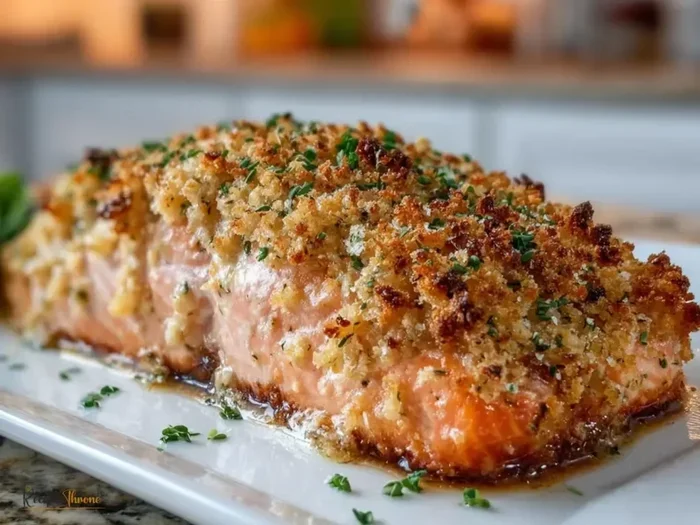
How Long Does It Take to Bake Salmon at 400 in Oven
Learning how long to bake salmon at 400 in oven is simple and fast. Most fillets need just 12 to 18 minutes at 400°F to cook through perfectly. The exact time depends on thickness, skin-on or skinless, and your desired doneness. This guide covers everything you need to know for juicy, flavorful results every single time. Keep reading to master the perfect bake.
There is nothing quite like a perfectly baked salmon fillet. The flesh flakes apart gently. The outside has a light golden glow. And the inside stays moist and tender. If you have been wondering how long to bake salmon at 400 in oven, you are in the right place. This guide gives you clear, reliable answers every time.
Baking salmon at 400 degrees Fahrenheit is one of the most popular methods. It strikes a great balance between speed and flavor. The high heat creates a beautiful crust on the outside. At the same time, it keeps the inside tender and juicy. Whether you are cooking a thin filet or a thick center-cut piece, this temperature works well.
Many home cooks ask about salmon baking time because every fillet is different. Thickness, skin, and starting temperature all play a role. That is why we broke this guide down into simple, easy-to-follow sections. You will learn the exact times, what affects them, and how to avoid common mistakes. By the end, you will feel confident every time you turn on your oven.
Key Takeaways
- Standard Bake Time: Most salmon fillets take 12 to 18 minutes at 400°F
- Thickness Matters: Thicker cuts need more time, thin fillets cook faster
- Internal Temp is Key: Aim for 145°F for safe, perfectly cooked salmon
- Skin-On vs Skinless: Skin-on fillets may need 1-2 extra minutes
- Season Simply: Salt, pepper, olive oil, and lemon bring out the best flavor
- Rest the Fish: Let salmon rest for 3-5 minutes after baking for juicier results
📑 Table of Contents
- How Long to Bake Salmon at 400 in Oven
- What Affects the Baking Time for Salmon
- Step-by-Step Guide to Baking Salmon at 400
- Best Salmon Cuts for Oven Baking at 400
- Seasoning Ideas and Flavor Combinations
- Expert Tips and Common Mistakes to Avoid
- How to Tell When Salmon Is Done
- Frequently Asked Questions
- Conclusion
How Long to Bake Salmon at 400 in Oven
The short answer is 12 to 18 minutes for most fillets. But the full picture is a little more nuanced. Let us break it down by fillet thickness so you can plan your meal with confidence.
Thin Fillets (Less Than 1 Inch)
Thin salmon fillets cook quickly. A fillet that is less than 1 inch thick will typically be done in about 10 to 12 minutes at 400°F. These small pieces are great for weeknight dinners. They also work well for meal prep. You can bake several trays at once without much wait time.
Check the thickest part of the fillet early. You want the flesh to be opaque and flaky. It should still look slightly translucent in the very center if you prefer medium doneness. Pull it out a little early if you like your fish a bit more tender.
Medium Fillets (1 to 1.5 Inches)
This is the most common thickness you will find at the grocery store. Fillets in this range take about 12 to 15 minutes at 400°F. The middle of the fillet needs enough time to heat through without drying out.
Use a meat thermometer for the best results. Insert it into the thickest part of the fish. You are aiming for an internal temperature of 145°F. This is the FDA-recommended safe temperature for fish. At this point, the salmon will be fully cooked but still moist.
Thick Fillets (Over 1.5 Inches)
Thick cuts, like center-cut salmon steaks, need a bit more time. Expect 15 to 20 minutes at 400°F for fillets over 1.5 inches thick. The extra thickness means the heat needs more time to reach the center.
One trick is to start checking at the 15-minute mark. Thick fillets can go from perfectly done to overcooked very fast. The salmon cooking time increases with thickness, but the temperature stays the same. Resist the urge to raise the heat. That will burn the outside before the inside is ready.
What Affects the Baking Time for Salmon
Not all salmon fillets are the same. Several factors change how long your fish needs in the oven. Understanding these variables helps you adjust your bake salmon at 400 approach every time.
Fillet Thickness
This is the biggest factor. A thin fillet cooks much faster than a thick one. If you buy uniform fillets, your timing will be more consistent. But if you buy different sizes, adjust your expectations. A 1-inch fillet and a 2-inch fillet are two completely different cooking projects.
Skin-On vs Skinless
Skin-on fillets take slightly longer to bake. The skin acts as a barrier that slows heat transfer to the flesh. If you are cooking skin-on salmon, add about 1 to 2 minutes to your estimated time. Skinless fillets cook a bit faster because the heat reaches the fish directly.
Starting Temperature of the Fish
Cold salmon straight from the fridge takes longer to bake than fish that is at room temperature. For the most consistent results, take your fillet out about 15 minutes before baking. This small step helps the oven baked salmon cook more evenly from edge to center.
Oven Accuracy
Not all ovens heat exactly to the set temperature. Some run hot. Some run cool. An oven thermometer is a cheap and helpful tool. It tells you the true temperature inside your oven. If your oven runs 10 degrees cool, your salmon baking time might need a small adjustment.
Pan and Foil Usage
Baking on a preheated pan speeds things up slightly. Covering the fillet with foil traps steam and can add a minute or two. Baking uncovered allows more direct heat and can reduce time. Your choice depends on whether you want crispy skin or softer flesh.
| Factor | Effect on Bake Time | Adjustment |
|---|---|---|
| Thin fillet (under 1 inch) | Shorter | Reduce to 10-12 min |
| Medium fillet (1-1.5 inches) | Standard | 12-15 min |
| Thick fillet (over 1.5 inches) | Longer | Increase to 15-20 min |
| Skin-on fillet | Slightly longer | Add 1-2 min |
| Cold fish (from fridge) | Longer | Add 2-3 min or bring to room temp |
| Covered with foil | Slightly longer | Add 1-2 min |
Step-by-Step Guide to Baking Salmon at 400
Follow these simple steps for perfect oven roasted salmon every time. The process is easy and hard to mess up.
Step 1: Preheat Your Oven
Set your oven to 400°F. Let it fully preheat before the salmon goes in. Preheating ensures the oven is at the right temperature from the start. This gives you a more accurate salmon cooking time and better results.
Step 2: Prepare the Fillet
Pat the salmon dry with a paper towel. This helps the skin get crispy if you are leaving it on. Season both sides with salt and pepper. You can also add a light drizzle of olive oil. This helps the seasoning stick and adds moisture during baking.
Step 3: Choose Your Pan
A parchment-lined baking sheet works great. It prevents sticking and makes cleanup easy. You can also use a baking dish or a cast iron skillet. Place the fillet skin-side down if you are baking skin-on salmon. This helps the skin crisp up nicely.
Step 4: Bake and Monitor
Place the pan in the center of the oven. Set a timer for 12 minutes if the fillet is thin. Set it for 15 minutes for medium fillets. Check the fish at the minimum time. Look for opacity in the flesh. Use a meat thermometer to confirm the internal temperature of 145°F.
Step 5: Rest Before Serving
Take the salmon out and let it rest for 3 to 5 minutes. This allows the juices to redistribute. The fish will continue to cook slightly from residual heat. Resting makes the fillet more tender and flavorful when you cut into it.
Quick Tip: If you are baking multiple fillets, arrange them in a single layer with space between each piece. Crowding the pan traps steam and leads to uneven cooking. Give each fillet its own space for the best baked salmon recipe results.
Best Salmon Cuts for Oven Baking at 400
Not all salmon cuts behave the same way in the oven. Some are better suited for baking at 400°F than others. Here is a look at the most popular options.
Center-Cut Fillets
Center-cut fillets are the most popular choice for baking. They come from the thickest part of the fish. This gives you even cooking and a nice, uniform thickness. They are widely available at most grocery stores and fish markets.
These fillets are ideal for how long to bake salmon at 400 in oven because the thickness is predictable. You can plan your timing with confidence. Look for fillets that are about 1 to 1.5 inches thick for the best results.
Skin-On Fillets
Skin-on fillets are excellent for oven baking. The skin protects the delicate flesh during cooking. It also becomes crispy and delicious when baked at 400°F. Many people prefer skin-on because it is easier to handle and adds flavor.
The skin side also acts as a natural barrier. It prevents the fillet from falling apart on the pan. Just make sure to place the fillet skin-side down on your baking sheet. The skin gets crispy while the flesh cooks gently underneath.
Wild-Caught vs Farm-Raised
Wild-caught salmon tends to be leaner than farm-raised. Leaner fillets cook a bit faster and can dry out more easily. Farm-raised salmon has more fat, which keeps it moist during baking. Both types work well at 400°F. You may just need to watch wild-caught fillets a little more closely to prevent overcooking.
Expert Insight: The salmon per pound rule is a helpful guideline. A 6-ounce fillet bakes in about 12 to 15 minutes at 400°F. A 10-ounce fillet may need 15 to 18 minutes. Always check the thickest part of the fish for doneness rather than relying solely on weight.
Seasoning Ideas and Flavor Combinations
Simple seasoning lets the natural flavor of the salmon shine. But a little creativity goes a long way. Here are some easy ideas to try with your oven baked salmon.
Classic Lemon and Herb
This is the go-to combination for a reason. Use fresh lemon juice, olive oil, garlic, and dill. Spread it over the fillet before baking. The lemon cuts through the richness of the fish. The herbs add a fresh, bright flavor. This combination works beautifully with both skin-on and skinless fillets.
Honey Garlic Glaze
Mix honey, minced garlic, soy sauce, and a pinch of red pepper flakes. Brush the glaze on during the last 5 minutes of baking. This creates a sweet and savory crust. The glaze caramelizes in the hot oven and adds a beautiful golden finish to your salmon recipe.
Maple Mustard
Combine maple syrup, Dijon mustard, and a little olive oil. Brush it on before baking. The maple adds sweetness while the mustard brings a tangy kick. This flavor pair is especially good with thicker fillets that can stand up to a stronger glaze.
Simple Salt and Pepper
Do not underestimate the power of simplicity. Good quality salt, fresh black pepper, and a squeeze of lemon can be all you need. This approach lets the natural salmon flavor take center stage. It is perfect when you are cooking high-quality fish and want to taste every bite.
Quick Tip: Apply your seasoning at least 10 minutes before baking. This gives the salt time to draw out a little moisture. The surface will brown better in the oven. You will get a more flavorful crust on your salmon fillet baking results.
Expert Tips and Common Mistakes to Avoid
Even experienced cooks make mistakes when baking salmon. Knowing what to avoid saves time, money, and a good piece of fish. Here are the most common pitfalls and how to steer clear of them.
Common Mistakes
Overcooking the salmon. This is the number one mistake. Salmon continues to cook after you take it out of the oven. Pull it off when it still looks slightly underdone in the very center. The residual heat will finish the job. By the time you serve it, the fish will be perfectly cooked.
Skipping the preheat. Putting salmon into a cold oven throws off your timing. The fish starts cooking slowly and can end up uneven. Always preheat your oven fully before placing the fish inside. This ensures a consistent salmon baking temperature from the first minute.
Using a crowded pan. Overcrowding traps steam and prevents proper browning. Each fillet needs space for hot air to circulate. Give each piece at least an inch of space from the next. This applies whether you are baking two fillets or a full sheet pan.
Not using a thermometer. Guessing doneness leads to inconsistent results. A simple instant-read thermometer takes the guesswork out entirely. Insert it into the thickest part of the fillet. When it reads 145°F, your oven baked salmon is ready.
Expert Tips for Best Results
Line your pan with parchment paper. This prevents sticking and makes cleanup a breeze. Parchment also promotes even browning on the bottom of the fillet. It is a small step that makes a big difference.
Let the salmon come to room temperature. Take it out of the fridge 15 minutes before baking. This reduces the gap between the fish temperature and the oven temperature. The fillet cooks more evenly from edge to center.
Use a silicone baking mat. If you do not have parchment paper, a silicone mat works well. It provides a non-stick surface and promotes even heat distribution. Your baked salmon filet will release easily when it is done.
Save the juices. After baking, tilt the pan slightly and spoon the juices over the fillet before serving. These juices contain flavor and moisture. They add a finishing touch that elevates the dish.
How to Tell When Salmon Is Done
Knowing when your salmon is done is just as important as knowing the time. There are three reliable methods to check doneness.
Use a meat thermometer. This is the most accurate method. Insert the probe into the thickest part of the fillet. When it reads 145°F, the salmon is safe to eat. The flesh should be opaque and flake easily with a fork.
Check the color. Fully cooked salmon has a solid pink color throughout. It should not look translucent or raw in the center. If you see any shiny, translucent areas, the fish needs more time.
Test with a fork. Gently press the thickest part of the fillet with a fork. If the flesh flakes apart easily, it is done. If it still feels firm and resistant, give it a couple more minutes. This tactile method takes practice but becomes second nature over time.
Quick Tip: For medium-rare salmon, pull the fillet out at 125°F internal temperature. Let it rest for 5 minutes. The temperature will rise to about 130°F to 135°F. This gives you a buttery, tender center that many salmon lovers prefer. Just be aware that the FDA recommends 145°F for food safety.
Frequently Asked Questions
Can I bake salmon at 400°F from frozen?
Yes, you can, but it will take longer. Frozen fillets need about 20 to 25 minutes at 400°F. Add 5 to 10 minutes to the standard time. Make sure the internal temperature reaches 145°F before serving. Thawing the salmon first gives you more control over the salmon cooking time and more even results.
How do I get crispy salmon skin in the oven?
Start with a hot pan or baking sheet. Place the fillet skin-side down on a preheated pan. Press gently for the first 30 seconds to prevent curling. Bake uncovered at 400°F. Do not cover with foil, as that traps steam and prevents crispiness. Pat the skin dry before seasoning for the best crispy salmon skin results.
What is the best way to store leftover baked salmon?
Let the salmon cool to room temperature first. Then store it in an airtight container in the refrigerator. It stays fresh for up to 3 days. Reheat gently in the oven at 275°F for about 10 minutes. Avoid microwaving, which can dry out the fish quickly. Proper storage keeps your oven roasted salmon tasting great for days.
Should I bake salmon covered or uncovered?
Uncovered is best for most baked salmon recipes at 400°F. Baking uncovered allows the heat to circulate freely around the fillet. This creates a lightly crisped exterior and a moist interior. If your fillet is very thin or tends to dry out, you can cover it loosely with foil for the first half of baking, then uncover for the last few minutes.
Can I bake salmon on a sheet of aluminum foil?
Yes, you can, and cleanup is much easier. However, foil traps steam and can make the skin soggy. If you want crispy skin, skip the foil or use it only for the first half of cooking. For tender, moist results, wrapping the fillet in foil with a little butter and herbs works wonderfully. This method is great for a more gentle salmon filet baking approach.
How long does baked salmon last in the fridge?
Cooked salmon keeps well in the refrigerator for 3 to 4 days when stored properly. Use an airtight container or wrap it tightly in plastic wrap. Reheat gently to avoid drying it out. If you are meal prepping baked salmon for the week, it makes a great addition to salads, wraps, and bowls throughout the week.
Conclusion
Baking salmon at 400°F is one of the easiest and most rewarding things you can do in the kitchen. The how long to bake salmon at 400 in oven question has a clear answer. Most fillets need 12 to 18 minutes depending on thickness. Thinner pieces cook in about 10 to 12 minutes, while thicker cuts may need up to 20 minutes.
The key to perfect oven baked salmon lies in a few simple practices. Preheat your oven fully. Use a meat thermometer to check for 145°F internal temperature. Let the fish rest for a few minutes before serving. And do not be afraid to pull it out a little early. Residual heat will carry the cooking forward.
With the right timing, seasoning, and attention, you can serve restaurant-quality salmon at home. Experiment with different cuts, flavors, and techniques. Each time you bake, you will get a little more confident. Soon, baking salmon at 400 will feel like second nature. Your family and guests will keep asking for more.
Now that you have all the information you need, it is time to get cooking. Preheat that oven. Grab a fresh fillet. And enjoy the simple pleasure of perfectly baked salmon.