How Long To Cook Small Chicken Wings In Oven Perfectly
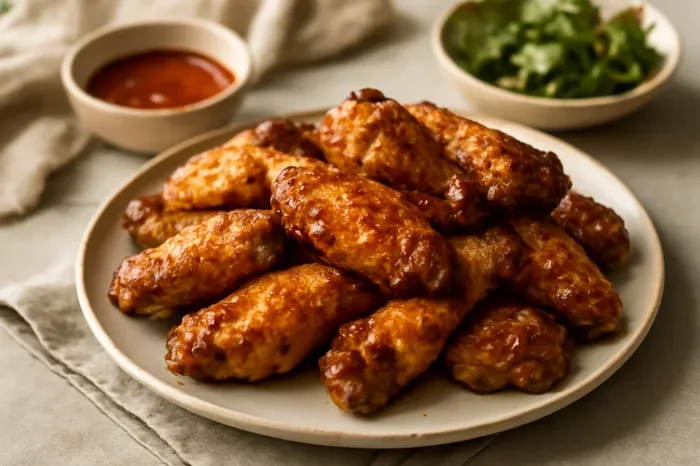
How Long To Cook Small Chicken Wings In Oven depends on oven temperature, wing size, and whether you prefer crispy or tender results. Baking small chicken wings at 400°F to 425°F typically takes 25 to 35 minutes, with a flip halfway through for even browning. This guide covers exact times, temperatures, seasoning tips, and common mistakes so you get perfectly cooked oven baked wings every single time.
There is nothing quite like biting into a perfectly baked chicken wing. The skin is crispy, the meat is juicy, and the flavor is spot on. But getting how long to cook small chicken wings in oven just right can feel tricky. Too short, and the skin stays soggy. Too long, and the meat dries out. This guide solves that problem completely. You will learn exact times, temperatures, and pro tips for oven baked wings that rival any restaurant. Let us get started.
Whether you are feeding a crowd or just want a tasty snack for yourself, baking chicken wings in the oven is the easiest method. No deep fryer needed. No mess. Just a simple oven, a baking sheet, and a little patience. This article covers everything from chicken wing temperature to seasoning ideas and common mistakes. By the end, you will feel confident making crispy chicken wings at home whenever you want.
Key Takeaways
- Optimal Temperature: Bake small chicken wings at 400°F to 425°F for the best balance of crispy skin and juicy meat.
- Cook Time: Most small chicken wings need 25 to 35 minutes, depending on oven and wing size.
- Flip Halfway: Turning wings at the 15-minute mark ensures even cooking and golden color on both sides.
- Internal Temperature: Always check that chicken wings reach 165°F internal temperature for food safety.
- Pat Dry: Drying wings before seasoning is the single biggest secret to crispy skin.
- Avoid Overcrowding: Space wings apart on the baking sheet so hot air circulates freely.
- Rest Before Serving: Let wings rest for 5 minutes after baking to lock in juices.
📑 Table of Contents
- The Best Oven Temperature for Small Chicken Wings
- How Long To Cook Small Chicken Wings In Oven Step by Step
- Tips for Crispy Skin on Baked Chicken Wings
- Seasoning Ideas for Flavorful Chicken Wings
- Common Mistakes to Avoid When Baking Chicken Wings
- How to Tell When Chicken Wings Are Done
- Frequently Asked Questions
- Conclusion
The Best Oven Temperature for Small Chicken Wings
Temperature is the most important factor when baking chicken wings. Set it too low, and the wings steam instead of roast. Set it too high, and the skin burns before the inside cooks through. The sweet spot for small chicken wings is between 400°F and 425°F. At this range, the fat renders slowly, the skin crisps up beautifully, and the meat stays tender.
Why 400°F Works Great
At 400°F, small chicken wings cook evenly without burning. The skin gets golden and crunchy while the inside reaches a safe chicken wing temperature of 165°F. This temperature also gives you a nice buffer. If you get distracted, the wings will not scorch quickly. Most recipes call for 400°F because it is reliable and forgiving.
Why 425°F Gives Faster Results
If you are short on time, bump the oven up to 425°F. The higher heat speeds up the chicken wing cook time by about 5 minutes. The skin crisps faster too. But you need to watch the wings more closely. At 425°F, the difference between perfectly crispy and overcooked is just a few minutes. Set a timer and stay nearby.
What About Lower Temperatures?
Some people bake wings at 350°F or 375°F for a longer, slower cook. This method works, but it takes more time. Wings at 350°F might need 45 to 55 minutes. The skin does not get as crispy either. For the best crispy oven wings, stick with 400°F to 425°F.
| Oven Temperature | Cook Time | Skin Texture | Best For |
|---|---|---|---|
| 350°F | 45 to 55 minutes | Soft, less crispy | Tender, fall-off-the-bone style |
| 375°F | 35 to 45 minutes | Moderately crispy | Balanced texture |
| 400°F | 25 to 35 minutes | Golden and crispy | Most home cooks |
| 425°F | 20 to 30 minutes | Extra crispy | Quick, restaurant-style wings |
How Long To Cook Small Chicken Wings In Oven Step by Step
Now that you know the right temperature, let us talk about the actual process. How long to cook small chicken wings in oven depends on a few factors. But the basic method is simple and hard to mess up. Follow these steps for perfectly baked chicken wings every time.
Step 1: Prep the Wings
Start by patting the wings dry with paper towels. This is the most important step for crispy skin. Moisture is the enemy of crunch. The wetter the wings, the steamier they get in the oven. Remove any excess fat or loose skin pieces. Then place the wings in a large bowl.
Step 2: Season Generously
Add your favorite chicken wing seasoning and toss well. Salt and pepper are the foundation. But you can add garlic powder, paprika, onion powder, or cayenne for extra flavor. A light coating of oil helps the seasoning stick and promotes browning. Toss until every wing is evenly covered.
Step 3: Arrange on the Baking Sheet
Line a baking sheet with parchment paper or aluminum foil. Place the wings in a single layer. Do not overcrowd. Leave space between each wing so hot air flows around them. Overcrowding leads to steamed, soggy skin. If you have a lot of wings, use two baking sheets or bake in batches.
Step 4: Bake and Flip
Place the baking sheet in the preheated oven. Bake for about 15 minutes. Then open the oven and flip each wing. This ensures both sides get crispy. Bake for another 10 to 20 minutes. The total chicken wings oven time will be 25 to 35 minutes at 400°F to 425°F.
Step 5: Check the Internal Temperature
Use a meat thermometer to check the thickest part of the wing. The internal temperature should read 165°F. If not, give them another 3 to 5 minutes. Once done, remove the wings from the oven and let them rest for 5 minutes. This lets the juices redistribute for a juicier bite.
Tips for Crispy Skin on Baked Chicken Wings
Getting crispy skin on oven baked wings is a science and an art. Here are the tips that make the biggest difference. These are the same tricks professional cooks use.
Pat the Wings Dry
We already mentioned this, but it deserves repeating. Dry wings equal crispy wings. Use paper towels and press firmly on every piece. You can even let the wings sit uncovered in the fridge for a few hours or overnight. This dries the skin further and improves texture dramatically.
Use a Wire Rack
Instead of placing wings directly on the baking sheet, use a wire rack set over a sheet pan. The hot air circulates underneath every wing. This prevents the bottom from getting soggy. The result is crispy skin on all sides, not just the top.
Do Not Skip the Flip
Flipping the wings halfway through cooking is essential. One side gets direct heat from the pan, while the other side does not. Flipping ensures both sides brown evenly. Without flipping, you get one crispy side and one pale, soft side.
Baking Powder Trick
For extra crispy skin, toss the wings with a tiny bit of baking powder before seasoning. Baking powder raises the skin’s pH level, which helps it brown faster and get crunchier. Just use a pinch. Too much will make the wings taste soapy. This is a well-known chicken wing recipe trick that works every time.
Avoid Opening the Oven Door Too Much
Every time you open the oven door, heat escapes. This drops the oven temperature and slows down cooking. The skin also steams instead of crisping. Try to only open the door when you need to flip the wings. Trust the process and let the oven do its job.
Seasoning Ideas for Flavorful Chicken Wings
The beauty of baking chicken wings is that you can customize the flavor however you like. Plain salted wings are delicious on their own. But a great seasoning turns simple wings into something unforgettable. Here are some ideas to try.
Classic Buffalo Style
Toss baked wings in hot sauce and melted butter. Add a splash of vinegar and a pinch of garlic powder. This is the traditional buffalo wing flavor that everyone loves. Serve with blue cheese dip and celery sticks.
Sweet and Spicy
Mix honey, sriracha, and a squeeze of lime juice. Brush this glaze on the wings during the last 5 minutes of baking. The honey caramelizes and creates a sticky, sweet-heat coating. This is one of the most popular chicken wing recipes for game day parties.
Garlic Parmesan
Toss warm wings in grated parmesan cheese and minced garlic. Add a drizzle of olive oil and Italian seasoning. The cheese melts into a savory crust that pairs perfectly with a cold drink. This flavor works great for both kids and adults.
Asian Inspired
Mix soy sauce, sesame oil, rice vinegar, and a touch of honey. Toss the wings in this sauce after baking. Sprinkle with sesame seeds and sliced green onions. This gives you homemade chicken wings with an Asian restaurant flavor profile.
Smoky BBQ
Coat wings in your favorite BBQ sauce before the last 10 minutes of baking. Add smoked paprika and a little brown sugar for depth. The sauce caramelizes in the oven and creates a sticky, flavorful glaze. This is perfect for summer cookouts and backyard gatherings.
Common Mistakes to Avoid When Baking Chicken Wings
Even experienced cooks make mistakes when cooking chicken wings in the oven. Avoiding these common errors will level up your wings every time. Here is what to watch out for.
Overcrowding the Pan
This is the number one mistake. When wings are packed too closely together, they steam instead of roast. The skin turns rubbery and pale. Give each wing its own space on the pan. If your sheet is too small, use two pans or bake in two rounds.
Skipping the Dry Step
Going straight from the package to the seasoning without drying the wings is a missed opportunity. Wet skin will not crisp up no matter how hot your oven is. Always take the extra minute to pat them dry thoroughly.
Not Using a Thermometer
Guessing whether wings are done is risky. Undercooked chicken is a food safety hazard. Overcooked chicken is dry and tough. A simple meat thermometer takes the guesswork out completely. Insert it into the thickest part of the wing and look for 165°F.
Using Too Much Sauce Too Early
Adding sauce at the beginning of baking burns it and makes the wings sticky and bitter. Always apply sauce in the last 5 to 10 minutes of cooking. This lets the sauce caramelize without burning and creates a beautiful glaze.
Ignoring the Rest Time
Taking wings straight from the oven to the plate means losing juicy juices. Let them rest for 5 minutes after baking. The meat relaxes, and the juices redistribute. Your wings will be noticeably juicier and more flavorful.
How to Tell When Chicken Wings Are Done
Knowing when small chicken wings are fully cooked is essential. There are three reliable ways to check. Use them together for the best results.
Check the Internal Temperature. This is the most accurate method. Insert a meat thermometer into the thickest part of the wing, avoiding the bone. The reading should be 165°F. If it is below that, keep baking for a few more minutes.
Look at the Color. Well-cooked wings have a deep golden brown color on the skin. If the skin looks pale or pinkish, they need more time. The color alone is not 100% reliable, but it is a good visual indicator.
Check the Juices. When you pierce the thickest part of the wing, the juices should run clear. If they look pink or cloudy, the wings are not done yet. Clear juices are a sign that the chicken has cooked through safely.
Feel the Texture. Gently press the thickest part of the wing with tongs. If it feels firm and springs back, it is likely done. If it feels soft or rubbery, give it more time. This method works best when combined with the thermometer check.
Frequently Asked Questions
Can I cook frozen chicken wings in the oven?
Yes, you can. Frozen wings will need extra time, usually around 45 to 55 minutes at 400°F. Make sure to pat them dry and season them before baking. The internal temperature must still reach 165°F. It is best to thaw them first if you have time, but cooking from frozen works in a pinch.
What is the best way to make chicken wings crispy without a deep fryer?
Baking at a high temperature of 400°F to 425°F is the best way. Pat the wings dry, use a wire rack, and flip them halfway through. A light coating of oil and a pinch of baking powder also help achieve crispy skin. These simple steps give you crispy chicken wings that rival deep-fried ones.
Should I cover chicken wings with foil while baking?
No, do not cover wings with foil. Foil traps moisture and prevents the skin from crisping. Leave the wings uncovered so the hot air circulates freely around them. The only exception is if your wings are browning too quickly on top. In that case, loosely tent with foil for the last few minutes only.
How do I store leftover baked chicken wings?
Let the wings cool completely, then store them in an airtight container in the refrigerator. They will keep for up to 3 to 4 days. To reheat, place them in the oven at 375°F for 10 to 15 minutes. This restores the crispy skin better than a microwave. Avoid storing them with sauce if possible, as the moisture softens the skin.
Can I bake chicken wings on a convection oven?
Absolutely. Convection ovens circulate hot air, which cooks wings more evenly and crispily. Reduce the temperature by 25°F and check for doneness a few minutes early. Convection baking is excellent for achieving crispy skin on oven baked wings with less monitoring.
Why are my baked chicken wings not crispy?
The most common reason is moisture. If the wings were not patted dry before baking, the skin will steam instead of crisp. Overcrowding the pan also causes sogginess. Make sure your oven is fully preheated before adding the wings. And always flip them halfway through for even browning on both sides.
Conclusion
Baking small chicken wings in the oven is one of the easiest and most satisfying things you can cook at home. With the right temperature, timing, and a few simple tricks, you can achieve crispy, juicy wings that everyone will love. Remember to pat the wings dry, season them well, and bake at 400°F to 425°F for 25 to 35 minutes. Flip them halfway through and always check the internal temperature with a thermometer.
How long to cook small chicken wings in oven is a question with a simple answer once you know the variables. Size, temperature, and method all play a role. But now you have all the information you need to get it right every single time. Try different seasonings, experiment with wire racks, and find your perfect style.
The next time you crave wings, skip the takeout and fire up your oven. Homemade chicken wings are healthier, cheaper, and taste better when made with care. Share them with friends, serve them at parties, or enjoy them as a quiet weeknight snack. Once you master the basics, you will never go back to store-bought wings again. Happy baking, and enjoy every crispy bite.