How To Cook Frozen Peppers And Onions In The Oven Easily
Cooking frozen peppers and onions in the oven is one of the simplest ways to add flavor to any meal. This guide shows you exactly how to roast them to perfection with minimal effort. You will learn the best temperatures, timing, and tips for crispy, caramelized results every time. Frozen peppers and onions save time and reduce food waste while still delivering amazing taste. Whether you are meal prepping or cooking a quick side dish, this method works beautifully.
There is something incredibly satisfying about opening your freezer and pulling out a bag of frozen peppers and onions. These handy veggies are always ready when you need them. Yet many people wonder whether cooking them from frozen actually works well. The short answer is yes, and it works beautifully.
Cooking frozen peppers and onions in the oven is one of the easiest kitchen skills you can learn. You do not need to thaw them first. You do not need any special equipment. All you need is a baking sheet, a hot oven, and a few minutes of your time. In this guide, we will walk you through everything you need to know to get perfect results every single time.
Whether you are a busy parent looking for quick side dishes, a college student learning to cook, or someone who wants to reduce food waste, this method is for you. Frozen vegetables often get a bad reputation, but the truth is they are picked at peak ripeness and flash frozen to lock in nutrients. When you cook them correctly in the oven, the results can rival fresh produce every time.
Key Takeaways
- Easy Prep: Cooking frozen peppers and onions in the oven requires almost no preparation.
- Perfect Texture: Roasting at the right temperature gives you crispy edges and tender centers.
- Time Saver: Skip thawing and go straight from freezer to oven for faster meals.
- Versatile Use: Roasted frozen veggies work in dozens of recipes from stir fry to casseroles.
- Nutrient Retention: Oven roasting preserves more vitamins than boiling or frying.
- Low Effort, High Reward: Minimal hands-on time with maximum flavor output.
📑 Table of Contents
- Why Cooking Frozen Peppers And Onions In The Oven Is A Great Idea
- What You Need Before You Start
- Step-By-Step Guide To Cooking Frozen Peppers And Onions In The Oven
- Best Oven Temperatures And Cooking Times
- Delicious Ways To Use Your Cooked Frozen Peppers And Onions
- Common Mistakes To Avoid When Cooking Frozen Peppers And Onions
- Quick Tips For Perfect Results Every Time
- Expert Insights On Cooking Frozen Vegetables In The Oven
- How To Store And Reheat Cooked Frozen Peppers And Onions
- Conclusion
Why Cooking Frozen Peppers And Onions In The Oven Is A Great Idea
You might be wondering why you should bother roasting frozen veggies in the oven instead of just tossing them into a pan on the stove. There are actually several really good reasons. Let us break them down.
Convenience And Time Savings
Life gets busy. Between work, family, and everything else on your plate, the last thing you want to do is spend twenty minutes chopping and preping vegetables. Frozen peppers and onions come pre-chopped and ready to go straight from the freezer. This means you can whip up a healthy side dish in less than thirty minutes without any fuss.
When you cook them in the oven, you also get your hands free. Unlike stovetop cooking where you need to stand and stir, oven roasting lets you set a timer and walk away. You can prep the rest of your meal, help the kids with homework, or simply relax while the oven does the work for you.
Better Flavor Development
One of the biggest advantages of using the oven is something called the Maillard reaction. This is a fancy term for the browning process that creates deep, complex flavors. When you roast frozen vegetables at high heat, the natural sugars in the onions and peppers caramelize. This gives you a sweet, rich flavor that is hard to achieve with stovetop cooking.
The edges get crispy and slightly charred, while the centers stay tender and juicy. This textural contrast is something that makes oven-roasted veggies so addictive. Once you try it, you will never go back to plain boiled or steamed vegetables again.
Nutritional Benefits
Many people do not realize that frozen vegetables are often more nutritious than fresh ones sitting in the grocery store produce aisle. Fresh veggies can lose nutrients during shipping and storage. Frozen veggies, on the other hand, are flash frozen right after harvesting, which locks in vitamins and minerals.
Roasting in the oven is also one of the healthiest cooking methods. You do not need to add much oil. You do not lose nutrients into cooking water the way you do with boiling. The result is a nutrient-dense side dish that supports a healthy diet without sacrificing taste.
Meal Prep Friendly
If you are into meal prep, you will love how well roasted frozen vegetables store. You can cook a big batch on Sunday and use them throughout the week. They work great in lunches, dinners, and even breakfasts. Toss them into scrambled eggs, fold them into wraps, or add them to grain bowls. The possibilities are truly endless.
What You Need Before You Start
One of the best things about this method is how little you need. You probably already have everything in your kitchen right now. Here is a quick rundown of what you will want to gather before you get started.
Ingredients
- Frozen peppers and onions — You can use a pre-mixed bag or freeze your own chopped veggies.
- Olive oil or cooking spray — Just a light coating helps with browning and crispiness.
- Salt and pepper — Basic seasonings that bring out the natural flavors.
- Optional seasonings — Garlic powder, paprika, cumin, or Italian herbs all work wonderfully.
Equipment
- Baking sheet — A rimmed sheet pan works best to prevent any spills in the oven.
- Parchment paper or silicone mat — These make cleanup a breeze and prevent sticking.
- Oven — Any standard home oven will work perfectly for this task.
- Spatula or tongs — Useful for flipping the veggies halfway through cooking.
That is really it. You do not need any special tools or expensive equipment. The simplicity of this method is part of what makes it so appealing for everyday cooking.
Step-By-Step Guide To Cooking Frozen Peppers And Onions In The Oven
Now let us get into the fun part. Here is a clear, simple process you can follow every time you want to roast frozen peppers and onions in the oven.
Step 1: Preheat Your Oven
Start by preheating your oven to 425°F (220°C). Getting the oven up to temperature before your veggies go in is really important. A hot oven ensures the peppers and onions start caramelizing immediately rather than steaming and getting soggy.
If you are using a convection oven, you can drop the temperature by about 25 degrees. The fan circulates hot air more efficiently, so things cook a bit faster and more evenly.
Step 2: Prepare Your Baking Sheet
Line your baking sheet with parchment paper or a silicone baking mat. This is a small step that makes a huge difference when it comes to cleanup. Frozen vegetables can release a lot of moisture, and without parchment, they may stick to the pan.
If you prefer not to use parchment, a light coat of cooking spray on the sheet will also prevent sticking. Just make sure the coating is even and thin.
Step 3: Spread The Vegetables On The Sheet
Take your bag of frozen peppers and onions straight from the freezer. Do not thaw them first. Spread them out in a single layer on the prepared baking sheet. This is the step where most people make a mistake.
If you crowd the veggies too closely together, they will steam instead of roast. You want each piece to have some space so hot air can circulate around it. If you have a large batch, use two baking sheets or cook in two rounds.
Step 4: Add Oil And Seasoning
Drizzle a small amount of olive oil over the vegetables. You do not need much — just enough to lightly coat them. Use your hands or a spatula to toss the veggies gently so the oil spreads evenly.
Now add your seasonings. A generous pinch of salt and black pepper is the foundation. From there, feel free to get creative. A sprinkle of garlic powder adds depth. Smoked paprika gives a nice warmth. Fresh or dried herbs like thyme and oregano work beautifully too.
Step 5: Roast In The Oven
Place the baking sheet in the preheated oven on the middle rack. Set a timer for 20 to 25 minutes. Halfway through, pull the tray out and use a spatula to flip or toss the vegetables. This ensures even browning on all sides.
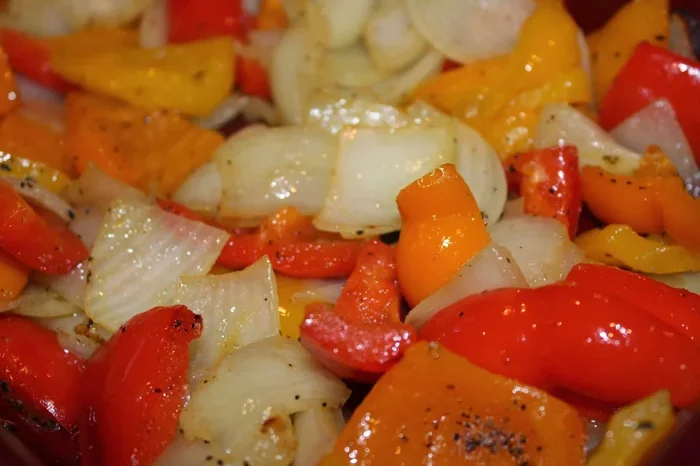
You will know they are done when the edges are golden brown and slightly crispy. The onions should be soft and sweet, and the peppers should have a nice char. The total cooking time may vary depending on your oven and how frozen the veggies were, so keep an eye on them during the last few minutes.
Step 6: Serve And Enjoy
Once they are done, remove the baking sheet from the oven. Let the vegetables cool for a couple of minutes before serving. They will continue to firm up slightly as they cool, which gives you a nice texture.
Serve them as a side dish, mix them into pasta, add them to a wrap, or enjoy them straight off the pan. Oven roasted vegetables taste great at any temperature, so leftovers make an excellent addition to lunches throughout the week.
Best Oven Temperatures And Cooking Times
The temperature and timing can make or break your roasted frozen vegetables. Too low and they will steam and get mushy. Too high and they may burn before the centers thaw properly. Here is a detailed breakdown to help you get it just right.
Temperature Guide
425°F (220°C) is the sweet spot for most frozen peppers and onions. This high heat promotes quick caramelization and browning without overcooking the interior. It is the temperature most chefs and cooking experts recommend for roasting vegetables.
If you prefer a slower, more gentle roast, you can drop the temperature to 400°F (200°C). This works well if you are cooking a larger volume and want more even cooking throughout. Just add a few extra minutes to the cook time.
For those who like extra crispy edges, try 450°F (230°C). Just watch them closely because they can go from perfectly crispy to burnt quickly at this higher temperature.
Time Chart For Different Quantities
- Small batch (1-2 cups): 18-22 minutes at 425°F
- Medium batch (2-4 cups): 22-28 minutes at 425°F
- Large batch (4+ cups): 25-35 minutes at 425°F, tossing halfway
These times are guidelines. Your oven may run hotter or cooler than the dial shows. The best way to know when they are ready is to look for golden brown edges and taste a piece. When they are tender with a slight crisp, they are done.
Delicious Ways To Use Your Cooked Frozen Peppers And Onions
Once you master the basic roasting technique, the real fun begins. Roasted frozen vegetables are incredibly versatile and can be used in so many different dishes. Here are some of our favorite ideas to inspire you.
Add Them To Breakfast
Chopped roasted peppers and onions are a fantastic addition to scrambled eggs or an omelet. They add color, flavor, and nutrition to your morning meal. You can also mix them into a breakfast burrito or spread them on toast with avocado and a fried egg on top.
Toss Them Into Pasta
Warm up your roasted veggies and toss them with spaghetti, penne, or any pasta you have on hand. Add some olive oil, a sprinkle of parmesan cheese, and fresh basil for a simple but delicious meal. This works especially well with penne arrabbiata or a creamy garlic pasta.
Build A Grain Bowl
Grain bowls are all the rage right now, and for good reason. Start with a base of rice, quinoa, or couscous. Add your oven roasted peppers and onions on top. Then layer on some protein like grilled chicken, chickpeas, or tofu. Finish with a drizzle of tahini or your favorite dressing.
Use Them In Sandwiches And Wraps
Roasted vegetables take sandwiches and wraps to the next level. They add a depth of flavor that raw veggies simply cannot match. Try them in a grilled cheese, a turkey club, or a veggie wrap with hummus and spinach.
Mix Them Into Casseroles And Bakes
If you are making a casserole, quiche, or frittata, chopped roasted peppers and onions blend right in. They cook evenly with everything else and add a wonderful savory-sweet flavor throughout the dish.
Common Mistakes To Avoid When Cooking Frozen Peppers And Onions
Even though this is a simple process, there are a few common pitfalls that can lead to disappointing results. Here is what to watch out for.
Thawing Before Cooking
One of the biggest mistakes people make is thawing their frozen peppers and onions before putting them in the oven. This releases a lot of extra moisture, which leads to steaming instead of roasting. The result is soggy, limp vegetables instead of crispy, caramelized ones. Just go straight from the freezer to the oven.
Overcrowding The Pan
We mentioned this earlier, but it is worth repeating. If you pack too many veggies onto one baking sheet, they will not get enough air circulation. This creates steam and prevents browning. Give each piece some space and use multiple sheets if needed.
Skipping The Oil
Some people try to cook frozen vegetables without any oil to cut calories. While this is possible, it usually leads to dry, tough veggies that lack flavor. A light coating of oil helps conduct heat evenly and promotes browning. If you are watching your fat intake, a cooking spray is a great compromise.
Not Seasoning Enough
Frozen vegetables can taste bland if you do not season them properly. Salt is essential for bringing out natural flavors. Do not be shy with your seasonings. Roasted veggies can handle bold flavors, so experiment with different spices and herbs to find combinations you love.
Forgetting To Toss Midway
If you just set the timer and forget about the tray, you may end up with unevenly cooked vegetables. The pieces on the bottom of the pan will cook faster than those on top. Tossing or flipping them halfway through ensures everything cooks evenly and gets that beautiful golden color all around.
Quick Tips For Perfect Results Every Time
- Use a rimmed baking sheet to prevent any oil or vegetable juices from spilling in the oven.
- Let the oven fully preheat before adding your veggies. This makes a noticeable difference in browning.
- Pat frozen veggies dry with a paper towel if they seem very icy. Excess ice can create extra steam.
- Add a splash of vinegar after roasting for a tangy flavor boost that pairs great with onions.
- Store leftovers in an airtight container in the fridge for up to five days. Reheat in the oven or microwave.
- Freeze your own peppers and onions by chopping fresh ones and spreading them on a tray before bagging. This prevents clumping.
Expert Insights On Cooking Frozen Vegetables In The Oven
Professional chefs and nutritionists alike agree that frozen vegetables are a fantastic kitchen staple. Chef Michael Chiarello once noted that frozen vegetables are often better than fresh produce that has been sitting on a shelf for days. The flash freezing process locks in nutrients at peak freshness.
Nutritionist Dr. Megan Rossi emphasizes that variety in vegetable intake matters more than whether the veggies are fresh or frozen. She recommends keeping a mix of fresh and frozen options on hand to ensure you always have nutritious ingredients available for quick, healthy meals.
The key takeaway from experts is simple: do not underestimate your freezer. With the right cooking technique — like roasting in a hot oven — you can transform simple frozen peppers and onions into a delicious, restaurant-quality side dish in under half an hour.
How To Store And Reheat Cooked Frozen Peppers And Onions
If you cooked more than you needed or want to save some for later, proper storage is important. Let us cover the best ways to keep your roasted veggies fresh.
Storing Leftovers
Allow the cooked vegetables to cool completely before storing them. Place them in an airtight container or a zip-lock freezer bag. In the refrigerator, they will keep for up to five days. In the freezer, they can last for up to three months.
Reheating Tips
The best way to reheat roasted vegetables is in the oven at 350°F for about 10 minutes. This helps maintain the crispy texture. You can also reheat them in a microwave, but be aware that the microwave tends to make them a bit softer and less crispy.
If you are reheating from frozen, spread them on a baking sheet and warm them in the oven at 375°F for 15 to 20 minutes. This restores much of the original texture and flavor.
Conclusion
Cooking frozen peppers and onions in the oven is one of the easiest, most practical cooking skills you can add to your repertoire. It saves time, reduces waste, and delivers delicious results with minimal effort. From the moment you preheat the oven to the moment you take that first bite of golden, caramelized veggies, the process is simple and rewarding.
You now know the best temperatures, the right timing, and all the common mistakes to avoid. You have plenty of ideas for using your roasted veggies in breakfasts, lunches, dinners, and snacks. The beauty of this method is that once you try it, you will wonder how you ever cooked without it.
So the next time you pull a bag of frozen peppers and onions out of the freezer, do not think of it as a shortcut. Think of it as a smart, efficient way to get a nutritious, flavorful side dish on the table in no time. Your oven is ready. Your veggies are waiting. Get cooking and enjoy every bite.
Frequently Asked Questions
Do I Need To Thaw Frozen Peppers And Onions Before Putting Them In The Oven?
No, you do not need to thaw them first. Cooking them straight from the freezer actually gives you better results. The dry cold helps the vegetables caramelize and crisp up in the hot oven. Thawing them releases extra moisture, which can make them soggy instead of crispy.
What Is The Best Temperature To Cook Frozen Peppers And Onions In The Oven?
The best temperature is 425°F (220°C). This high heat promotes quick browning and caramelization while cooking the vegetables through evenly. If you have a convection oven, you can lower it slightly to 400°F for more even cooking.
How Long Does It Take To Cook Frozen Peppers And Onions In The Oven?
It typically takes 20 to 30 minutes depending on the quantity and your oven. A small batch may be done in 18 minutes, while a larger batch might need up to 35 minutes. The best indicator is golden brown edges and tender, caramelized centers.
Can I Add Other Vegetables Along With Frozen Peppers And Onions?
Absolutely. You can mix in frozen broccoli, zucchini, mushrooms, or even sweet potatoes. Just keep in mind that different vegetables may have different cooking times. Cut denser veggies into smaller pieces so they cook at the same rate as the peppers and onions.
How Should I Store Leftover Roasted Peppers And Onions?
Let them cool completely, then store them in an airtight container in the refrigerator for up to five days. You can also freeze them for up to three months. Reheat in the oven at 350°F for best texture, though the microwave works in a pinch.
Are Frozen Peppers And Onions As Healthy As Fresh Ones?
Yes, they are just as healthy, and in some cases even more nutritious. Frozen vegetables are picked at peak ripeness and flash frozen immediately, which locks in vitamins and minerals. Fresh produce can lose nutrients during shipping and storage on grocery shelves.
=== CONCLUSION ===
Cooking frozen peppers and onions in the oven is a simple, fast, and delicious way to add nutritious vegetables to any meal. With just a baking sheet, some olive oil, and a hot oven, you can create perfectly caramelized, crispy-edged veggies that taste amazing. This method saves time, reduces food waste, and works beautifully for meal prep or everyday cooking.
Remember the key points: keep the oven at 425°F, spread the veggies in a single layer, and do not skip the toss halfway through. Avoid the common mistakes like overcrowding the pan or thawing before cooking. With these tips in mind, you will get great results every time.
Now that you know how easy this is, there is no excuse not to try it. Grab a bag of frozen peppers and onions from your freezer, preheat the oven, and enjoy a healthy, flavorful side dish tonight. Your taste buds — and your busy schedule — will thank you.