How To Cook Salmon Bites In The Oven With Simple Steps
Learning how to cook salmon bites in the oven is easier than you think. This guide walks you through every step with clear instructions and helpful tips. You will discover the best temperature, timing, and seasoning tricks for perfect results. Whether you are a beginner or a home cook, these methods work every time. Follow along and enjoy restaurant-quality salmon bites from your own kitchen.
Key Takeaways
- Simple Process: Making oven-baked salmon bites requires just a few ingredients and minimal prep time.
- Perfect Temperature: Baking at 400°F gives you crispy outside and tender inside every time.
- Versatile Recipe: You can customize flavors with glazes, spices, and marinades to suit any taste.
- Healthy And Delicious: Salmon bites are packed with omega-3s and protein, making them a great dinner option.
- Quick Cooking: Most salmon bites cook in just 12 to 15 minutes, so dinner is fast.
- Easy To Store: Leftover baked salmon bites keep well in the fridge and reheat beautifully.
📑 Table of Contents
- Why Baked Salmon Bites Are Everyone’s Favorite
- What You Will Need To Make Perfect Salmon Bites
- Step-By-Step Guide On How To Cook Salmon Bites In The Oven
- Tips For The Best Crispy Salmon Bites
- Variations And Flavor Combinations For Your Salmon Bites
- Serving Ideas And Pairings For Your Salmon Bites
- Common Mistakes To Avoid When Baking Salmon Bites
- Expert Insights On Perfect Oven-Baked Salmon
- How To Store And Reheat Leftover Salmon Bites
- Conclusion
Why Baked Salmon Bites Are Everyone’s Favorite
Salmon is one of the most popular fish choices for home cooks. It is flavorful, healthy, and incredibly versatile. When you cut salmon into small bites and bake them in the oven, you get a dish that works for any occasion. How to cook salmon bites in the oven is a question many beginners ask, and the answer is simpler than you might expect.
Baked salmon bites are perfect for weeknight dinners, game day snacks, or dinner parties. They cook fast, they look beautiful on a plate, and they pair well with almost anything. Plus, salmon is loaded with omega-3 fatty acids and protein, which makes it a smart choice for your health. Oven-baked salmon bites also give you that satisfying crispy edge without the extra oil you need for frying.
Another great thing about baked salmon bites is that they are very forgiving. You do not need to be a skilled chef to make them well. Even if you overcook them slightly, they still taste wonderful. That makes this dish one of the best options for anyone who wants to cook fish at home without stress.
What You Will Need To Make Perfect Salmon Bites
Before you start, let’s talk about what you need. Having the right ingredients and tools makes the whole process smoother. Here is a simple list to get you ready.
Ingredients For Basic Salmon Bites
- Fresh salmon fillet — about 1 pound, skin removed
- Olive oil — 2 tablespoons for moisture and browning
- Garlic — 2 cloves, minced finely
- Lemon juice — fresh juice from half a lemon
- Salt and black pepper — to taste
- Paprika — half a teaspoon for color and warmth
- Honey or maple syrup — 1 tablespoon for a touch of sweetness
Tools You Will Need
- A sharp knife and cutting board
- A mixing bowl for the marinade
- A baking sheet lined with parchment paper
- A spatula for flipping the bites
- An oven thermometer to check temperature accuracy
Using a fresh salmon fillet makes a big difference in flavor and texture. Frozen salmon works too, but make sure you thaw it completely in the fridge overnight. Pat the fish dry with a paper towel before cutting. This step helps the salmon get crispy instead of steaming in its own moisture.
Step-By-Step Guide On How To Cook Salmon Bites In The Oven
Now let’s get to the fun part. How to cook salmon bites in the oven comes down to a few simple steps. Follow this guide and you will have delicious results every single time.
Step 1: Preheat Your Oven
Start by preheating your oven to 400°F. This is the sweet spot for baking salmon. It is hot enough to create a nice sear on the outside while keeping the inside moist and tender. If you have an oven thermometer, use it. Many ovens run a few degrees off, and knowing the true temperature helps you cook more accurately.
Step 2: Cut The Salmon Into Bite-Sized Pieces
Take your salmon fillet and cut it into cubes that are about 1.5 inches wide. Try to make them all the same size so they cook evenly. Uneven pieces mean some will be overdone while others are still raw in the center. Use a sharp knife and make clean cuts for the best results.
Step 3: Prepare The Marinade
In a mixing bowl, combine olive oil, minced garlic, lemon juice, salt, pepper, paprika, and honey. Whisk everything together until it forms a smooth mixture. Place the salmon cubes into the bowl and toss them gently until every piece is coated. Let the salmon marinate for at least 15 minutes. If you have more time, 30 minutes in the fridge works even better.
Step 4: Arrange On The Baking Sheet
Line a baking sheet with parchment paper or a silicone mat. Place the salmon bites in a single layer with space between each piece. Do not crowd the pan. Overcrowding traps steam and prevents the salmon from getting crispy on the edges. Leave about half an inch between each bite.
Step 5: Bake And Watch The Timer
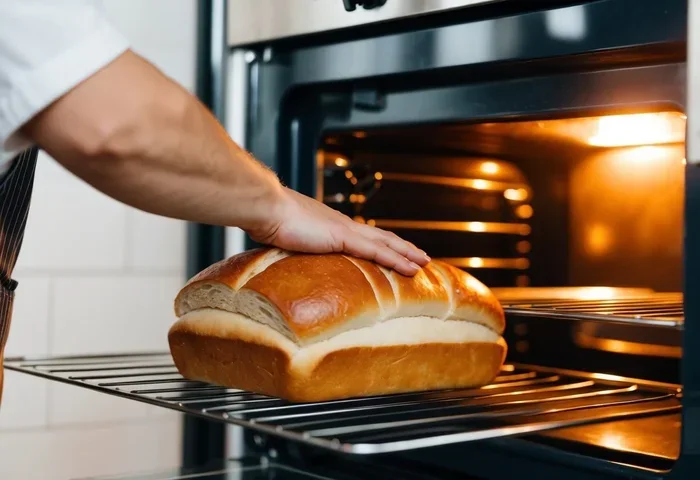
Put the baking sheet on the middle rack of your oven. Bake the salmon bites for 12 to 15 minutes at 400°F. The exact time depends on the size of your cubes and how done you like your salmon. At 12 minutes, the bites will still be slightly translucent in the center for a silky texture. At 15 minutes, they will be fully flaky and firm.
Step 6: Check For Doneness
Use a fork to gently press the thickest piece. If it flakes apart easily and is opaque pink throughout, it is done. You can also use a meat thermometer. The internal temperature should reach 145°F at the thickest point. Remove the pan from the oven and let the bites rest for two minutes before serving.
Tips For The Best Crispy Salmon Bites
Getting the perfect texture on your crispy salmon bites is all about small details. Here are some pro tips that make a real difference.
Pat The Salmon Dry Before Seasoning
This is the single most important tip. Moisture is the enemy of crispiness. When you pat the salmon dry with paper towels before marinating, the surface can brown and crisp up in the oven. Wet salmon steams instead of roasting, and you end up with a soft, pale exterior.
Do Not Skip The Parchment Paper
Parchment paper prevents sticking and promotes even airflow around each piece. It also makes cleanup a breeze. If you do not have parchment, a light coat of oil on the baking sheet works too. Avoid using wax paper, as it can stick to the salmon and melt in the heat.
Let The Oven Preheat Fully
Many people put food in the oven before it reaches the target temperature. This extends cooking time and leads to uneven results. Wait until the oven beeps or shows it has reached 400°F before placing the salmon inside. A fully preheated oven gives you that beautiful golden crust right from the start.
Flip The Bites Halfway Through
For the crispiest results, use a spatula to gently flip each salmon bite at the 6-minute mark. This ensures both sides get equal exposure to the heat. If you skip this step, one side may be darker than the other. Use a thin spatula so you do not break the bites apart.
Rest The Salmon After Baking
Letting the salmon bites rest on the pan for a couple of minutes after removing them from the oven allows the juices to redistribute. This makes each bite more flavorful and moist. Cutting into them right away can cause the juices to run out, leaving the fish a bit dry.
Quick Tips For Success
- Use room-temperature salmon for more even cooking.
- Do not make the cubes too small or they will dry out quickly.
- Add a sprinkle of sesame seeds before baking for extra crunch.
- Brush the bites with extra marinade halfway through for a glossy finish.
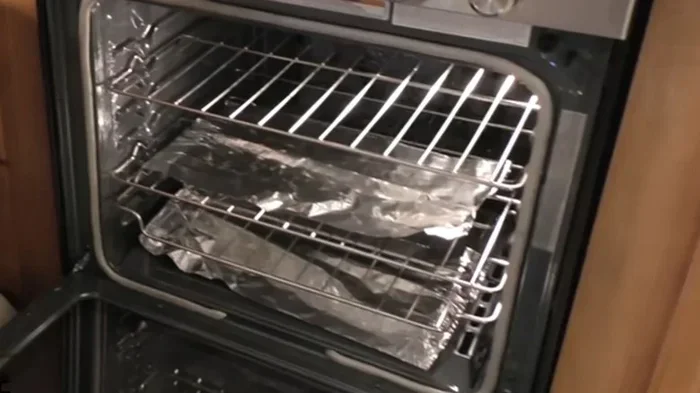
- Line the baking sheet with foil for even easier cleanup.
Variations And Flavor Combinations For Your Salmon Bites
One of the best things about how to cook salmon bites in the oven is how customizable the recipe is. Once you master the basic method, you can experiment with different flavors. Here are some delicious variations to try.
Honey Garlic Glazed Salmon Bites
Mix 2 tablespoons of honey, 3 minced garlic cloves, 1 tablespoon of soy sauce, and a teaspoon of ginger. Brush this glaze over the salmon bites during the last 3 minutes of baking. The result is a sticky, sweet, and savory coating that everyone loves. This version works great as an appetizer or a main dish.
Lemon Herb Salmon Bites
Zest one lemon and mix it with chopped fresh dill, parsley, and a tablespoon of butter. Toss the salmon cubes with this mixture before baking. The herbs add a bright, fresh flavor that pairs perfectly with the rich taste of salmon. This is a lighter option that feels elegant and simple at the same time.
Spicy Cajun Salmon Bites
For those who like a kick of heat, mix Cajun seasoning with a little olive oil and coat the salmon pieces generously. Add a pinch of cayenne pepper if you want extra spice. These spicy salmon bites are fantastic served with a cool yogurt dipping sauce to balance the heat.
Teriyaki Glazed Salmon Bites
Use store-bought or homemade teriyaki sauce as your marinade. The sweetness of the soy sauce and brown sugar caramelizes beautifully in the oven. These bites have an Asian-inspired flavor profile and go wonderfully with steamed rice and stir-fried vegetables.
Parmesan Crusted Salmon Bites
Mix grated Parmesan cheese with breadcrumbs, Italian seasoning, and a little olive oil. Press this mixture gently onto each salmon cube before baking. The cheese forms a golden, crunchy crust that adds a wonderful texture contrast to the soft fish inside.
Serving Ideas And Pairings For Your Salmon Bites
Baked salmon bites are delicious on their own, but pairing them with the right sides takes the meal to the next level. Here are some ideas for serving your salmon bites recipe in the most satisfying way.
Best Side Dishes
- Roasted vegetables — asparagus, broccoli, or zucchini roasted in the same oven
- Rice pilaf — a light and fluffy rice dish soaks up the salmon juices perfectly
- Mashed potatoes — creamy and comforting, a classic pairing
- Fresh green salad — a simple mixed greens salad with lemon vinaigrette
- Coleslaw — crunchy and tangy, it adds a nice contrast to the warm salmon
- Crusty bread — perfect for soaking up any remaining sauce or glaze
Dipping Sauces That Work Well
- Garlic aioli — mix mayo with minced garlic and a squeeze of lemon
- Honey mustard sauce — sweet and tangy, a crowd favorite
- Sriracha mayo — for those who enjoy a little heat with their salmon
- Yogurt dill sauce — Greek yogurt mixed with fresh dill and a pinch of salt
- Sweet chili sauce — store-bought works great and adds a fruity kick
Healthy salmon bites make an excellent lunch or light dinner option. They also work wonderfully as a party appetizer. Serve them on small skewers or in little cups with a dipping sauce on the side. Your guests will think you spent hours in the kitchen, but the truth is these bites come together in under 30 minutes.
Common Mistakes To Avoid When Baking Salmon Bites
Even though how to cook salmon bites in the oven is straightforward, a few common mistakes can ruin the result. Here is what to watch out for.
Using Too High A Temperature
Some people crank the oven up to 450°F or higher, thinking it will make the salmon crispier. In reality, temperatures above 425°F often dry out the fish before the outside has a chance to develop a proper crust. Stick with 400°F for the best balance of crispy edges and moist, tender centers.
Overcrowding The Pan
It is tempting to fit as many salmon bites as possible onto one sheet. But when pieces touch or overlap, they steam instead of roast. You lose the crispy texture you are going for. Use two baking sheets if needed. The extra dishwashing is worth the better result.
Skipping The Resting Time
Fresh out of the oven, the salmon is incredibly hot and delicate. Cutting into it immediately causes the juices to escape, leaving the bites dry. Give them just two minutes to settle, and you will notice a big difference in moisture and flavor.
Using Frozen Salmon Without Proper Thawing
If you are using frozen fish, always thaw it completely before cutting and cooking. Cooking salmon from a partially frozen state leads to uneven cooking. Some pieces will be overdone while others are still icy in the middle. Plan ahead and move the salmon to the fridge the night before you want to cook it.
Not Seasoning Enough
Salmon has a delicate flavor that benefits from a little seasoning. Plain baked salmon can taste a bit bland if you do not add enough salt, acid, or aromatics. Do not be shy with the garlic, lemon, and herbs. They enhance the natural flavor of the fish without masking it.
Expert Insights On Perfect Oven-Baked Salmon
Professional chefs and home cooking experts agree on a few key principles for baking salmon. Let us look at what the experts say about making the best salmon bites in the oven.
First, quality of the fish matters enormously. Look for wild-caught salmon when possible, as it tends to have a richer flavor and better texture than farmed varieties. If you are shopping at a fish market, ask the fishmonger for a center-cut fillet. This part of the fish is the thickest and most consistent, which makes it ideal for cutting into even cubes.
Second, timing is everything. The difference between perfectly cooked salmon and overcooked salmon can be just one or two minutes. Set a timer and check the fish a minute or two before the recommended time. You can always put it back in for another minute, but you cannot undo an overcooked piece.
Finally, let the salmon come to room temperature before it goes in the oven. Take it out of the fridge about 15 to 20 minutes before baking. Cold salmon placed in a hot oven cooks unevenly. The outside may be done while the center is still cold. Bringing the fish to room temperature ensures a more consistent result throughout every bite.
How To Store And Reheat Leftover Salmon Bites
If you have leftover baked salmon bites, you can store them and enjoy them the next day. Let the bites cool completely before placing them in an airtight container. They will keep in the refrigerator for up to three days. For longer storage, you can freeze them in a freezer-safe bag for up to two months.
To reheat, place the salmon bites on a baking sheet and warm them in the oven at 325°F for about 5 to 7 minutes. This gentle reheating method keeps the fish moist and prevents it from drying out. Avoid using the microwave, as it tends to make the salmon rubbery and unevenly heated. The oven reheats the salmon more evenly and helps maintain that nice texture.
Conclusion
How to cook salmon bites in the oven is a skill that anyone can learn and enjoy. With the right temperature, a simple marinade, and a little attention to timing, you can create restaurant-quality salmon bites at home. The process is straightforward, the results are delicious, and the health benefits are impressive.
Remember to pat the salmon dry, preheat your oven to 400°F, and give the bites enough space on the pan. Experiment with different flavors and glazes to find your personal favorite. Whether you prefer them glazed with honey, spiced with Cajun seasoning, or kept simple with lemon and herbs, oven-baked salmon bites never disappoint.
Now that you have all the tools and knowledge you need, it is time to get cooking. Pull out that salmon fillet, fire up your oven, and enjoy the process of creating something truly delicious. Your kitchen will smell incredible, and your taste buds will thank you. Happy baking!
Frequently Asked Questions
What Temperature Should I Bake Salmon Bites At?
Bake salmon bites at 400°F for the best results. This temperature is hot enough to create a crispy exterior while keeping the inside moist and tender. If your oven tends to run hot, use an oven thermometer to verify the actual temperature before placing the salmon inside.
How Long Does It Take To Cook Salmon Bites In The Oven?
Most salmon bites cook in 12 to 15 minutes at 400°F. The exact time depends on the size of your cubes and how done you prefer your fish. Check the bites at 12 minutes by pressing gently with a fork. If they flake easily and are opaque pink throughout, they are ready.
Can I Use Frozen Salmon For This Recipe?
Yes, you can use frozen salmon, but make sure to thaw it completely before cutting and cooking. The best method is to place the frozen fillet in the refrigerator the night before you plan to cook. Never cook salmon from a partially frozen state, as it leads to uneven cooking and poor texture.
What Are The Best Seasonings For Oven-Baked Salmon Bites?
Some of the best seasonings include garlic, lemon juice, paprika, dill, and honey. You can also try Cajun seasoning, soy sauce, or Italian herbs depending on your flavor preferences. The key is to balance salt, acid, and aromatics to enhance the natural flavor of the salmon without overpowering it.
How Do I Know When Salmon Bites Are Done?
Salmon bites are done when they are opaque pink throughout and flake easily with a fork. You can also use a meat thermometer inserted into the thickest piece. The internal temperature should reach 145°F for safe consumption. Remember that the bites will continue to cook slightly after you remove them from the oven.
Can I Meal Prep Salmon Bites For The Week?
Absolutely. Baked salmon bites store well in an airtight container in the refrigerator for up to three days. Reheat them gently in the oven at 325°F for 5 to 7 minutes to maintain their texture. Avoid microwaving, which can make the fish rubbery and dry out the edges.