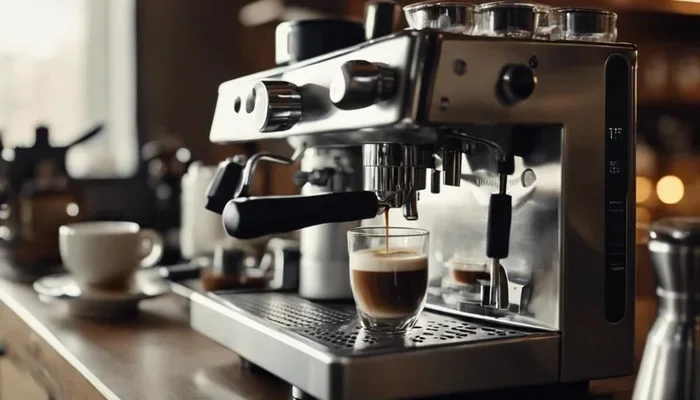
How To Make Coffee Taste Like Espresso At Home Today
You can make coffee taste like espresso at home without an expensive machine. The secret lies in choosing dark roast beans, grinding them fine, and controlling your brewing temperature and coffee-to-water ratio. With the right technique, your morning cup will have that bold, rich espresso flavor you love.
There is something magical about a shot of espresso. The bold flavor, the rich crema on top, and the intense aroma all come together to create a coffee experience like nothing else. But here is the thing — you do not need a fancy espresso machine to get that same satisfying taste. With a few simple tricks and the right approach, you can make coffee taste like espresso right in your own kitchen. This guide will walk you through every step, from selecting the perfect beans to nailing the brewing technique. Whether you are a coffee lover looking to level up your daily cup or someone who has always wondered how baristas get that deep, concentrated flavor, you are in the right place. Let us dive in and transform your ordinary coffee into something extraordinary.
Making coffee taste like espresso at home is more achievable than most people think. The difference between regular drip coffee and espresso comes down to a few key factors. These include the type of beans you use, how fine you grind them, the water temperature, and the ratio of coffee to water. Once you understand these variables, you can replicate that bold espresso character with almost any brewing method. In this article, we will cover everything you need to know. You will learn practical tips, avoid common mistakes, and discover techniques that bring out the best in your coffee beans. By the end, you will be brewing cups that rival your favorite coffee shop.
Key Takeaways
- Choose Dark Roast Beans: Dark roast coffee beans deliver the bold, intense flavor closest to traditional espresso.
- Grind Size Matters: A fine grind is essential for mimicking the rich extraction of a true espresso shot.
- Brewing Temperature Is Critical: Keeping water between 195°F and 205°F brings out the best coffee flavor and aroma.
- Use the Right Coffee-to-Water Ratio: A strong ratio of about 1:2 creates that concentrated espresso taste.
- Regular Maintenance Helps: Clean equipment, just like when you clean a Cosori air fryer toaster oven, ensures consistent coffee flavor every time.
- Experiment and Adjust: Small changes in grind, temperature, and ratio can dramatically improve your espresso-style coffee.
📑 Table of Contents
Understanding What Makes Espresso Different
Before you can recreate espresso flavor, you need to understand what makes espresso unique. Espresso is not a type of bean or a special roast. It is a brewing method. Hot water is forced through finely ground coffee at high pressure, extracting a concentrated shot with a layer of crema on top. This process pulls out more oils, flavors, and compounds than regular drip brewing. The result is a thicker, more intense cup with a syrupy body and complex flavor profile.
The Role of Pressure and Extraction
Traditional espresso machines use about 9 bars of pressure to push water through the coffee grounds. This high pressure extracts flavors quickly and efficiently. At home, you cannot perfectly replicate this pressure without a proper machine. However, you can still achieve a similar extraction by using methods that maximize contact between water and coffee. Coffee extraction is the key concept here. When water passes through ground coffee, it dissolves soluble compounds that create flavor. Too little extraction gives you sour, weak coffee. Too much extraction leads to bitter, harsh flavors. Finding the sweet spot is what makes espresso taste like espresso.
Why Crema Matters
Crema is the golden-brown foam that sits on top of a fresh espresso shot. It forms when carbon dioxide trapped in the coffee grounds reacts with the pressure of brewing. Crema adds a creamy texture and enhances the overall coffee flavor. While you cannot get true crema without an espresso machine, you can create a similar effect. Try using freshly roasted beans and a very fine grind. The more fresh the beans, the more gas they release, which helps mimic that rich, velvety layer. Even if you cannot perfectly replicate crema, focusing on freshness and grind size will get you much closer to that authentic espresso experience.
Choosing the Right Coffee Beans
The foundation of great espresso-style coffee starts with your beans. Not all coffee beans are created equal when it comes to producing that intense, concentrated flavor. The type of bean, the roast level, and the freshness all play a huge role in your final cup.
Why Dark Roast Beans Work Best
For the closest taste to espresso, reach for dark roast coffee beans. Dark roasts have been roasted longer, which brings out deeper, bolder flavors. You will notice notes of chocolate, caramel, and even a slight smokiness. These flavors mirror what you find in a traditional espresso shot. Light roasts, on the other hand, tend to be more acidic and fruity. While they are delicious in their own right, they do not give you that rich, heavy body associated with espresso.
Freshness Is Everything
Freshly roasted beans make a massive difference. Coffee starts losing its flavor and aroma within days of being roasted. For the best results, buy beans that were roasted within the last two to four weeks. Look for a roast date on the bag, not just an expiration date. Grinding your beans right before brewing also preserves the aromatic oils that give espresso its signature punch. Pre-ground coffee sits on a shelf and loses potency fast. If you can, invest in a simple burr grinder. It will transform your home brewing and bring you much closer to that true espresso taste.
Single-Origin vs. Blends
Espresso blends are specifically designed for espresso brewing. They combine beans from different regions to create a balanced, complex flavor. Single-origin beans come from one specific location and highlight unique characteristics of that region. For making coffee taste like espresso, blends are often the better choice. They are crafted to produce a rich, full-bodied shot with consistent flavor. That said, experimenting with single-origin dark roasts can be fun and rewarding. You might discover a bean that delivers the bold espresso profile you love.
Mastering the Grind and Brewing Temperature
Two of the most important factors in replicating espresso flavor are grind size and brewing temperature. Getting these right will dramatically improve the taste and body of your coffee.
The Importance of a Fine Grind
Espresso uses a very fine grind, almost like powdered sugar. This fine particle size creates more surface area for the water to extract from, which leads to a stronger, more concentrated brew. If your grind is too coarse, the water passes through too quickly and you end up with weak, sour coffee. If it is too fine, the water struggles to pass through and your coffee becomes over-extracted and bitter.
For home brewing without an espresso machine, aim for a medium-fine to fine grind. A burr grinder gives you the most consistent results. Blade grinders can work, but they produce an uneven grind, which leads to inconsistent extraction. Consistency in your grind size is one of the simplest ways to improve your coffee flavor and get closer to that espresso character.
Getting the Water Temperature Right
Water temperature plays a huge role in coffee extraction. Too hot, and you burn the grounds, creating bitter flavors. Too cool, and you under-extract, resulting in thin, sour coffee. The ideal range for brewing coffee that tastes like espresso is between 195°F and 205°F. Most electric kettles allow you to set a specific temperature. If yours does not, simply boil the water and let it sit for about 30 seconds before pouring it over your grounds.
Temperature control matters just as much with other kitchen equipment. For instance, if you have ever wondered how to tell if your oven is not heating properly, you already understand that accurate temperature is essential for good results. The same principle applies to brewing coffee. Inaccurate temperatures lead to inconsistent flavors and a disappointing cup.
Brewing Time and Contact Duration
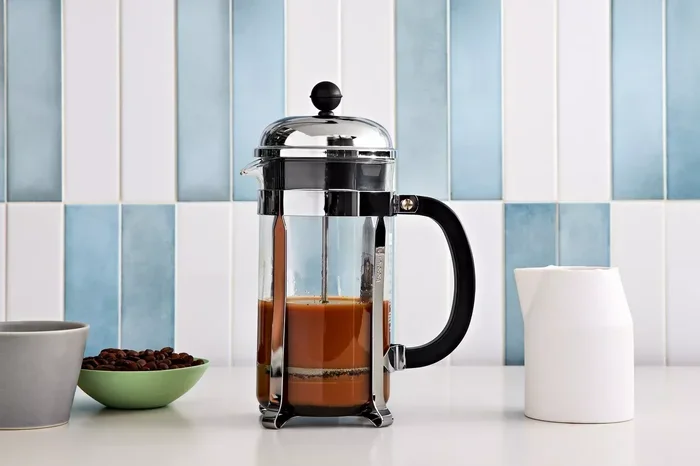
The longer water stays in contact with coffee grounds, the more flavor it extracts. Espresso shots typically take about 25 to 30 seconds to pull. At home, you can mimic this by adjusting your brew time. If you are using a French press, aim for about four minutes of steeping. For pour-over methods, try pouring in slow, controlled circles over about three to four minutes. The goal is to replicate the concentrated extraction that gives espresso its signature strength and depth.
Step-by-Step: Making Espresso-Style Coffee at Home
Now that you understand the key factors, let us walk through the process step by step. You do not need special equipment to make coffee taste like espresso. You just need the right technique and a little patience.
What You Will Need
- Dark roast coffee beans (freshly roasted)
- A burr grinder or blade grinder
- A kettle with temperature control (or a regular kettle and a thermometer)
- A French press, AeroPress, or moka pot
- A kitchen scale for precise measurements
- A timer
Step 1: Measure Your Coffee
Start by measuring your coffee beans. For one espresso-style shot, use about 18 to 20 grams of coffee. The coffee-to-water ratio is critical. For a concentrated brew that mimics espresso, use a ratio of 1:2. This means 18 grams of coffee to 36 grams of water. This ratio produces a strong, rich cup with a full body and intense coffee flavor.
Step 2: Grind Your Beans
Grind your beans to a fine consistency. Think of the texture of powdered sugar or table salt. If you are using a French press, you might go slightly coarser, but for the closest espresso taste, keep it as fine as your equipment allows. Grind the beans just before brewing to preserve the aromatic oils and carbon dioxide that contribute to flavor and body.
Step 3: Heat Your Water
Heat your water to between 195°F and 205°F. If you do not have a temperature-controlled kettle, bring the water to a boil and then let it rest for 30 to 45 seconds. This cooling period brings the temperature into the ideal range. Pour the hot water over the grounds in a slow, steady motion.
Step 4: Brew and Time It
If you are using a French press, pour the water over the grounds, stir gently, and let it steep for about four minutes. Press the plunger down slowly and evenly. If you are using an AeroPress, pour the water, stir, and let it steep for about one to two minutes before pressing. For a moka pot, brew on medium heat until you hear a hissing sound, then remove it from the stove immediately.
The key is to pay attention to the brew time. Too short, and your coffee will taste weak and sour. Too long, and it becomes bitter and harsh. Use a timer and adjust based on your taste preferences.
Step 5: Serve and Enjoy
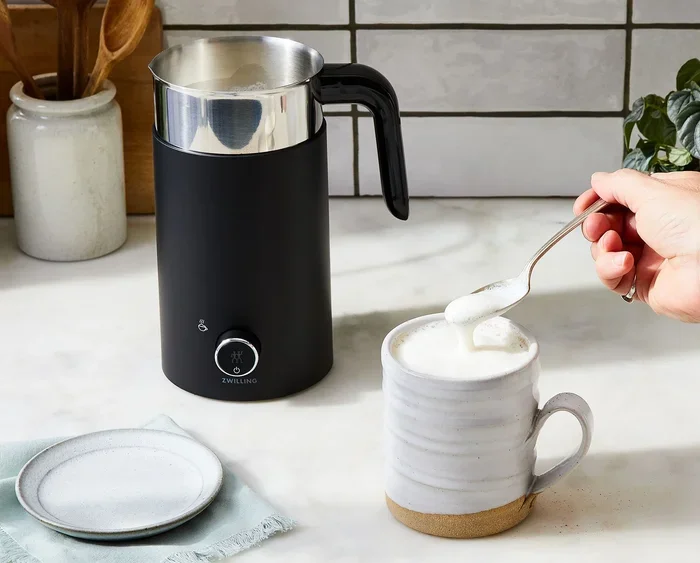
Pour your espresso-style coffee into a small cup or demitasse. The smaller vessel concentrates the flavors and makes the experience feel more like a true espresso service. If you like milk-based drinks, try frothing some milk and adding it to create a latte or cappuccino at home. The concentrated coffee flavor holds up beautifully against steamed milk.
Tips for Perfecting Your Espresso Taste
Once you have the basics down, you can fine-tune your process to get even closer to that perfect espresso flavor. Here are some expert tips that make a real difference.
Experiment with Bean Origins
Different coffee-growing regions produce beans with distinct flavor profiles. Brazilian beans tend to be nutty and chocolatey. Ethiopian beans can be fruity and floral. Italian-style espresso often uses a blend of beans from multiple regions. Try different origins and blends to find the flavor profile you love most. Keep notes on what you try so you can replicate your favorites.
Dial In Your Grind Size
Grind size is the single most impactful variable you can adjust. If your coffee tastes sour or weak, try grinding finer. If it tastes bitter or harsh, grind slightly coarser. This process of adjusting and tasting is called “dialing in,” and it is what professional baristas do every day. Even small changes in grind size can dramatically alter the flavor and body of your cup.
Preheat Everything
Temperature consistency matters throughout the brewing process. Preheat your cup, your brewing device, and your water. Cold equipment absorbs heat from the water, which drops the brewing temperature and leads to uneven extraction. A simple rinse with hot water before you start can make a noticeable difference in the final cup.
Use Filtered Water
The water you use makes up over 98% of your coffee. If your tap water tastes chlorinated or has a strong mineral content, it will affect the flavor of your coffee. Use filtered water for the cleanest, most accurate taste. Avoid distilled water, which lacks the minerals that help extract flavor from the grounds. Balanced, filtered water gives you the best foundation for a great cup.
Clean Your Equipment Regularly
Just as you would maintain your kitchen appliances — like keeping your Cosori air fryer toaster oven spotless for best performance — regular cleaning of your coffee equipment is essential. Old coffee oils build up in grinders, French presses, and moka pots, leading to stale, rancid flavors. Clean your gear after every use, and give it a deep clean weekly. Fresh, clean equipment ensures that every cup tastes as good as the first one.
Try a Moka Pot for the Closest Home Espresso
If you want the most authentic espresso experience at home, consider buying a moka pot. This stovetop brewing device uses steam pressure to push water through coffee grounds, creating a brew that is very similar to espresso. Many coffee enthusiasts consider the moka pot the best alternative to a full espresso machine. It produces a strong, concentrated cup with a rich body and a layer of foam on top. It is affordable, durable, and easy to use. For anyone serious about making coffee taste like espresso at home, a moka pot is a worthwhile investment.
Common Mistakes to Avoid
Even with the best intentions, it is easy to make mistakes that keep your coffee from tasting like true espresso. Here are the most common pitfalls and how to avoid them.
- Using stale beans: Old beans lose their flavor and aroma fast. Always check the roast date and use beans within a month of roasting.
- Grinding too coarse: A coarse grind leads to under-extraction, which makes your coffee taste sour and thin. Invest in a quality grinder for consistent results.
- Using boiling water: Water that is too hot scorches the coffee grounds and creates bitter flavors. Let boiling water cool for 30 to 45 seconds before brewing.
- Ignoring the coffee-to-water ratio: Too much water dilutes your coffee and strips away the concentrated flavor that makes espresso so satisfying. Stick to the 1:2 ratio as a starting point.
- Skipping the preheat step: Cold equipment steals heat from your brew, leading to uneven extraction and a weaker cup. Always preheat your gear.
- Not cleaning your equipment: Residual oils and old grounds build up over time and ruin the taste of fresh coffee. Clean thoroughly and regularly.
Avoiding these mistakes alone will take your home-brewed coffee from average to impressive. Pay attention to the details, and you will notice a real improvement in flavor, body, and aroma.
Final Thoughts on Making Coffee Taste Like Espresso
Making coffee taste like espresso at home is entirely within your reach. You do not need to spend hundreds of dollars on an expensive machine or become a coffee expert overnight. The key is understanding the fundamentals: choose the right beans, grind them fine, control your water temperature, and nail the brewing ratio. With practice and a little experimentation, you can brew cups that deliver the bold, rich, intense flavor you crave. Start with the tips in this guide, adjust as you go, and enjoy the journey of discovering your perfect espresso-style coffee. Your mornings will never taste the same again.
The beauty of learning how to make coffee taste like espresso is that it gives you control over every aspect of your cup. You choose the beans, you set the grind, you control the temperature, and you decide the strength. This hands-on approach makes every cup feel personal and rewarding. So grab your favorite dark roast beans, fire up your kettle, and start brewing. Your home espresso experience begins today.
Frequently Asked Questions
Can I make espresso without an espresso machine?
Yes, absolutely. You can use a French press, AeroPress, or moka pot to brew coffee that tastes like espresso. The key is using dark roast beans, a fine grind, and the right coffee-to-water ratio. While you will not get true pressure-based extraction, these methods produce a bold, concentrated cup that closely mimics the flavor of espresso.
What type of coffee beans are best for espresso-style brewing?
Dark roast beans work best for making coffee taste like espresso. They provide the bold, intense flavor with notes of chocolate and caramel that define a great espresso shot. Look for beans labeled as “espresso roast” or “Italian roast” for the most authentic results. Freshness matters too — always choose beans roasted within the last two to four weeks.
How fine should I grind my coffee for espresso-style brewing?
Aim for a fine grind, similar to the texture of powdered sugar or table salt. A fine grind creates more surface area for extraction, which produces a stronger, more concentrated brew. If you do not have a burr grinder, a blade grinder can work, but try to pulse it in short bursts for a more even grind. Consistency in grind size is one of the most important factors in achieving that rich espresso flavor.
What is the best coffee-to-water ratio for espresso-style coffee?
Start with a ratio of 1:2, which means 18 grams of coffee to 36 grams of water. This ratio produces a strong, concentrated brew that closely matches the intensity of a traditional espresso shot. You can adjust the ratio slightly based on your taste — use more water for a milder cup or less water for an even bolder flavor.
Can I use a regular coffee maker to make coffee taste like espresso?
A regular drip coffee maker can produce a stronger cup, but it will not fully replicate espresso because it lacks the pressure needed for true extraction. To get closer, use a dark roast, grind the beans very fine, and use less water than usual. For the best results at home, consider investing in a moka pot or AeroPress, which come much closer to the espresso brewing method.
How can I make my coffee taste stronger without adding more beans?
To make your coffee taste stronger, try grinding your beans finer, using a higher coffee-to-water ratio, or brewing at the right temperature between 195°F and 205°F. You can also reduce your brew time slightly to avoid over-extraction, which can make coffee taste bitter rather than strong. Small adjustments to these variables can make a big difference in the intensity and richness of your cup.
=== CONCLUSION ===
Learning how to make coffee taste like espresso at home is a rewarding journey that anyone can enjoy. With the right beans, the proper grind, and careful attention to brewing temperature and ratio, you can create cups of coffee that rival your favorite coffee shop. Start with the dark roast beans, invest in a good grinder, and practice your brewing technique. The more you experiment, the better your results will become. Remember, every great espresso begins with great coffee beans and a little patience. So grab your favorite brew, follow the steps in this guide, and savor the rich, bold flavor of homemade espresso. Your perfect cup is just a few brews away.