How To Use Non Electric Coffee Maker Without Any Hassle
Using a non electric coffee maker is simpler than you think and perfect for camping, power outages, or anyone who loves a hands on brewing experience. This guide walks you through every type of manual coffee brewer, from French press to stovetop percolator, with clear step by step instructions. You will learn the right water temperature, coffee grounds ratio, and pro tips for a rich flavorful cup every single time.
There is something deeply satisfying about brewing a cup of coffee without plugging anything in. A non electric coffee maker gives you full control over every step of the process. Whether you are camping in the woods, dealing with a power outage, or simply prefer a more traditional approach, manual coffee brewing is a skill worth mastering.
People have been making coffee without electricity for centuries. The methods are timeless and proven. From the simple French press to the classic stovetop percolator, each brewer brings its own charm and flavor profile. This guide will show you exactly how to use every popular type of non electric coffee maker without any hassle.
By the end of this article, you will know which brewer suits your needs best, how to prepare the perfect cup, and how to avoid the most common mistakes. Let us dive in and get you brewing.
Key Takeaways
- Multiple Types Available: French press, Moka pot, stovetop percolator, and pour over are all excellent non electric options.
- Simple Process: Brewing coffee without electricity follows the same basic principles of hot water and coffee grounds.
- Precision Matters: Water temperature and grind size make a huge difference in taste.
- Great for Camping: Non electric coffee makers are ideal for outdoor trips and emergencies.
- Easy to Clean: Most manual brewers require minimal cleanup compared to electric machines.
- Cost Effective: You save money on electricity and expensive pod systems.
📑 Table of Contents
What Is a Non Electric Coffee Maker?
A non electric coffee maker is any coffee brewing device that does not require electricity to operate. Instead, it relies on manual methods like boiling water on a stove, pouring hot water by hand, or using gravity and pressure to extract flavor from coffee grounds.
These brewers have been around for generations. Long before electric drip machines became popular, people used stovetop pots and simple infusion methods to make their daily coffee. Today, manual coffee makers are making a strong comeback. People love the control, the ritual, and the rich flavor they produce.
The beauty of a non electric coffee maker is its simplicity. There are no buttons to press, no digital displays to worry about, and no complicated settings. You just need hot water, ground coffee, and a little patience. That is it.
Types of Non Electric Coffee Makers
Not all manual coffee brewers work the same way. Each type uses a different method to extract flavor from the grounds. Here are the most popular options you will encounter.
French Press
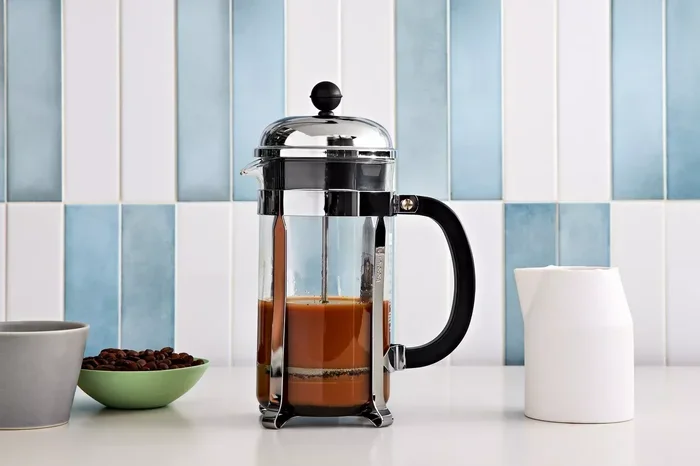
The French press is probably the most well known manual coffee maker in the world. It works by steeping coarsely ground coffee in hot water for several minutes. Then you press down a metal plunger to separate the grounds from the liquid.
French press coffee is full bodied and rich because the metal filter allows more oils to pass through. This gives the coffee a deeper, more complex flavor compared to paper filtered methods. It is also one of the easiest non electric coffee makers to use.
To use a French press, you simply add grounds, pour hot water, wait four minutes, and press. That is the entire process. No electricity needed at all.
Stovetop Percolator
A stovetop percolator is a classic coffee brewer that many older generations grew up with. It works by cycling boiling water through a tube and over the coffee grounds repeatedly. This creates a strong, bold cup of coffee.
The percolator sits directly on a stove burner. As the water heats up, it travels up through a tube, sprays over the grounds, and drips back down into the bottom chamber. This cycle repeats until the coffee reaches your desired strength.
Many people love the nostalgic feel of a percolator. It produces a very strong brew that is perfect for those who like their coffee bold. However, it does require more attention than a French press because you need to monitor the brewing process.
Moka Pot
The Moka pot is often called a stovetop espresso maker. It was invented in Italy and has been a staple in European kitchens for decades. A Moka pot uses steam pressure to push hot water through finely ground coffee into an upper chamber.
The result is a strong, concentrated cup of coffee that resembles espresso. It is not quite as intense as real espresso, but it has a rich flavor and a lovely crema on top. Moka pots are affordable and durable, making them a great choice for any coffee lover.
Using a Moka pot takes a little practice. You need to grind the coffee finely, fill the water chamber correctly, and monitor the heat. But once you get the hang of it, it becomes second nature.
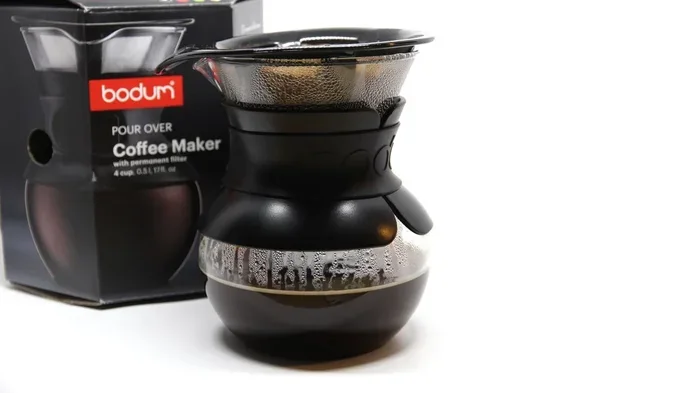
Pour Over Coffee Maker
A pour over coffee maker is a simple device that uses gravity to brew coffee. You place a coffee filter in a dripper, add ground coffee, and slowly pour hot water over the grounds. The water filters through and drips into your cup or carafe below.
Pour over coffee is known for being clean and bright. The paper filter catches most of the oils and fine particles, resulting in a smooth and clear cup. This method gives you excellent control over brewing time and water temperature.
Popular pour over devices include the Hario V60, Chemex, and Kalita Wave. They are all non electric and work on any heat source. The key is to pour the water slowly and evenly for the best results.
Cowboy Coffee
Cowboy coffee is the most basic coffee brewing method there is. You boil water, remove it from the heat, add coffee grounds, let them settle, and pour carefully into your cup. That is all there is to it.
This method gets its name from cowboys who brewed coffee over a campfire on the open range. It requires no special equipment at all. Just a pot, water, and ground coffee. Cowboys coffee is strong and rustic, and many outdoor enthusiasts swear by it.
The main challenge with cowboy coffee is avoiding the grounds in your cup. You need to let the coffee sit long enough for the grounds to settle to the bottom. Pour slowly and carefully to keep the sediment out.
How to Use a Non Electric Coffee Maker Step by Step
Now that you know the different types, let us walk through the general process of brewing with a non electric coffee maker. The exact steps vary by brewer, but the core principles remain the same.
Step 1: Gather Your Supplies
Before you start, make sure you have everything ready. Here is what you need:
- Your non electric coffee maker (French press, Moka pot, percolator, etc.)
- Fresh coffee grounds
- Clean water
- A heat source (stove, campfire, or portable burner)
- A mug or carafe to serve the coffee
- A spoon or stirrer
- A coffee filter if your brewer requires one
Having everything ready before you start makes the process smooth and enjoyable. There is nothing worse than getting halfway through brewing and realizing you are missing something.
Step 2: Heat Your Water
The ideal water temperature for coffee is between 195 and 205 degrees Fahrenheit. That is just below boiling. If you boil the water and then let it sit for 30 seconds, you will reach the perfect range.
Using water that is too hot will over extract the coffee and make it bitter. Water that is too cool will under extract and produce a weak, sour cup. Getting the temperature right is one of the most important steps in manual coffee brewing.
Step 3: Grind Your Coffee
The grind size matters a lot. Different brewers need different grinds:
- French press: Coarse grind, like sea salt
- Moka pot: Fine grind, slightly finer than table salt
- Percolator: Medium to coarse grind
- Pour over: Medium grind, like sand
- Cowboy coffee: Coarse grind
If you do not have a grinder, you can buy pre ground coffee. Just make sure it matches the right grind size for your brewer. The grind size directly affects the coffee strength and flavor.
Step 4: Brew Your Coffee
Now it is time to brew. The method depends on your brewer:
- French press: Add grounds, pour hot water, stir gently, and steep for four minutes. Then press the plunger down slowly.
- Moka pot: Fill the bottom chamber with water, add grounds to the filter basket, assemble, and place on low heat. Remove from heat when you hear a hissing sound.
- Percolator: Add water to the bottom chamber, add grounds to the basket, and place on the stove. Monitor the brewing process and remove from heat when the coffee reaches your desired strength.
- Pour over: Place a filter in the dripper, add grounds, and slowly pour hot water in circles. Let it drip through completely.
- Cowboy coffee: Boil water, remove from heat, add grounds, stir, and let sit for three to four minutes. Pour carefully into your cup.
Each method has its own coffee brewing time. French press takes about four minutes. Moka pot takes three to five minutes. Pour over takes two to three minutes. Cowboy coffee needs three to four minutes of steeping. The key is to follow the recommended times for the best flavor.
Step 5: Serve and Enjoy
Once brewing is complete, pour your coffee into a warm mug. If you are using a French press, pour all the coffee out right away. Leaving it in the press will cause over extraction and bitterness.
Add milk, cream, sugar, or any extras you like. Sit back and enjoy the fruits of your labor. There is something special about drinking coffee you brewed by hand with a non electric coffee maker.
Tips for the Perfect Cup of Non Electric Coffee
Making great coffee with a manual brewer is all about the details. Here are some expert tips that will elevate your coffee game.
Use Fresh Coffee Grounds. Freshly ground coffee tastes dramatically better than pre ground. If you can, grind your beans just before brewing. This preserves the flavor and aroma.
Measure Your Coffee. A good starting ratio is two tablespoons of coffee per six ounces of water. Adjust to taste from there. Using a kitchen scale gives you the most consistent results.
Preheat Your Brewer. Warming up your French press or Moka pot before brewing helps maintain a steady temperature during the extraction process. Just rinse it with hot water first.
Store Your Coffee Properly. Keep your beans in an airtight container away from light and heat. Do not store them in the freezer. Fresh beans make a noticeable difference in taste.
Experiment with Ratios. Every coffee drinker has different preferences. Try adjusting the coffee to water ratio until you find your perfect coffee strength. More coffee makes it stronger. More water makes it milder.
Clean Your Brewer Regularly. Residue from previous brews can affect the taste of your next cup. Clean your non electric coffee maker thoroughly after every use. For deep cleaning, you can refer to our guide on how to clean kitchen appliances effectively.
Practice Makes Perfect. Do not get discouraged if your first few cups are not perfect. Manual brewing is a skill that improves with practice. Each time you brew, you will learn something new about your preferences and your equipment.
Common Mistakes to Avoid
Even experienced coffee makers make mistakes. Here are the most common errors people make when using a non electric coffee maker and how to avoid them.
Using Water That Is Too Hot. Boiling water is too hot for most brewing methods. It scorches the coffee grounds and creates a bitter taste. Always let boiling water cool for 30 seconds before using it.
Using the Wrong Grind Size. This is the number one mistake people make. A too fine grind in a French press will make the coffee gritty and over extracted. A too coarse grind in a Moka pot will produce weak, watery coffee. Match your grind to your brewer.
Not Timing the Brew. Leaving coffee to steep too long or too short affects the flavor dramatically. Use a timer if needed. Four minutes is the standard for French press. Three to five minutes works well for Moka pots.
Skipping the Preheat. A cold brewer drops the water temperature quickly, leading to uneven extraction. A quick rinse with hot water solves this problem easily.
Using Old or Stale Coffee Grounds. Coffee loses its flavor quickly after grinding. Stale grounds produce flat, lifeless coffee. Always use fresh grounds for the best results.
Rushing the Process. Manual brewing is not a race. Taking your time and following each step carefully leads to a much better cup. Enjoy the process as much as the final product.
Benefits of Using a Non Electric Coffee Maker
Switching to a non electric coffee maker comes with many advantages. Here is why so many people are making the switch.
Portability. You can take a French press or Moka pot anywhere. Camping trips, road trips, and office desks all benefit from a manual coffee maker. There is no need for an outlet or a power source.
Cost Savings. Non electric brewers are inexpensive compared to fancy electric machines. A quality French press costs less than most pod machines. Percolators and Moka pots are also very affordable. Over time, you save money on electricity and coffee pods.
Better Flavor. Many coffee enthusiasts agree that manual brewing produces a superior taste. You control every variable, from water temperature to brewing time. This level of control leads to a more personalized and flavorful cup.
Simplicity. There are fewer parts to break and no electronics to malfunction. A non electric coffee maker is reliable and durable. It works whether you have power or not.
Environmental Impact. Manual brewers do not use electricity. They also produce less waste than single serve pod systems. Using a reusable coffee filter with a French press or pour over dripper is even better for the planet.
Ritual and Mindfulness. There is a meditative quality to manual brewing. The process slows you down and encourages you to be present. Many people find that the ritual of making coffee without electricity is just as enjoyable as drinking the coffee itself.
If you are interested in other kitchen appliances and how to use them effectively, check out our guide on how to use an oven for reheating food. Understanding your kitchen tools better helps you get the most out of every meal and beverage.
Comparison of Non Electric Coffee Makers
Choosing the right non electric coffee maker can be tricky. Here is a quick comparison to help you decide.
| Brewer Type | Brewing Time | Difficulty Level | Best For |
|---|---|---|---|
| French Press | 4 minutes | Easy | Full bodied, rich coffee |
| Moka Pot | 3 to 5 minutes | Moderate | Strong, espresso like coffee |
| Stovetop Percolator | 5 to 10 minutes | Moderate | Bold, traditional coffee |
| Pour Over | 2 to 3 minutes | Easy to Moderate | Clean, smooth coffee |
| Cowboy Coffee | 3 to 4 minutes | Very Easy | Outdoor and camping use |
Each type has its strengths. The French press is the easiest to start with. The Moka pot produces the strongest flavor. The pour over gives you the most control. Choose based on your taste preferences and how much effort you want to put in.
If you are looking for ways to make the most out of your kitchen equipment, our article on how to get the best results from your oven might offer some helpful insights for overall kitchen efficiency.
Final Thoughts
Using a non electric coffee maker is one of the simplest and most rewarding skills you can learn in the kitchen. Whether you choose a French press, Moka pot, percolator, pour over, or cowboy method, the process is straightforward and deeply satisfying.
The key is to pay attention to water temperature, grind size, and brewing time. Get those three things right and you will brew coffee that rivals anything from a fancy coffee shop. The best part is that you do not need electricity or expensive equipment to do it.
Start with one method that appeals to you and practice it a few times. Soon enough, brewing coffee manually will feel natural and second nature. You might even find that you prefer the hands on approach over your old electric machine.
Remember, great coffee is about the process as much as the result. So take your time, enjoy the ritual, and savor every sip of your perfectly brewed non electric coffee. Happy brewing.
Frequently Asked Questions
Can I use a non electric coffee maker while camping?
Absolutely. Non electric coffee makers are perfect for camping. A French press, Moka pot, or cowboy coffee method all work great over a campfire or portable stove. They are lightweight, portable, and require no electricity whatsoever.
What is the best non electric coffee maker for beginners?
The French press is the best option for beginners. It is simple to use, affordable, and very forgiving. You just add grounds, pour hot water, wait four minutes, and press. There is very little room for error.
How do I clean a non electric coffee maker?
Cleaning a manual coffee maker is easy. For a French press, simply rinse the plunger and glass after each use. For a Moka pot, disassemble the parts and rinse with warm water. Deep clean weekly with warm water and a small amount of mild soap. Avoid harsh chemicals that can affect the taste of your coffee.
Does non electric coffee taste different from electric coffee?
Yes, many people notice a difference. Manual brewing often produces a richer and more flavorful cup because you have more control over water temperature, grind size, and brewing time. The absence of a paper or mesh filter in some methods also allows more natural oils to remain in the coffee.
Can I make espresso with a non electric coffee maker?
Yes, a Moka pot is designed to produce a strong, concentrated coffee that is similar to espresso. It uses steam pressure to push water through finely ground coffee. While it is not true espresso, the result is close and very satisfying.
How much coffee should I use per cup?
A good starting point is two tablespoons of coffee grounds per six ounces of water. You can adjust this ratio based on your preferred coffee strength. More grounds make it stronger. Less grounds make it milder. Experiment until you find your perfect balance.