How To Make Dark Coffee Colour Rich and Full Bodied
Making dark coffee colour rich and full bodied is easier than you think. The secret lies in choosing the right beans, controlling water temperature, and mastering your brewing method. This guide walks you through every step to get that deep, dark, and satisfying cup of coffee you love.
There is something deeply satisfying about a cup of dark coffee colour that looks as rich as it tastes. Whether you prefer a strong morning brew or a slow afternoon cup, the colour of your coffee tells you a lot about what is inside the mug. A deep, dark hue signals bold flavour, rich aroma, and a full bodied experience that wakes up your senses.
If your coffee always looks too light or watery, do not worry. You are not alone. Many coffee lovers struggle to get that intense, dark colour they see in cafés. The good news is that achieving dark coffee colour at home is completely doable. You just need the right beans, the right technique, and a little patience. This guide will show you exactly how to get there.
We will cover everything from selecting the perfect beans to mastering your brewing method. By the end, you will know how to make coffee that looks dark, tastes bold, and feels full bodied in every sip. Let us dive in.
Key Takeaways
- Choose dark roast beans: Dark roast coffee naturally produces a rich, deep colour and bold flavour profile.
- Grind size matters: A finer grind extracts more colour and flavour, giving you that full bodied cup.
- Water temperature is key: Brewing between 195°F and 205°F ensures proper extraction for dark coffee colour.
- Avoid common mistakes: Using too little coffee, brewing too fast, or skipping the pre-wet step can lighten your coffee.
- Experiment with brewing methods: French press, espresso, and moka pot all produce darker, richer results than drip brewing.
- Pair with the right food: Try your dark coffee alongside a warm garlic bread recipe for a perfect morning combo.
📑 Table of Contents
- Understanding Dark Coffee Colour
- Choosing the Right Coffee Beans for Dark Colour
- Brewing Methods That Produce Dark Coffee Colour
- Water Temperature and Extraction for Dark Coffee
- Common Mistakes That Lighten Your Coffee
- Tips for Perfect Dark Coffee Every Time
- Reheating Dark Coffee Without Losing Colour
- The Science Behind Dark Coffee Colour
- Comparing Brewing Methods for Dark Colour
- Final Thoughts on Achieving Dark Coffee Colour
Understanding Dark Coffee Colour
The colour of your coffee comes from a process called extraction. When hot water passes through coffee grounds, it pulls out oils, acids, and pigments. These compounds give coffee its colour and flavour. The longer and more thoroughly the extraction, the darker the coffee becomes.
Light roasts look brown and thin because they have been roasted for a shorter time. Dark roasts, on the other hand, are roasted longer. This breaks down more sugars and brings out deeper, darker pigments. The result is that rich, almost black colour we associate with bold coffee.
But colour is not just about appearance. It also hints at the flavour profile inside the cup. Dark coffee colour often means a smoky, chocolatey, or even slightly bitter taste. It can also mean more body and a thicker mouthfeel. Understanding this connection helps you make better choices when brewing at home.
What Gives Coffee Its Dark Colour?
Several compounds contribute to the dark colour of coffee. Melanoidins are one of the main culprits. These are brown pigments formed during the roasting process. The darker the roast, the more melanoidins develop. Another factor is the degree of extraction. When water pulls more compounds from the grounds, the coffee darkens.
Coffee oils also play a role. Dark roasted beans release more oils, which add to the depth of colour. You may notice a shiny surface on dark roast beans. That is the oil talking. It contributes to both the look and the taste of your cup.
Choosing the Right Coffee Beans for Dark Colour
The foundation of dark coffee colour starts long before you brew. It starts with the beans. Not all coffee beans are created equal, and choosing the right ones makes a huge difference.
Dark Roast vs Medium Roast
Dark roast beans are the obvious choice for deep, rich colour. They are roasted at higher temperatures for longer periods. This creates a dark brown to almost black appearance. Dark roasts also have a more intense flavour and heavier body compared to medium or light roasts.
Medium roast beans can still produce a decent dark colour, but they will look lighter and taste more balanced. If your goal is maximum darkness, go with a dark roast. Look for labels that say “dark roast,” “French roast,” or “espresso roast.” These are your best bets.
Freshness Matters
Fresh beans brew better and look richer. Coffee starts to lose its oils and pigments after about two to four weeks of being roasted. Stale beans produce a lighter, duller cup. Always check the roast date on the bag. The closer to the roast date, the better your dark coffee colour will be.
Store your beans in an airtight container away from sunlight. Do not keep them in the fridge. Moisture and odours can ruin the flavour. A cool, dark pantry works perfectly.
Whole Bean vs Pre-Ground
Whole bean coffee stays fresh longer and retains more of its natural oils. Pre-ground coffee loses its potency faster, which can affect both colour and taste. If you want the darkest, richest cup possible, buy whole beans and grind them just before brewing. This simple step makes a noticeable difference.
Brewing Methods That Produce Dark Coffee Colour
Not all brewing methods are equal when it comes to achieving dark coffee colour. Some methods extract more from the grounds, producing a deeper, richer cup. Others leave the coffee looking and tasting lighter. Let us explore the best methods.
French Press
The French press is one of the best tools for dark, full bodied coffee. It uses immersion brewing, which means the grounds sit in hot water for several minutes. This extended contact time pulls out more colour, oils, and flavour compounds.
To get the darkest results with a French press, use a coarse grind and steep for four to five minutes. Press the plunger down slowly. The coffee that comes out will be dark, rich, and heavy. It will look almost opaque in the cup.
Espresso Machine
Espresso is the king of dark coffee colour. The high pressure forces water through finely ground coffee very quickly. This creates a concentrated shot with a dark, creamy layer on top called crema. Crema is that golden-brown foam that signals a well-extracted espresso.
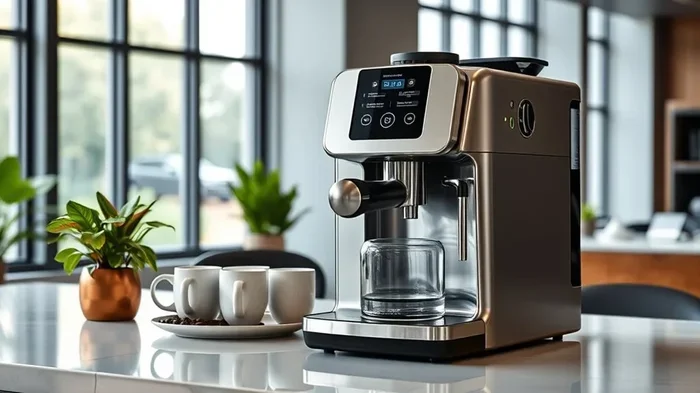
If you have an espresso machine, use it. Even a basic model can produce stunningly dark coffee. The key is to use a fine grind and the right amount of pressure. A double shot will give you the deepest colour and the boldest flavour.
Moka Pot
A moka pot is a stovetop espresso maker that produces strong, dark coffee. It works by pushing steam through coffee grounds. The result is a rich, dark brew that looks and tastes similar to espresso. Moka pots are affordable and easy to use.
For the darkest colour, use finely ground dark roast beans. Do not pack the grounds too tightly. Let the steam do the work. You will be rewarded with a beautiful, dark cup of coffee.
Cold Brew
Cold brew coffee naturally has a very dark, concentrated colour. Because it steeps for 12 to 24 hours, it extracts a lot of pigment and flavour. The result is a thick, dark concentrate that looks almost like syrup.
Mix cold brew concentrate with hot water for an even darker cup. This method produces a smooth, less acidic dark coffee that many people love. It is also perfect for making iced dark coffee during warmer months.
Water Temperature and Extraction for Dark Coffee
Water temperature plays a huge role in how dark your coffee becomes. Too hot, and you burn the grounds, creating a bitter taste. Too cool, and you under-extract, leaving the coffee light and weak.
The sweet spot for brewing dark coffee is between 195°F and 205°F. This range allows for optimal extraction of colour compounds and flavours. If you do not have a thermometer, bring your water to a boil and then let it sit for 30 to 45 seconds. This brings it right into the ideal range.
Proper extraction is the key to rich coffee color and full bodied taste. When the water is the right temperature and stays in contact with the grounds long enough, it pulls out all the good stuff. The coffee turns dark, the aroma fills the room, and the flavour is intense and satisfying.
The Role of Steeping Time
Longer steeping times generally produce darker coffee. This is why methods like French press and cold brew create such deep colours. The water has more time to interact with the grounds and pull out pigments and oils.
If you are using a drip coffee maker, the brew time is usually short. This can result in a lighter colour. To compensate, use more coffee grounds or try a slower brewing method. A little extra time can transform a light cup into a dark, bold masterpiece.
Common Mistakes That Lighten Your Coffee
Sometimes, the reason your coffee looks too light is simple human error. Here are the most common mistakes that keep your coffee from achieving that beautiful dark coffee colour.
Using Too Much Water
Adding too much water to your coffee grounds dilutes the colour and the flavour. The ratio of water to coffee matters a lot. A general rule is two tablespoons of coffee per six ounces of water. If you use more water than this, your coffee will look weak and taste thin.
Grinding Too Coarse
A coarse grind means less surface area for the water to extract from. This leads to under-extraction, which produces a lighter colour and a weaker taste. For dark coffee, use a medium-fine to fine grind. This gives the water more to work with and results in a richer, darker cup.
Brewing for Too Short a Time
Rushing the brew process is one of the biggest mistakes. Coffee needs time to release its colour and flavour compounds. If you pull the shot or pour the cup too early, the coffee will look pale and taste flat. Give your coffee the time it needs.
Using Old or Stale Beans
Stale beans have lost their oils and pigments. They simply cannot produce the same dark colour as fresh beans. Always check the roast date and buy beans that are as fresh as possible. This one change can dramatically improve the look and taste of your coffee.
Skipping the Pre-Wet Step
Pre-wetting, also called blooming, is the process of pouring a small amount of hot water over the grounds before brewing. This releases carbon dioxide and allows the grounds to expand. It also starts the extraction process, which helps develop a darker colour. Skipping this step can leave your coffee looking and tasting lighter than it should.
Tips for Perfect Dark Coffee Every Time
Now that you know the science and the common mistakes, here are some pro tips to help you achieve the best dark coffee colour every single time.
- Use filtered water. Tap water can contain minerals and chlorine that affect the colour and taste of coffee. Filtered water produces a cleaner, darker brew.
- Preheat your brewing device. A warm pot or French press keeps the coffee hotter longer, which helps maintain its dark colour during brewing.
- Do not stir too much. Over-stirring can introduce air bubbles that lighten the appearance of the coffee. Stir gently once or twice and let the process do the work.
- Add a pinch of salt. This sounds strange, but a tiny pinch of salt in the grounds reduces bitterness and enhances the dark colour of the coffee.
- Serve immediately. Coffee starts to lose its colour and flavour as it cools. Drink it fresh for the best dark, rich appearance.
If you enjoy your dark coffee with a side of something warm and toasty, try pairing it with a fresh garlic bread made with garlic powder in the oven. The crispy, golden bread complements the deep, bold flavours of dark roasted coffee perfectly. It makes any morning feel like a café experience at home.
For those who love to bake alongside their coffee ritual, a warm loaf of homemade pizza bread from the oven is another fantastic pairing. The aroma of freshly baked bread and the rich scent of dark coffee together create an atmosphere that is hard to beat.
Reheating Dark Coffee Without Losing Colour
Sometimes you make too much coffee and need to reheat it later. But reheating can change the colour and flavour of your brew. The key is to do it gently.
If you are using an oven to reheat a coffee mug or a pot of coffee, keep the temperature low. High heat can scorch the coffee and change its dark colour to a dull brown. For best results, warm your coffee on the stove over low heat or use a microwave in short bursts.
If you prefer oven reheating, you can learn more about how to properly reheat food in the oven without ruining the texture or colour. A gentle approach preserves the dark coffee colour and keeps the flavour intact.
The Science Behind Dark Coffee Colour
Let us talk a little bit about what is actually happening in your cup. Coffee contains hundreds of chemical compounds. During roasting, heat triggers reactions called Maillard reactions and caramelization. These reactions create the brown pigments that give coffee its colour.
The longer the roast, the more these reactions occur. That is why dark roast coffee looks so much darker than light roast. It is also why the beans appear oily. The heat drives out the internal oils, which rise to the surface.
When you brew coffee, you are essentially recreating these flavours in liquid form. The water dissolves soluble compounds from the grounds. The more compounds dissolved, the darker and richer the colour becomes. This is why grind size, water temperature, and brew time all matter so much.
Understanding this science helps you control the outcome. You are not just making coffee. You are conducting a small experiment every time you brew. And with the right technique, you can consistently produce a cup with dark coffee colour that is bold, beautiful, and full of flavour.
Comparing Brewing Methods for Dark Colour
| Brewing Method | Dark Colour Level | Body | Ease of Use |
|---|---|---|---|
| Espresso Machine | Very Dark | Full | Moderate |
| French Press | Dark | Heavy | Easy |
| Moka Pot | Dark | Medium-Full | Easy |
| Cold Brew | Very Dark (Concentrate) | Full | Easy (but slow) |
| Drip Coffee Maker | Medium-Dark | Light-Medium | Very Easy |
As you can see, espresso machines and French presses produce the darkest results. Drip coffee makers give you a lighter colour because the water passes through the grounds too quickly. If dark colour is your goal, choose your method wisely.
Once you have brewed your perfect dark coffee, you might want to keep it warm for later. If you are using an oven for this purpose, you can find helpful tips on how to use an oven to reheat food safely without overcooking or changing the quality of your drink.
Final Thoughts on Achieving Dark Coffee Colour
Making dark coffee colour rich and full bodied is a blend of art and science. It starts with choosing the right dark roast beans. It continues with proper grinding, the right water temperature, and the correct brewing method. Every step matters. Every detail contributes to the final cup.
Do not be afraid to experiment. Try different beans, different grind sizes, and different brew times. Keep a journal of what works and what does not. Over time, you will develop a feel for what produces the darkest, most satisfying coffee. And once you find your perfect method, stick with it. Consistency is the key to great coffee.
Remember, the colour of your coffee is not just about looks. It is a window into the flavour and strength of the brew. Dark coffee colour means bold taste, rich aroma, and a full bodied experience that energises and satisfies. With the tips and techniques in this guide, you are well on your way to mastering it.
So go ahead. Grab your favourite dark roast beans, heat your water to the right temperature, and brew with confidence. Your perfect cup of dark, rich coffee is waiting. Enjoy every sip and savour the deep, beautiful colour that makes coffee so irresistible.
Frequently Asked Questions
Why is my coffee lighter in colour than café coffee?
Cafés often use dark roast beans and higher coffee-to-water ratios. They also brew for longer or use pressurised methods like espresso. At home, you can replicate this by using dark roast beans, grinding finer, and using a French press or moka pot for a darker result.
Does adding milk change the dark coffee colour?
Yes, adding milk or cream lightens the colour significantly. If you want to maintain a deep dark colour, drink your coffee black or use a small amount of cream. The darker the base brew, the more it can handle a splash of milk without losing its rich hue.
Can I use instant coffee to get dark coffee colour?
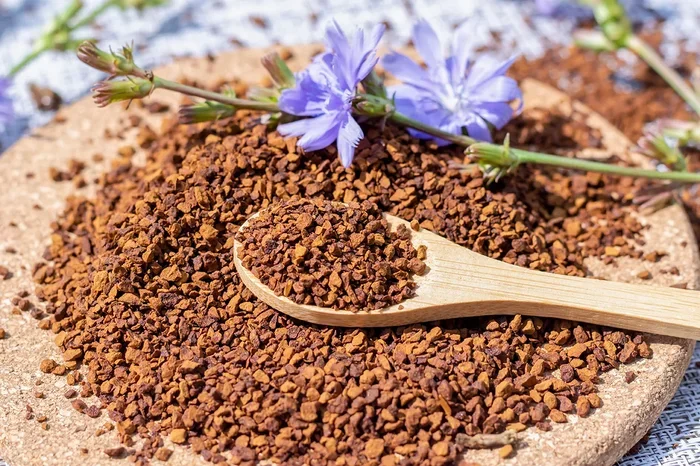
Instant coffee can produce a dark colour, but it usually lacks the full bodied texture of freshly brewed coffee. For a richer dark colour and better taste, use freshly ground beans with a proper brewing method like French press or espresso.
How does roast level affect coffee colour?
Roast level has a huge impact. Light roasts are brown and mild. Medium roasts are medium brown with balanced flavour. Dark roasts are nearly black with bold, smoky flavours and the deepest colour. Always choose dark roast for the darkest coffee colour.
Is dark coffee colour an indicator of caffeine content?
Not necessarily. Dark roasted beans actually contain slightly less caffeine than light roasts because the longer roasting process breaks down caffeine. However, dark coffee often tastes stronger, which can trick you into thinking it has more caffeine.
What is the best grind size for dark coffee colour?
A medium-fine to fine grind works best for achieving dark coffee colour. Finer grinds expose more surface area to the water, which increases extraction and produces a darker, richer brew. Avoid using a coarse grind if your goal is maximum darkness and boldness.
=== CONCLUSION ===
Achieving the perfect dark coffee colour at home is within your reach. With the right beans, the right grind, the right water temperature, and the right brewing method, you can create coffee that looks as good as it tastes. Remember to use fresh dark roast beans, avoid common mistakes, and experiment until you find your perfect routine.
Whether you prefer the bold intensity of espresso, the rich depth of French press coffee, or the smooth concentration of cold brew, each method can deliver that satisfying dark hue. The key is patience and attention to detail. Now that you have all the tools and knowledge, it is time to brew your next cup and enjoy the rich, full bodied, beautifully dark coffee you deserve.