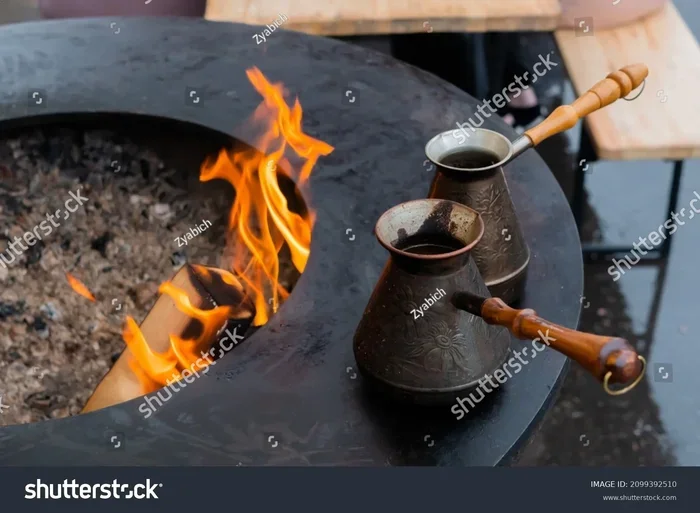
How To Make Ibrik Coffee The Traditional Turkish Way
Making ibrik coffee is a timeless tradition that brings authentic Turkish coffee culture into your kitchen. This guide walks you through every step of brewing the perfect cup using a traditional ibrik or cezve. You will learn about the right beans, grind size, water ratio, and technique to achieve that signature rich foam.
Key Takeaways
- Use a traditional ibrik or cezve: This small long-handled pot is essential for authentic Turkish coffee brewing.
- Grind your beans extra fine: The grind should be finer than espresso for the best results.
- Do not stir once it starts foaming: Let the ibrik do the work to create the perfect Turkish foam.
- Use cold water and slow heat: Patience is the secret to a rich, full-bodied cup.
- Clean your ibrik after every use: Proper maintenance keeps your coffee tasting fresh, much like how you would clean your kitchen equipment properly after each session.
- Serve with patience and tradition: Turkish coffee is as much about the ritual as the drink itself.
📑 Table of Contents
What Is Ibrik Coffee And Why It Matters
Ibrik coffee, also known as Turkish coffee, is one of the oldest and most cherished brewing methods in the world. It dates back centuries to the Ottoman Empire and remains a beloved ritual across Turkey, the Middle East, and beyond. Unlike drip or espresso coffee, ibrik coffee is brewed unfiltered in a small copper or brass pot called an ibrik or cezve.
The result is a thick, strong, and incredibly aromatic cup of coffee that you sip slowly. The experience is not just about caffeine. It is about savoring every moment, enjoying the rich aroma, and appreciating the craft behind each brew. If you have never tried making ibrik coffee at home, you are missing out on one of the most rewarding coffee experiences possible.
What makes ibrik coffee special is its simplicity. You need only three ingredients: water, finely ground coffee, and sugar if you like. Yet the process demands attention and patience. The slow heat and careful timing create a unique texture and flavor that no modern machine can fully replicate.
Many coffee lovers are rediscovering traditional methods like ibrik brewing because they want a more authentic and hands-on experience. It connects you to a rich cultural heritage that spans generations. Whether you are a seasoned coffee enthusiast or a curious beginner, learning to make ibrik coffee will deepen your appreciation for the art of coffee.
What You Need To Make Ibrik Coffee
The Ibrik or Cezve
The ibrik, also called a cezve, is the heart of Turkish coffee making. It is a small pot with a long handle, usually made from copper, brass, or stainless steel. The size matters because you want the coffee to have room to rise and form foam without boiling over. A standard ibrik holds about two to three small cups of coffee.
You can find traditional ibriks at specialty kitchen stores or online. Some people prefer copper ibriks because they conduct heat evenly. Others choose stainless steel for easy cleaning. Whatever material you choose, make sure it is safe for stovetop use. Just as you would check if your appliance is working correctly by looking for issues like oven heating issues, make sure your ibrik is in good condition before you start.
Choosing the Right Coffee Beans
For the best ibrik coffee, start with fresh, high-quality Arabica beans. Turkish coffee uses a very fine grind, almost like powder. You can buy pre-ground Turkish coffee or grind your own beans at home. Freshly ground coffee gives a much richer and more aromatic result.
Look for beans that are medium to dark roasted. Light roasts can work too, but they produce a brighter and less bold flavor. Many traditional recipes call for beans that are roasted and ground specifically for Turkish coffee brewing. This ensures the right texture and flavor profile.
Additional Supplies
Beyond the ibrik and coffee, you need a few basic supplies:
- Cold, filtered water: Good water makes a big difference in taste.
- Sugar: Optional, but traditional Turkish coffee often includes sugar.
- Small cups: Tiny porcelain cups are traditional and add to the experience.
- A heat source: A stovetop on low to medium-low heat works best.
- Turkish coffee grinder (optional): A manual burr grinder gives the finest and most consistent grind.
Step-by-Step Guide To Making Ibrik Coffee
Step 1: Measure Your Water
Start by measuring cold water into your ibrik. For one small cup of coffee, use about three ounces of water. If you are making multiple cups, scale up accordingly. Always use cold water because it heats gradually and allows the coffee grounds to extract evenly.
Place the ibrik on the heat source before adding coffee. This might seem counterintuitive, but it helps control the temperature from the start.
Step 2: Add the Coffee Grounds
Add one heaping teaspoon of extra-fine coffee grounds for each small cup. The grind should be finer than what you use for an espresso machine. If you are using a Turkish coffee grinder, set it to the finest setting possible.
Do not stir the mixture yet. Let the grounds sit on top of the water. This is important because it allows the coffee to begin extracting naturally as the water heats up.
Step 3: Add Sugar (Optional)
Traditional Turkish coffee comes in several sweetness levels:
- Sade: No sugar at all.
- Az sekerli: Little sugar, about half a teaspoon.
- Orta sekerli: Medium sweetness, about one teaspoon.
- Cok sekerli: Very sweet, about one and a half to two teaspoons.
Add the sugar to the ibrik before it starts to heat if you want it to dissolve evenly. Stir gently once at this stage if you are adding sugar.
Step 4: Heat Slowly
Place the ibrik on the stove over low to medium-low heat. The key to great ibrik coffee is patience. Do not rush this step with high heat. High heat causes the coffee to boil too quickly, which destroys the delicate flavors and prevents proper foam formation.
Watch the ibrik closely as it heats. After a few minutes, you will notice a dark foam forming on the surface. This foam is called kaymak in Turkish, and it is the hallmark of well-made ibrik coffee.
Step 5: Remove Before Boiling
As soon as the foam rises and begins to look like it is about to overflow, remove the ibrik from the heat. This happens very quickly, so stay attentive. The goal is to capture the foam at its peak without letting the coffee boil.
Let the foam settle back down for a few seconds. Then return the ibrik to the heat. Repeat this process two to three times. Each cycle builds more foam and deepens the flavor. This slow, repeated heating is what gives ibrik coffee its signature richness.
Step 6: Pour and Serve
Once the foam has built up and the coffee is ready, pour it slowly into small cups. Make sure each cup gets an equal share of foam. Pour gently to avoid disturbing the grounds at the bottom of the ibrik.
Serve immediately while the coffee is hot and the foam is still on top. Traditionally, ibrik coffee is served with a glass of water on the side. The water cleanses the palate before you sip the coffee. Some people also serve a small sweet treat like Turkish delight on the side.
Tips For The Perfect Ibrik Coffee
Master the Foam
The foam is the soul of ibrik coffee. Without a good layer of foam, your coffee will taste flat and unremarkable. To get the best foam, use very fine grounds, heat slowly, and remove the ibrik just before it boils. Practice makes perfect, and after a few tries, you will develop an eye for the right moment.
Use the Right Ratio
A good starting ratio for ibrik coffee is one heaping teaspoon of coffee per three ounces of water. You can adjust this to taste. More grounds make a stronger cup, while fewer grounds produce a lighter brew. Just remember that Turkish coffee is meant to be strong and concentrated.
Never Use Boiling Water
Always start with cold water. Boiling water extracts the coffee too quickly and creates a bitter taste. Cold water heats gradually and allows the coffee grounds to release their full flavor profile slowly. This slow extraction is what gives ibrik coffee its smooth, complex taste.
Clean Your Ibrik After Every Use
Proper cleaning keeps your ibrik in great condition and ensures your coffee tastes fresh every time. Rinse the ibrik with warm water after each use. Do not use soap, as it can leave a residue that affects the flavor. If you notice buildup, you can use a mild baking soda solution. Think of it like maintaining any kitchen tool, just as you would address oven cleaner residue after a deep clean to keep surfaces safe and fresh.
Experiment with Flavors
While traditional ibrik coffee is simple, you can experiment with flavors. Adding a small cardamom pod while brewing is a popular variation. Some people add a pinch of cinnamon or a drop of vanilla. These additions can enhance the aroma and give your coffee a unique twist. Just keep in mind that purists prefer the classic method without any additions.
Let the Grounds Settle
After pouring, the coffee grounds will sink to the bottom of the cup. This is completely normal and expected. Do not drink the last sip, as it contains the settled grounds. Let the coffee sit for about 30 seconds before drinking to allow the grounds to settle fully.
Common Mistakes To Avoid
Using the Wrong Grind Size
The biggest mistake people make is using a grind that is too coarse. If the grounds are not fine enough, the coffee will be weak and watery. The grind should be as fine as powdered sugar or even finer. If your regular grinder cannot achieve this fineness, consider buying a dedicated Turkish coffee grinder or purchasing pre-ground Turkish coffee.
Heating Too Quickly
High heat is the enemy of great ibrik coffee. It causes the coffee to boil too fast, which ruins the foam and creates a bitter taste. Always use low to medium-low heat and be patient. The slow heating process is essential for proper extraction and foam development.
Stirring Too Much
Once the coffee starts heating, do not stir it. Stirring breaks up the foam and prevents it from forming properly. The only time you should stir is when you first add sugar and it needs to dissolve. After that, let the ibrik do the work.
Skipping the Foam
Some people pour the coffee too quickly and end up with no foam in the cups. Take your time when pouring. Tilt the cup slightly and pour the foam first, then add the liquid coffee. Each cup should have a nice layer of foam on top.
Reheating the Coffee
Never reheat ibrik coffee. Once it has been brewed and poured, drink it while it is fresh. Reheating changes the flavor and destroys the foam. If you have leftover coffee, it is better to make a fresh batch than to reheat the old one.
The Cultural Significance Of Ibrik Coffee
Ibrik coffee is more than just a beverage. It is a cultural tradition that holds deep meaning in Turkish and Middle Eastern societies. In Turkey, offering coffee to a guest is a sign of hospitality and respect. The preparation and serving of coffee is a ritual that brings people together.
In traditional Turkish culture, the way coffee is served tells a story. The foam represents care and attention to detail. The small cups encourage slow, mindful drinking. And the leftover grounds at the bottom of the cup have even been used for fortune-telling, a practice known as tasseography.
Learning to make ibrik coffee at home is a way to connect with this rich cultural heritage. It is a practice that has survived for centuries and continues to bring people joy and connection. Whether you make it for yourself or share it with friends and family, ibrik coffee adds a touch of tradition and warmth to any moment.
The beauty of ibrik coffee lies in its simplicity and its depth of flavor. It does not require expensive equipment or complicated techniques. All it needs is good coffee, fresh water, a little patience, and a traditional ibrik. Once you master the basics, you will find that every cup you brew is a small celebration of tradition and taste.
So gather your supplies, heat your water slowly, and savor the process. Making ibrik coffee is not just about the end result. It is about the journey, the aroma, the foam, and the quiet moments of enjoyment. Welcome to the world of traditional Turkish coffee, and enjoy every sip.
Frequently Asked Questions
What is an ibrik used for?
An ibrik, also known as a cezve, is a small long-handled pot used specifically for brewing Turkish coffee. It is designed to heat water and coffee grounds slowly, allowing the coffee to develop a rich foam and full flavor. The ibrik is the traditional tool for making authentic ibrik coffee at home or in coffee shops around the world.
Can I use regular ground coffee for ibrik coffee?
No, regular ground coffee is too coarse for ibrik coffee. You need an extra-fine grind that is similar to powdered sugar or even finer. Regular grounds will produce a weak and gritty cup of coffee. If you do not have a Turkish coffee grinder, look for pre-ground Turkish coffee at specialty stores or online.
How many times should I heat the ibrik?
The traditional method calls for heating the ibrik two to three times, removing it from the heat just before it boils each time. This slow, repeated heating builds the foam and develops a rich, complex flavor. Each cycle adds more foam and deepens the coffee’s aroma, which is the hallmark of well-made ibrik coffee.
Is ibrik coffee the same as Greek coffee?
Yes, ibrik coffee and Greek coffee are essentially the same brewing method with slight regional variations. Both use a small pot, very fine coffee grounds, and slow heating to create a strong, unfiltered coffee with a thick foam. The main differences are in the names, serving customs, and minor recipe variations between Turkey and Greece.
How do I clean my ibrik after making coffee?
Rinse your ibrik with warm water after each use and avoid using soap, as it can leave a residue that affects the flavor of your next brew. If you notice coffee buildup, a gentle scrub with a soft brush and a baking soda solution works well. Keeping your ibrik clean ensures that your ibrik coffee tastes fresh and pure every time you brew it.
Can I make ibrik coffee without sugar?
Absolutely. Many people enjoy ibrik coffee without any sugar at all, which is called “sade” in Turkish tradition. The beauty of ibrik coffee is that you can customize the sweetness to your personal preference. Whether you take it sweet, medium, or unsweetened, the rich and bold flavor of the coffee itself remains the star of the cup.
=== CONCLUSION ===
Making ibrik coffee at home is a rewarding experience that connects you to centuries of tradition and craft. With just a few simple tools and a little patience, you can brew a cup of coffee that rivals what you would find in a traditional Turkish coffee house. The process is simple but deliberate, and every step matters from the grind size to the heating technique.
Remember to use cold water, fine grounds, and low heat. Let the foam build naturally and never rush the process. Clean your ibrik after each use to keep it in great condition. And most importantly, enjoy the ritual. Ibrik coffee is about more than just flavor. It is about slowing down, savoring the moment, and appreciating one of the world’s oldest and most beautiful coffee traditions.
Now that you know how to make ibrik coffee the traditional way, it is time to gather your supplies and give it a try. Your first cup might not be perfect, and that is okay. With a little practice, you will master the technique and enjoy the rich, bold, and deeply satisfying taste of authentic Turkish coffee. Cheers to your brewing journey.