How To Brew Strong Coffee That Will Change Your Mornings
Brewing strong coffee is easier than you think once you master the right beans, grind size, water ratio, and brewing technique. Whether you use a drip machine, French press, or pour over, this guide covers every method to help you make bold, rich coffee that actually wakes you up. Stop settling for weak, watery cups and start enjoying perfectly strong coffee every morning.
There is nothing worse than pouring a cup of coffee only to find it tastes like weak brown water. You deserve better. How to brew strong coffee is a question every coffee lover asks at some point, and the answer is simpler than you might think.
Whether you are a casual sipper or someone who needs multiple cups just to feel alive, brewing strong coffee at home is a game changer. The right beans, the right grind, and the right technique all work together to create a cup that is bold, rich, and full of flavor. This guide will walk you through everything you need to know.
We will cover the science behind coffee strength, the best beans to choose, the top brewing methods, and the common mistakes that ruin a good cup. By the end, you will have all the tools to make bold, delicious coffee every single morning.
Key Takeaways
- Choose dark roast beans: Dark roasts deliver bolder flavor and higher caffeine extraction than light roasts.
- Grind finer for more strength: A finer grind increases surface area and pulls out more flavor and caffeine.
- Use the right coffee-to-water ratio: A 1:15 ratio or stronger is the sweet spot for bold coffee.
- Water temperature matters: Brew between 195°F and 205°F for optimal extraction.
- French press and espresso make the strongest cups: These methods extract more oils and caffeine than drip brewing.
- Fresh beans make a huge difference: Always use beans roasted within the last two to four weeks.
- Avoid common mistakes: Using stale beans, wrong grind size, or too much water weakens your brew significantly.
📑 Table of Contents
- What Makes Coffee Strong
- Choosing the Best Coffee Beans for Strength
- The Best Brewing Methods for Strong Coffee
- Perfecting Your Coffee Ratio and Technique
- Common Mistakes That Weaken Your Coffee
- Quick Tips for Brewing the Strongest Cup Possible
- How to Store Coffee for Maximum Freshness
- The Role of Caffeine in Strong Coffee
- Conclusion
What Makes Coffee Strong
Before we dive into brewing, let us talk about what “strong” actually means. Many people confuse strength with bitterness. A strong cup of coffee is not necessarily bitter. Strength refers to the coffee-to-water ratio and how much flavor and caffeine end up in your cup.
The Science Behind Coffee Extraction
When hot water passes through coffee grounds, it extracts oils, acids, and caffeine. This process is called extraction. The longer and more thoroughly water interacts with grounds, the more flavor and caffeine it pulls out. However, over-extraction leads to bitterness, so balance is key.
Several factors control extraction:
- Grind size: Finer grinds extract faster and more completely.
- Water temperature: Hotter water extracts more compounds.
- Brew time: Longer contact time means more extraction.
- Coffee ratio: More coffee relative to water equals a stronger cup.
- Freshness: Freshly roasted and ground beans release more flavor.
Understanding these variables gives you total control over your brew. You are not just making coffee anymore. You are crafting it.
Choosing the Best Coffee Beans for Strength
The foundation of strong coffee starts before you even turn on your machine. Your choice of beans matters more than most people realize.
Dark Roast vs Light Roast
Dark roast beans are the go-to choice for bold flavor. They are roasted longer, which brings out deeper, smokier, and more intense notes. Light roasts, on the other hand, preserve more of the bean’s original flavors and tend to taste brighter and more acidic.
For strength and boldness, dark roast beans win almost every time. They produce a heavier body and richer mouthfeel that feels satisfying in every sip.
Freshness Matters More Than You Think
Stale beans are the enemy of strong coffee. Beans start losing their flavor within two weeks of roasting. Always check the roast date on the bag. The best beans are those roasted within the last two to four weeks. Buy whole beans and grind them just before brewing for maximum flavor.
Whole Beans vs Pre-Ground
Pre-ground coffee might be convenient, but it loses flavor fast. Whole beans stay fresh longer and give you control over grind size. If you want truly strong coffee, invest in a simple burr grinder. The difference in taste is night and day.
The Best Brewing Methods for Strong Coffee
Not all brewing methods create the same strength. Some extract more flavor and caffeine than others. Here are the top methods for brewing a powerful cup.
French Press
The French press is one of the best ways to make strong coffee at home. It uses immersion brewing, meaning the grounds steep directly in hot water for several minutes. This method extracts more oils and flavor than drip machines.
To get the most out of your French press:
- Use a coarse but consistent grind.
- Steep for four to five minutes.
- Use a 1:15 coffee-to-water ratio or stronger.
- Press the plunger slowly and evenly.
The result is a full-bodied, rich cup that feels thick and satisfying.
Pour Over Coffee
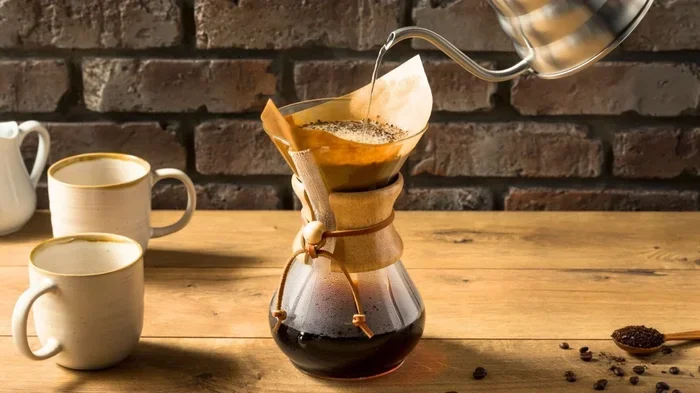
Pour over brewing gives you complete control over every variable. You control the water temperature, pour speed, and grind size. This method produces a clean, bold cup that highlights the bean’s natural flavors.
Popular pour over devices include the Hario V60, Kalita Wave, and Chemex. Each one produces a slightly different cup, but all can deliver strong, rich coffee when you dial in the right technique.
Espresso Machines
If you want the strongest possible coffee, nothing beats espresso. Espresso machines force hot water through finely ground coffee at high pressure. This produces a concentrated, intense shot packed with flavor and caffeine.
You do not need an expensive machine to make good espresso. A stovetop moka pot is a great budget option that produces something close to real espresso. For the full experience, a semi-automatic espresso machine gives you the most control.
Moka Pot
The moka pot is a classic Italian stovetop brewer that produces strong, rich coffee. It works by pushing steam through ground coffee, creating a bold brew that sits somewhere between drip coffee and espresso. It is affordable, durable, and perfect for anyone who wants strong coffee without a fancy machine.
Cold Brew Concentrate
Cold brew is another excellent option for strong coffee. It uses time instead of heat to extract flavor. The result is a smooth, naturally sweet concentrate that is incredibly strong. You can dilute it with water or milk to match your preferred strength.
To make cold brew, combine coarse grounds with cold water in a ratio of 1:4. Let it steep in the fridge for 12 to 24 hours. Strain and enjoy.
Perfecting Your Coffee Ratio and Technique
Getting the ratio right is the single most important step in brewing strong coffee. Too much water and your cup becomes weak and lifeless. Too little water and it turns into an over-extracted mess.
The Golden Ratio for Strong Coffee
Most coffee experts recommend a starting ratio of 1:15. That means one part coffee to 15 parts water. For a stronger cup, try 1:14 or even 1:13. Here is a quick reference:
- Standard strength: 1:15 ratio
- Strong brew: 1:14 ratio
- Very strong brew: 1:13 ratio
For example, if you are making 12 ounces of coffee, use about 28 grams of grounds for a standard brew. Bump that up to 34 grams for a stronger cup. A kitchen scale makes this easy and consistent.
Water Temperature Tips
The ideal brewing temperature is between 195°F and 205°F. Water that is too cool under-extracts the coffee, leading to weak, sour flavors. Water that is too hot over-extracts and brings out bitterness.
If you do not have a thermometer, just bring your water to a boil and let it sit for 30 to 45 seconds before pouring. This brings it right into the sweet spot.
Brew Time Guidelines
Different methods require different brew times:
- French press: 4 to 5 minutes
- Pour over: 3 to 4 minutes
- Espresso: 25 to 30 seconds
- Moka pot: 5 to 7 minutes
- Cold brew: 12 to 24 hours
Sticking to these times ensures you get the best extraction without overdoing it.
Common Mistakes That Weaken Your Coffee
Even experienced coffee drinkers make mistakes that ruin their brew. Here are the most common ones and how to fix them.
Using Stale Beans
This is the number one mistake. Old, stale beans have lost most of their aromatic oils. No amount of technique can fix flavorless beans. Always buy fresh, whole beans and store them in an airtight container away from light and heat.
Grinding Too Coarse
If your coffee tastes weak and watery, your grind might be too coarse. Coarse grounds do not extract as much flavor. For methods like French press and drip, use a medium to medium-fine grind. For espresso, go finer. Adjusting your grind size is the quickest way to change your coffee’s strength.
Using Too Much Water
It sounds obvious, but adding too much water is the fastest way to dilute your coffee. Stick to your ratio and measure carefully. Eyeballing it almost always leads to a weaker cup.
Ignoring Your Equipment
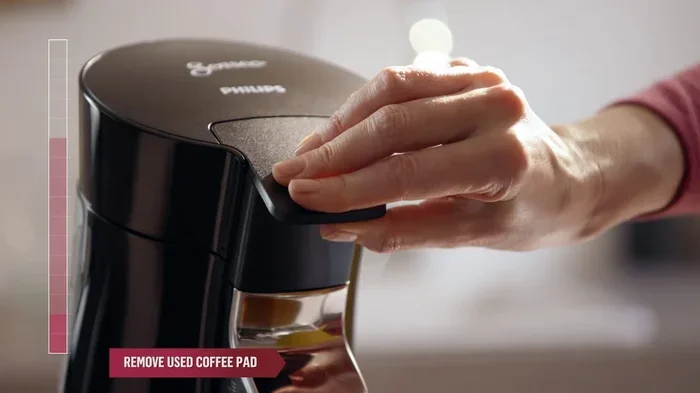
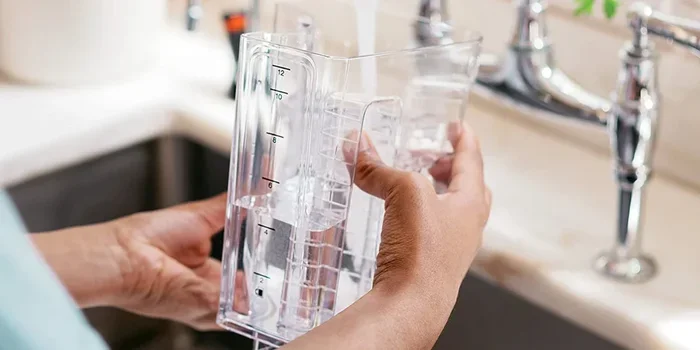
Dirty equipment affects flavor. Oil residue from previous brews goes rancid and taints your next cup. Clean your French press, grinder, and machine regularly. If you use a Keurig coffee maker, make sure to decalcify it regularly to prevent mineral buildup that can affect brewing temperature and flavor.
Not Pre-Wetting the Grounds
For pour over and French press methods, pre-wetting the grounds (also called the bloom) allows carbon dioxide to escape. This ensures even extraction and a much better cup. Simply pour a small amount of hot water over the grounds, wait 30 seconds, and then continue brewing.
Quick Tips for Brewing the Strongest Cup Possible
Want to level up your coffee game fast? Here are some quick wins that make an immediate difference.
- Use more coffee: This is the simplest way to increase strength. Just add more grounds to your usual ratio.
- Grind finer: A finer grind extracts more flavor and caffeine in less time.
- Brew longer (within reason): Extending brew time by just one minute can noticeably increase strength.
- Use hotter water: Make sure your water is in the 195°F to 205°F range.
- Preheat your brewer: A cold brewer absorbs heat from the water, lowering the temperature and affecting extraction.
- Try a double shot: For espresso lovers, pulling a double shot naturally gives you a stronger cup.
- Experiment with ratios: Keep a coffee journal and track what works best for your taste.
Small changes add up fast. You do not need to overhaul your entire routine. Just try one or two of these tips and taste the difference.
How to Store Coffee for Maximum Freshness
Proper storage keeps your beans fresh longer and preserves their flavor. Here is what you need to know.
- Store in an airtight container: Oxygen is the biggest enemy of fresh coffee.
- Keep it away from light: Sunlight breaks down flavor compounds quickly.
- Room temperature is best: Avoid storing beans in the fridge or freezer. Moisture and odors can affect flavor.
- Buy in small batches: Only purchase enough beans to last one to two weeks.
If you buy in bulk, store most of the beans in a sealed bag in a cool, dark pantry and keep a small amount in your daily container.
The Role of Caffeine in Strong Coffee
Many people equate strength with caffeine content. While caffeine does contribute to the perceived intensity of coffee, it is not the whole picture. Dark roasts actually contain slightly less caffeine than light roasts, but their bolder flavor makes them taste stronger.
Brewing method also affects caffeine levels. Espresso has more caffeine per ounce, but a standard cup of drip coffee contains more total caffeine because you drink a larger volume. Cold brew concentrate, when undiluted, packs a serious caffeine punch as well.
If you are looking for maximum caffeine, try a double espresso shot or a full-strength cold brew concentrate. For balanced energy without jitters, a well-brewed French press or pour over does the trick perfectly.
Conclusion
Brewing strong coffee at home does not require expensive equipment or a chemistry degree. It comes down to choosing the right beans, grinding them properly, using the correct ratio, and mastering your brewing method. With the tips in this guide, you can transform your morning routine and finally enjoy the bold, rich cup you have been craving.
Start with fresh dark roast beans. Measure your coffee and water carefully. Experiment with grind size and brew time. Pay attention to water temperature. And clean your equipment regularly to keep every cup tasting its best.
How to brew strong coffee is a skill anyone can learn. Once you nail it, there is no going back to weak, disappointing cups. Your mornings deserve better. Make the change today and taste the difference for yourself.
Frequently Asked Questions
What is the best coffee ratio for strong coffee?
A 1:14 or 1:13 coffee-to-water ratio produces a noticeably stronger cup. Start with 1:15 and adjust from there until you find your preferred strength. Using a kitchen scale ensures consistency every time.
Can I make strong coffee with a regular drip machine?
Absolutely. Use a finer grind, increase the coffee amount, and make sure your machine is clean and heating properly. A well-maintained drip machine can produce surprisingly bold coffee.
Does dark roast coffee have more caffeine?
Not exactly. Dark roasts have slightly less caffeine per bean than light roasts. However, their bolder flavor creates the perception of a stronger cup. For caffeine content, brewing method and ratio matter more than roast level.
How do I know if my coffee is over-extracted?
Over-extracted coffee tastes bitter, harsh, and dry. If your brew has these qualities, try using a coarser grind, lower water temperature, or shorter brew time to bring the flavors back into balance.
Is cold brew stronger than hot brewed coffee?
Cold brew concentrate is typically stronger in flavor and caffeine when undiluted. However, most people dilute cold brew before drinking. A standard cup of hot brewed coffee often has more total caffeine because of the larger serving size.
How often should I clean my coffee maker?
You should clean your coffee maker after every use and perform a deep decalcification or descaling at least once a month. Mineral buildup from hard water reduces brewing temperature and affects the taste and strength of your coffee.